Critical Thinking Reading Fiction Worksheets for Ages 6-9 - Page 2
38 filtered results
-
From - To
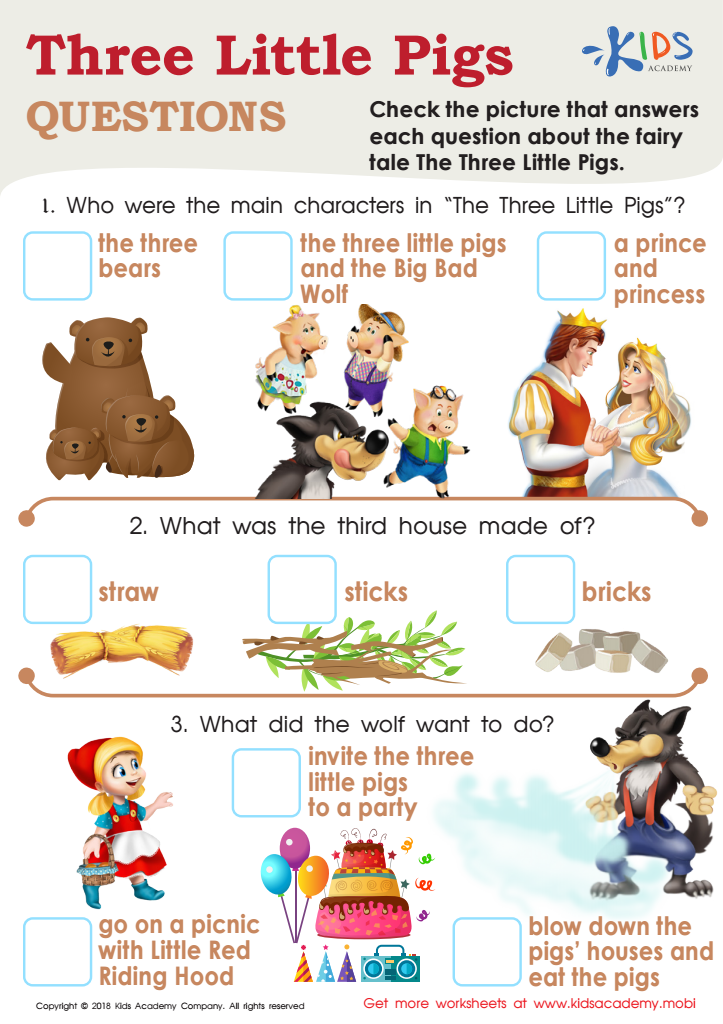
Three Little Pigs Questions Worksheet
 Assign to My Students
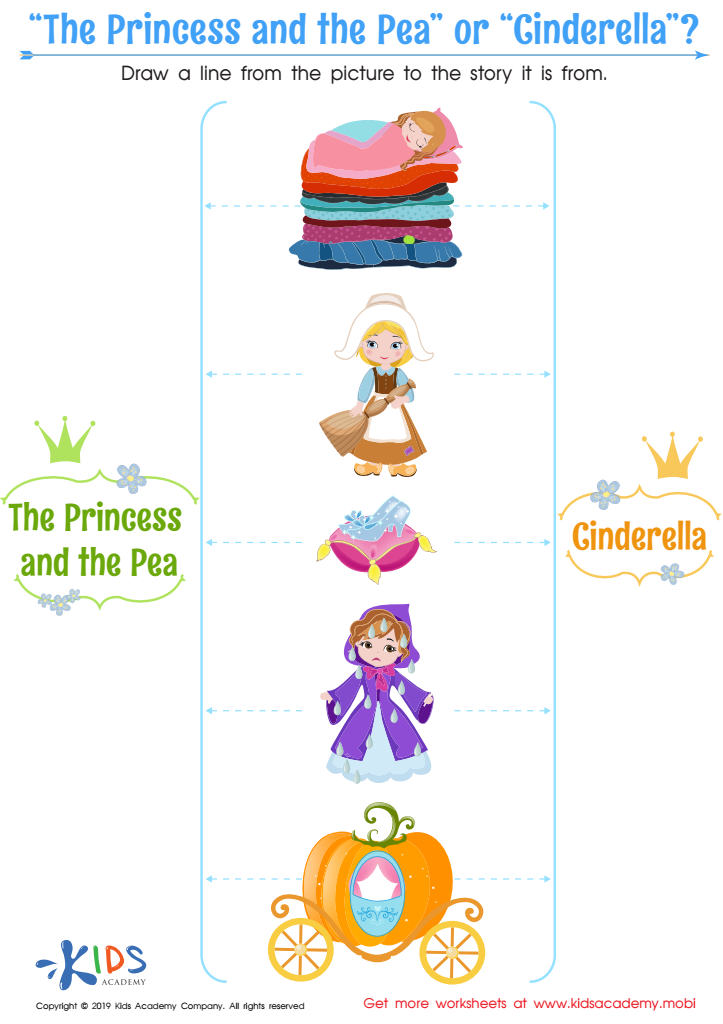
“The Princess and the Pea” or “Cinderella” Worksheet
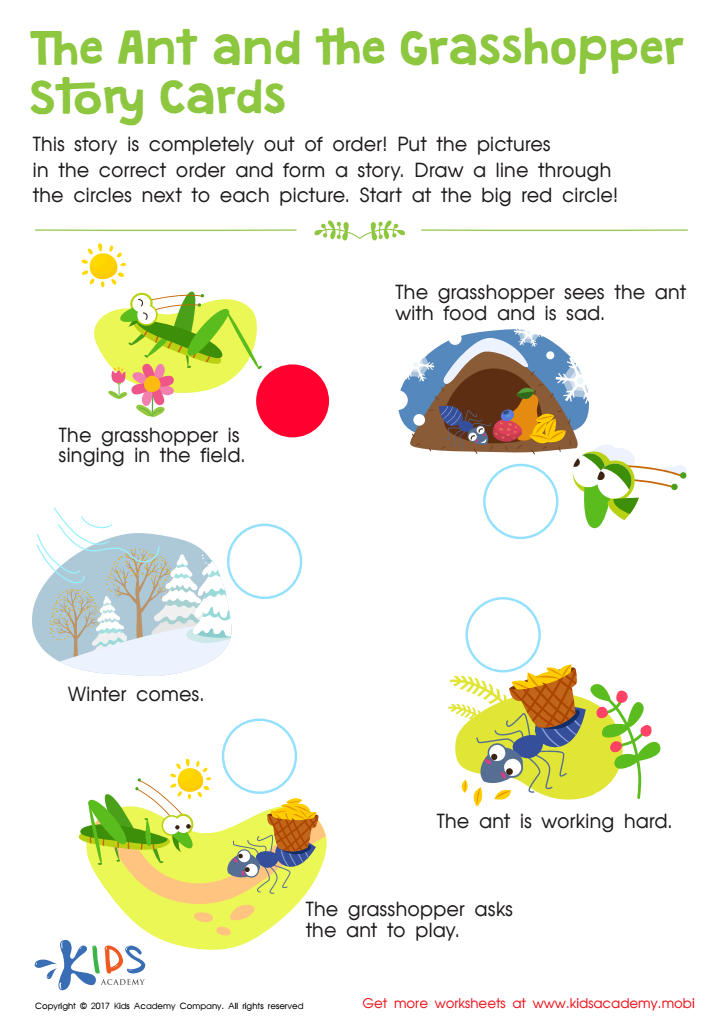
The Ant and The Grasshopper Worksheet
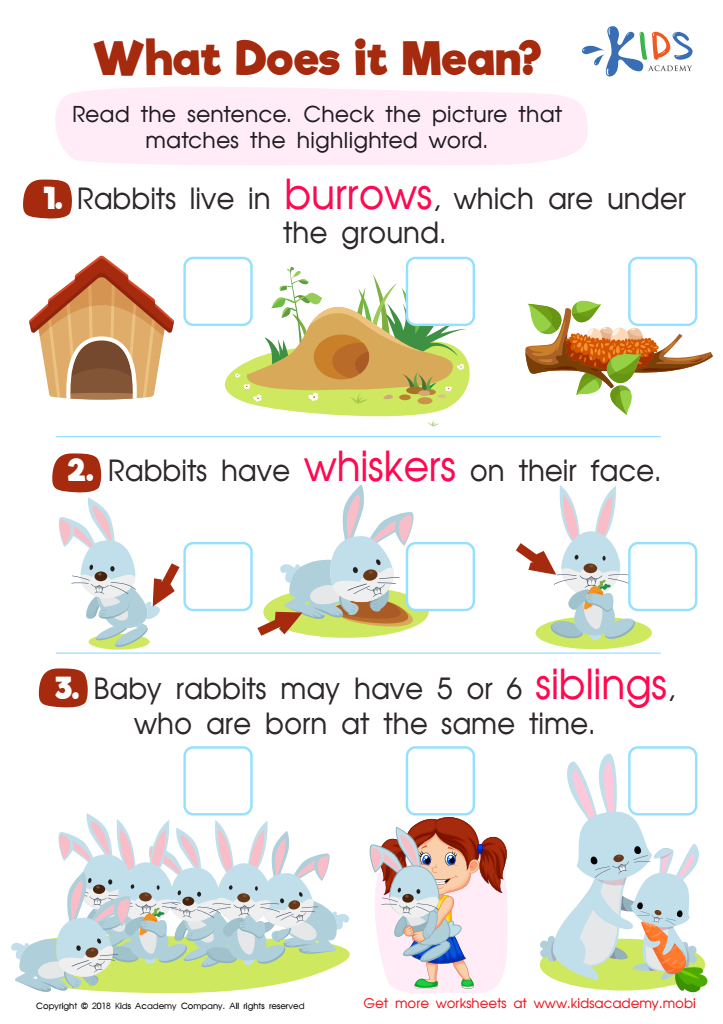
What Does It Mean? Worksheet
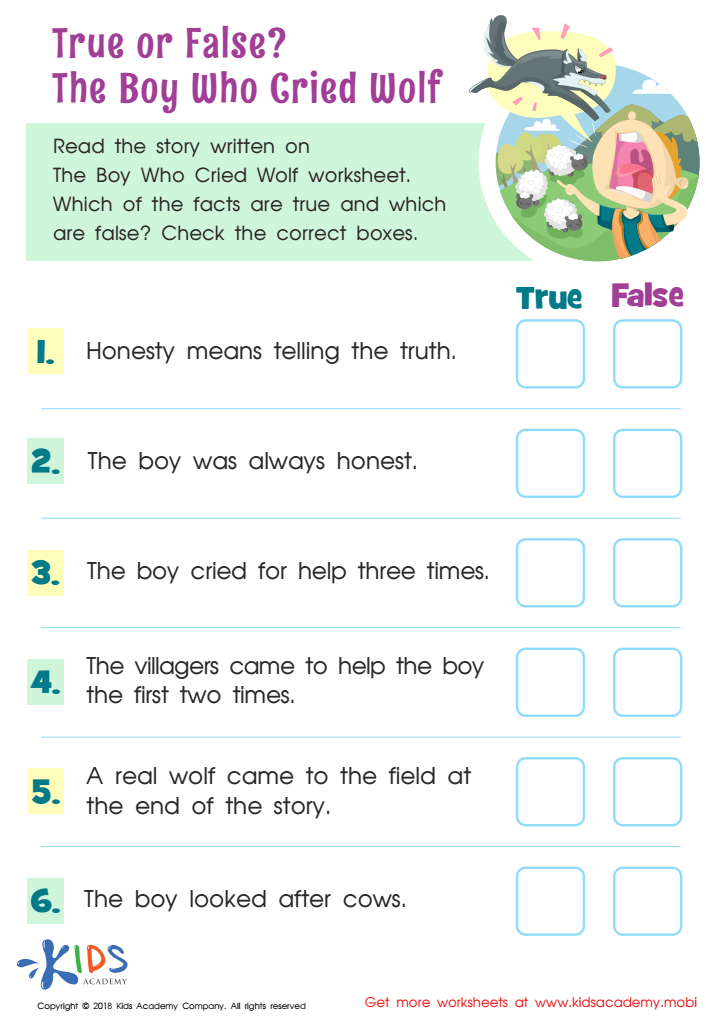
True or False? The Boy Who Cried Wolf Worksheet
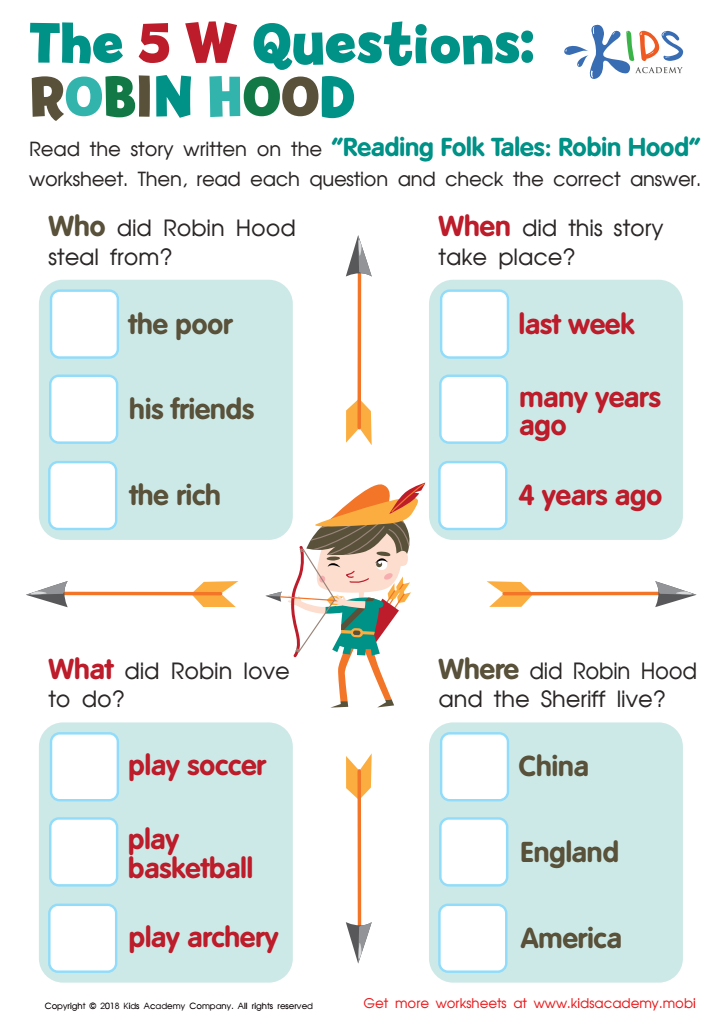
The 5 W Questions: Robin Hood Worksheet
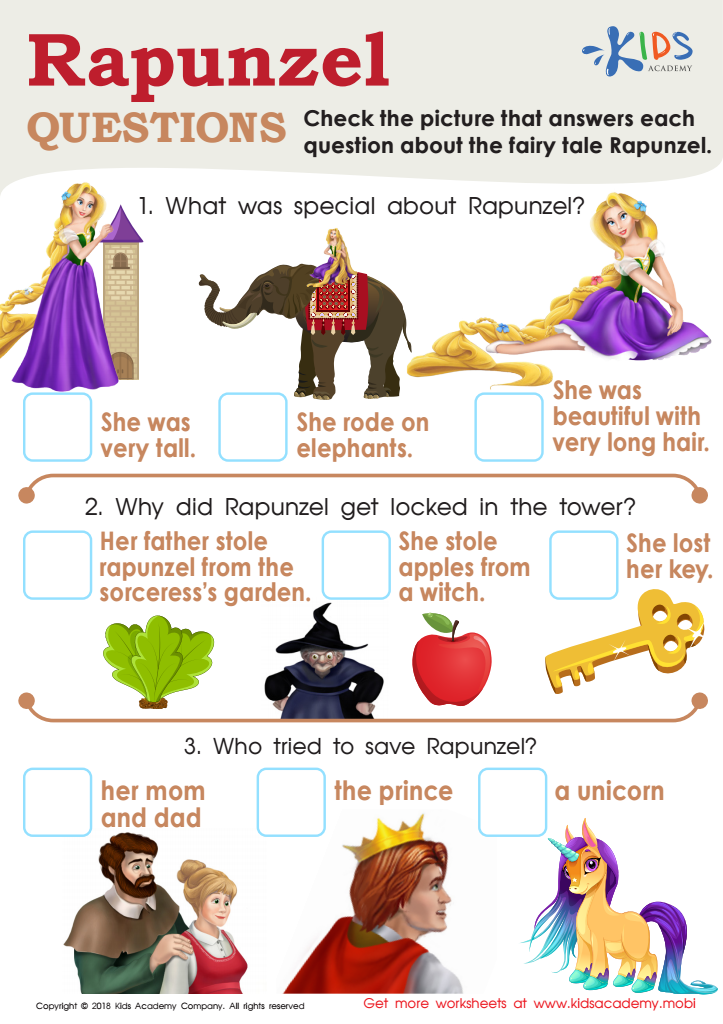
Rapunzel Questions Worksheet
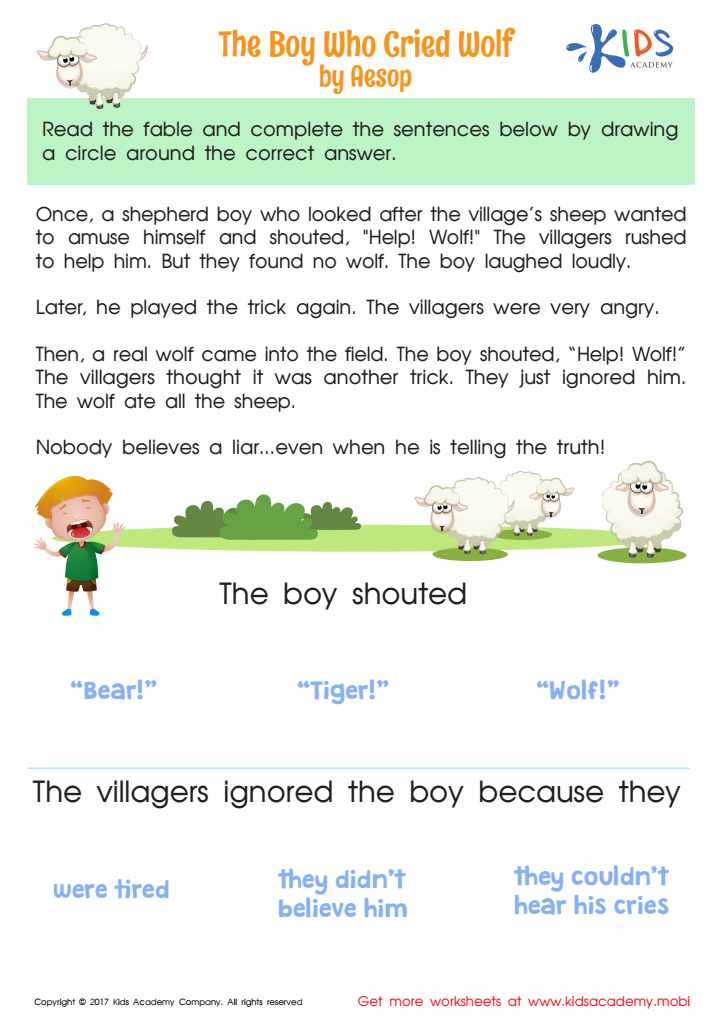
The Boy Who Cried Wolf Worksheet
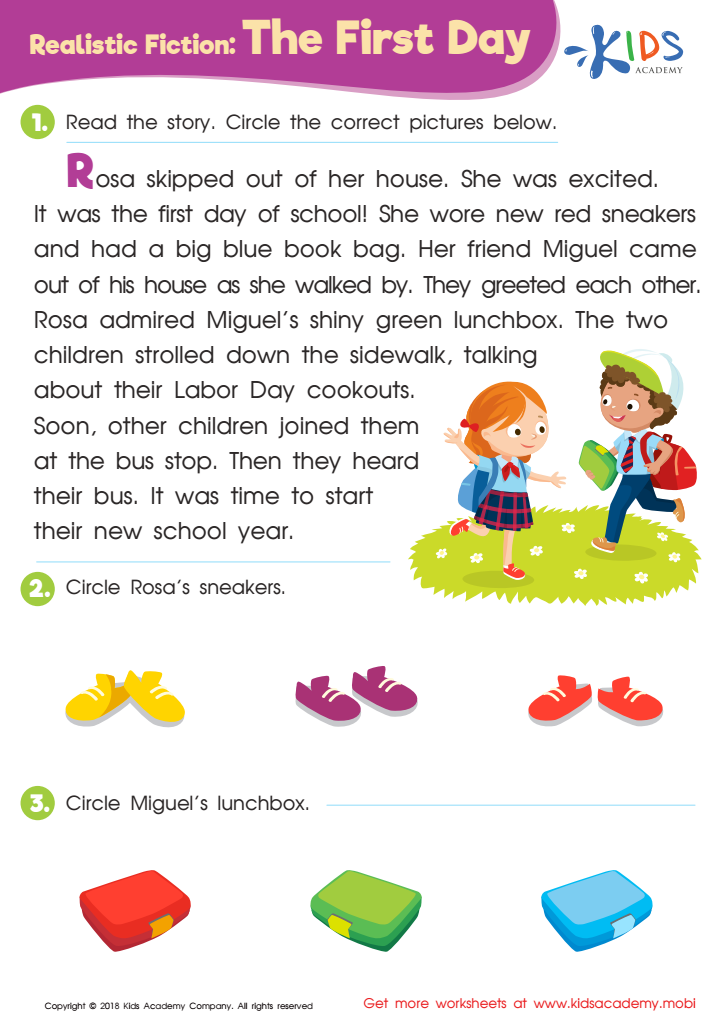
Realistic Fiction: The First Day Worksheet
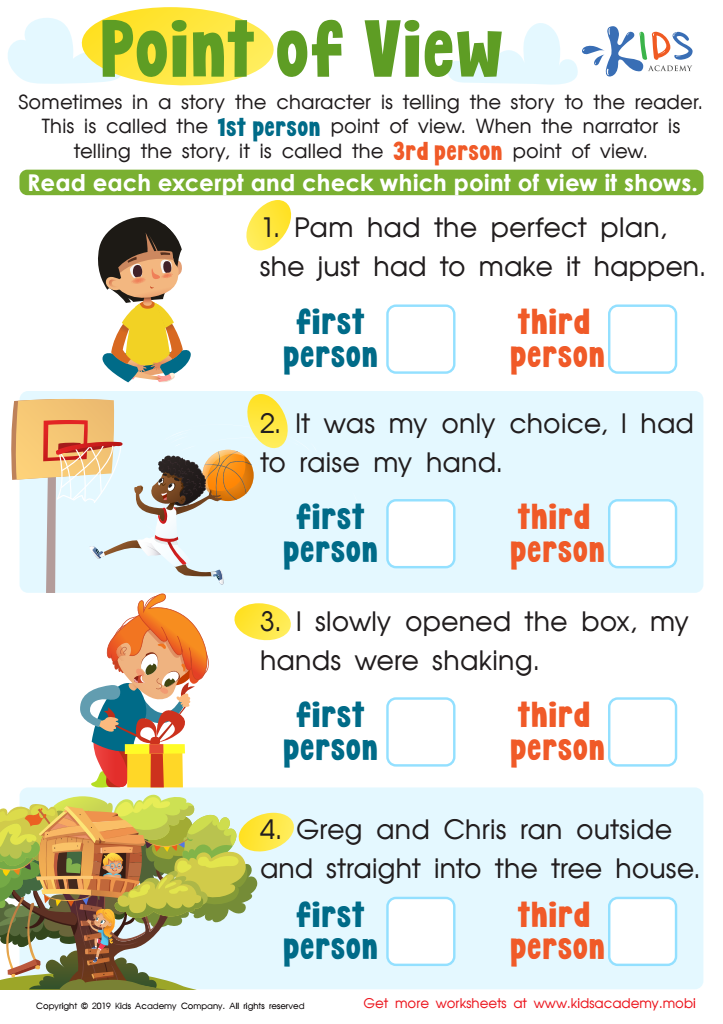
Point of View Printable
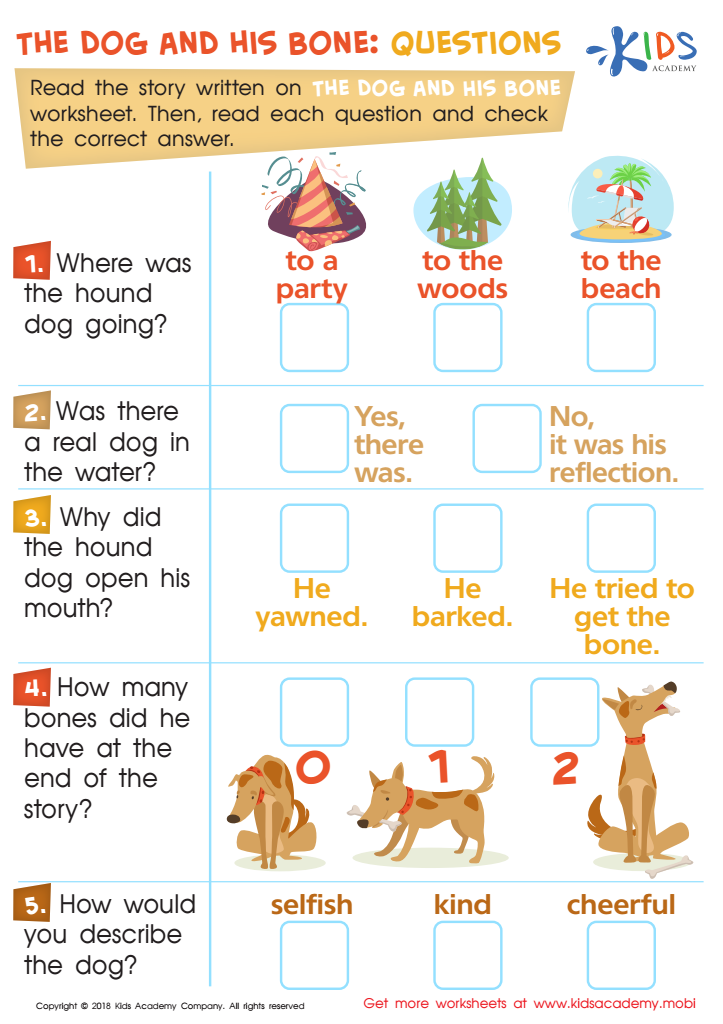
The Dog and His Bone: Questions Worksheet
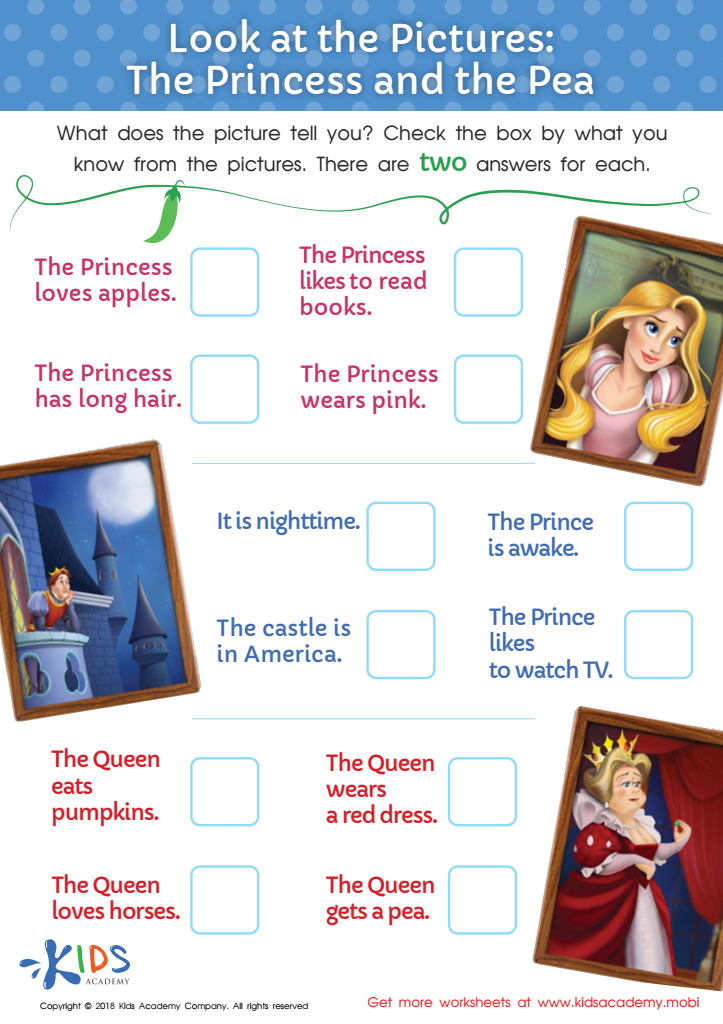
Look at the Pictures: The Princess and the Pea Worksheet
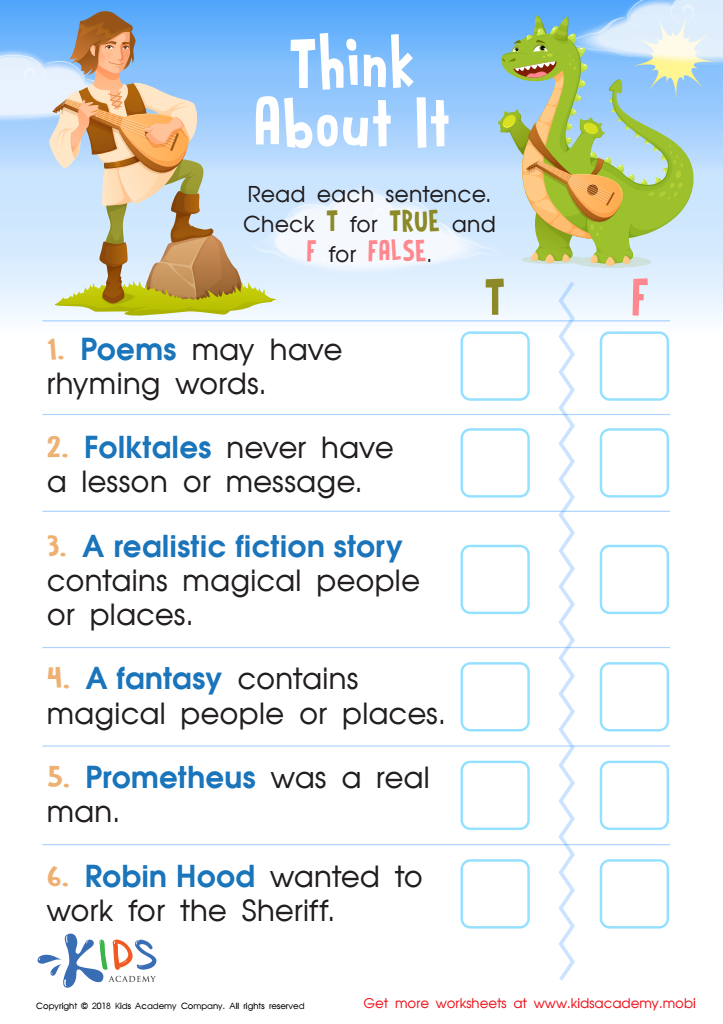
Think About It: Assessment Worksheet
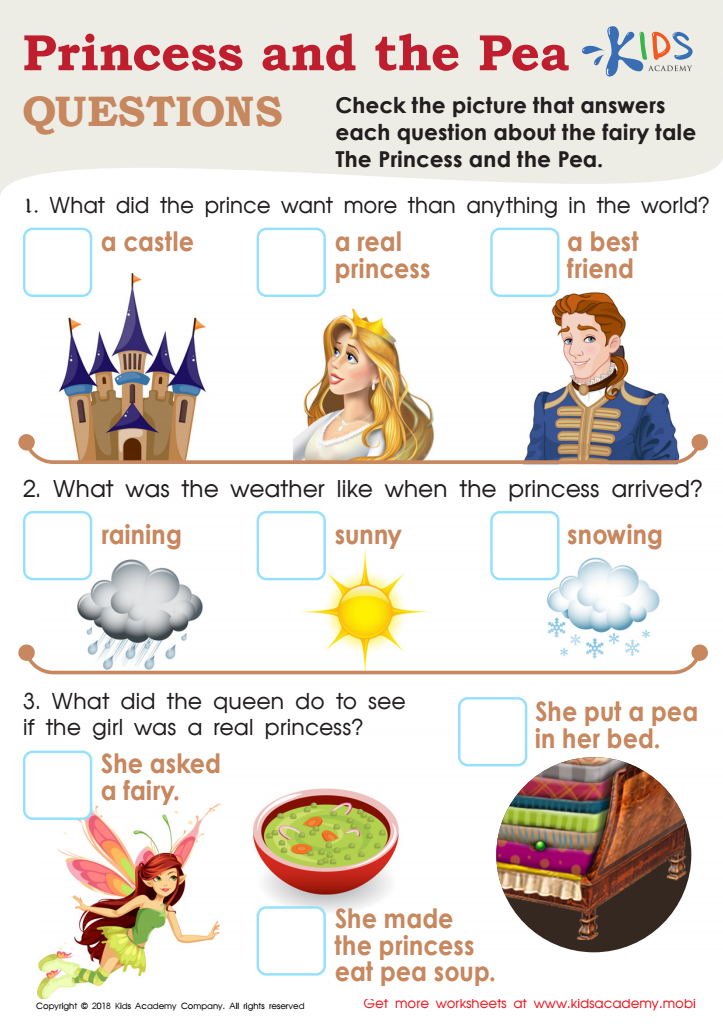
Princess and the Pea Questions Worksheet


.jpg)





Critical thinking is an essential skill that lays the foundation for effective problem-solving and decision-making in life. For children aged 6-9, reading fiction offers a unique opportunity to develop this critical thinking ability. When children engage with stories, they learn to analyze characters' motives, predict outcomes, and understand various perspectives. This analytical engagement fosters creativity, as children imagine alternative endings and explore moral dilemmas presented in the narrative.
Parents and teachers should prioritize critical thinking in reading fiction because it enriches comprehension and boosts literacy skills. By asking open-ended questions about plots and characters, adults can encourage children to express their thoughts and make connections to their own experiences. This discussion not only reinforces language development but also promotes active listening and respect for differing viewpoints.
Additionally, reading fiction can build empathy as children relate to diverse characters and their situations, an equally valuable aspect of critical thinking. In a rapidly changing world, equipping children with the ability to think critically while enjoying stories prepares them not just for academic success but for thoughtful citizenship in their communities. By fostering these skills in young readers, we encourage them to question, analyze, and ultimately engage with the world around them.








