Information retention Reading Non-Fiction Worksheets for Ages 6-9
4 filtered results
-
From - To
Enhance your child's comprehension with our Information Retention Reading Non-Fiction Worksheets tailored for ages 6-9! These expertly designed activities focus on vital skills such as identifying key details, understanding main ideas, and making meaningful connections, all through engaging non-fiction texts. Encourage young readers to build strong foundations in highlighting crucial information, summarizing content, and improving memory retention. Perfect for both classroom and at-home learning, our worksheets support diverse educational needs, turning reading into a fun and interactive experience. Partner with us to boost your child's confidence and academic success in reading comprehension. Visit Kids Academy for more details!
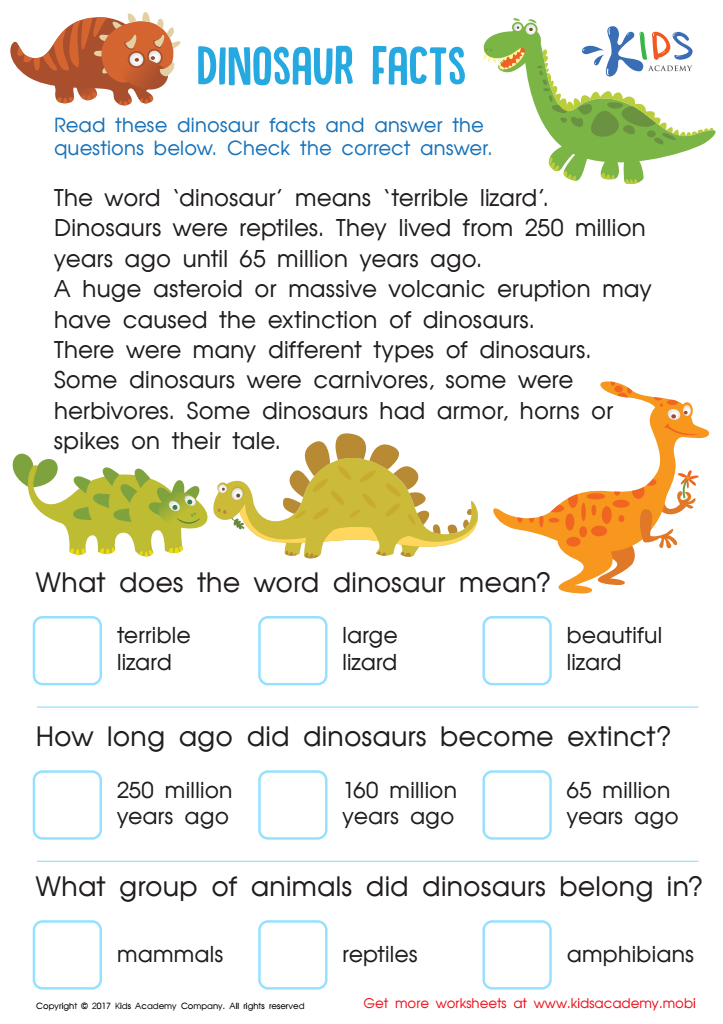
Dinosaur Facts Worksheet
 Assign to My Students
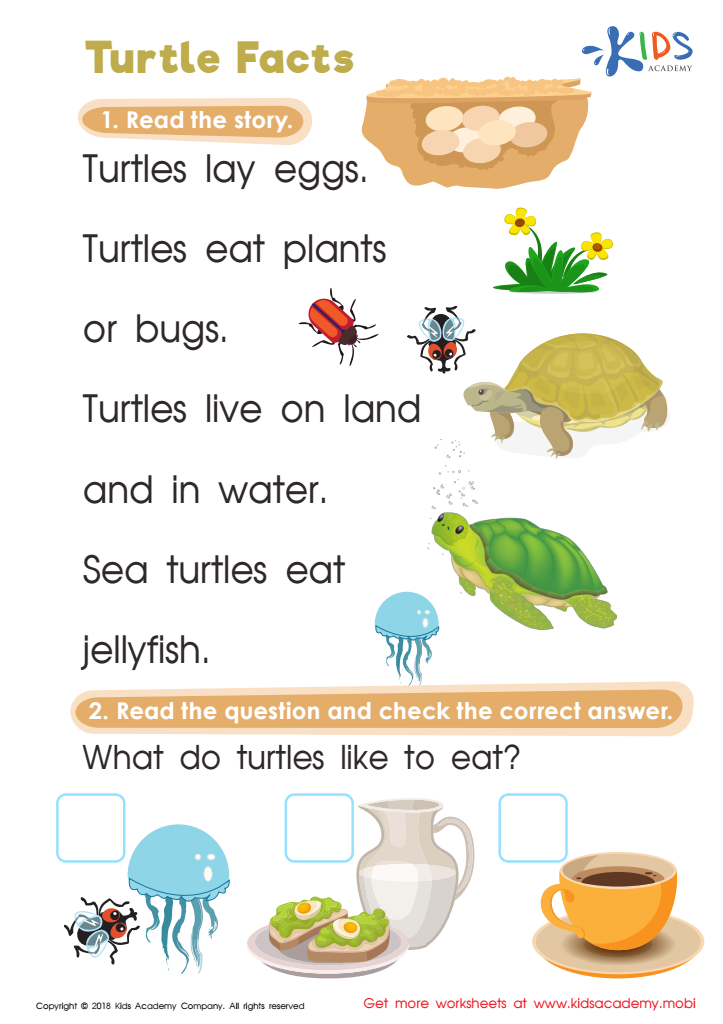
Turtle Facts Worksheet
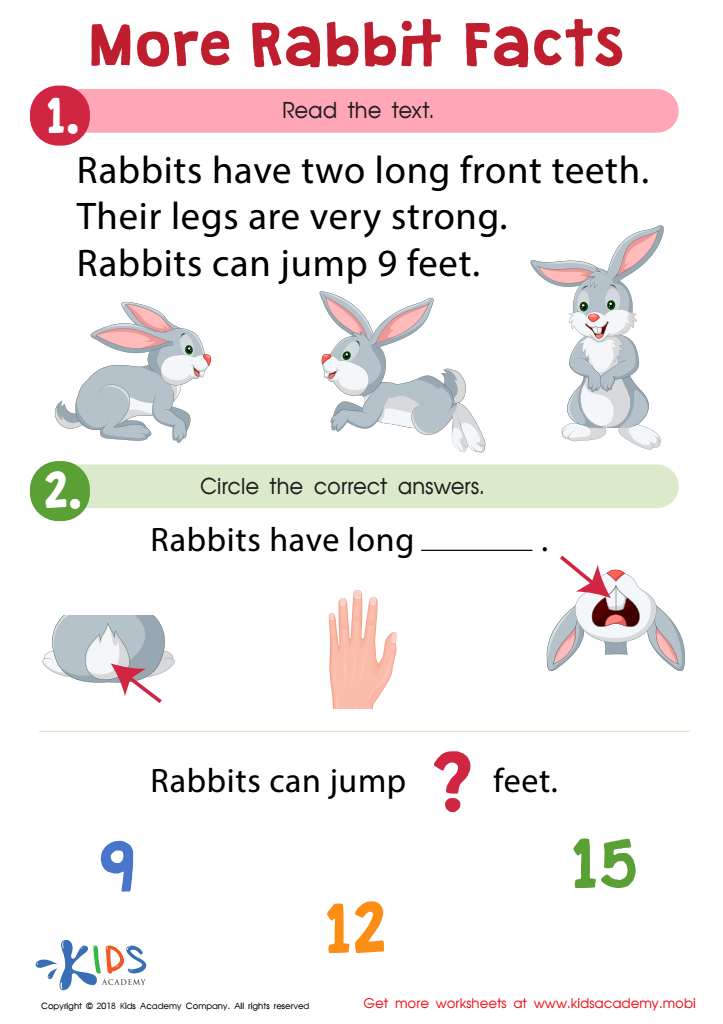
More Rabbit Facts Worksheet
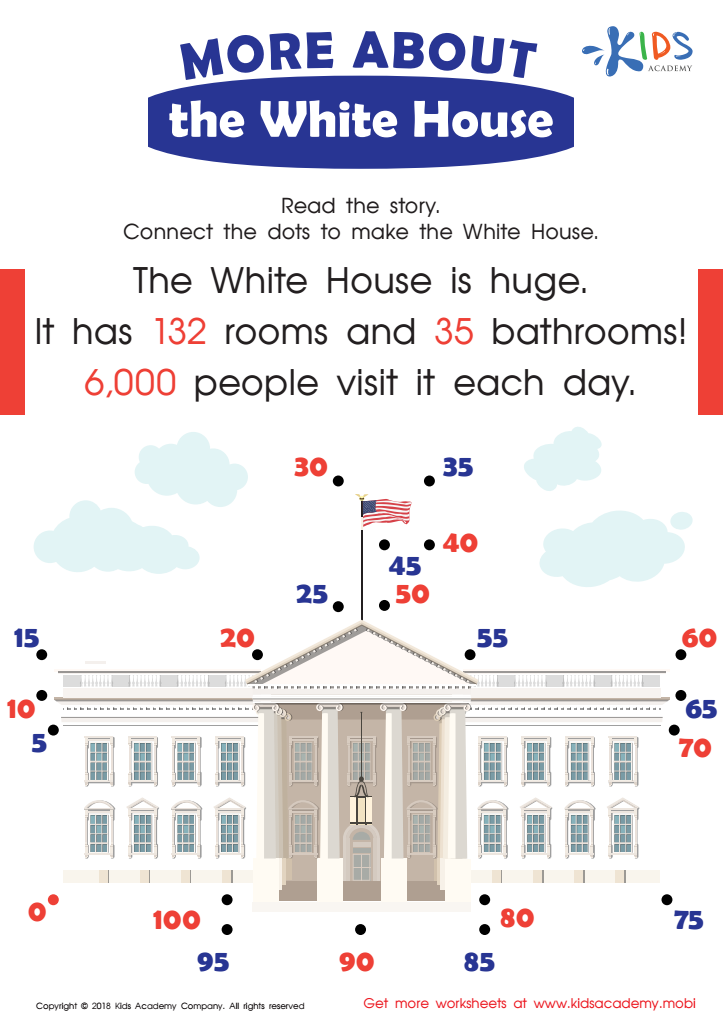
More About the White House Worksheet








Parents and teachers should care about information retention in non-fiction reading for children aged 6-9 because it plays a crucial role in their cognitive and academic development. At this young age, children's brains are highly receptive to new information, and internalizing factual content can significantly bolster their knowledge base. When young learners retain information from non-fiction texts, they enhance their understanding of the world, broaden their vocabulary, and strengthen their ability to think critically.
Moreover, non-fiction reading develops essential skills like concentration, comprehension, and analytical thinking. These skills are foundational for future learning across all subjects, from science and social studies to math and art. Children who effectively retain information from non-fiction texts build a stronger academic foundation, fostering higher levels of academic achievement over time.
Additionally, retaining non-fiction information can spark curiosity and a love for learning, encouraging children to explore a variety of topics. This broadens their horizon and generates a more well-rounded education. For parents and teachers, focusing on this aspect ensures children are not merely reading the words but engaging with and understanding the content, setting the stage for advanced learning and lifelong intellectual growth.
Therefore, investing in strategies to improve information retention during non-fiction reading can lead to more informed, curious, and successful learners.








