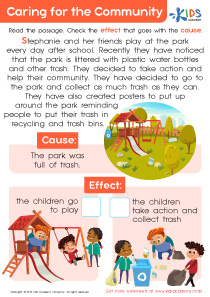
Community awareness Community Worksheets for Ages 6-9
3 filtered results
-
From - To
Explore our Community Awareness Worksheets designed specifically for children ages 6-9! These engaging activities help young learners understand their community and develop essential social skills. Through colorful illustrations and interactive exercises, kids will discover the roles of community helpers, the importance of teamwork, and ways to contribute positively to their surroundings. Our worksheets foster critical thinking and encourage discussions about community values, diversity, and local resources. These resources are perfect for both classroom settings and at-home learning, providing valuable opportunities for children to connect with their environment and appreciate the people around them. Begin this exciting journey of community exploration today!
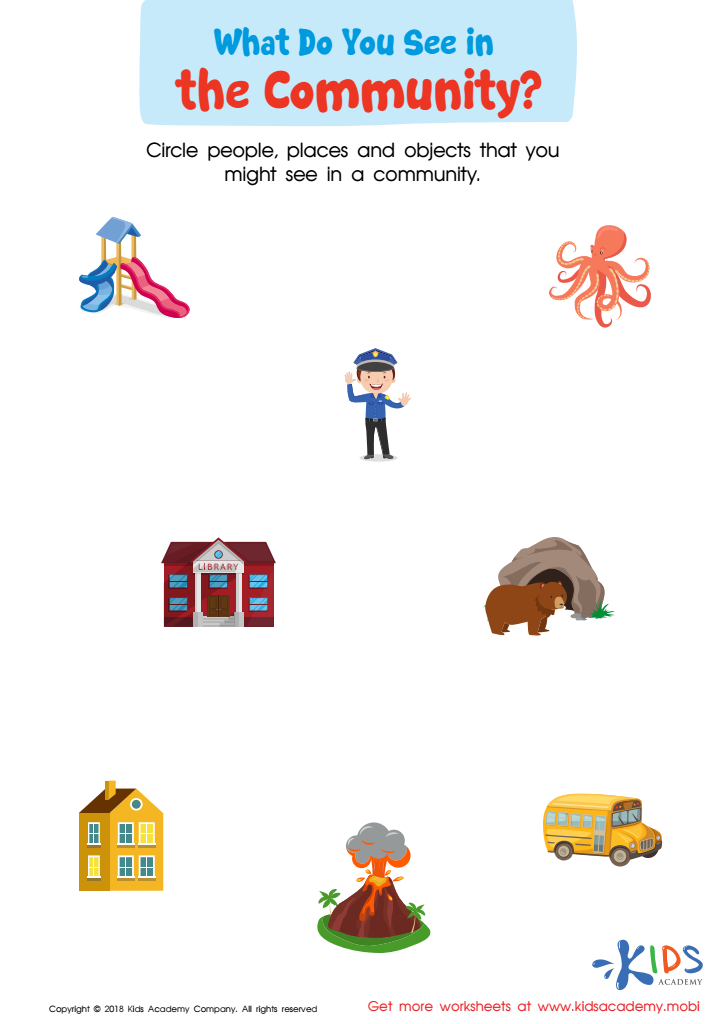
What Do You See in the Community Worksheet
 Assign to My Students
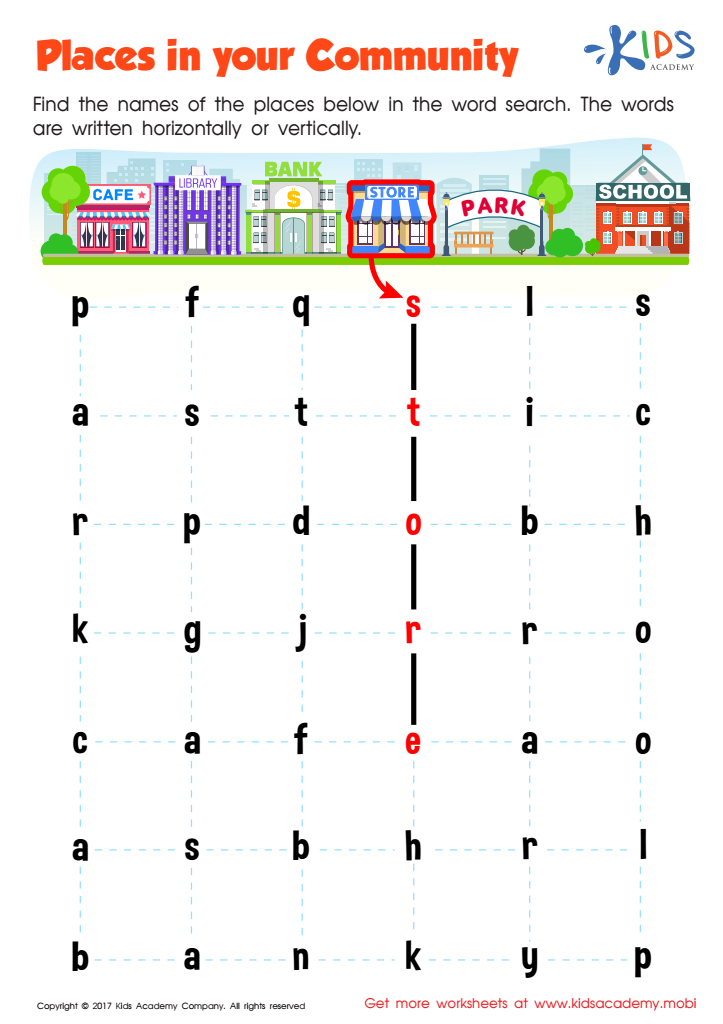
Places in Your Community Worksheet
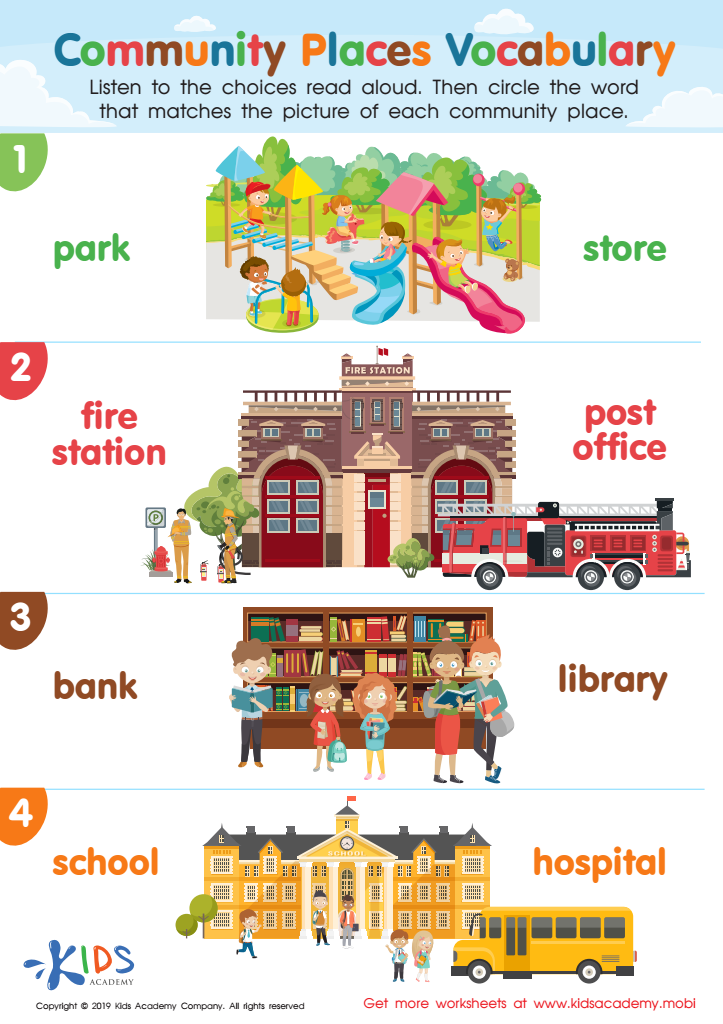
Community Places Vocabulary Worksheet





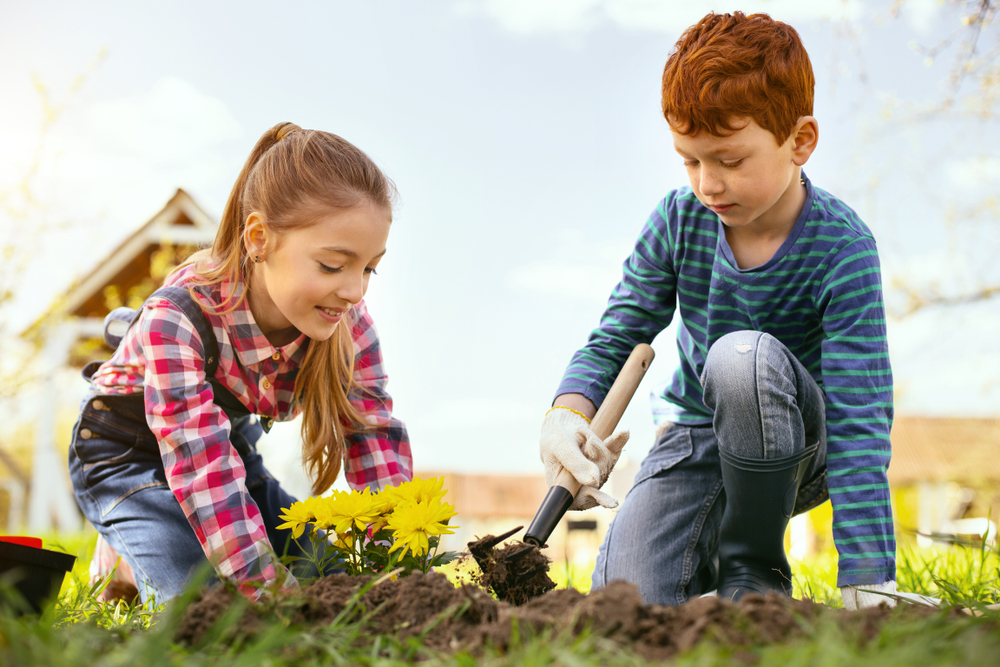


Community awareness is vital for children aged 6-9 as it helps them understand their surroundings and learn the importance of belonging. When parents and teachers foster this awareness, they enable children to identify and appreciate the diverse cultures, traditions, and values within their community. This knowledge not only enhances social skills but also nurtures empathy, enabling children to connect meaningfully with others.
In addition, being community-aware encourages children to partake in local activities, fostering a sense of responsibility and civic engagement from an early age. When kids engage in community services, such as volunteering, they learn the value of giving back. This contributes to their overall character development and helps them recognize the impact of their actions on others.
Furthermore, community awareness can spark interest in subjects like geography, history, and social studies. It lays a foundation for critical thinking and inspires them to become informed citizens. By participating in discussions about local issues, children develop problem-solving skills and learn the significance of teamwork. Ultimately, fostering community awareness creates more informed, compassionate, and socially responsible individuals, making it essential for both parents and teachers to prioritize this vital aspect of childhood education.