Geography skills Geography Worksheets for Ages 6-9
3 filtered results
-
From - To
Discover engaging Geography Skills worksheets designed for ages 6-9, available at Kids Academy. Our expertly crafted worksheets help young explorers learn fundamental geography concepts through fun activities. Children will master map reading, compass navigation, understanding continents and oceans, and more. These exercises not only enhance geographic awareness but also promote critical thinking and problem-solving. Each worksheet is tailored to keep youngsters motivated and eager to learn. Equip your child with essential geography skills and foster a lifetime love for discovery. Start exploring with our Geography Skills worksheets now!
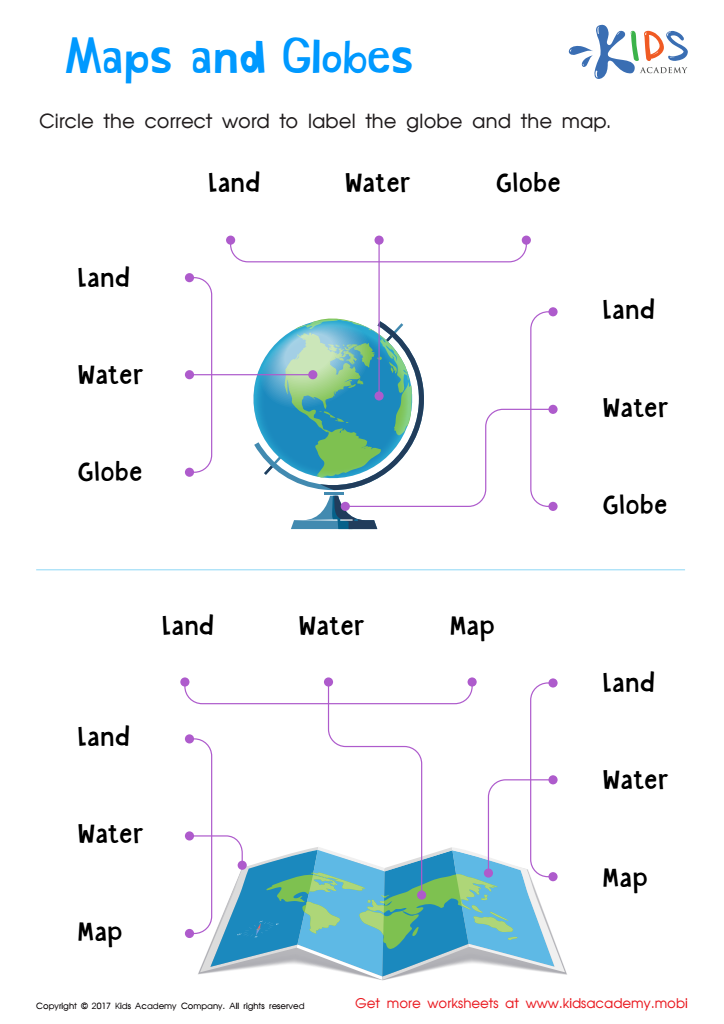
 Assign to My Students
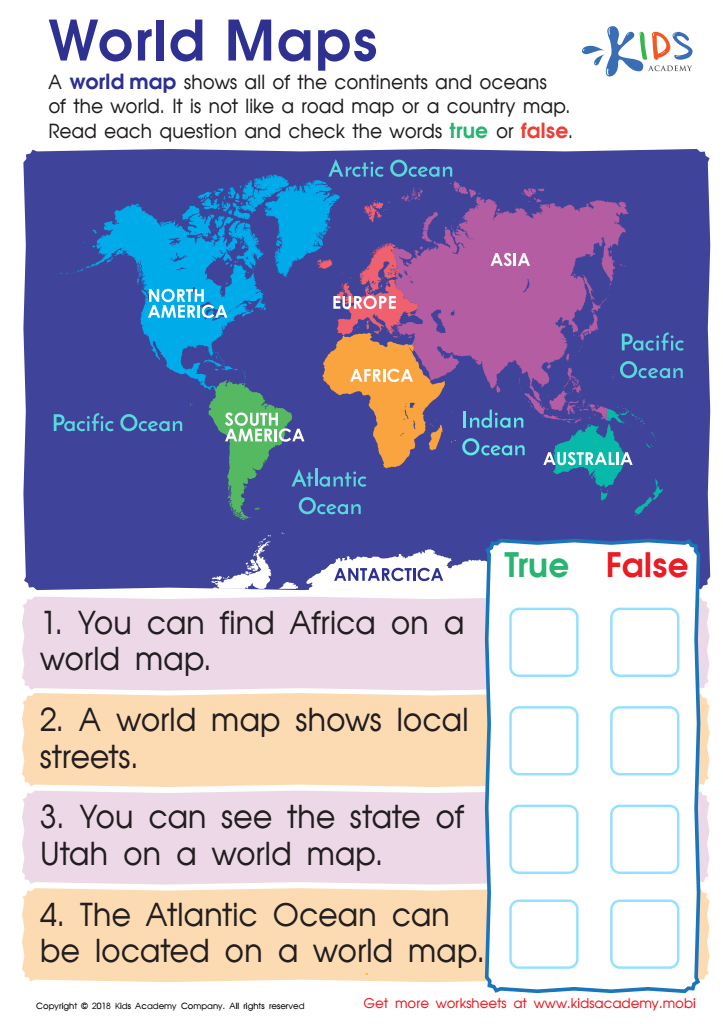
World Maps Worksheet
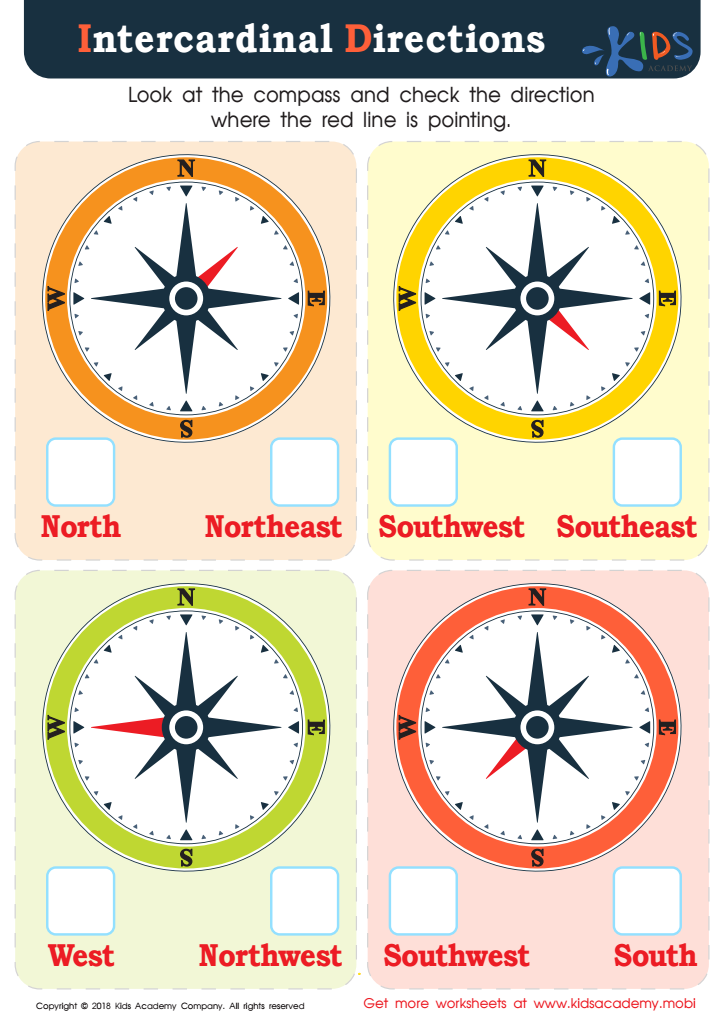
Intercardinal Directions Worksheet


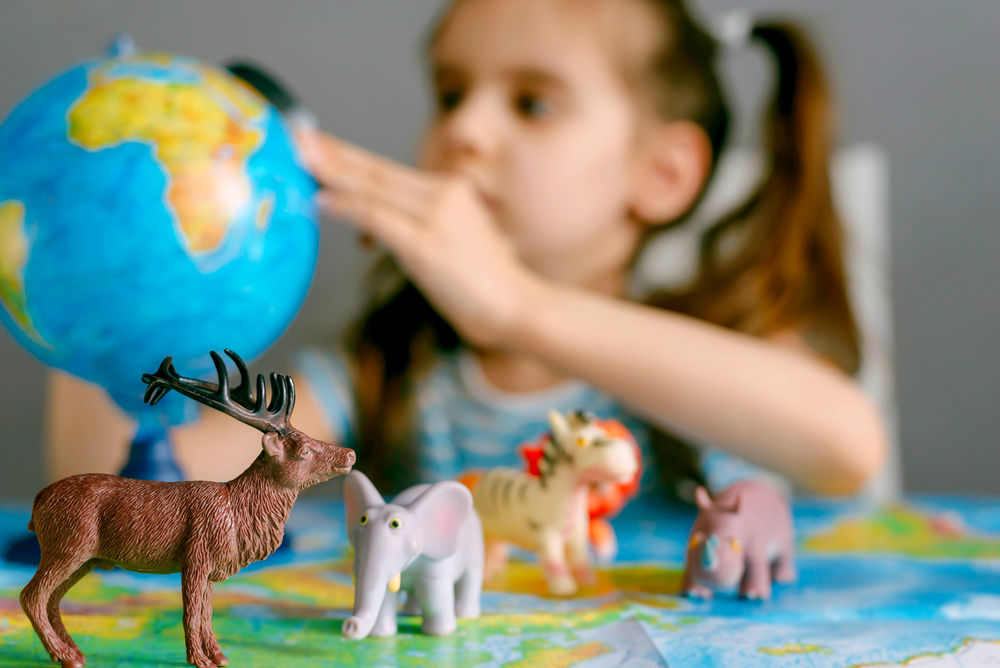




Parents and teachers should care about geography skills for children aged 6-9 because these skills are foundational for broader educational development and understanding of the world. Geography helps young children grasp basic concepts about their environment and its physical and cultural characteristics. Learning about continents, countries, maps, and natural landmarks nurtures curiosity and enhances spatial thinking, which is crucial for subjects like math and science.
At this critical developmental stage, children’s brains are highly receptive to new information. Introducing geography at a young age can improve their memory and cognitive network, assisting in better organization of thoughts and information. Additionally, geography teaching promotes environmental awareness, helping children understand issues such as climate change and resource distribution, thereby instilling a sense of responsibility and stewardship for the planet.
Socially, geography teaches cultural diversity and fosters empathy by exposing children to different ways of life and traditions, crucial in an interconnected world. This aligns with educational goals of producing well-rounded, empathetic individuals. Geography also enhances critical thinking and problem-solving skills, as students learn to analyze why particular places are situated the way they are and consider human-imposed boundaries and interactions.
Ultimately, fostering geography skills at an early age equips children with valuable tools to navigate, appreciate, and contribute to a complex global society.