Analytical thinking History Worksheets for Ages 6-9
3 filtered results
-
From - To
Discover our engaging Analytical Thinking History Worksheets designed specifically for children ages 6-9. These worksheets help young learners develop essential critical thinking skills while exploring historical concepts in a fun and interactive way. Each activity encourages students to analyze information, make connections, and express their thoughts on various historical themes. From identifying cause and effect to comparing historical events, our thoughtfully crafted worksheets inspire curiosity and creativity. Perfect for homeschoolers or classroom settings, these resources foster a love for history while enhancing analytical problem-solving abilities. Start your child's journey into analytical thinking today with our comprehensive, educational materials!
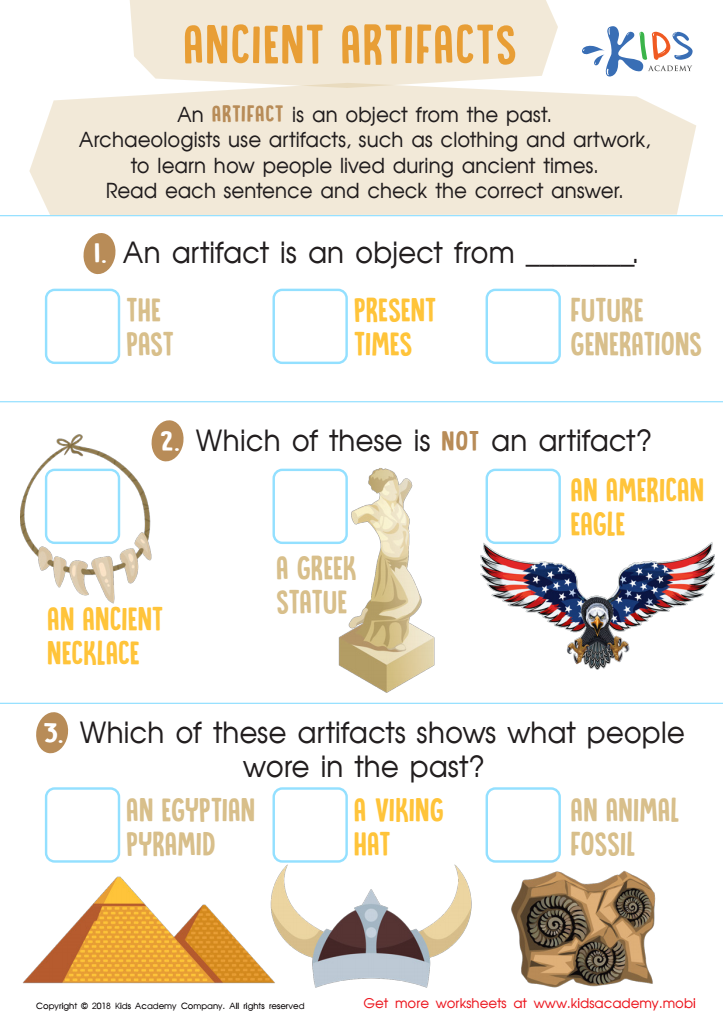
Ancient Artifacts Worksheet
 Assign to My Students
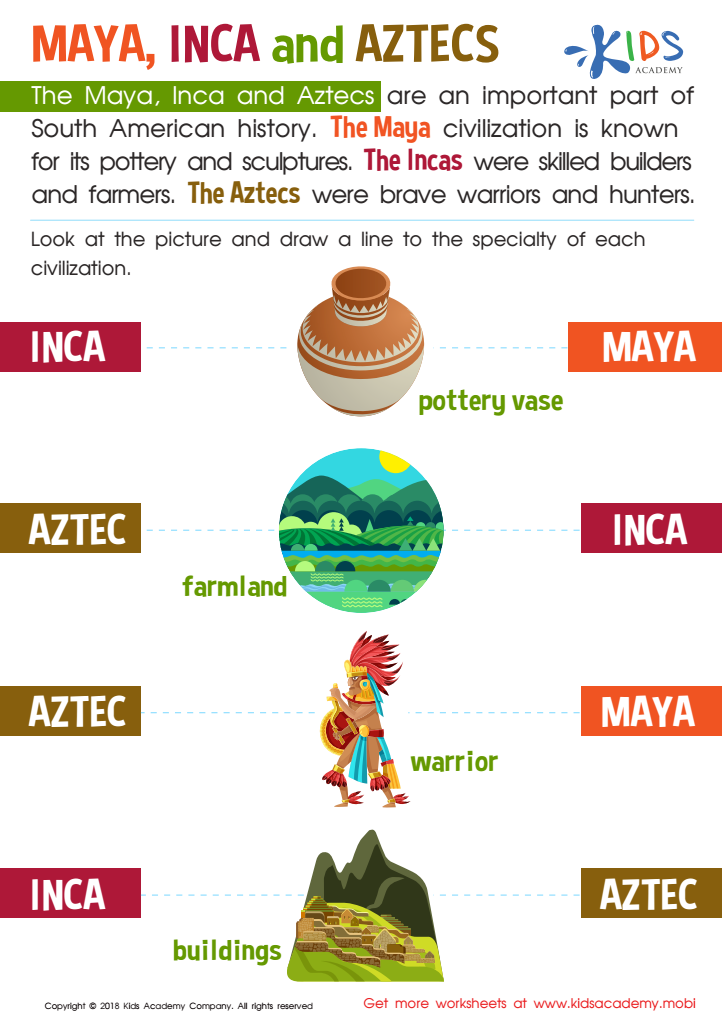
Maya, Inca and Aztecs Worksheet
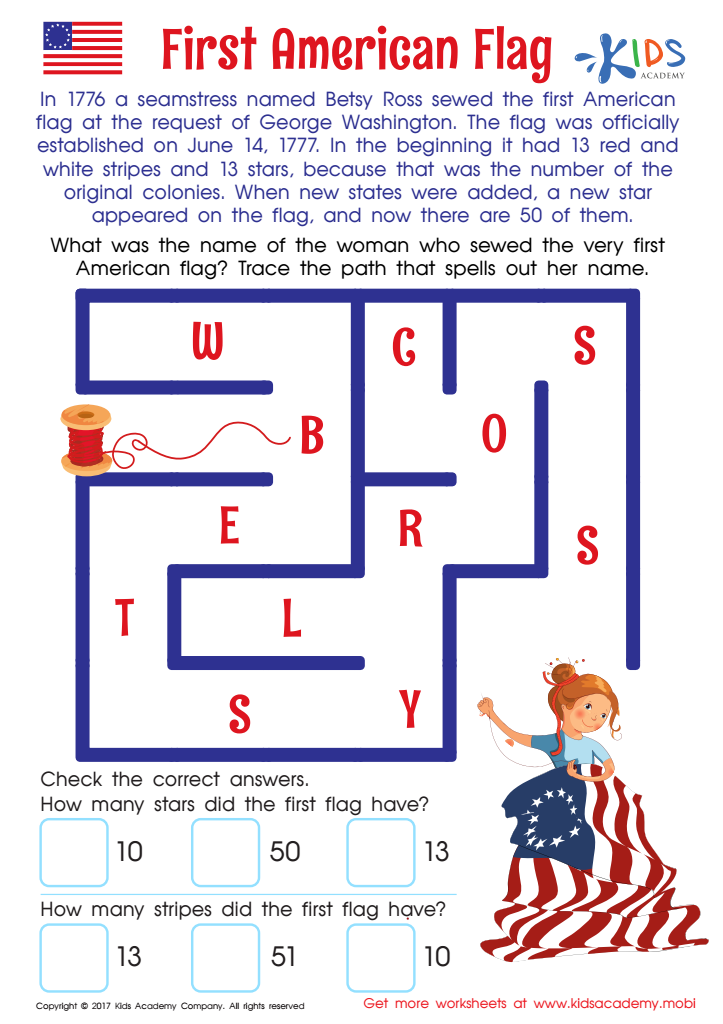
First American Flag Worksheet








Analytical thinking is a crucial skill for children ages 6-9 as it lays the foundation for effective problem solving, decision making, and critical evaluation. Understanding history in an analytical context helps children learn to assess various perspectives, recognize cause-and-effect relationships, and draw conclusions based on evidence. Teaching history through analytical thinking cultivates curiosity and encourages children to ask “why” and “how,” fostering a deeper understanding of their world.
Additionally, analytical thinking enhances reading comprehension and increases engagement with primary and secondary sources, transforming simple memorization into a richer, more nuanced exploration of events and figures. By examining historical narratives, children learn to distinguish between fact and opinion, which is essential in today's information-saturated environment.
Parents and teachers should care about this approach because it nurtures lifelong learners who feel empowered to think independently and question the status quo. Furthermore, these skills are increasingly important in our rapidly changing society, where critical thinking and adaptability are paramount for future success. By embedding analytical thinking in history lessons, educators can equip children with the skills needed not only academically but also for their everyday lives. This holistic development ultimately leads to responsible, informed citizens capable of meaningful contributions to society.








