Following instructions History Worksheets for Ages 6-9
3 filtered results
-
From - To
Empower young learners with our "Following Instructions History Worksheets for Ages 6-9." Designed to blend critical thinking with engaging historical content, these worksheets help children follow directions effectively while exploring key moments from the past. Each activity challenges kids to read, comprehend, and execute instructions, enhancing their comprehension, problem-solving skills, and attention to detail. Perfect for classroom use or homeschool settings, these printable resources ensure a rewarding educational experience. Watch your children’s confidence grow as they master the art of following instructions with historical themes that captivate and educate ages 6 to 9.

Happy Diwali Printable
 Assign to My Students
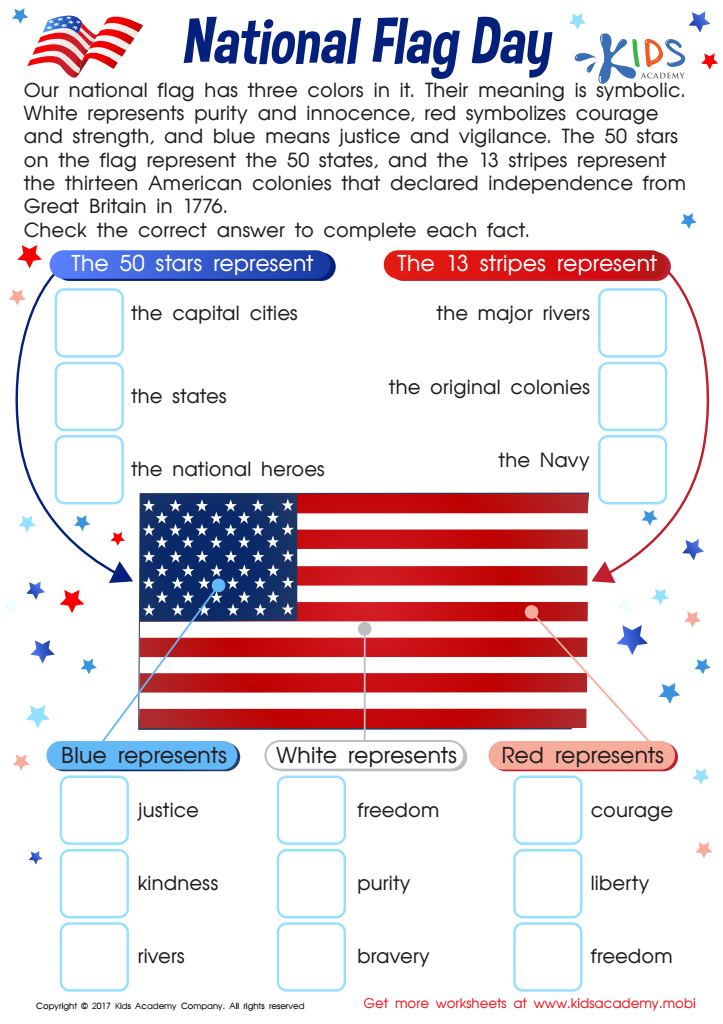
US National Flag Day Worksheet
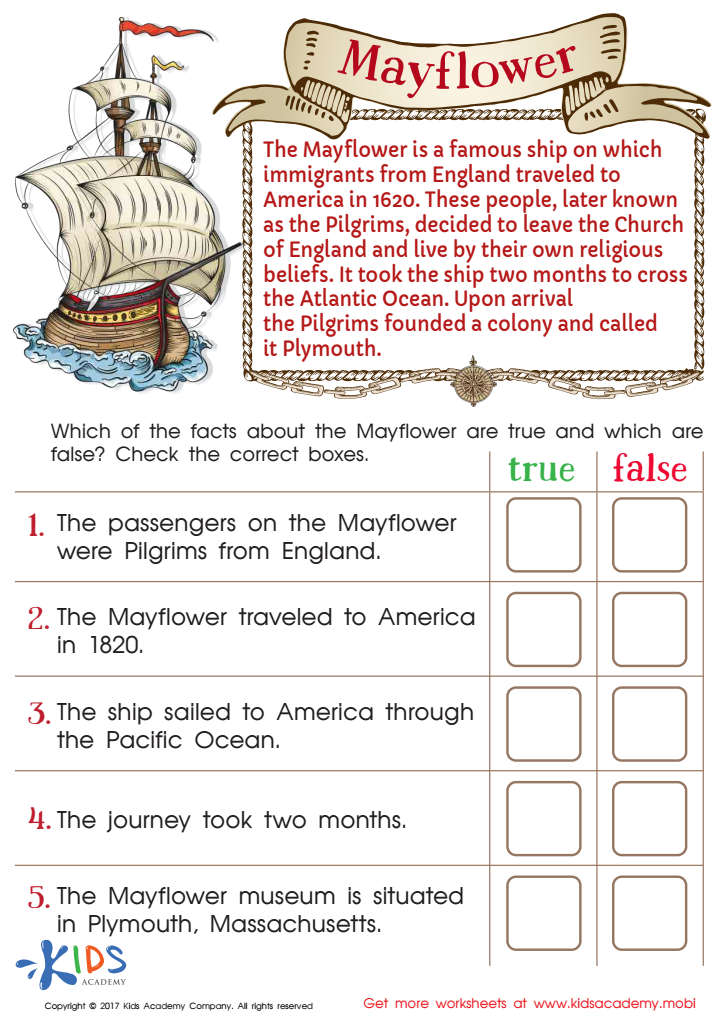
Free Mayflower Worksheet








Following instructions is a vital skill for children aged 6-9, and parents and teachers play a key role in nurturing this ability. This developmental stage is critical for establishing habits that form the foundation for future academic and social success. When children learn to follow instructions, they become more capable of engaging in classroom activities, completing tasks on time, and collaborating effectively with peers.
First, following instructions enhances cognitive development. It requires children to listen actively, process information, and execute tasks accurately, improving their attention span and working memory. These skills are transferable across various subjects, promoting higher academic achievement.
Second, it fosters social and emotional growth. Children gain a sense of responsibility and dependability when they adhere to guidelines. This builds their confidence and encourages independence, qualities that are essential for personal development and self-esteem.
Lastly, teaching children to follow instructions prepares them for real-world scenarios. Daily life is full of directives, from crossing the street safely to participating in team sports. Learning this skill early on instills discipline and ensures children's safety and well-being.
In summary, parents and teachers should prioritize teaching children to follow instructions. The skills they develop during these formative years prepare them not only for the rigors of academic learning but also for navigating the complexities of everyday life.








