Environmental awareness Social Studies Worksheets for Ages 6-9
3 filtered results
-
From - To
Discover our engaging Environmental Awareness Social Studies Worksheets designed for children aged 6-9. These worksheets introduce young learners to fundamental concepts of environmental stewardship, sustainability, and the importance of protecting our planet. Through interactive activities, kids will explore topics like recycling, wildlife conservation, and ecosystems, making learning both fun and impactful. Each worksheet is crafted to enhance critical thinking, boost creativity, and encourage responsible behaviors toward the environment. Perfect for classroom use or at-home learning, our resources empower kids to become informed and proactive guardians of nature. Inspire the next generation of environmental advocates today!
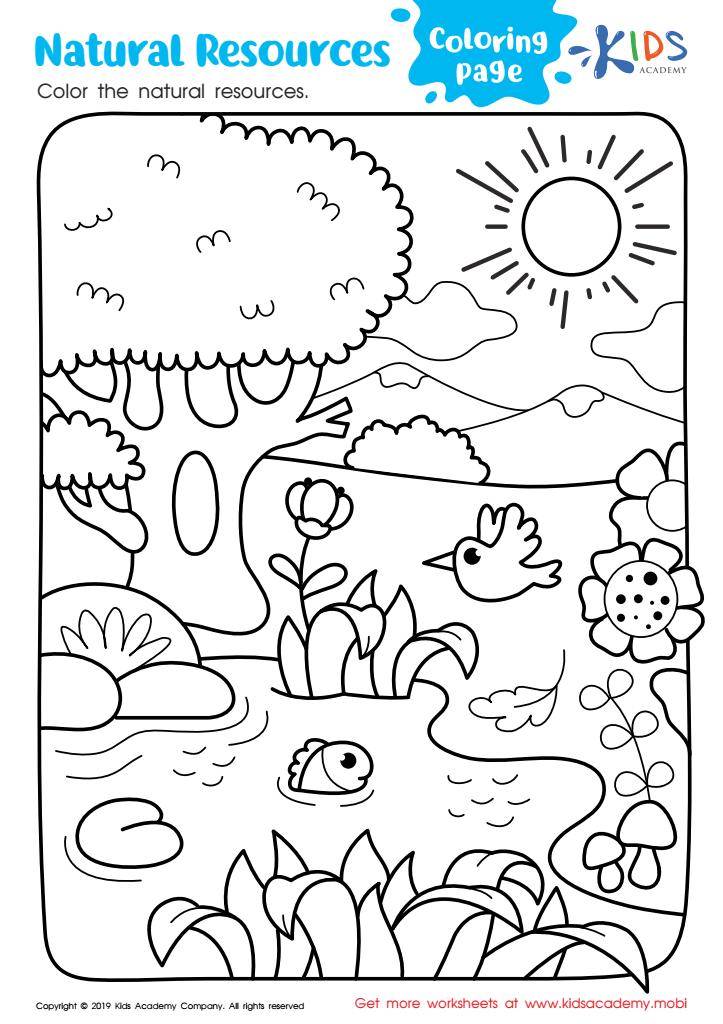
Natural Resources Coloring Page Worksheet
 Assign to My Students
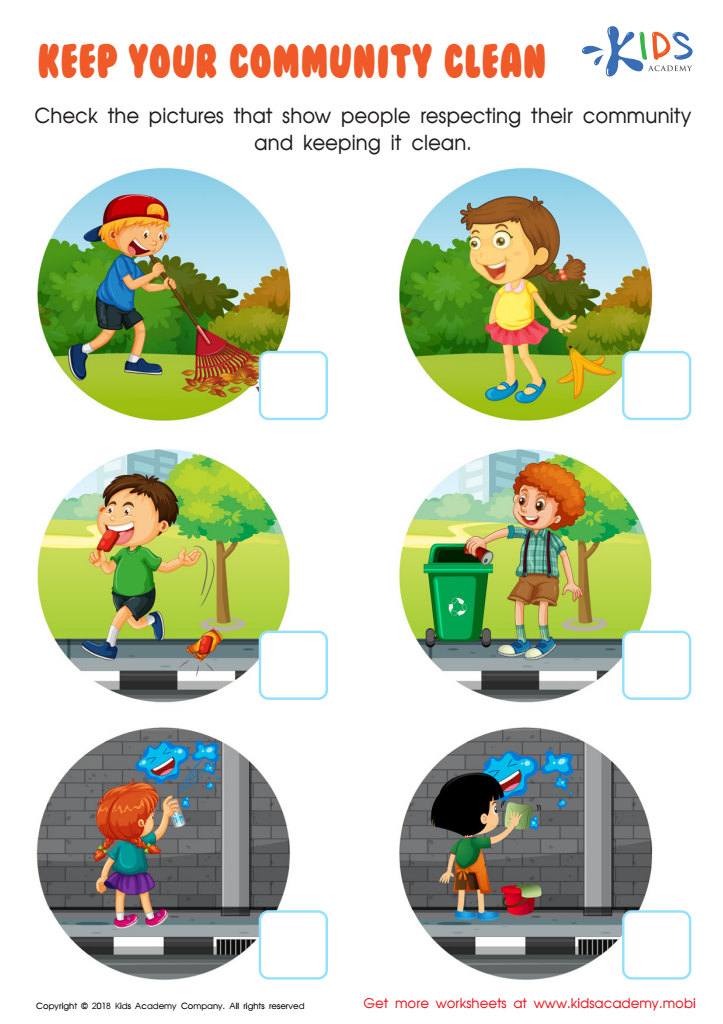
Keep Your Community Clean Worksheet
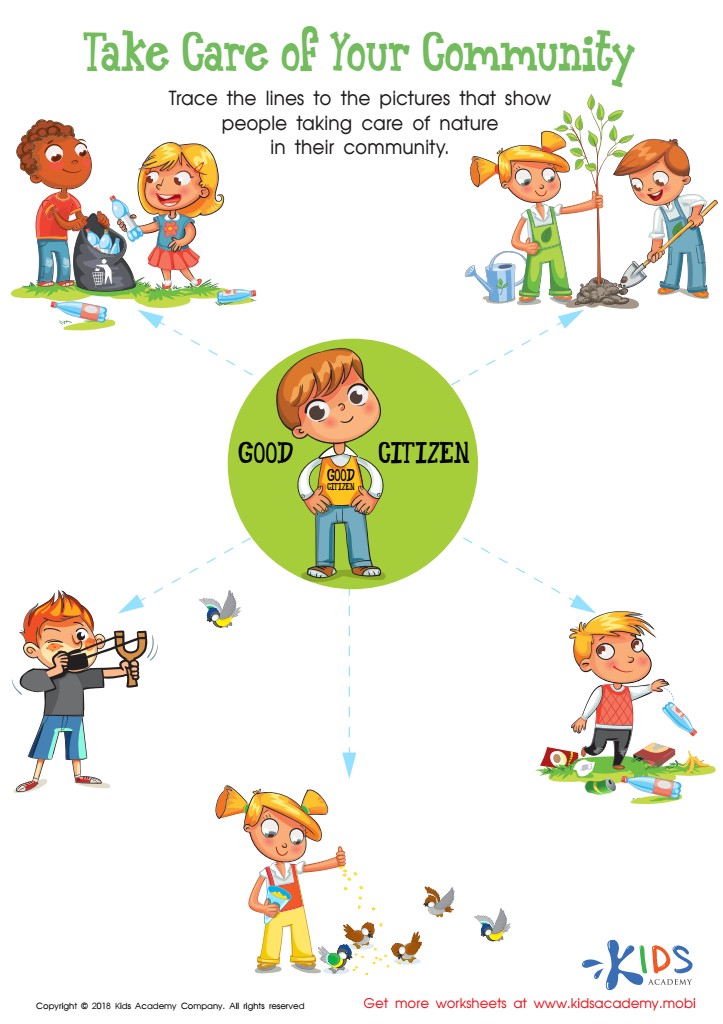
Take Care of your Community Worksheet







Environmental awareness in Social Studies for ages 6-9 is crucial for fostering a new generation of informed and responsible global citizens. At this formative stage, children develop an understanding of their world; teaching them about environmental issues not only imparts knowledge but also instills values of respect and compassion toward nature and all living beings.
By integrating environmental topics into the curriculum, parents and teachers can help children recognize the importance of sustainability, conservation, and biodiversity. Engaging activities like nature walks or recycling projects can make learning interactive, showing young learners the impact of their actions on the environment.
Furthermore, instilling environmental awareness can cultivate critical thinking skills as children begin to ask questions about their surroundings and the implications of human activity. This foundational knowledge empowers them to advocate for environmentally friendly practices in their communities and equips them with the tools to tackle future challenges like climate change.
Ultimately, prioritizing environmental education in early social studies not only enriches children's understanding of their role within the ecosystem but also encourages a lifelong commitment to protecting the planet. Engaging them now helps ensure a healthier, more sustainable world for generations to come.








