Number Recognition Social Studies Worksheets for Ages 6-9
3 filtered results
-
From - To
Introduce your child to the fascinating world of numbers and history with our Number Recognition Social Studies Worksheets for ages 6-9! These thoughtfully crafted worksheets seamlessly blend fundamental math skills with intriguing social studies topics. Perfect for young learners, the activities make learning fun and engaging by featuring colorful visuals and interesting facts. Kids will strengthen their number recognition abilities while exploring different cultures, historical events, and geography. Whether at home or in the classroom, these worksheets provide an excellent resource to nurture curiosity and promote interdisciplinary learning development for early grade students. Start their educational adventure today!
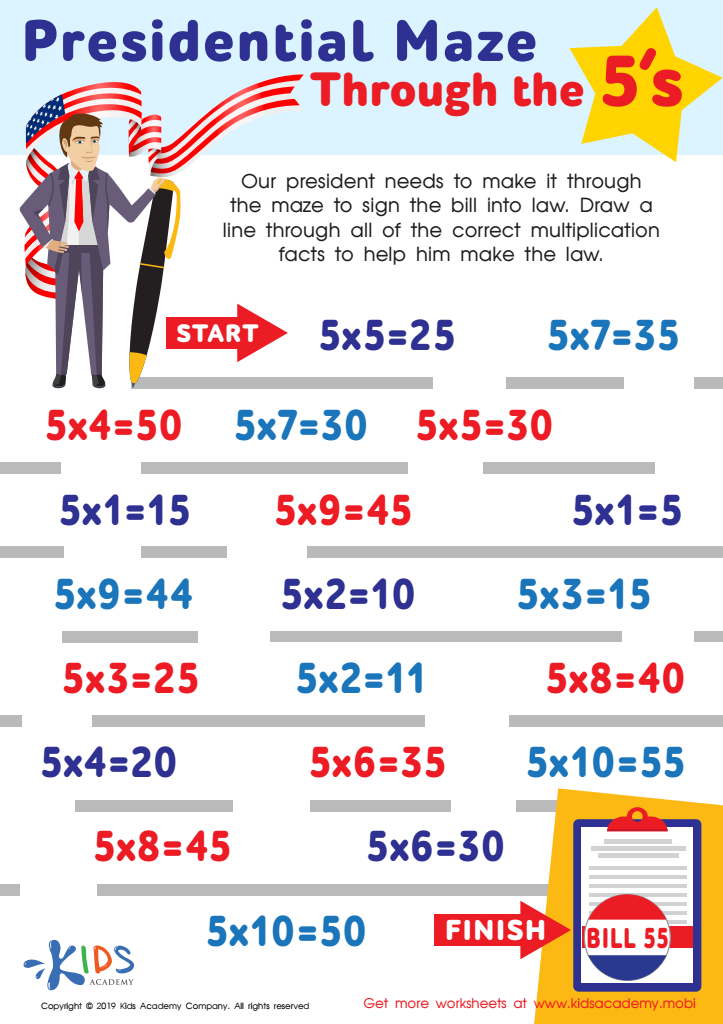
Presidential Maze Through the 5’s Worksheet
 Assign to My Students
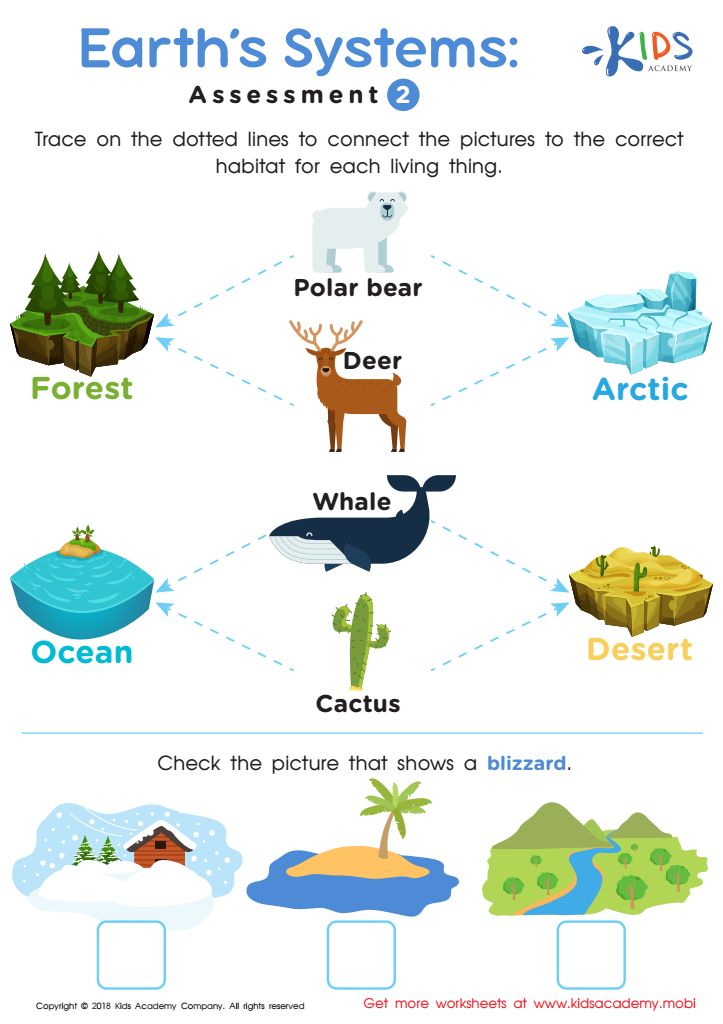
Earth's Systems: Assessment 2
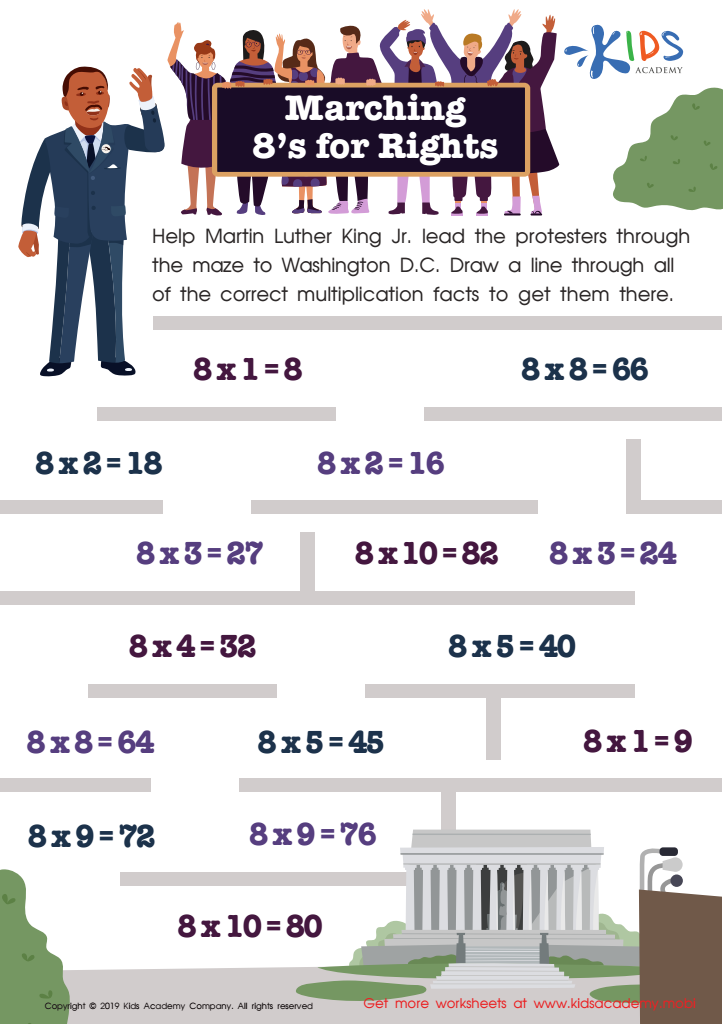
Marching 8’s for Rights Worksheet








Number recognition in social studies for children aged 6-9 serves as a vital intersection between mathematical skills and understanding the world around them. At this developmental stage, children are naturally curious and eager to learn how numbers play a meaningful role in everyday life, fostering both cognitive and social skills.
Firstly, mastering number recognition lays a fundamental groundwork for academic success. It enables children to interpret data, measure distances, understand timelines, and analyze demographic information—all essential components in social studies. For example, understanding population numbers or historical dates helps build a contextual framework, making learning more relatable and engaging.
Secondly, integrating numbers into social studies enhances critical thinking and problem-solving abilities. It encourages children to see patterns, draw conclusions from numerical data, and make informed decisions based on evidence. These skills are invaluable, fostering academic growth and practical decision-making abilities that benefit children throughout their lives.
Finally, when teachers or parents emphasize number recognition within social studies, they offer a holistic, interdisciplinary learning experience. This versatile approach caters to diverse learning styles and supports the development of well-rounded, informed citizens. In an increasingly complex and data-driven world, nurturing these skills from an early age equips children with the knowledge and confidence to explore, understand, and engage with their communities and the world effectively.








