Grammar comprehension Writing Worksheets for Ages 6-9
3 filtered results
-
From - To
Unlock your child’s potential with our engaging Grammar Comprehension Writing Worksheets, designed specifically for ages 6-9! These worksheets provide fun and interactive activities that help young learners master essential grammar concepts such as sentence structure, punctuation, and parts of speech. Each worksheet encourages critical thinking and creativity, fostering a love for writing and language. From fill-in-the-blank exercises to creative writing prompts, our resources are perfect for both home and classroom use. Enhance your child's writing skills while building their confidence in grammar comprehension. Print, play, and watch as your child grows into a proficient writer with our delightful worksheets!
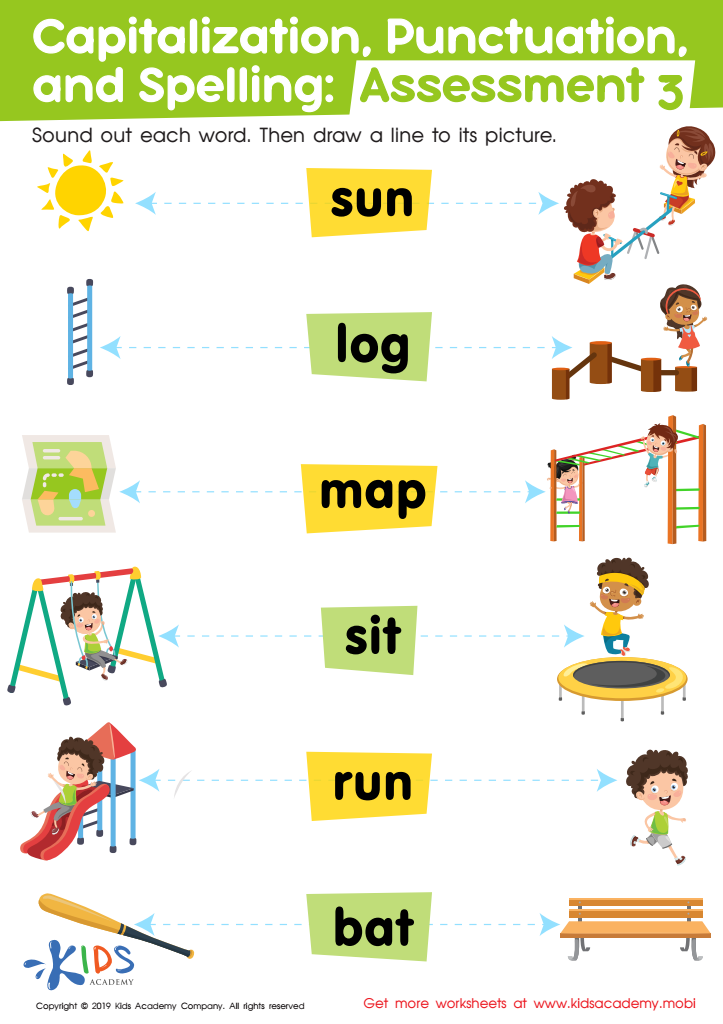
Capitalization. Punctuation. Spelling. Assessment 3 Worksheet
 Assign to My Students
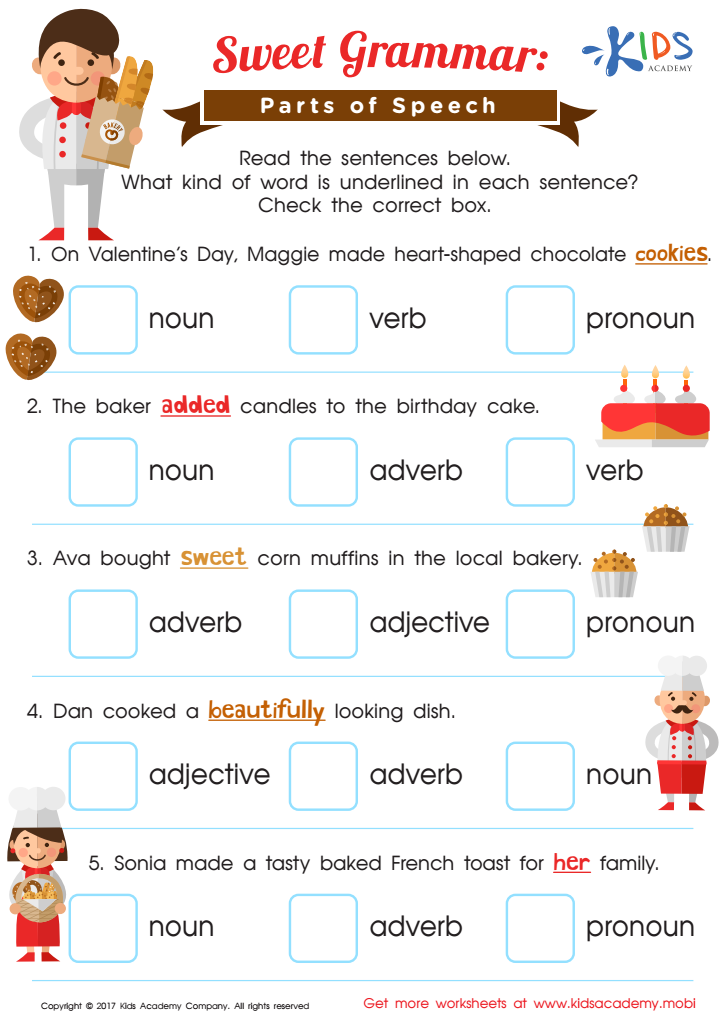
Parts of Speech Worksheet
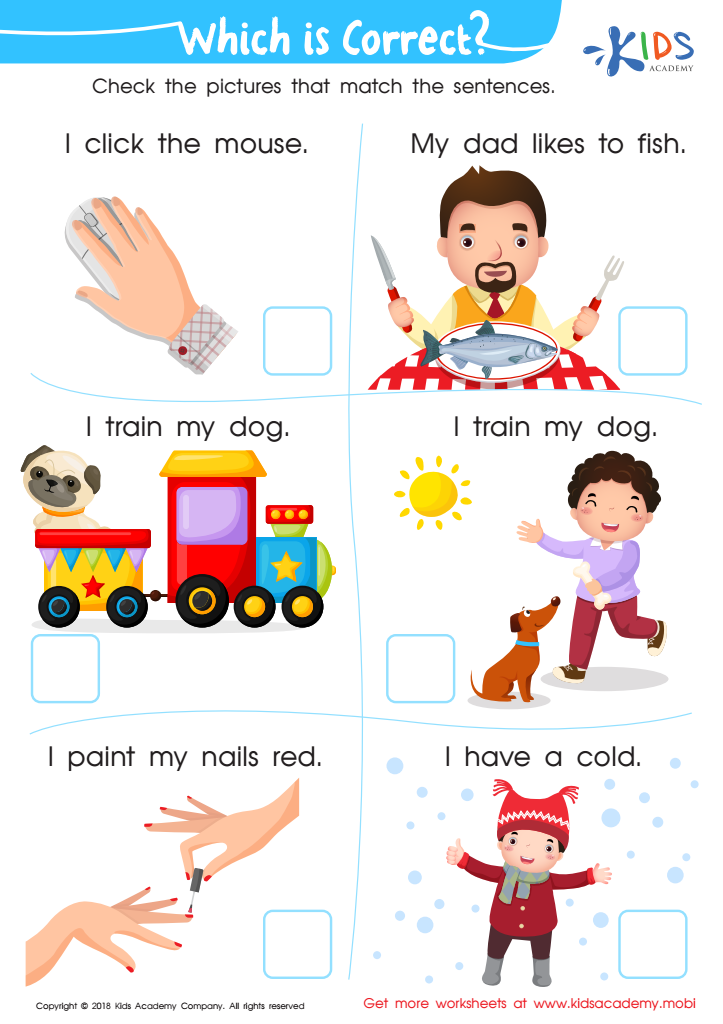
Which Is Correct? Worksheet





Grammar comprehension and writing are essential skills for children aged 6-9, as they lay the foundation for effective communication. During these formative years, children learn to express their thoughts and ideas clearly. Understanding grammar helps them construct coherent sentences, which enhances their writing and verbal communication skills. This understanding not only boosts their academic performance but also builds their confidence, enabling them to express themselves more freely in various contexts.
Parents and teachers play crucial roles in fostering these skills. By prioritizing grammar comprehension, they help children develop critical thinking skills, as they learn to analyze and interpret language structure. This foundational knowledge becomes vital as students progress in education, impacting their ability to read, comprehend, and engage with more complex texts.
Moreover, strong writing skills are increasingly essential in today's digital world. Teaching children the basics of grammar and effective writing equips them to participate in online communication, creating a strong voice in social platforms and academic projects. Ultimately, a solid grasp of grammar helps children articulate their ideas clearly and persuasively, which is vital for their personal and academic success in future endeavors. Thus, nurturing these skills should be a priority for both parents and teachers.








