Phonics practice Consonants Worksheets for 6-Year-Olds
5 filtered results
-
From - To
Enhance your child's early reading skills with our Phonics Practice Consonants Worksheets for 6-Year-Olds. These engaging worksheets are designed to help young learners recognize and pronounce consonant sounds, fostering a strong foundation in phonics. Each activity combines fun illustrations with effective exercises, ensuring your child stays motivated and enjoys the learning process. Perfect for both classroom and at-home use, these worksheets encourage independent practice while strengthening essential reading skills. Give your child the tools they need to become confident readers with our expertly crafted phonics worksheets. Visit Kids Academy for a comprehensive range of educational resources.
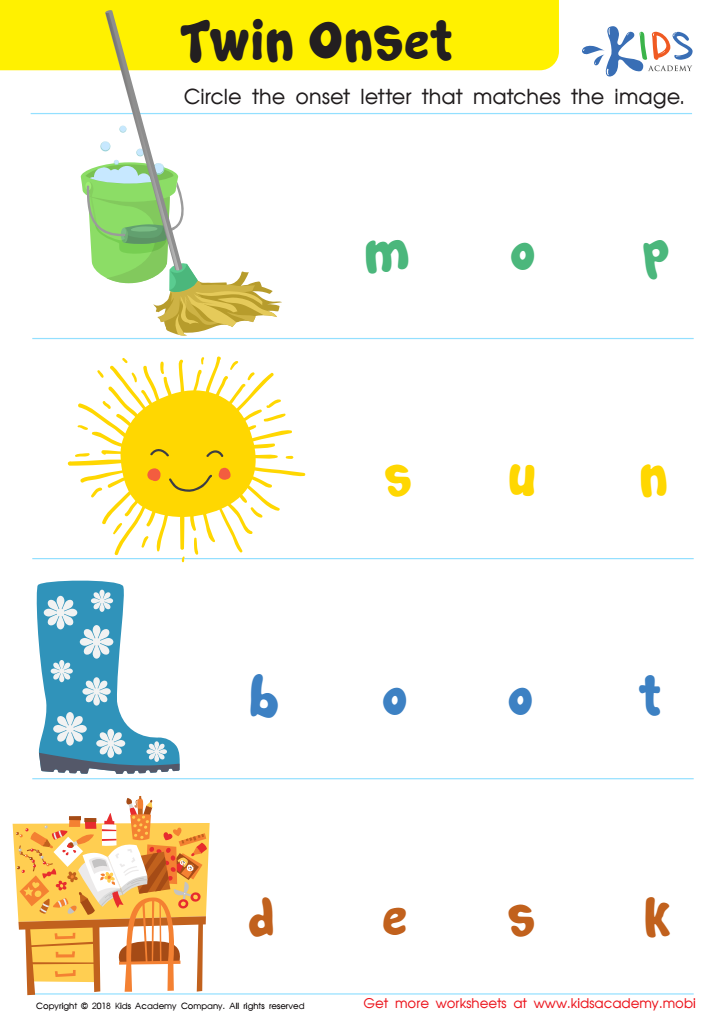
Twin Onset Worksheet
 Assign to My Students
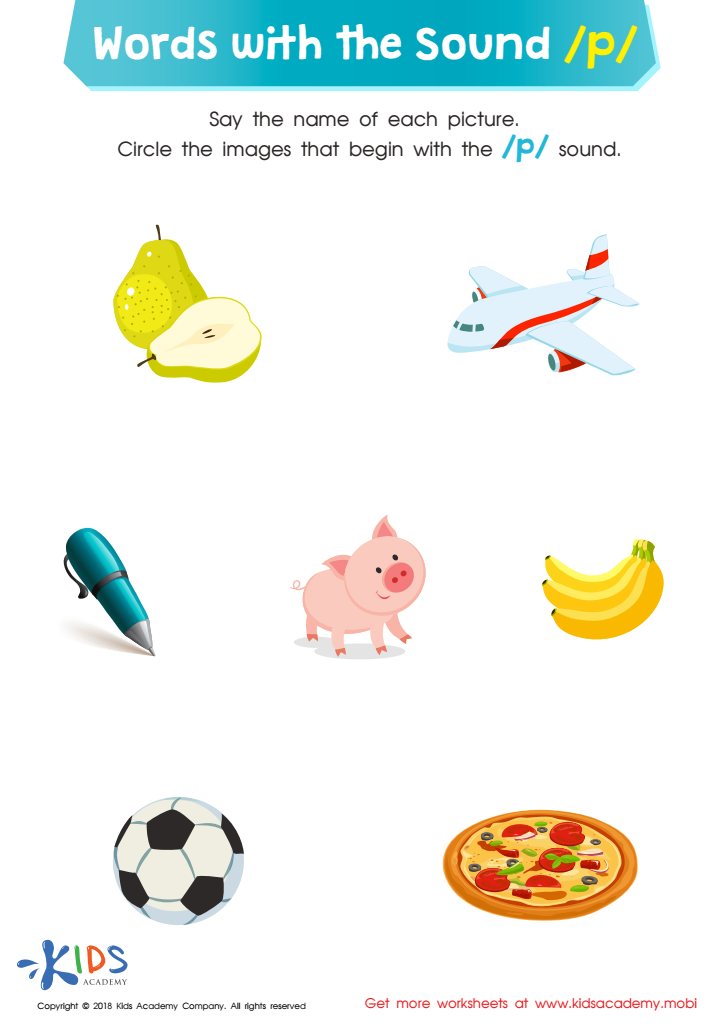
Words with sound p Reading Worksheet
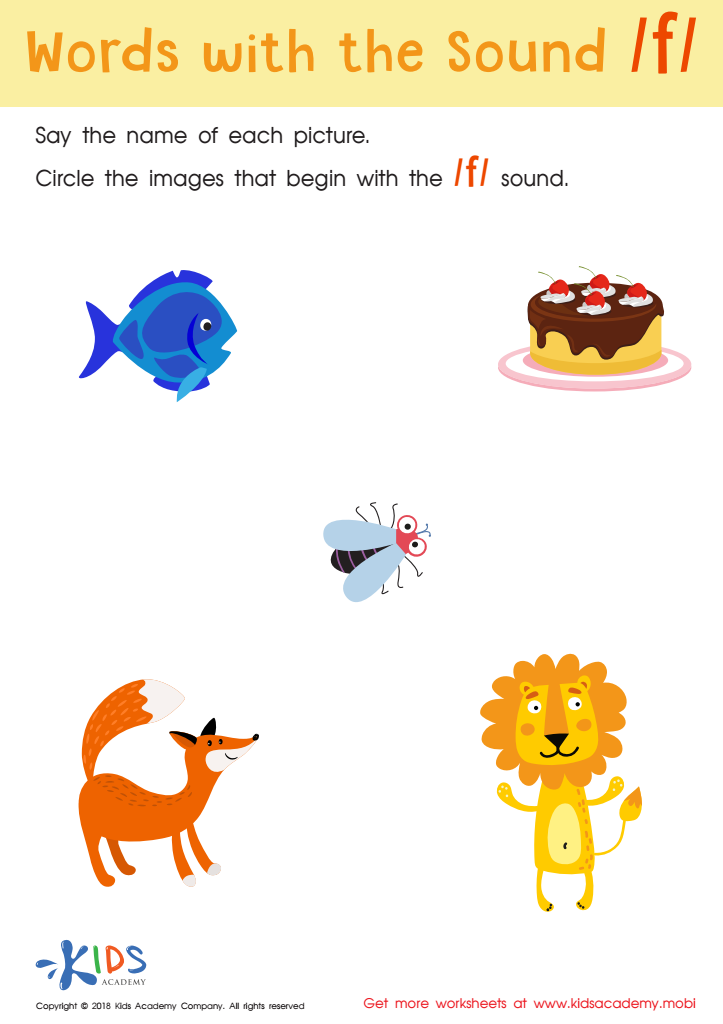
Words with sound f Reading Worksheet
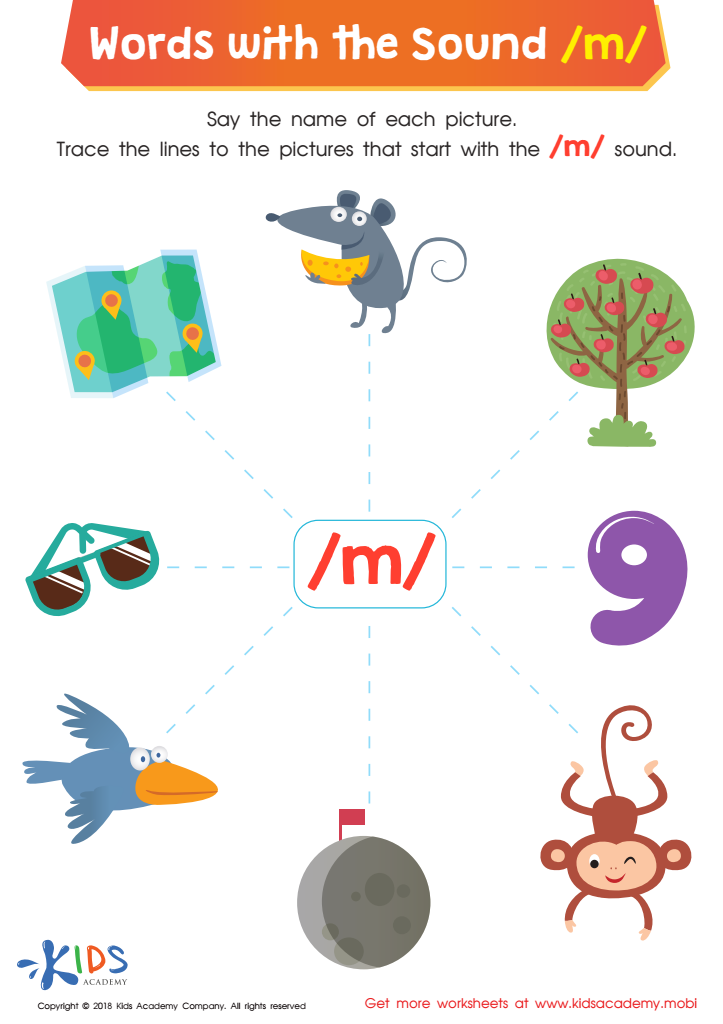
Words with Sound M Reading Worksheet
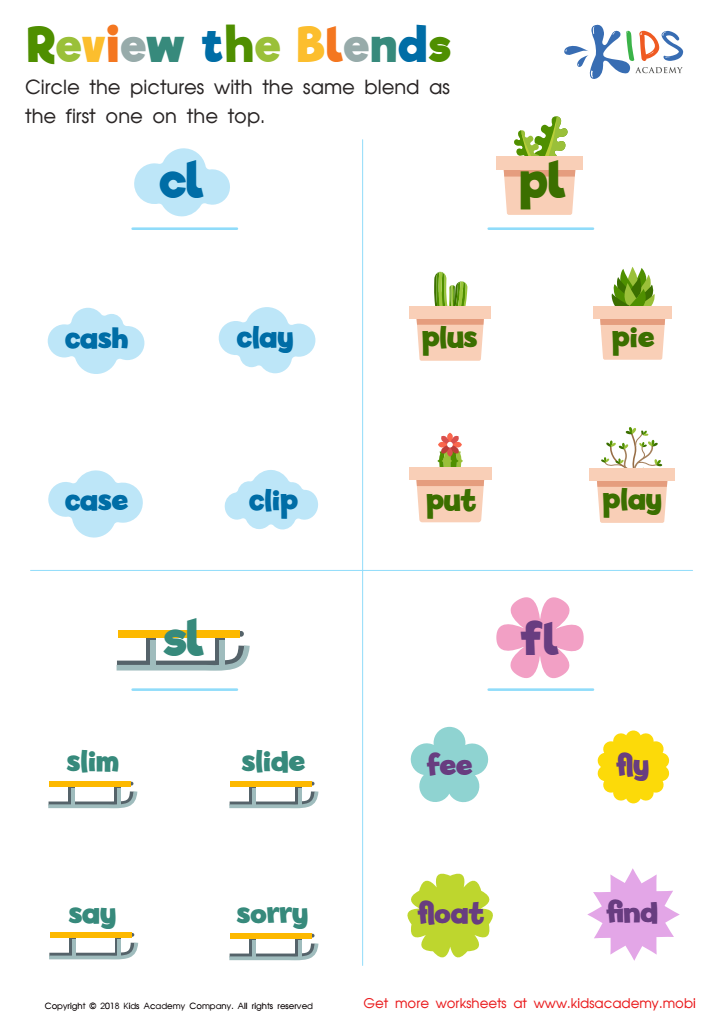
Review the Blends Worksheet



Phonics practice, especially with consonants, is a crucial foundation for 6-year-olds as they embark on their journey of reading and writing. At this age, children are beginning to recognize and differentiate various sounds in spoken language, and understanding consonants is a key part of this process.
Consonants are the building blocks of most words, serving as essential components for word formation and sentence structure. When children practice consonant sounds, they develop the ability to decode words, which directly enhances their reading fluency and comprehension skills. Phonics instruction helps children recognize the connection between letters and their respective sounds, facilitating smoother transitions from identifying individual letters to blending them into readable words.
Moreover, phonics practice supports spelling and vocabulary development. By mastering consonant sounds, children can better predict how words are spelled and begin to self-correct more effectively. This proficiency is not just about academic achievement; it fosters confidence and a love for reading, which are vital for lifelong learning.
Parents and teachers play a pivotal role in this developmental stage by providing consistent, engaging, and supportive phonics practice. Their involvement can spark curiosity, establish strong literacy foundations, and encourage cognitive development, ensuring children are well-prepared for future educational challenges.







