
Reading comprehension Elementary Phonics Worksheets for 6-Year-Olds
5 filtered results
Difficulty Level
Grade
Age
-
From - To
Subject
Activity
Standards
Discover our engaging Reading Comprehension Elementary Phonics Worksheets designed specifically for 6-year-olds! At Kids Academy, we focus on building strong reading foundations with fun and interactive phonics activities. Our worksheets help young learners develop essential skills like letter recognition, sound matching, and word formation. Perfect for classroom use or home practice, each worksheet is crafted to enhance reading fluency and comprehension through exciting exercises. Equip your child with the tools they need to become confident readers. Join us in making learning a joyful experience for your little ones with these invaluable educational resources!
Favorites
With answer key
Interactive
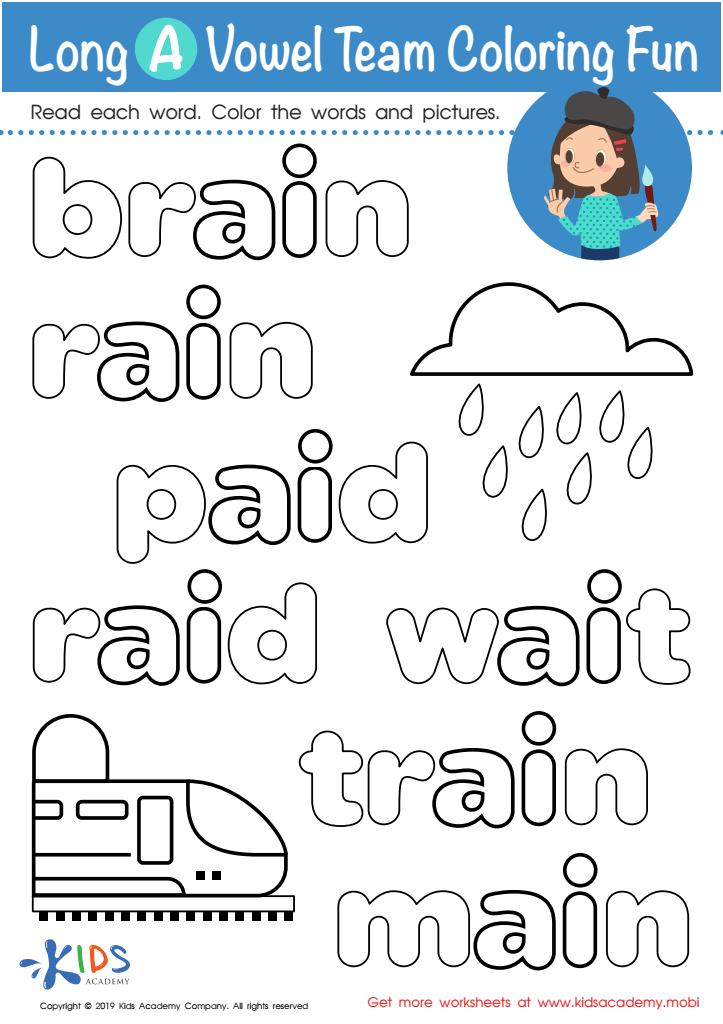
Long A Vowel Team Coloring Fun Worksheet
Divide your class into teams, give each a printout, then have them read aloud words with a long "A" sound (e.g. brain, paid). As they listen, let them reinforce this lesson by coloring in the words and pictures. Make phonics fun and interactive with this great coloring page!
Download (PDF)
 Assign to My Students
Assign to My Students
Long A Vowel Team Coloring Fun Worksheet
Worksheet
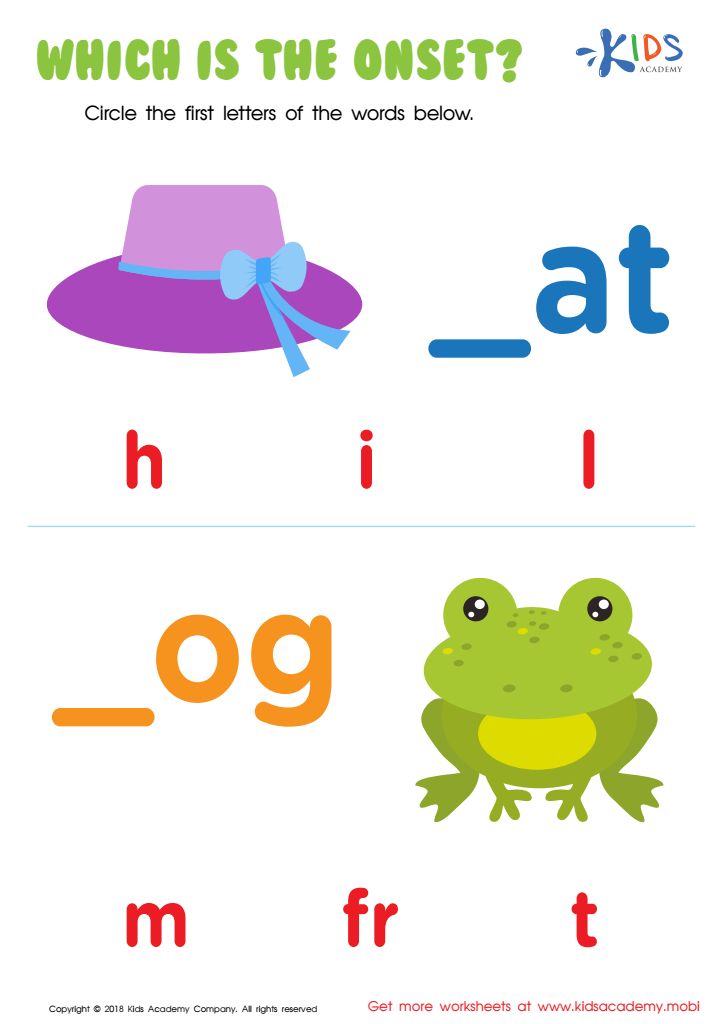
Which Is the Onset? Worksheet
Help your children learn to spell with this bright, fun worksheet. Struggling with spelling small words can make reading and writing sentences difficult. Encourage them to look at the pictures, say the names aloud and circle the correct first letter from the options. They will soon overcome any reluctance to spell.
Which Is the Onset? Worksheet
Worksheet
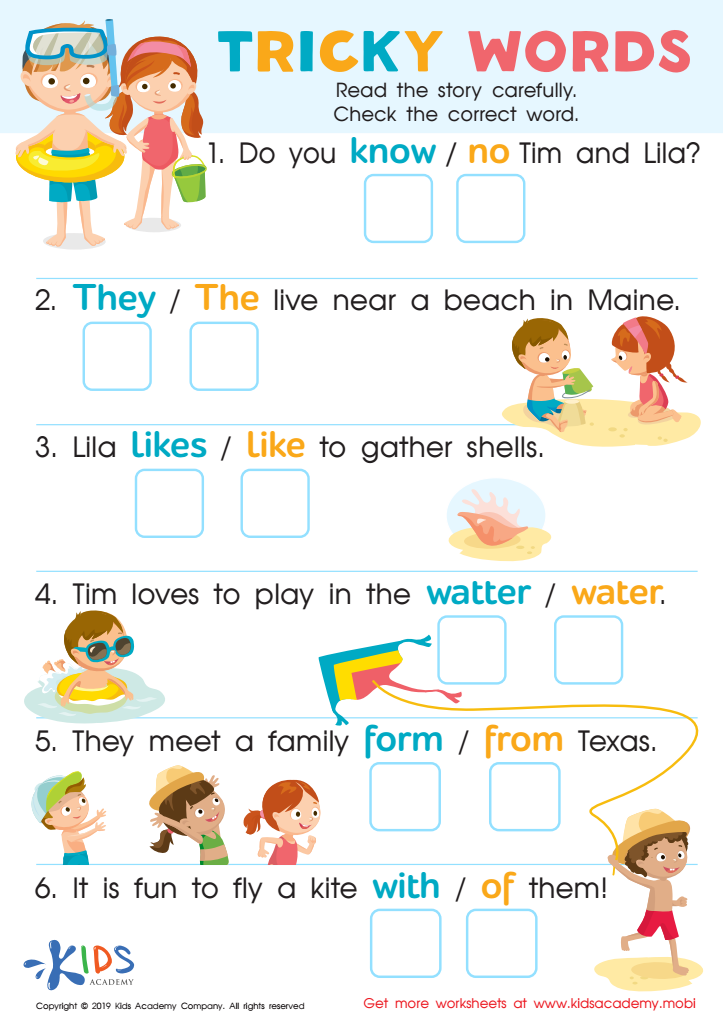
Tricky Words Worksheet
Reading can be tricky to start with, but this worksheet helps kids learn the basics of editing and strengthens their attention to detail. They'll select the right word from tricky choices, improving their reading and grammar skills.
Tricky Words Worksheet
Worksheet
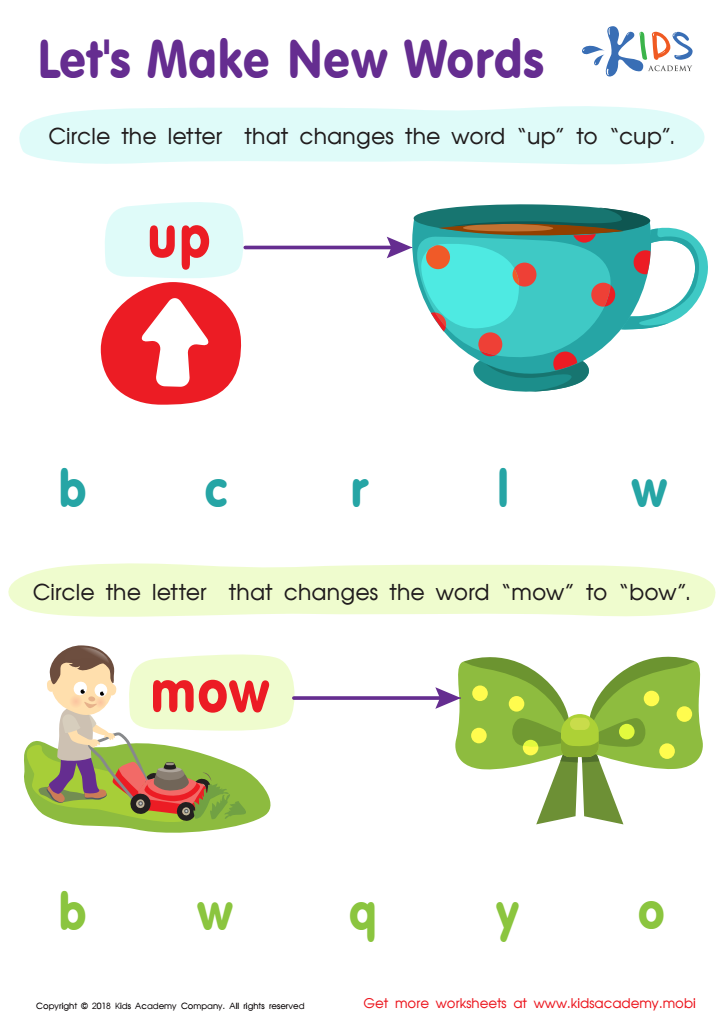
Let's Make New Words Worksheet
This fun and colorful downloadable worksheet is perfect for helping young readers to build confidence and practice their skills. They'll circle the letters to magically make new words, while developing fine motor skills. It'll be so much fun, they won't even realize they're honing their reading skills!
Let's Make New Words Worksheet
Worksheet
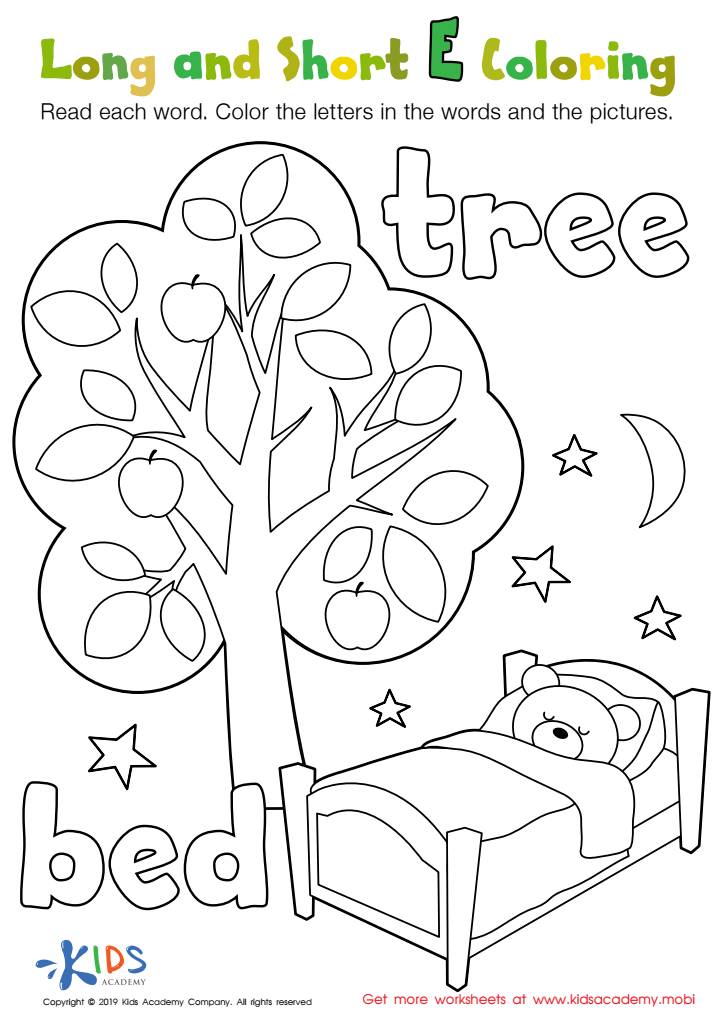
Long and Short E Worksheet
This fun printout makes learning phonics enjoyable for Grade 3 students. Get them to read the words “tree” and “bed” to recognize the different sounds of the letter “E”. After hearing the words they can color the words and the pictures to understand differences between long and short vowels.
Download (PDF)
Assign to My Students
Assign to My Students
Long and Short E Worksheet
Worksheet
Join Kids Academy for Free
Who is primarily going to use this learning content?




Reading comprehension and elementary phonics are foundational skills crucial for 6-year-olds because they set the stage for lifelong learning and academic success. At this age, children are in a prime developmental window for acquiring language and literacy skills, which directly influences their ability to understand and engage with the world around them.
Reading comprehension involves not just decoding words, but also understanding and interpreting what is read. Strong reading comprehension skills allow children to grasp key concepts, follow instructions, and build vocabulary, which enhances their overall cognitive development. Without these skills, children may struggle academically and lose confidence in their abilities.
Elementary phonics, on the other hand, teaches children the relationships between letters and sounds. This systematic approach to reading enables children to decode new words independently, fostering a sense of autonomy and problem-solving skills. Phonics helps in bridging the gap between spoken and written language, essential for accurate reading and spelling.
By prioritizing reading comprehension and phonics, parents and teachers equip children with tools that extend beyond the classroom. These skills are critical for understanding other subjects, sharing ideas effectively, and enjoying a lifetime of reading. Therefore, investing time and resources into these areas during early education can yield significant long-term benefits for children’s academic and personal growth.







