Motor skills development Alphabet Worksheets for 6-Year-Olds
5 filtered results
-
From - To
Discover our engaging Motor Skills Development Alphabet Worksheets designed specifically for 6-year-olds! These interactive worksheets combine letter recognition with fun, hands-on activities that promote fine motor skills. Your child will joyfully trace, color, and practice writing each letter, enhancing their handwriting and coordination. Ideal for classroom use or at-home learning, these worksheets support cognitive growth while keeping children entertained. Each sheet is crafted to align with early education benchmarks, ensuring a tailored learning experience that fosters both literacy and motor skill mastery. Unlock your child's potential today with our colorful and engaging alphabet worksheets! Perfect for young learners to excel!
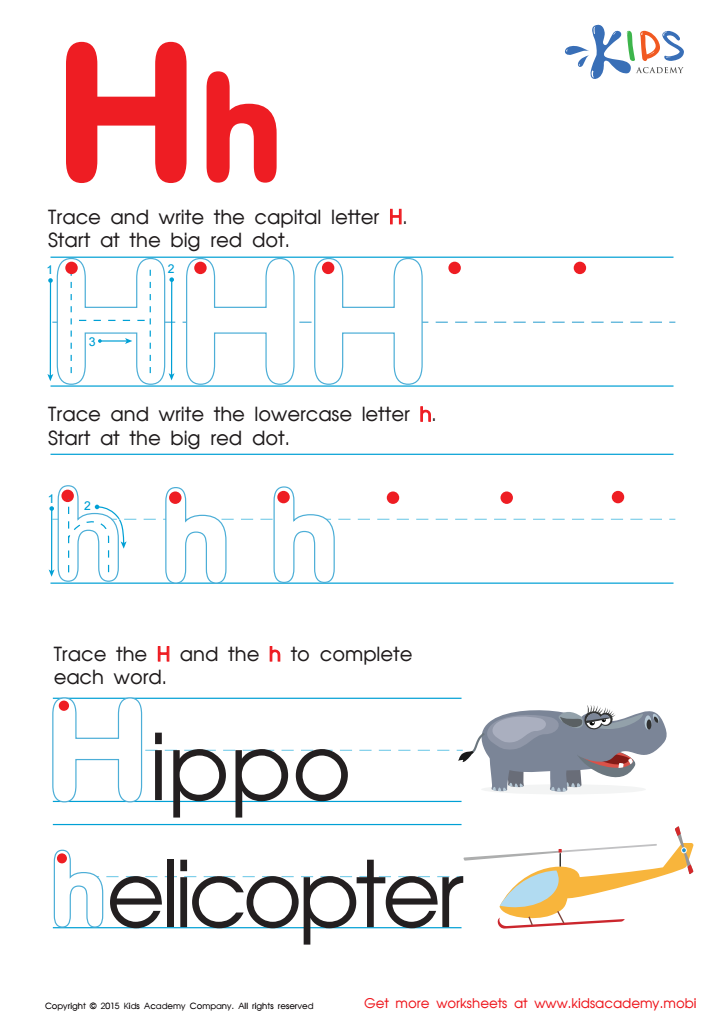
Letter H Tracing Page
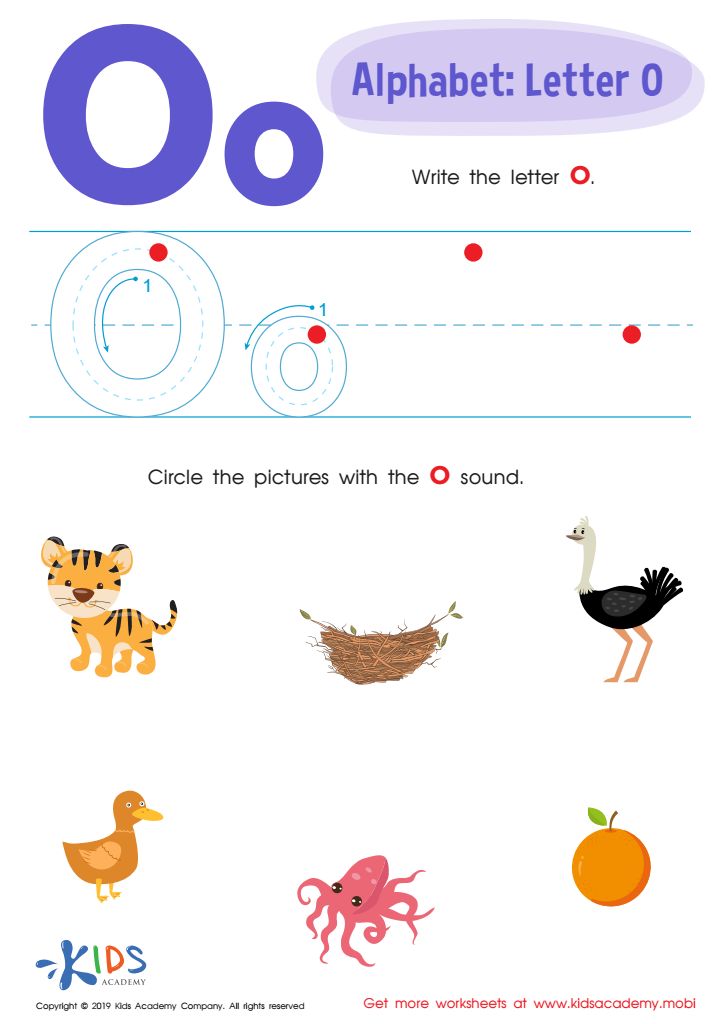
Letter O Tracing Worksheet
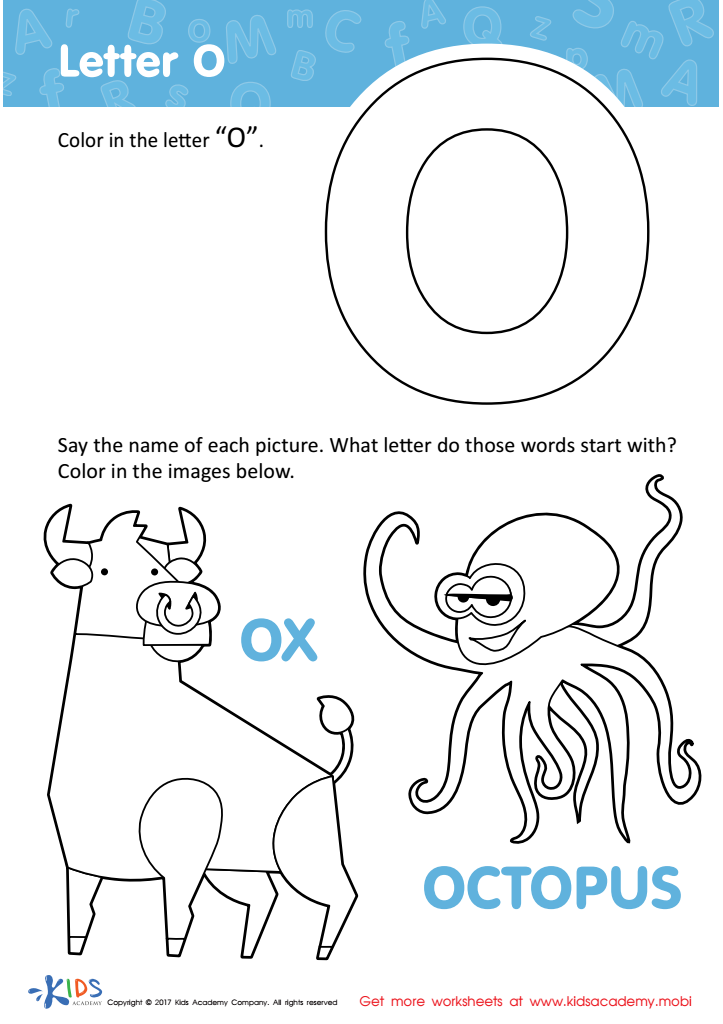
Letter O Coloring Sheet
 Assign to My Students
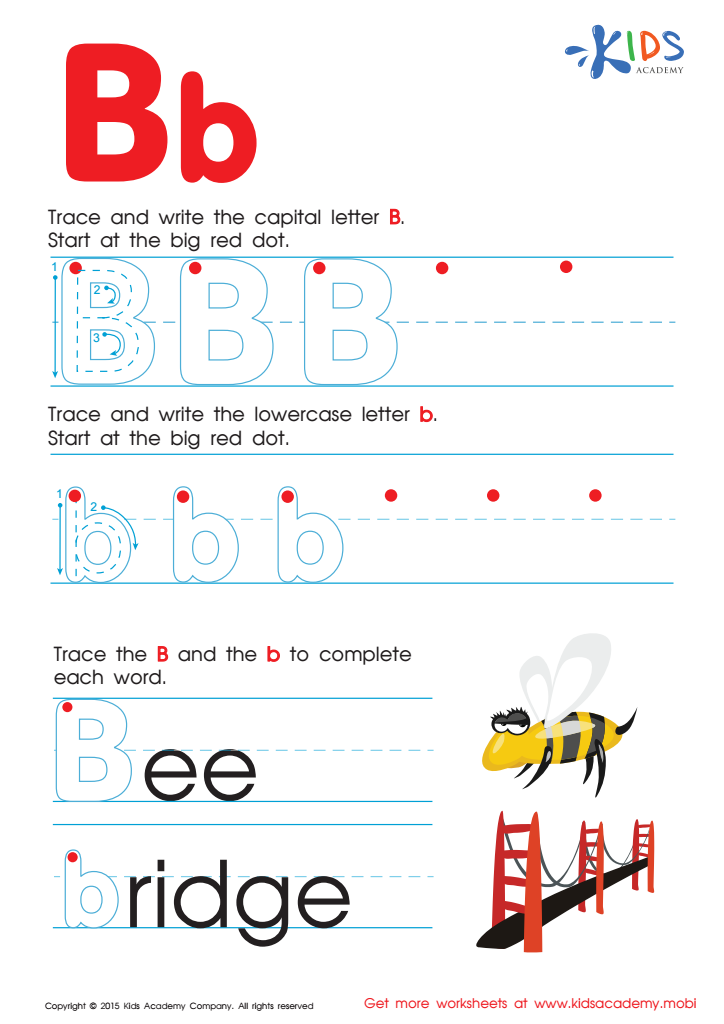
Letter B Tracing Page
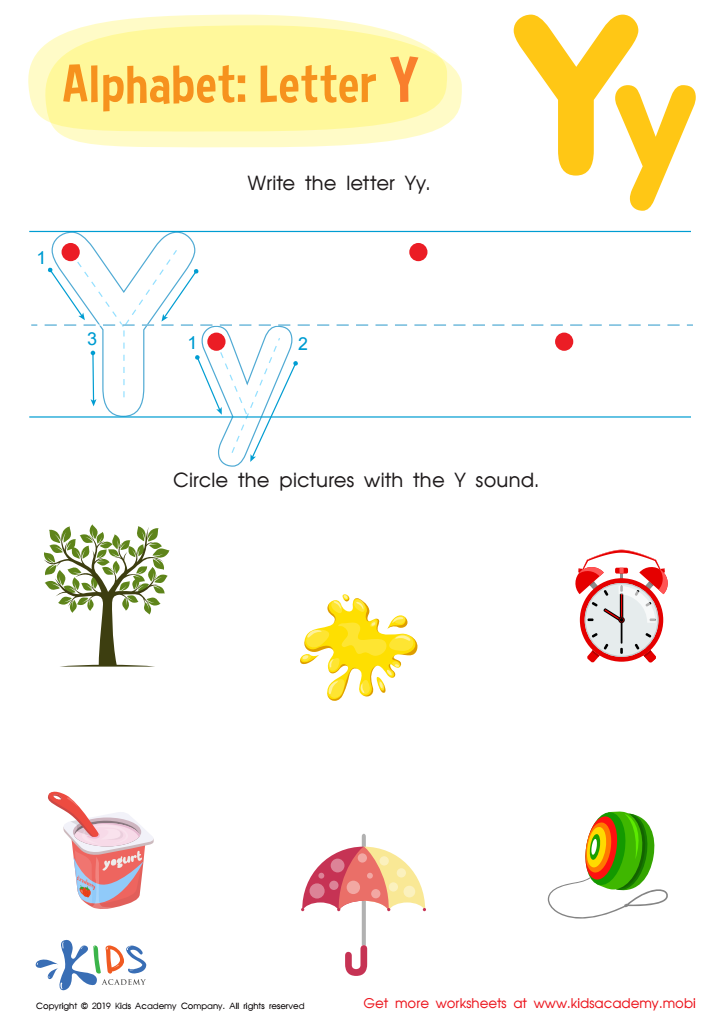
Letter Y Tracing Worksheet








Motor skills development is crucial for 6-year-olds as it lays the foundation for their overall growth, learning, and daily functioning. At this age, children are engaged in various physical activities in school and at home, and refined motor skills enhance their ability to participate effectively. Fine motor skills, such as gripping a pencil or using scissors, are vital for academic tasks, like writing and art. Conversely, gross motor skills—running, jumping, and coordination—enable children to engage in play and sports, fostering social interaction and teamwork.
Parents and teachers should care about motor skills development because it directly impacts a child's self-esteem, confidence, and willingness to learn. Children who struggle with motor skills may face challenges in the classroom, which can hinder their educational progress and lead to frustration. Additionally, strong motor skills are linked to better academic performance; children who can write neatly and coordinate their movements often excel in school activities.
Encouraging motor skills development through play, arts and crafts, and physical activities can also combat sedentary lifestyles that are increasingly common today. By supporting this essential area of development, parents and teachers help children build a robust foundation for their future, promoting both physical and cognitive well-being.







