Handwriting practice Letter Recognition Worksheets for 6-Year-Olds - Page 2
39 filtered results
-
From - To
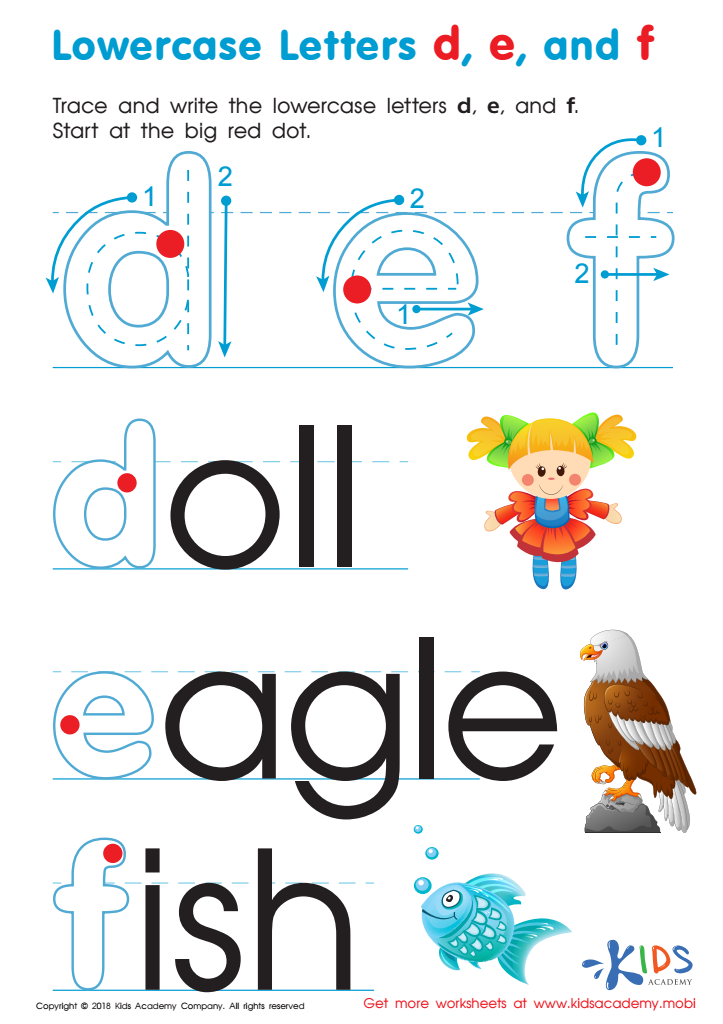
Lowercase Letters d e f Worksheet
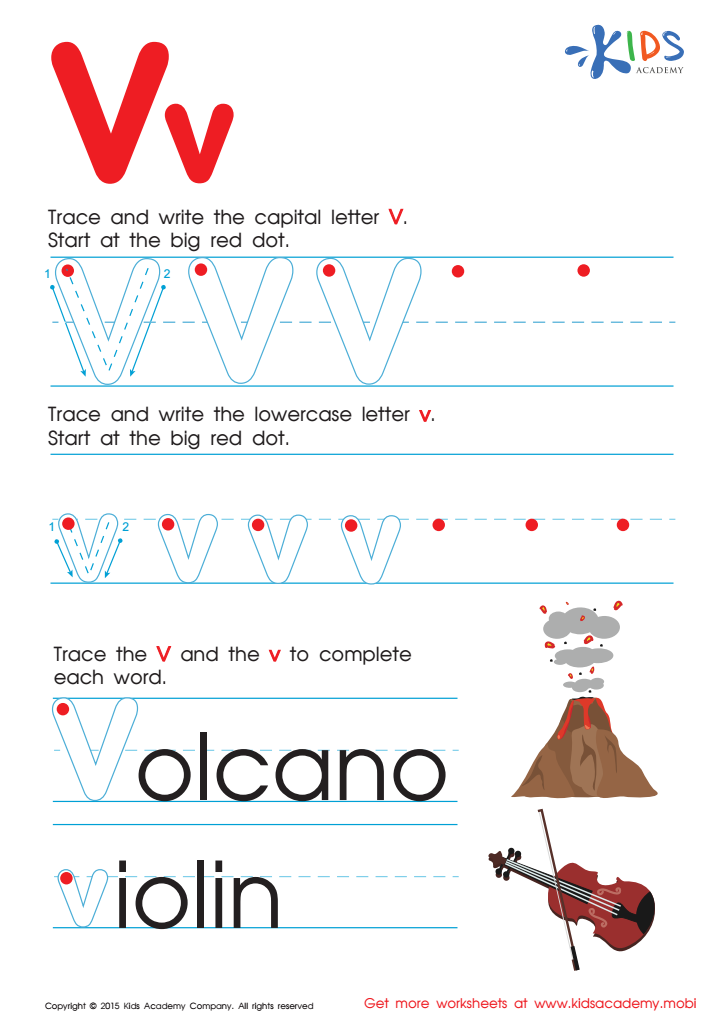
Letter V Tracing Page
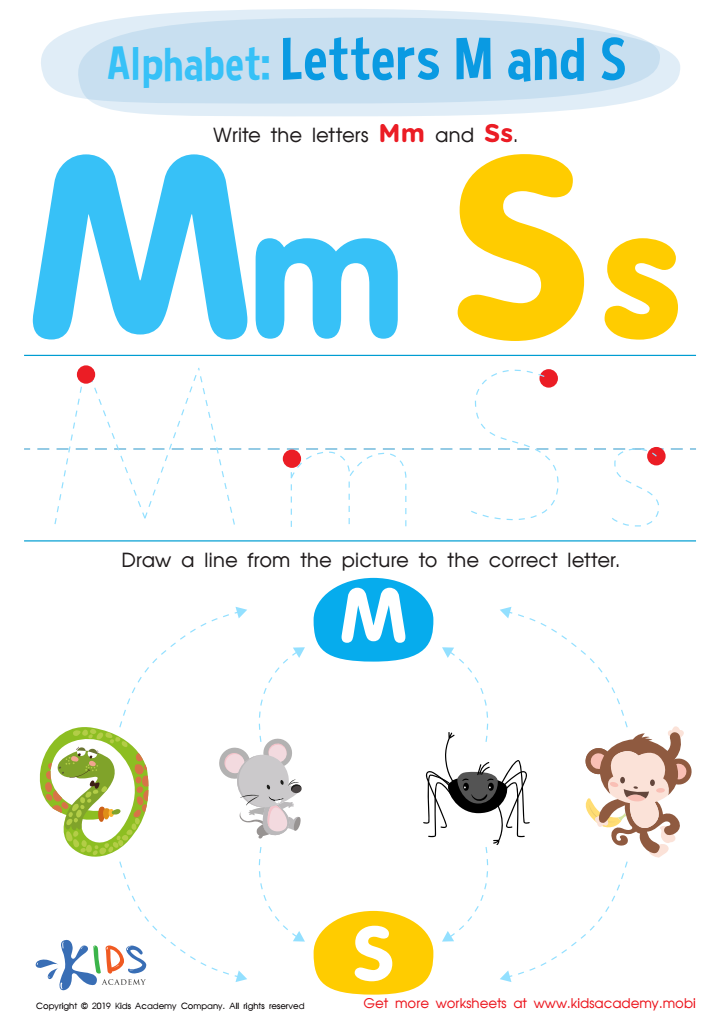
Letters M and S Tracing Worksheet
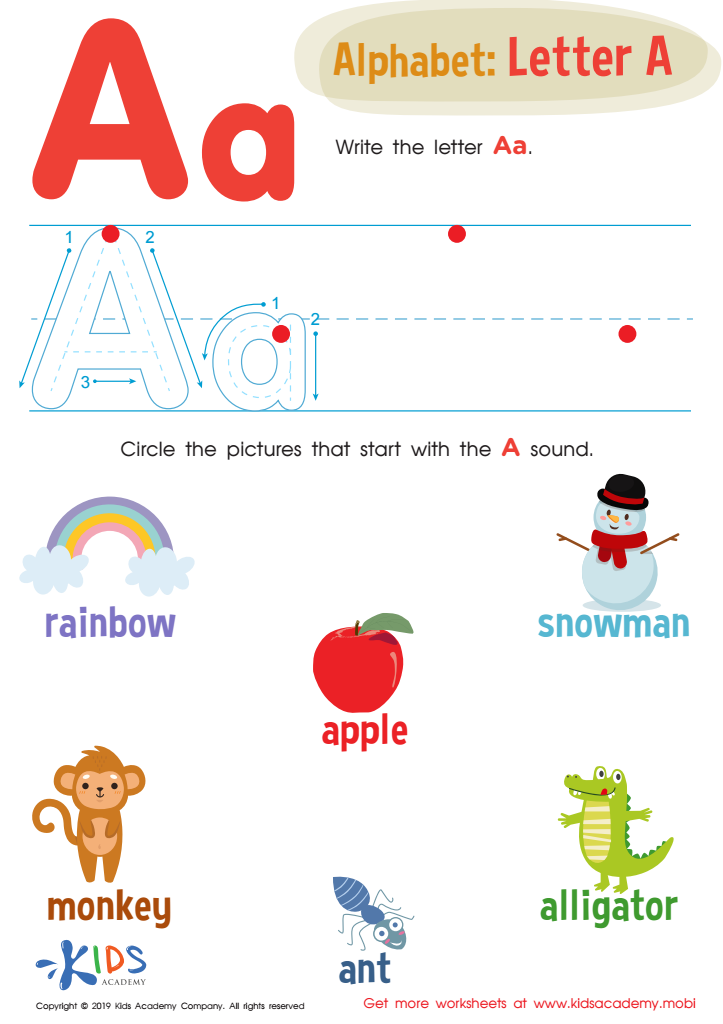
Letter A Tracing Worksheet
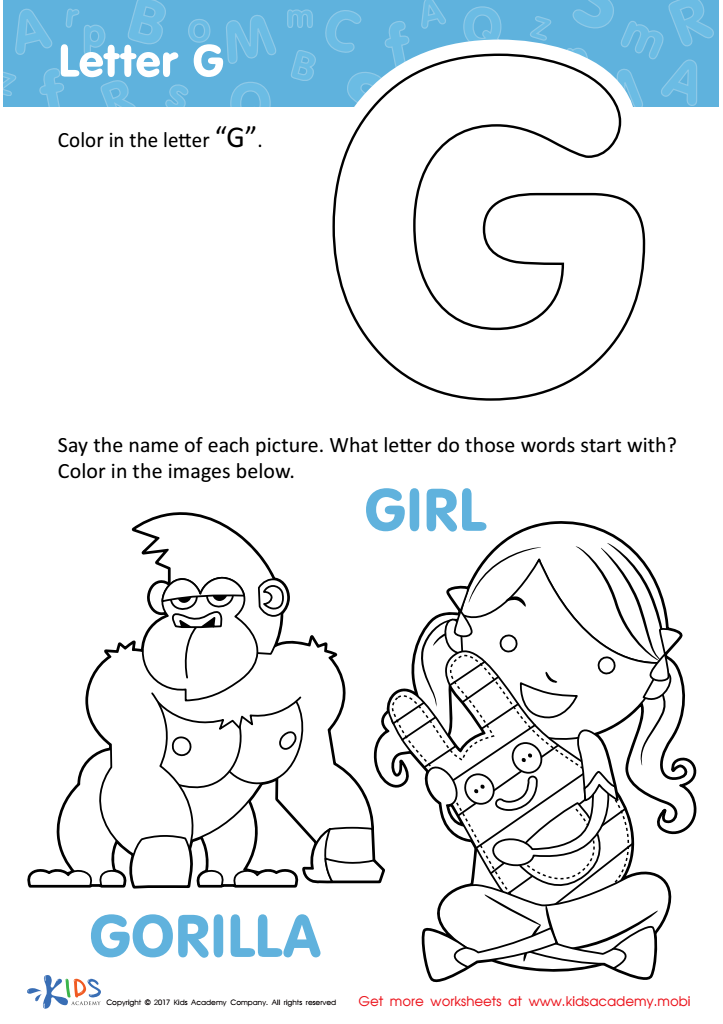
Letter G Coloring Sheet
 Assign to My Students
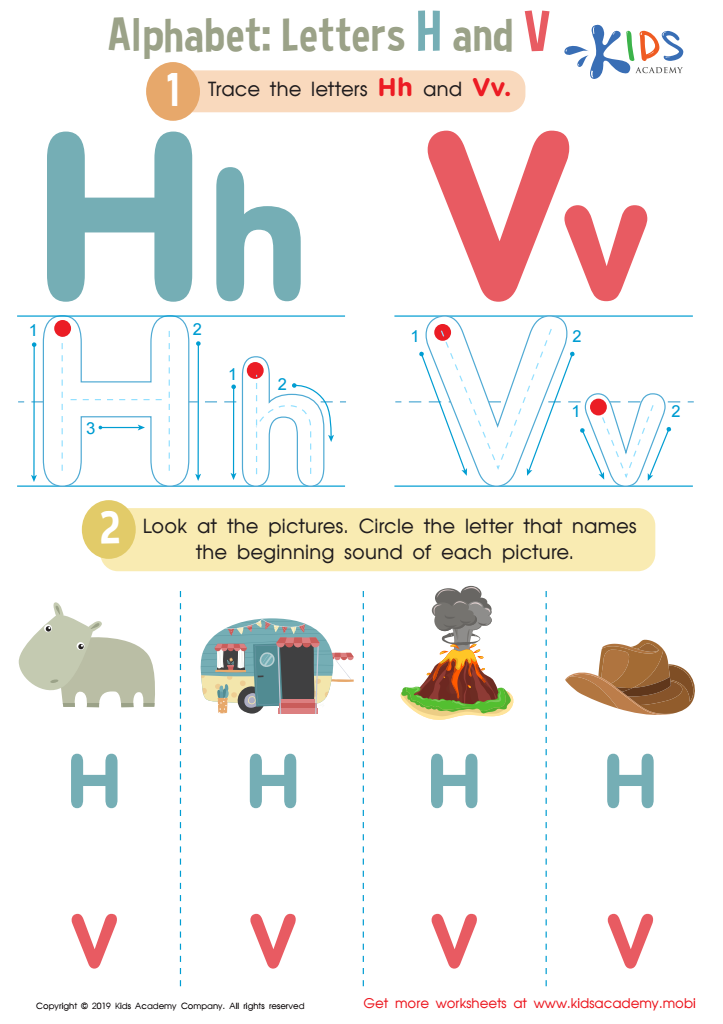
Letters H and V Tracing Worksheet
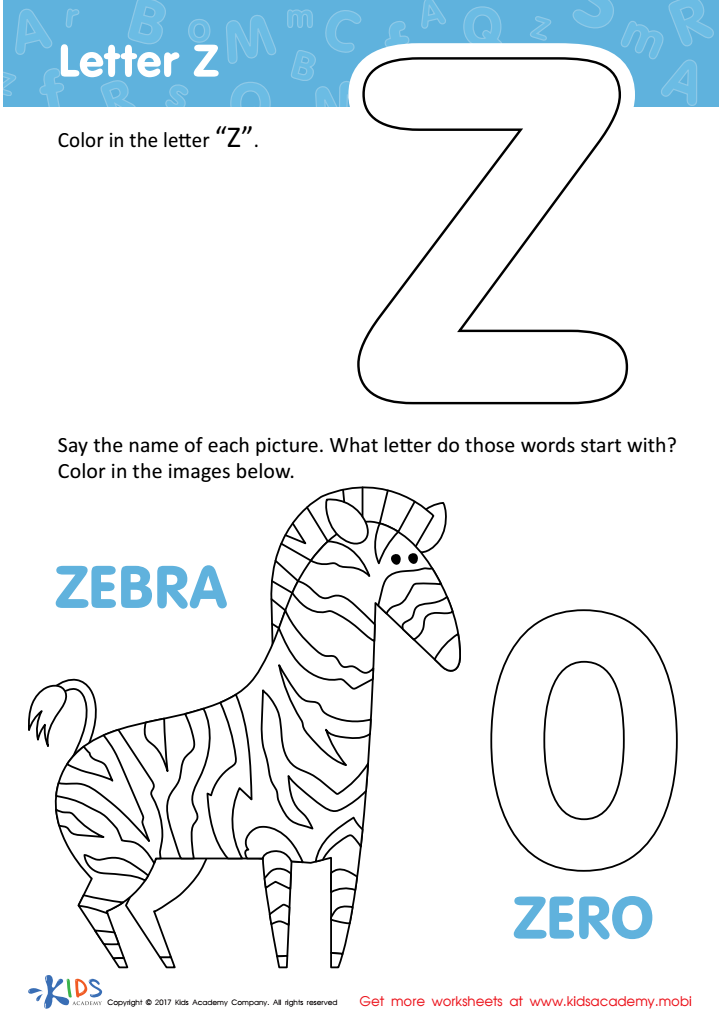
Letter Z Coloring Sheet
Assign to My Students
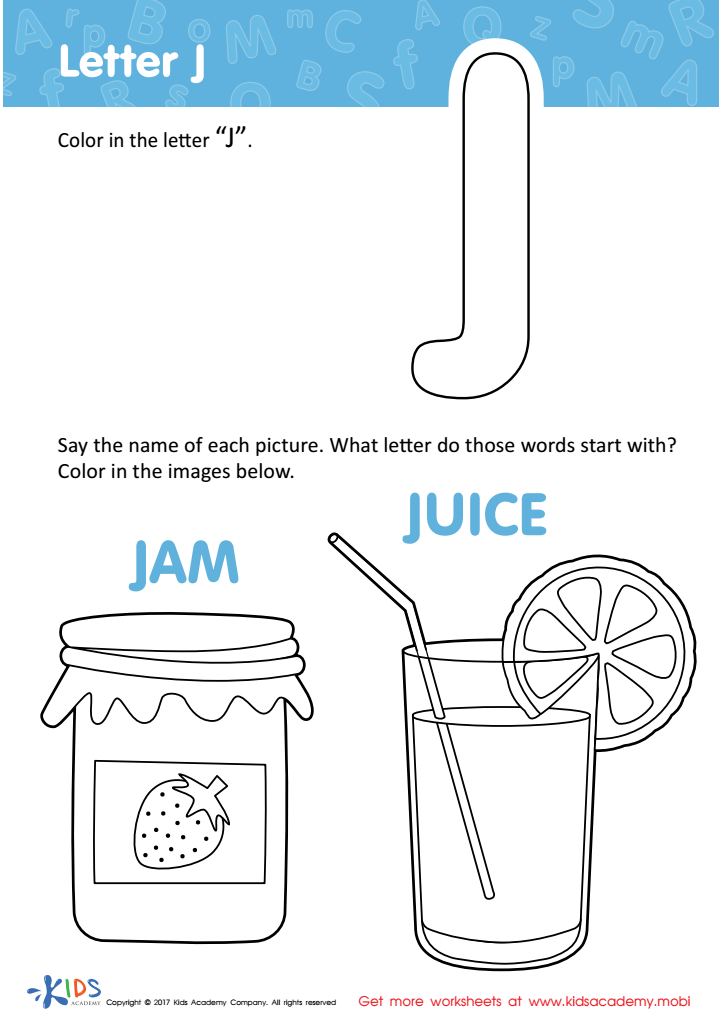
Letter J Coloring Sheet
Assign to My Students
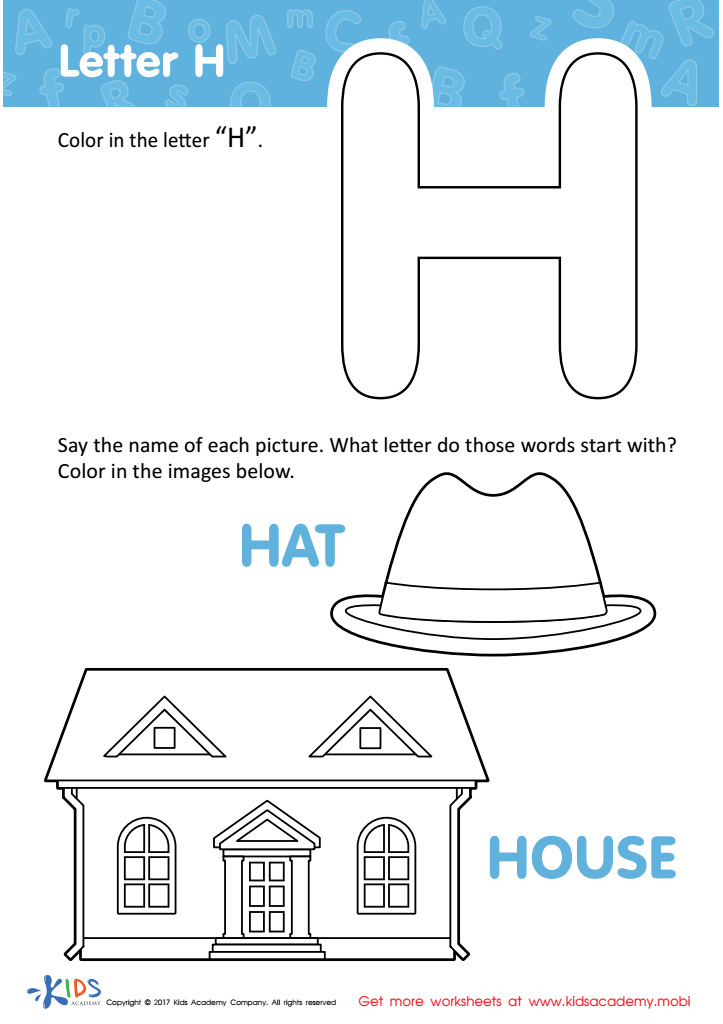
Letter H Coloring Sheet
Assign to My Students
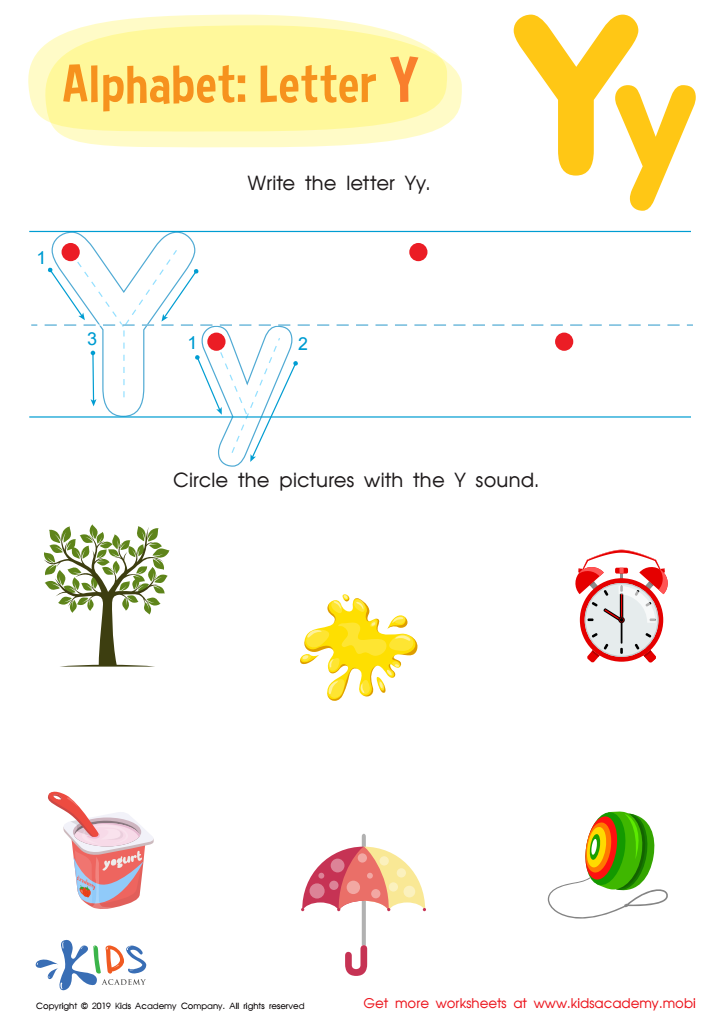
Letter Y Tracing Worksheet
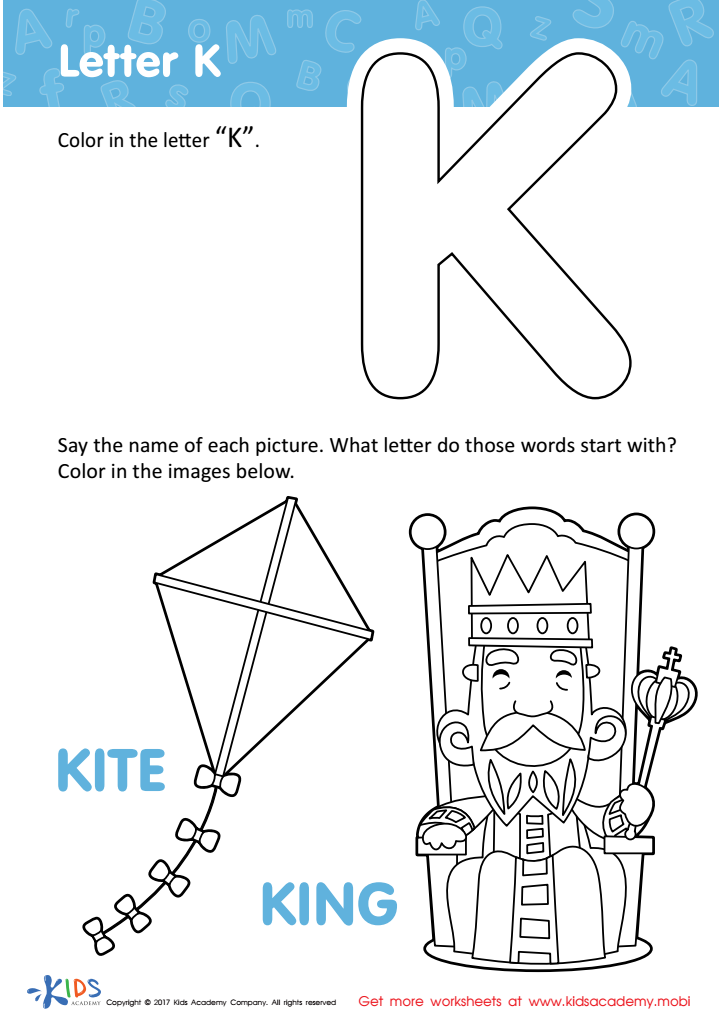
Letter K Coloring Sheet
Assign to My Students
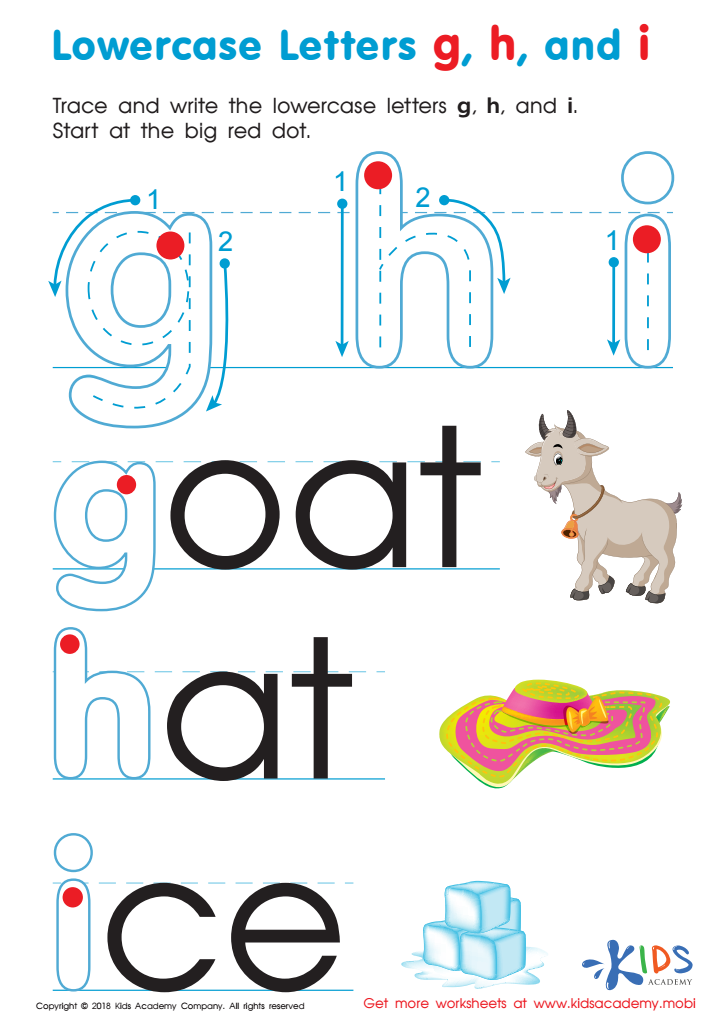
Lowercase Letters g h i Worksheet
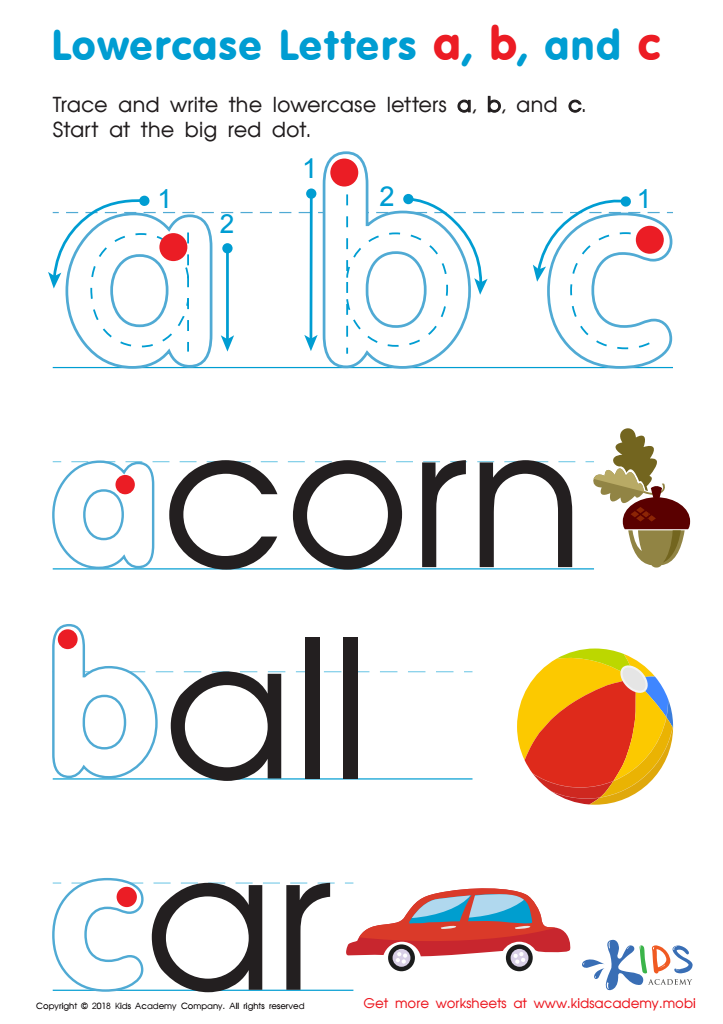
Lowercase Letters a b c Worksheet
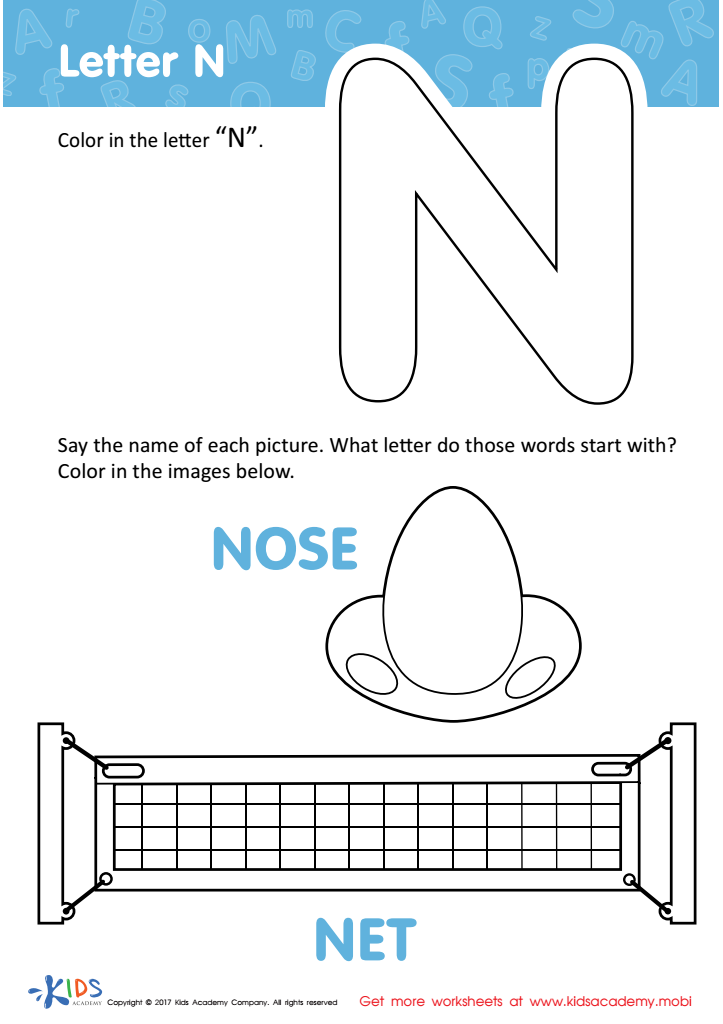
Letter N Coloring Sheet
Assign to My Students
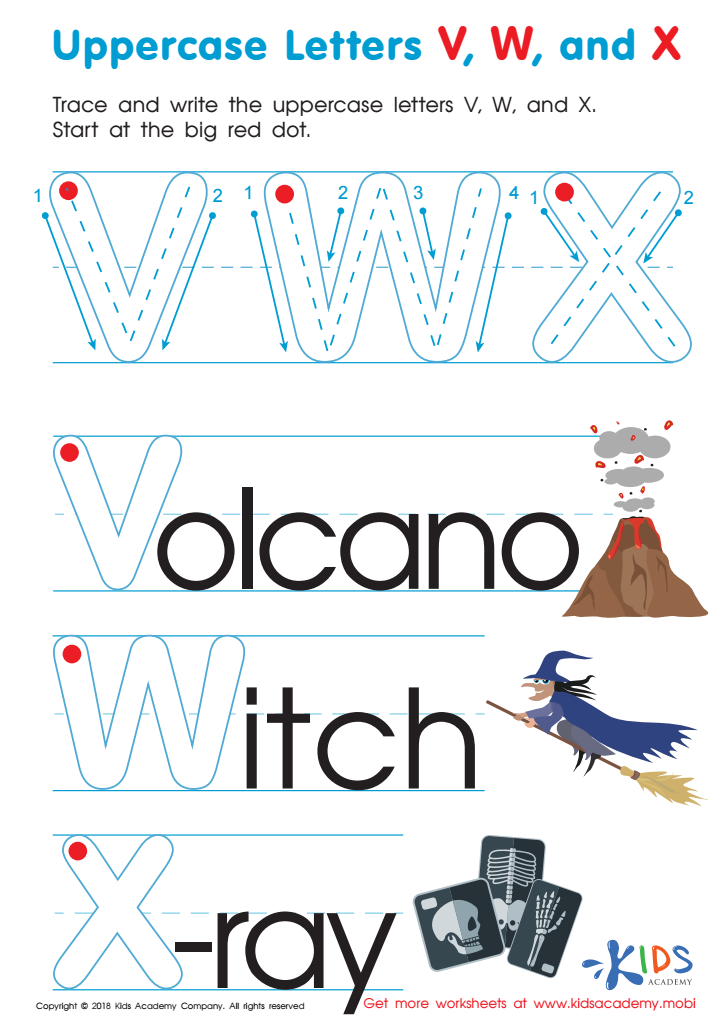
Uppercase Letters V, W, and X Worksheet








Handwriting practice and letter recognition are fundamental skills that significantly impact a 6-year-old's academic success and overall development. At this stage, children are transitioning into more structured learning environments, and their ability to recognize and form letters is crucial for reading and writing proficiency.
First, strong letter recognition lays the foundation for literacy. Children who can easily spot and name letters are more likely to excel in reading, an essential skill for lifelong learning. Handwriting practice complements this by helping them understand the relationship between letters, sounds, and words, which supports their phonemic awareness.
Second, handwriting contributes to fine motor development. The coordination required for proper letter formation encourages better control over hand movements, essential for tasks beyond academics. Furthermore, handwriting allows children to express their thoughts effectively; it fosters creativity and enhances their communication skills.
Moreover, consistent practice helps build confidence. When children can write their names or even short sentences, they experience a sense of accomplishment that motivates further learning. Therefore, parents and teachers must prioritize handwriting practice and letter recognition, as these skills equip children with the tools they need for success in school and beyond.







