Hand-eye Coordination Phonics Worksheets for 6-Year-Olds
5 filtered results
-
From - To
Boost your child's early literacy skills with our engaging Hand-eye Coordination Phonics Worksheets designed for 6-year-olds. These worksheets combine the fun of phonics practice with essential hand-eye coordination activities, making learning interactive and enjoyable. Designed to enhance letter recognition, sound identification, and fine motor skills, each worksheet features colorful images and engaging exercises that immerse young learners in a playful educational experience. Perfect for preschool, kindergarten, or at-home learning, our phonic worksheets provide the ideal foundation for building confident readers. Help your child develop essential skills while fostering a love for learning with our thoughtfully crafted resources!
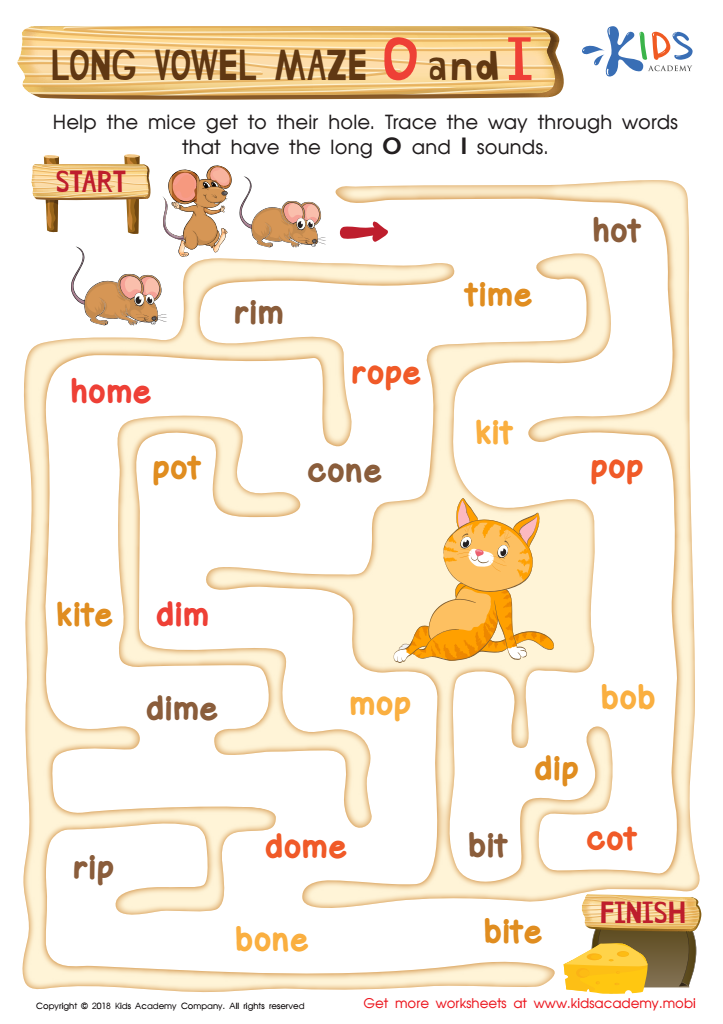
Long Vowel Maze /o/ and /i/ Worksheet
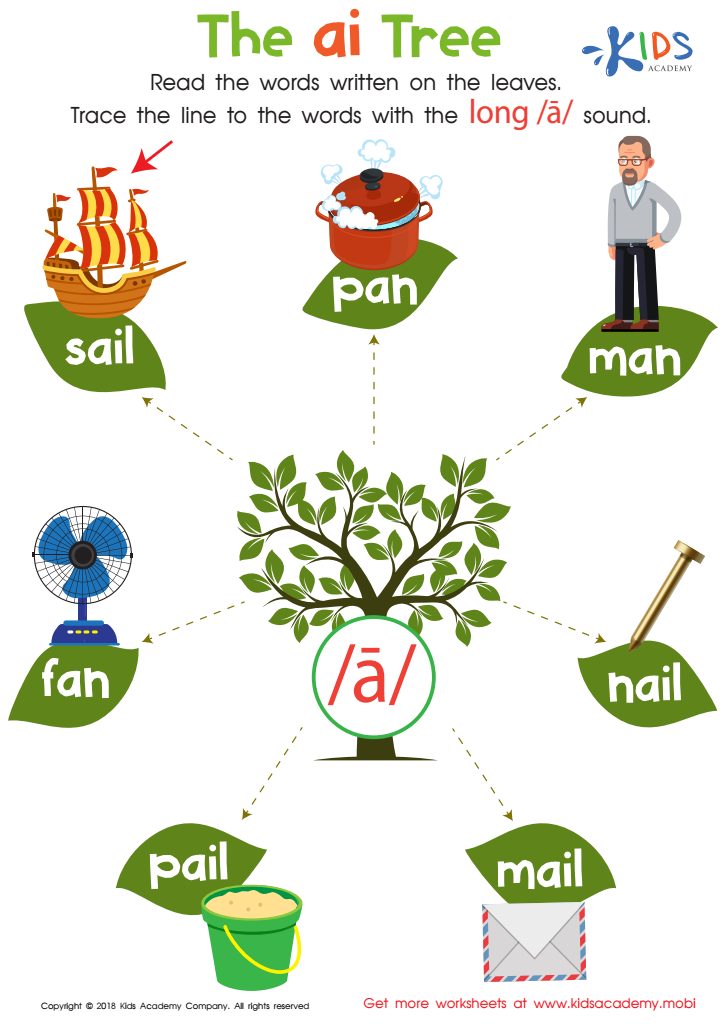
The AI Tree Worksheet

Long and Short U Worksheet
 Assign to My Students
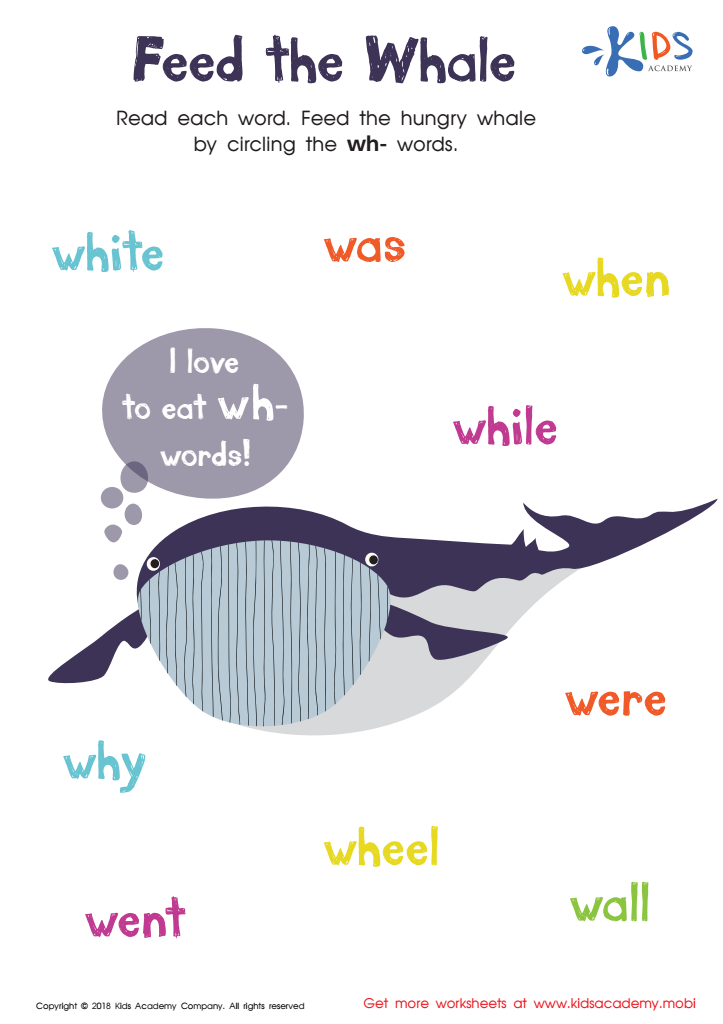
Feed the Whale Worksheet
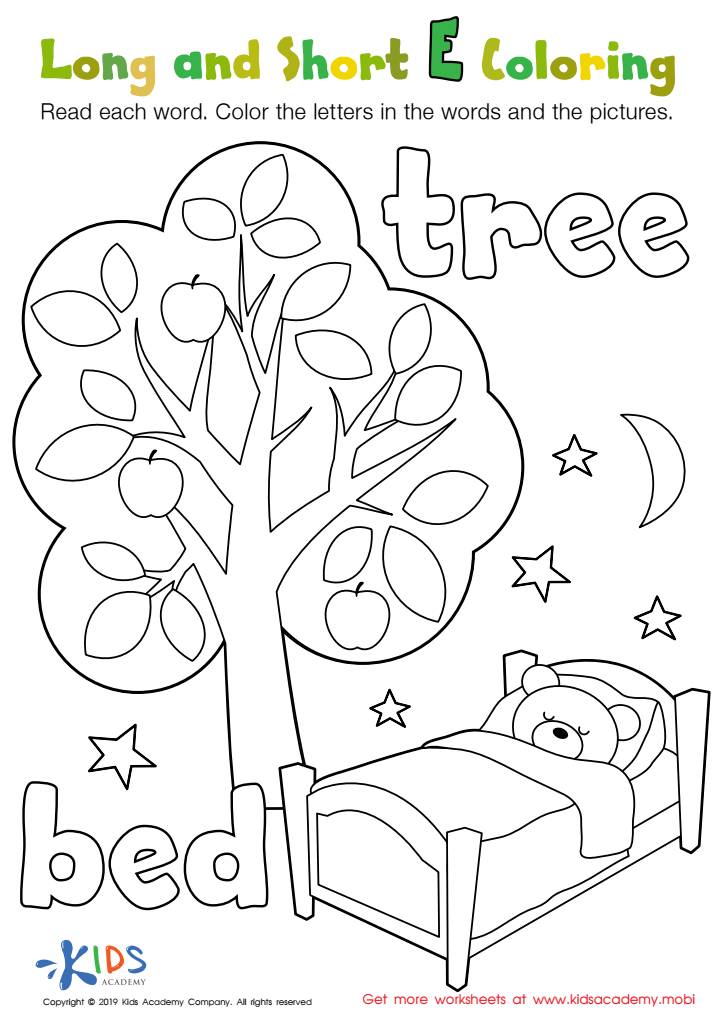
Long and Short E Worksheet
Assign to My Students








Hand-eye coordination plays a crucial role in a child's overall development, especially in learning environments. For 6-year-olds, incorporating hand-eye coordination activities into phonics education is essential because it enhances cognitive skills necessary for reading and writing. As children learn to recognize letters and sounds, they benefit from the physical practice associated with writing and manipulating tools, such as pencils and magnetic letters.
Good hand-eye coordination improves fine motor skills, which are vital for tasks like forming letters, using scissors, or engaging in other classroom activities. When children can smoothly coordinate their hand movements with their visual input, they experience increased confidence in their abilities, leading to a positive attitude toward learning.
Moreover, these skills are intertwined with learning phonics, where kids not only hear and speak sounds but also need the dexterity to write them down or use them in physical activities. Enhancing hand-eye coordination helps create a solid foundation for literacy, ensuring children are better equipped for future academic challenges. Therefore, by encouraging activities that support both hand-eye coordination and phonics, parents and teachers foster a more engaging and effective learning experience for children.







