Phonics skills development Phonics Worksheets for 6-Year-Olds
5 filtered results
-
From - To
Discover the joy of reading with our expertly crafted Phonics Worksheets, tailored specifically for 6-year-olds! Our engaging and colorful worksheets help children develop essential phonics skills, from letter-sound recognition to blending sounds to form words. Designed by education professionals, these activities make learning fun and effective. With Kids Academy's resources, children will enhance their reading abilities, build a strong literacy foundation, and gain confidence in their phonics skills. Perfect for teachers and parents looking to support young learners, our Phonics Worksheets are an ideal tool to spark a lifelong love for reading and learning in your child.
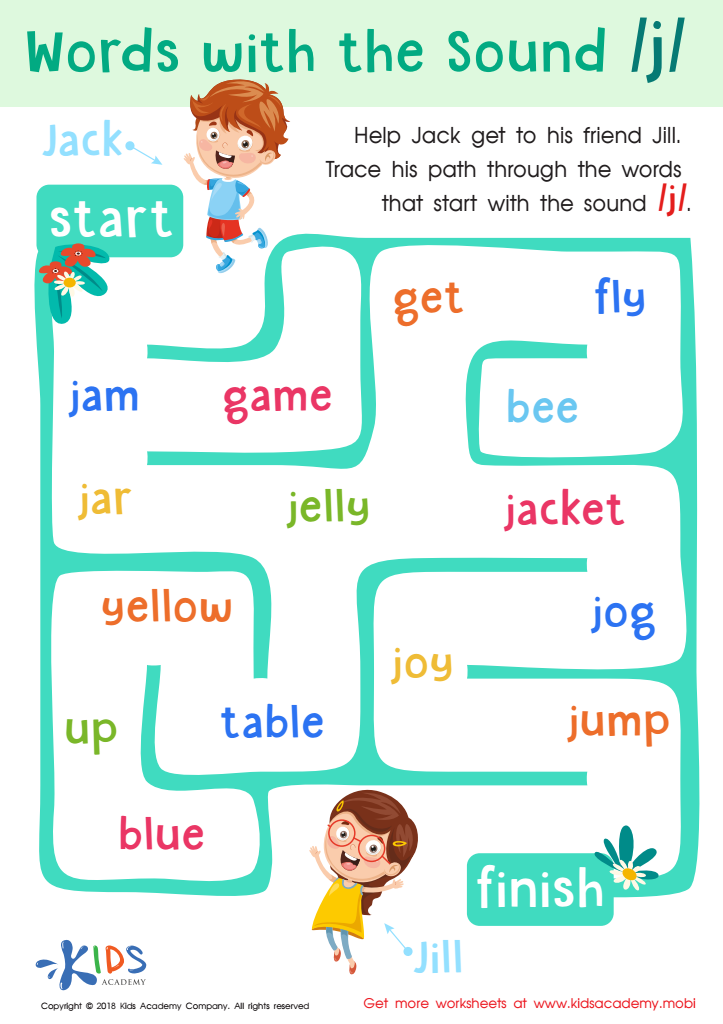
Words with sound j Reading Worksheet
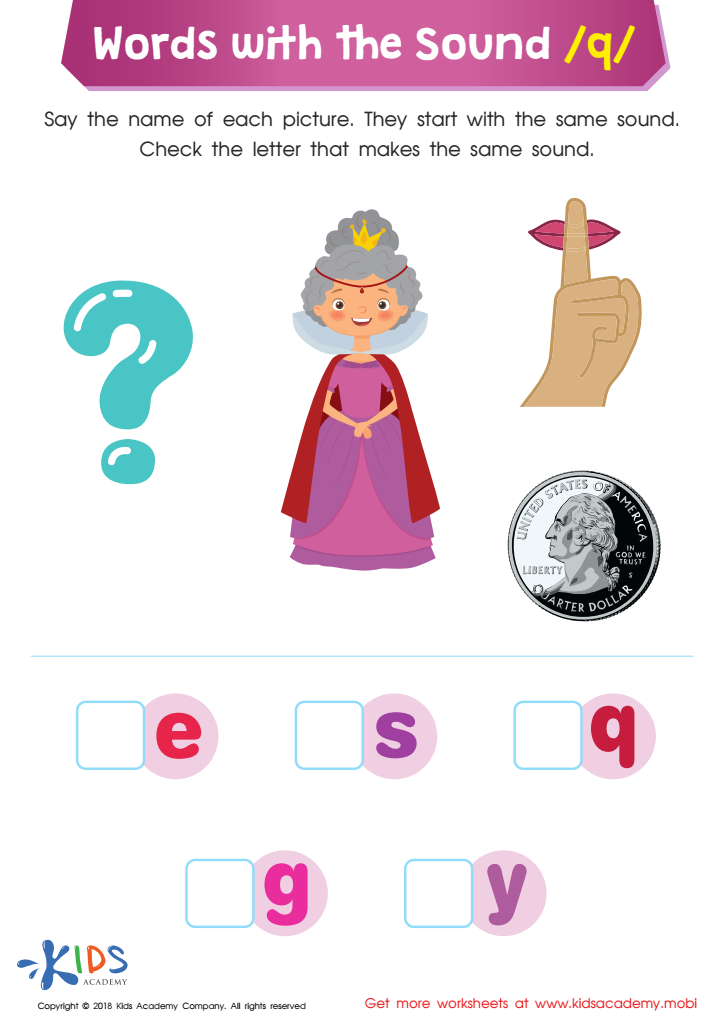
Words with Sound Q Reading Worksheet
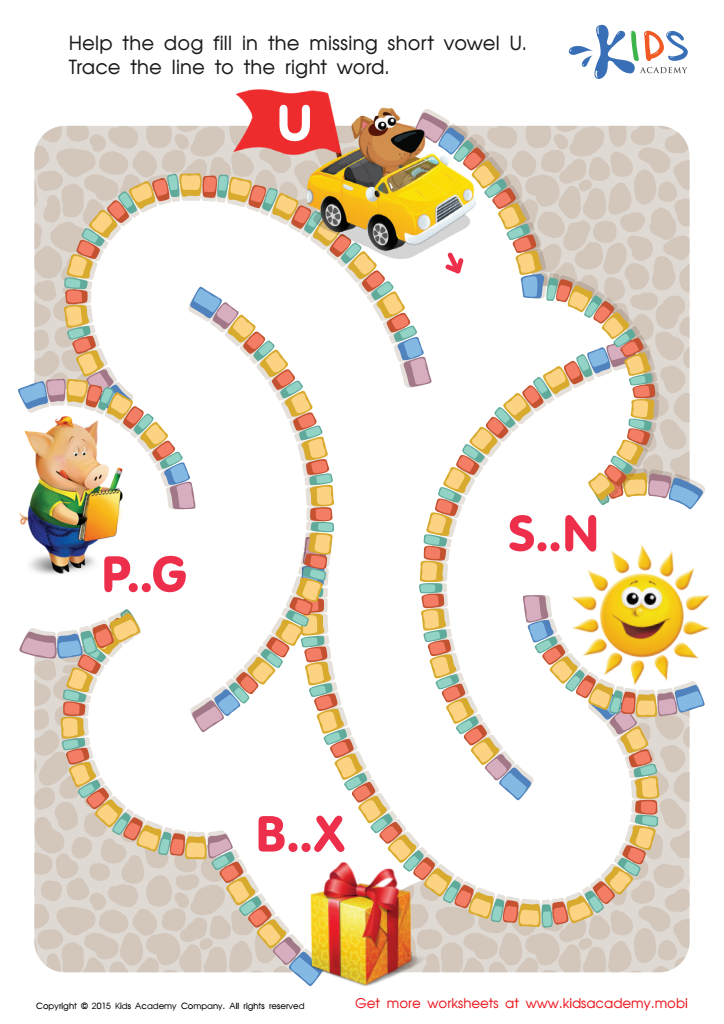
Short Vowel Sound U Worksheet
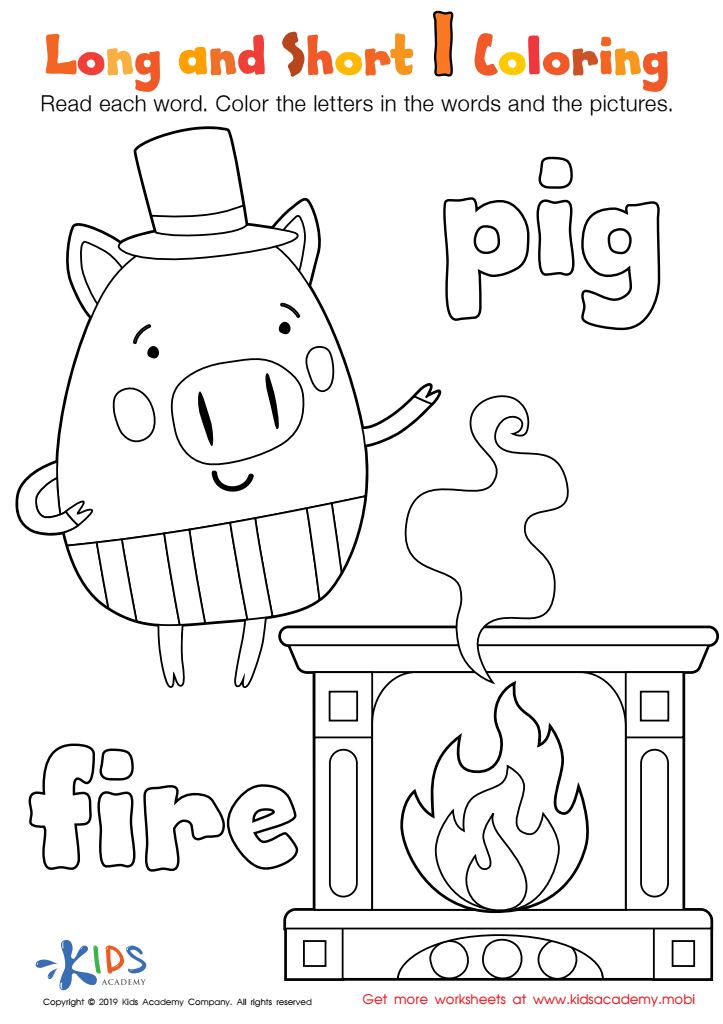
Long and Short I Worksheet
 Assign to My Students
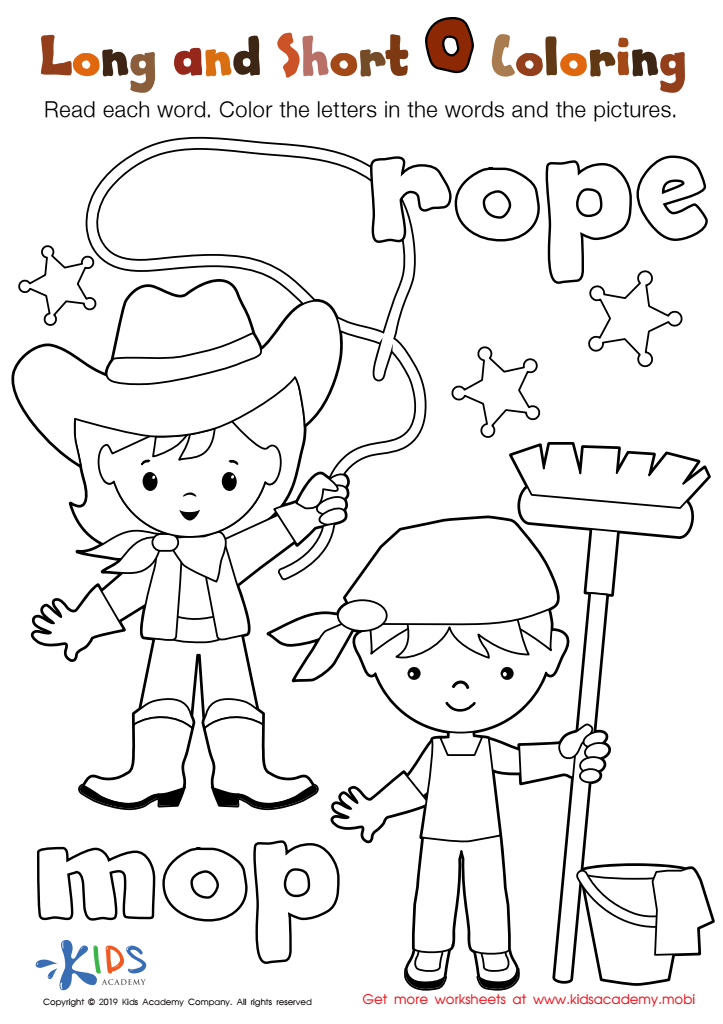
Long and Short O Worksheet
Assign to My Students








Phonics skills development is crucial for 6-year-olds because it lays the foundational building blocks for reading and writing. Phonics is the method of teaching children how sounds (phonemes) correlate with letters or groups of letters (graphemes). This understanding enables young learners to decode new words, which is essential for reading proficiency. For both parents and teachers, fostering these skills early ensures that children develop strong literacy abilities that will benefit them throughout their academic journey and beyond.
When children grasp phonics, they gain confidence in reading independently, enhancing comprehension and vocabulary acquisition. This, in turn, supports a more thorough understanding of subjects across the curriculum, as reading is a key skill in learning virtually all disciplines. Furthermore, strong phonics skills tend to prevent future reading difficulties, reducing potential frustration and fostering a more positive attitude towards learning.
Early phonics practice also engages children’s cognitive abilities, including attention to detail, memory, and analytical skills. By actively participating in phonics activities — such as blending sounds to form words and segmenting words into individual sounds — children improve their cognitive development alongside their literacy skills. Therefore, investing time and effort in developing phonics skills at an early age sets children up for a more successful and enjoyable educational experience.







