Coloring skills Coloring Pages Worksheets for 6-Year-Olds
6 filtered results
-
From - To
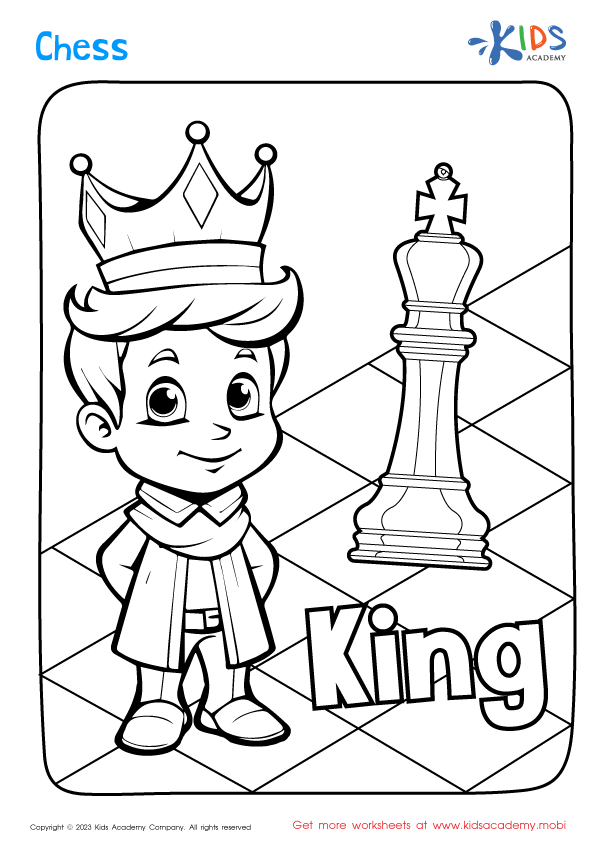
Welcome to our Coloring Skills Worksheets page for 6-year-olds! Here, you'll find a delightful collection of printable coloring pages designed to enhance your child’s fine motor skills, hand-eye coordination, and creativity. Each worksheet features engaging illustrations that invite your little one to express their artistic flair while practicing coloring techniques. Our resources are perfect for home or classroom use, making learning fun and interactive. By exploring colors, shapes, and patterns, kids not only improve their coloring skills but also develop essential cognitive abilities. Start your child’s artistic journey with our captivating coloring pages today!
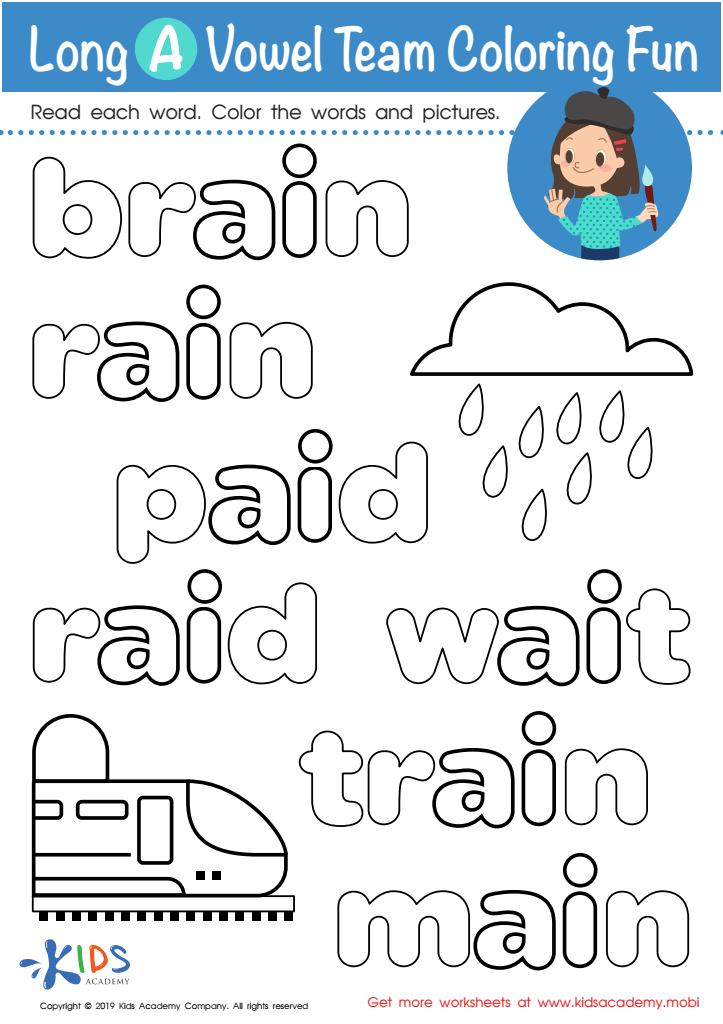
Long A Vowel Team Coloring Fun Worksheet
 Assign to My Students
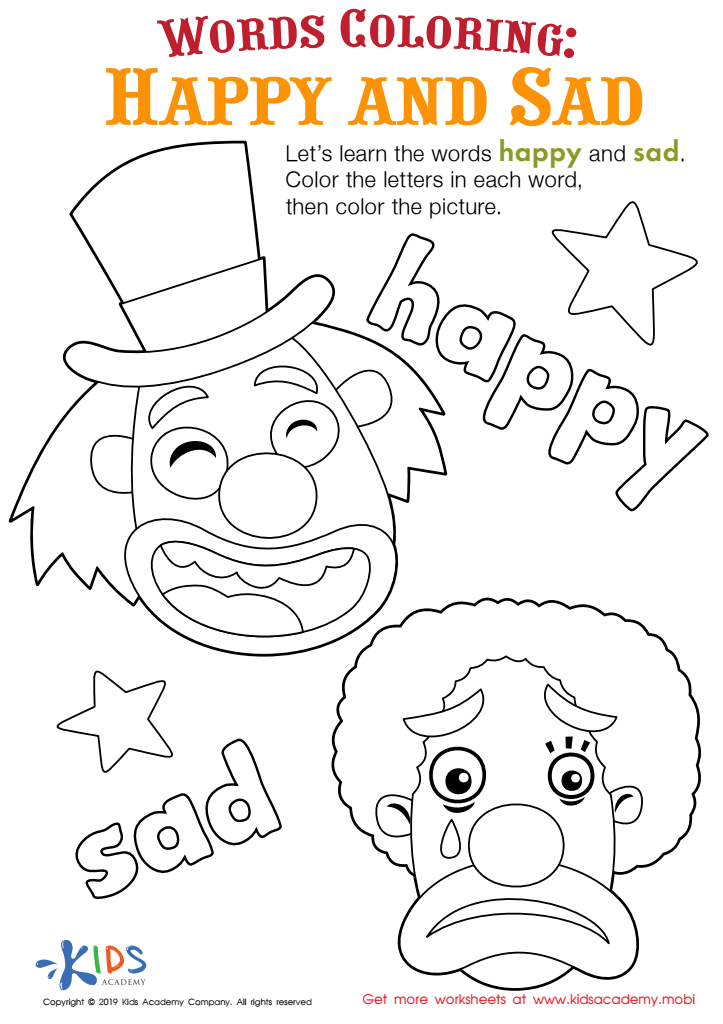
Happy and Sad Words Coloring Worksheet
Assign to My Students
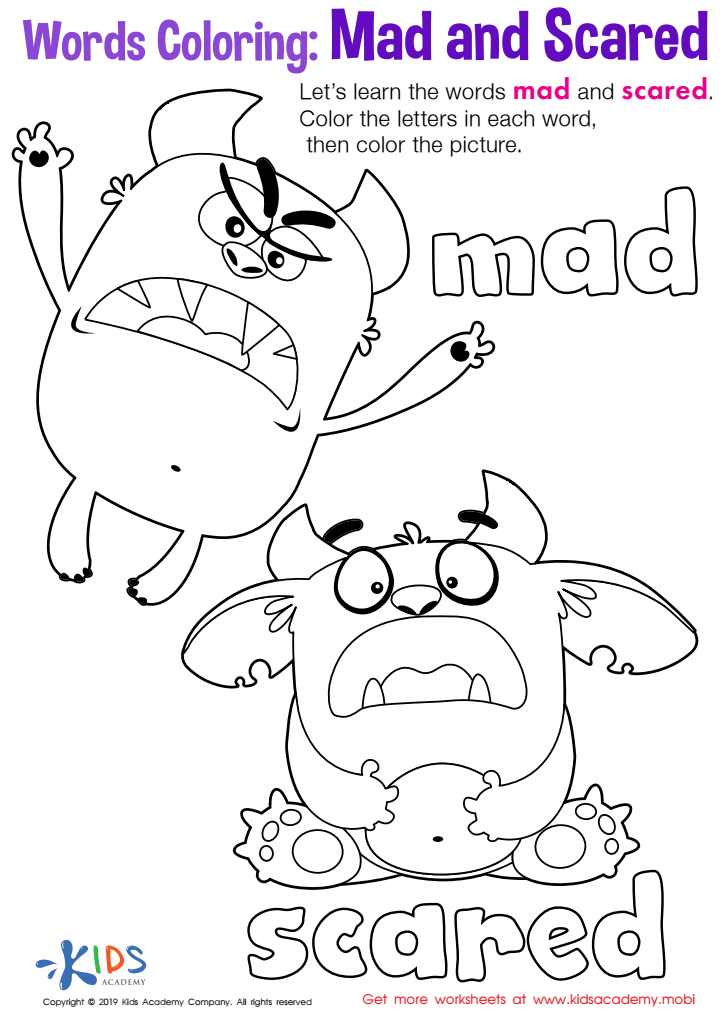
Mad and Scared Words Coloring Worksheet
Assign to My Students






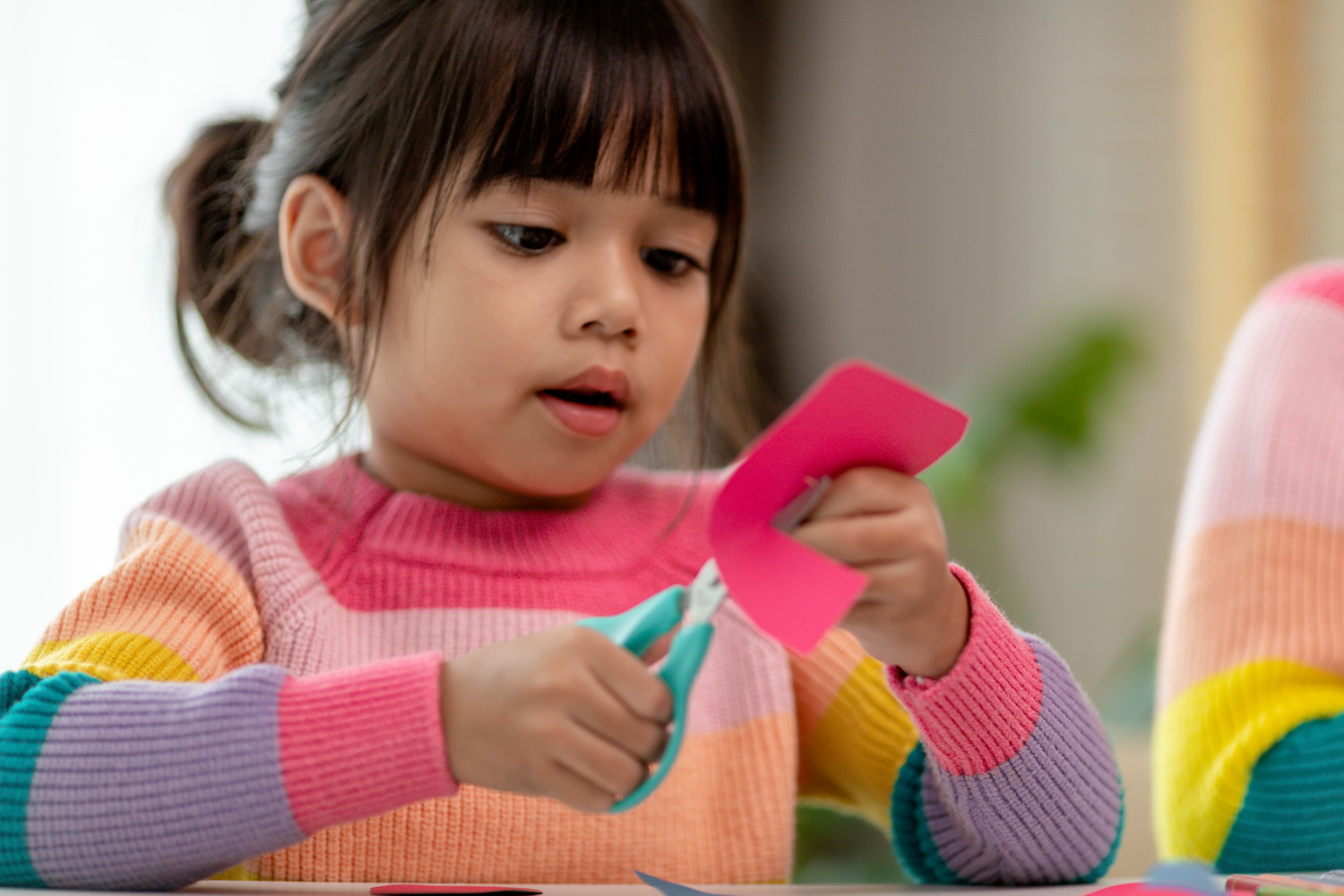

Coloring skills are crucial for the development of 6-year-olds, and both parents and teachers should pay attention to them. First and foremost, coloring promotes fine motor skills—the small muscle movements essential for tasks like writing and buttoning clothes. As children maneuver crayons or colored pencils, they practice hand-eye coordination and improve dexterity, laying a solid foundation for future academic tasks.
Furthermore, coloring encourages creativity and self-expression. At this age, children are often full of imaginative ideas, and coloring pages provide a perfect outlet for them to explore their creativity. As they choose colors and create their masterpieces, they build confidence and a sense of individuality.
Additionally, engaging in coloring activities can enhance focus and concentration. Completing a coloring page requires attention and patience, skills that are important both in and out of the classroom. Moreover, it can serve as a calming activity, helping children manage stress or anxiety through focused creativity.
Finally, coloring can provide opportunities for social interaction. Group coloring activities promote teamwork, sharing, and communication among peers. In summary, nurturing coloring skills in young children supports their cognitive, emotional, and social development, making it a vital aspect of early education.