Alphabet tracing English for Beginners Worksheets for 6-Year-Olds
8 filtered results
-
From - To
Welcome to our Alphabet Tracing English Worksheets designed specifically for 6-year-olds! These engaging and interactive worksheets are perfect for beginners, providing a fun way to enhance their letter recognition and writing skills. Each worksheet features colorful illustrations and clear outlines, making it easy for young learners to trace letters and develop their fine motor skills. Ideal for ESL students, our worksheets support foundational language skills while fostering a love for learning. Download, print, and watch your child gain confidence in writing as they master the alphabet! Perfect for home or classroom use - start their journey today!
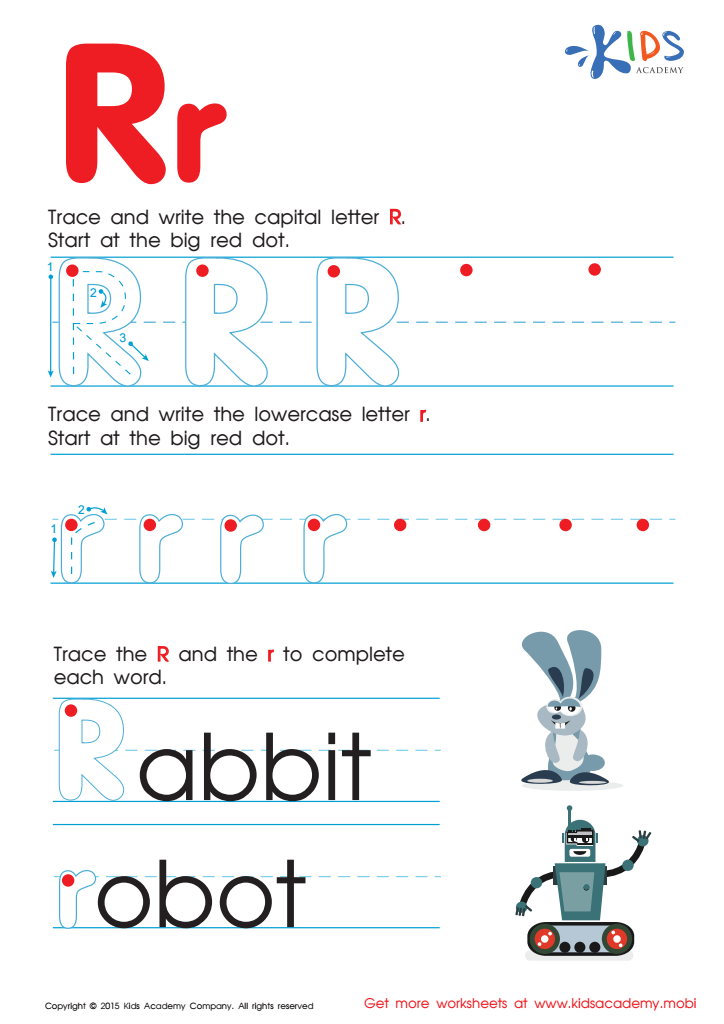
Letter R Tracing Page

Letter P Tracing Page
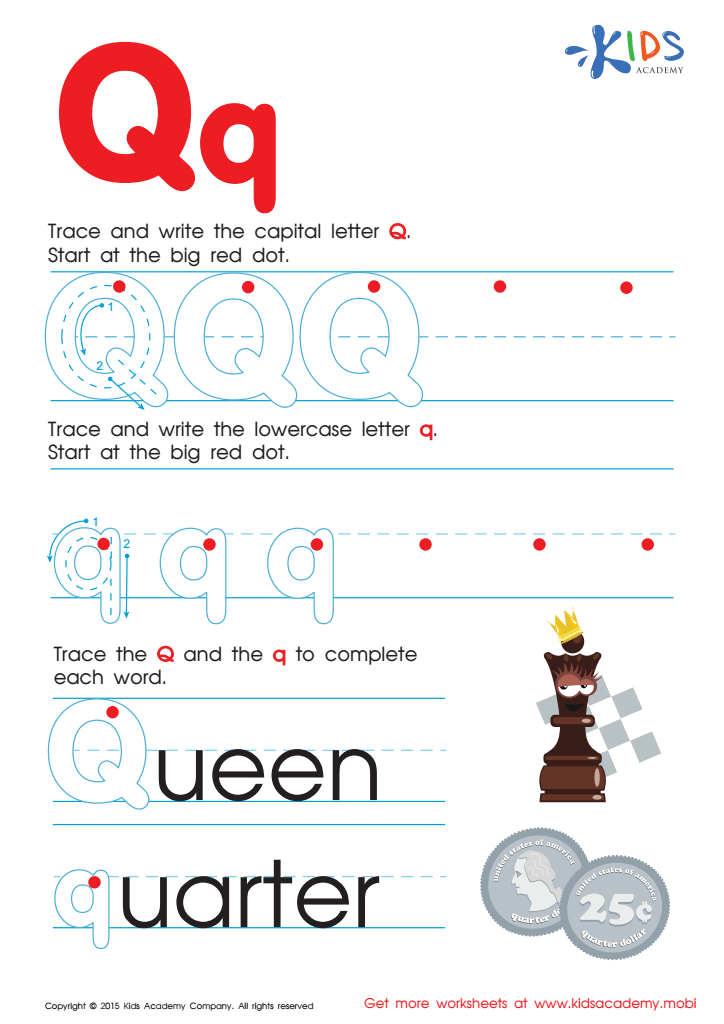
Letter Q Tracing Page

Letter H Tracing Page
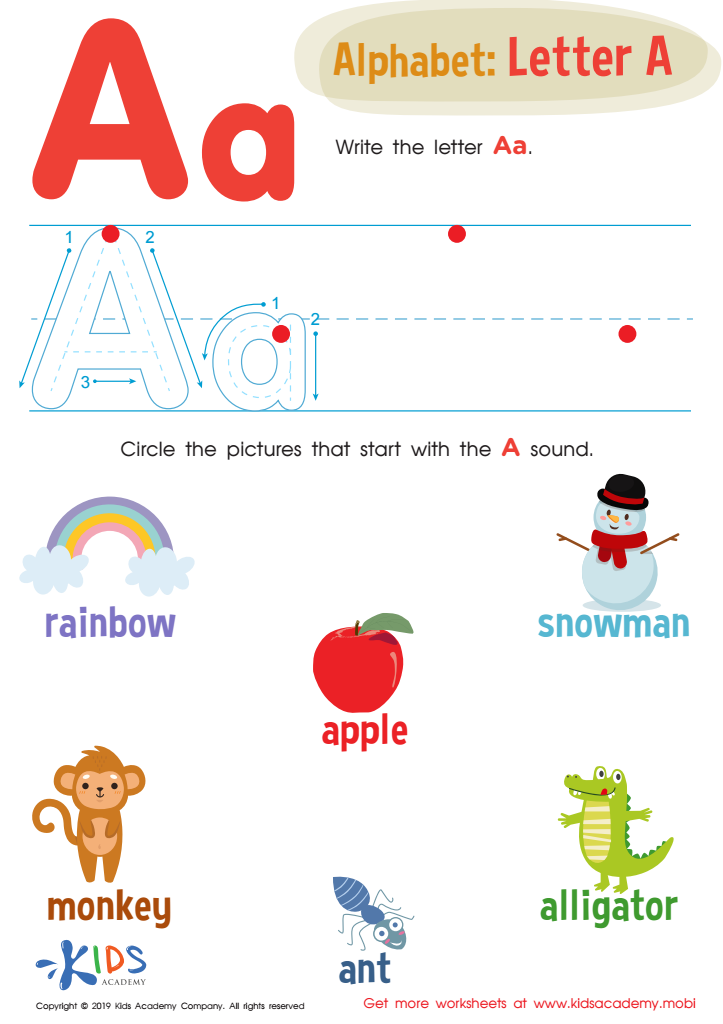
Letter A Tracing Worksheet
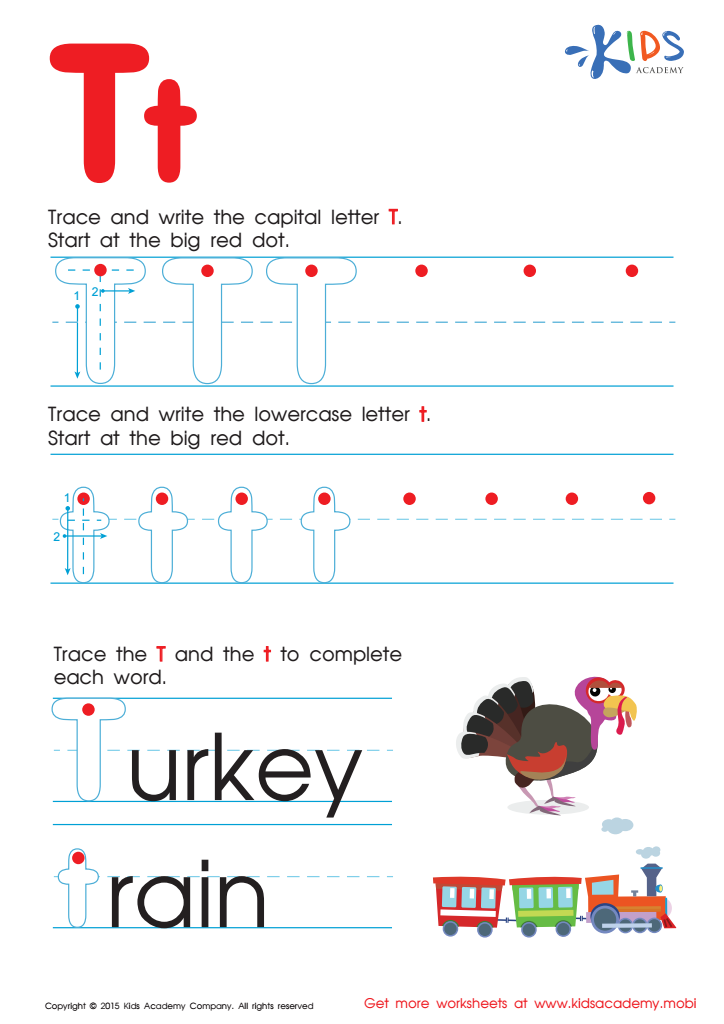
Letter T Tracing Page
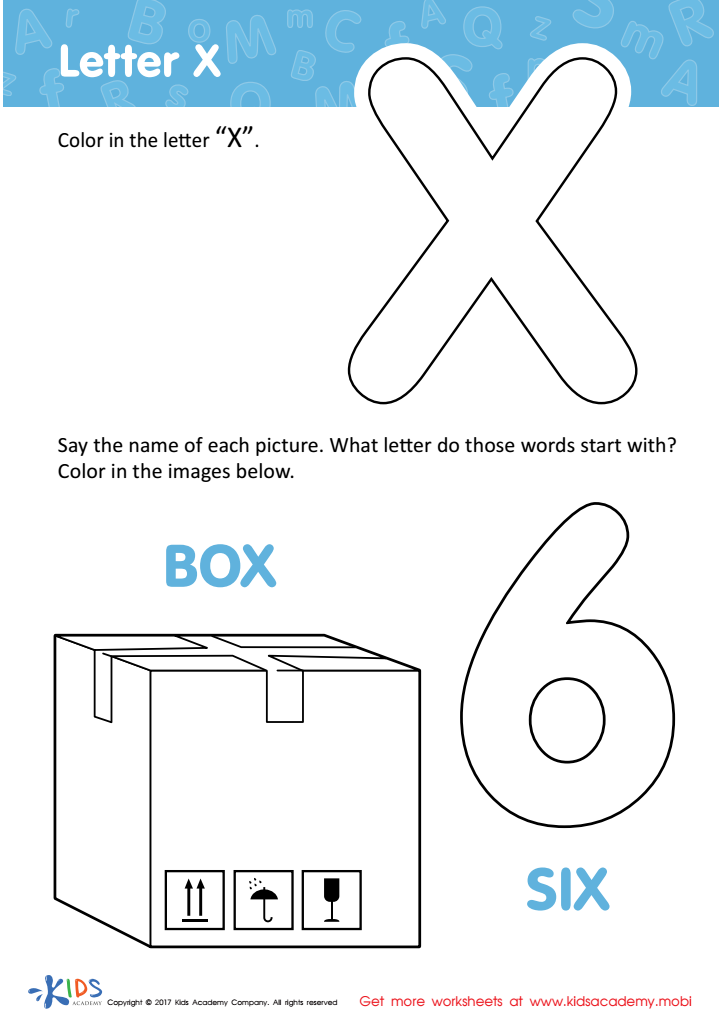
Letter X Coloring Sheet
 Assign to My Students

Letter D Tracing Page





Alphabet tracing in English for beginners, especially for 6-year-olds, is a crucial early literacy activity that supports foundational skills in reading and writing. Parents and teachers should care about this practice for several reasons. First, it enhances fine motor skills, which are essential for developing the muscle control needed for writing. Tracing letters helps children learn the correct formation, making it easier for them to write independently later on.
Additionally, alphabet tracing reinforces letter recognition and phonetic awareness. As children trace each letter, they also start to associate the shapes with their corresponding sounds, building a strong foundation for reading. This multisensory approach engages visual, tactile, and auditory learning styles, catering to the diverse needs of young children.
Furthermore, alphabet tracing can foster a sense of accomplishment and motivation. Completing tracing tasks can boost a child's confidence, encouraging them to take on new literacy challenges. Finally, it provides an opportunity for interactive learning. Parents and teachers can engage with children during this activity, asking questions and promoting discussions that enhance vocabulary and comprehension.
In summary, alphabet tracing is essential not only for skill development but also for instilling a love of learning at an early age, making it a significant focus for caregivers and educators alike.