Analyzing data Worksheets for 6-Year-Olds
3 filtered results
-
From - To
Our "Analyzing Data Worksheets for 6-Year-Olds" offer engaging and educational activities designed to develop critical thinking and analytical skills in young learners. This collection helps kids interpret data through fun exercises like sorting, comparing, and graphing. Each worksheet employs colorful visuals and relatable scenarios to make learning enjoyable, while promoting essential math and problem-solving techniques. Our resources are perfect for classroom use or at-home practice, supporting a well-rounded approach to early mathematics education. Introduce your child to the world of data analysis and watch them gain confidence and competence in understanding and managing information.
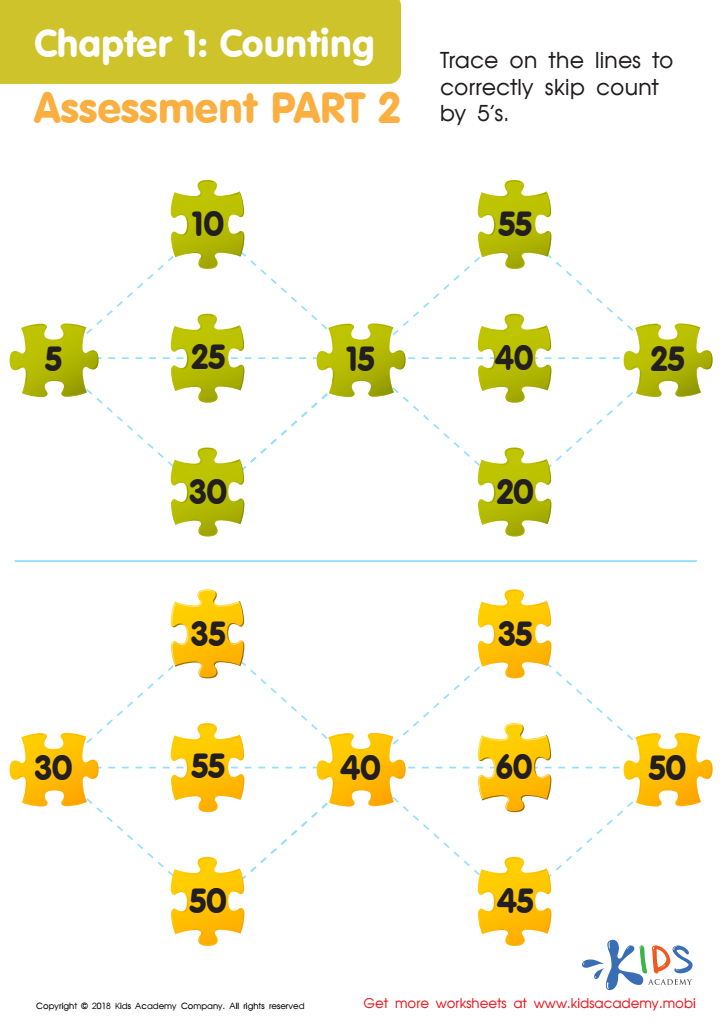
Counting: Assessment 2 Worksheet
 Assign to My Students
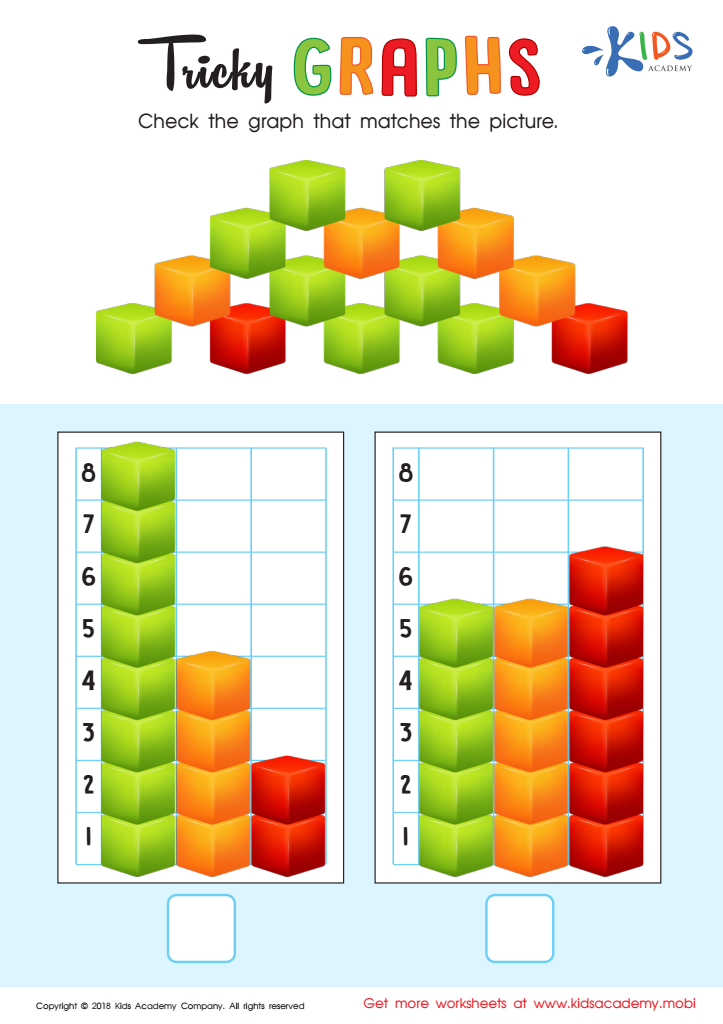
Tricky Graphs Worksheet
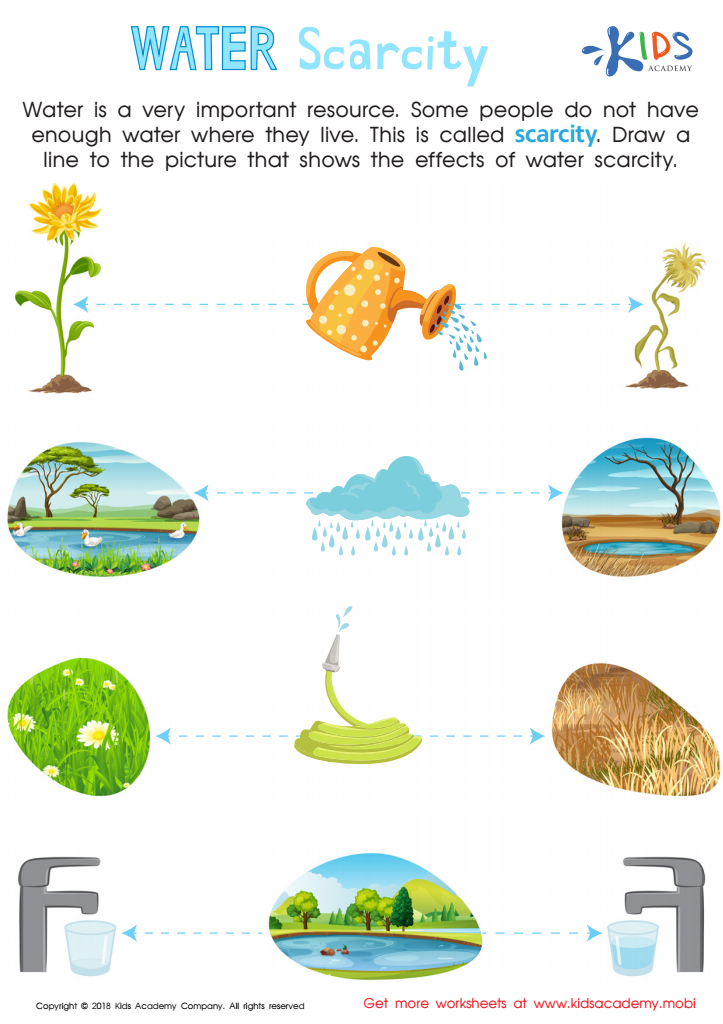
Water Scarcity Worksheet








Analyzing data for 6-year-olds is imperative for both parents and teachers because it provides insights into the child's developmental progress and learning needs. At this age, children are at a critical stage of educational and social development, and data can help track their milestones in areas such as reading, mathematics, social skills, and emotional health.
Firstly, by systematically observing and recording a child's performance, teachers can identify patterns, strengths, and areas needing improvement. For example, if data shows a child struggles with phonics but excels in problem-solving, educators can tailor instructions to support their reading while fostering mathematical skills.
Secondly, data enables early intervention. Timely identification of learning disabilities or social challenges, indicated by patterns in attendance, participation, or behavior, allows for prompt support which is more effective when applied early.
For parents, understanding data can foster better communication with educators and provide them with concrete evidence of their child’s progress. This can lead to more informed discussions and strategies to support the child's learning at home.
In sum, analyzing data equips both teachers and parents with the knowledge to enhance educational strategies, ensuring every child's learning experience is responsive and custom-tailored to their unique needs. Smart data use fosters a proactive, rather than reactive, approach to education, foundational for young learners' success.








