Categorizing objects Worksheets for 6-Year-Olds
4 filtered results
-
From - To
Discover engaging categorizing objects worksheets designed specifically for 6-year-olds! Our resources foster essential skills like sorting, classifying, and recognizing patterns through fun and interactive activities. Children will explore various themes, such as animals, food, and everyday items, enhancing their understanding of categories in a playful way. These worksheets not only support critical thinking but also improve vocabulary and comprehension fundamentals. Ideal for both classroom settings and at-home learning, our carefully crafted worksheets make learning enjoyable and effective. Empower your child’s cognitive development while they work to identify similarities and differences among objects. Start the adventure in categorization today!
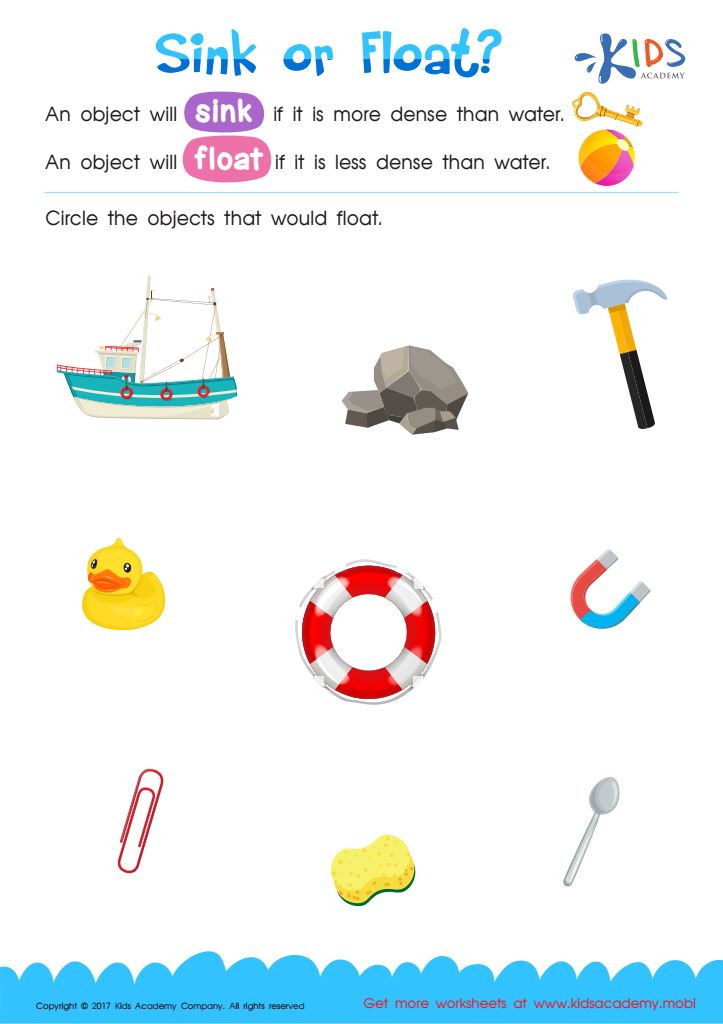
Sink or Float Printable
 Assign to My Students
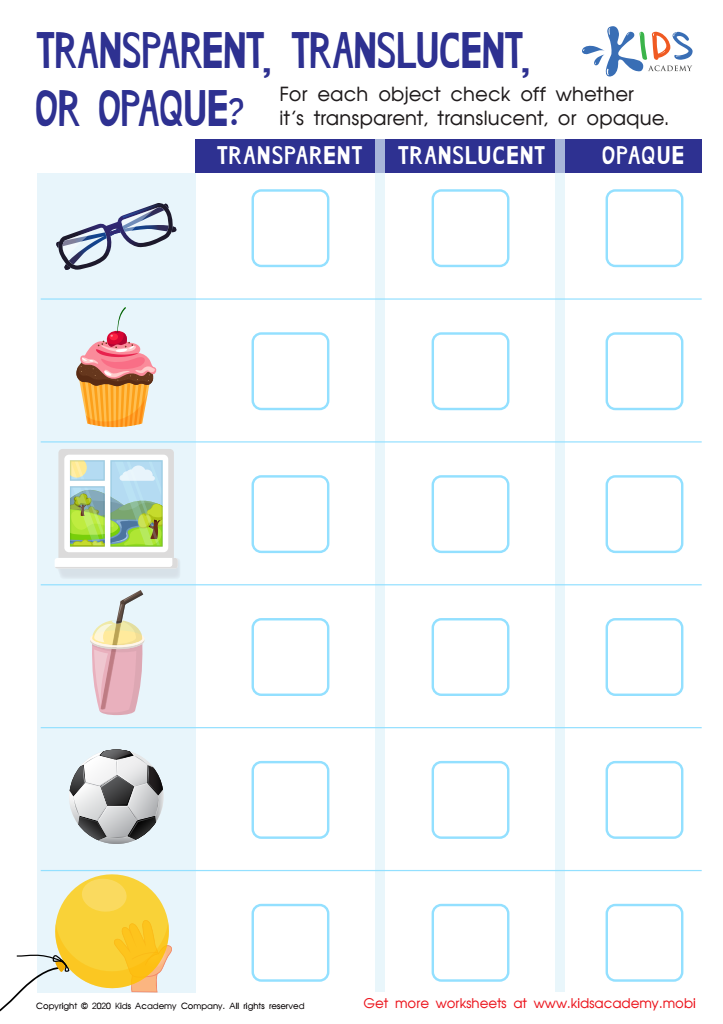
Transparent, Translucent, or Opaque Worksheet
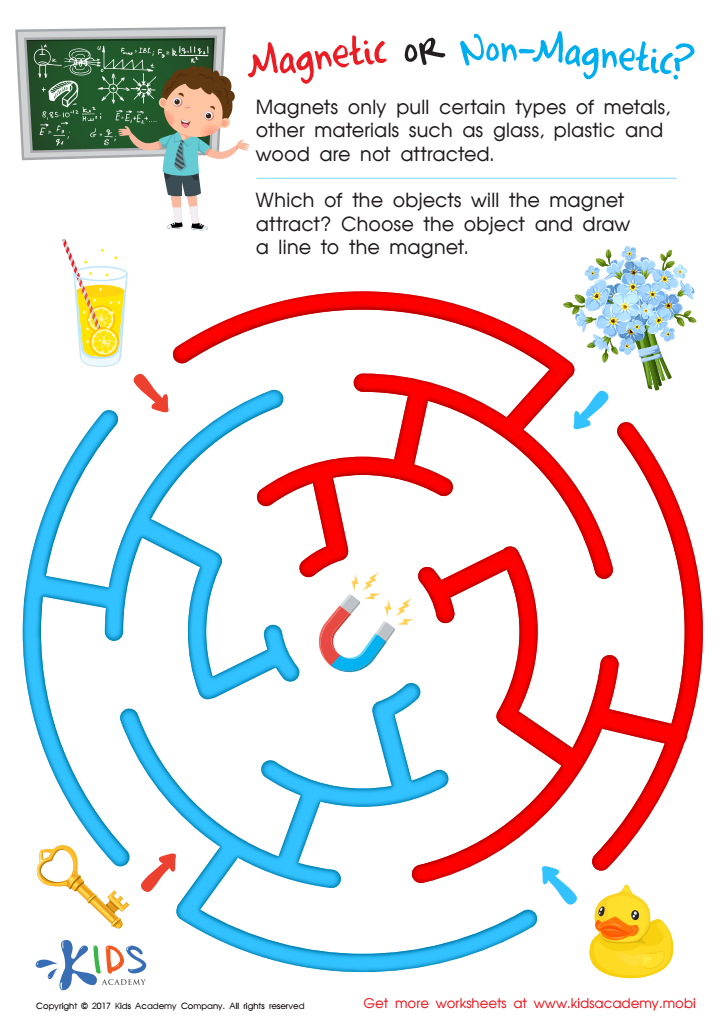
Magnetic or Non–Magnetic Worksheet
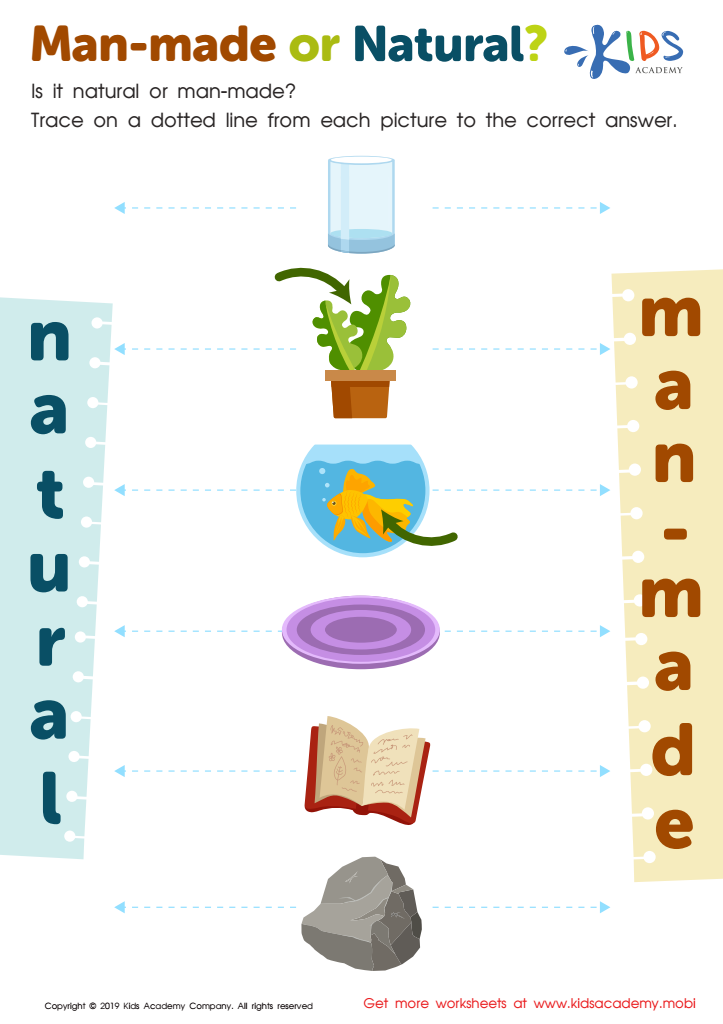
Man-Made or Natural? Worksheet







Categorizing objects is crucial in the developmental process of 6-year-olds, and it's an area that parents and teachers should take seriously. At this age, children are honing their cognitive skills, learning to classify, sort, and understand complex relationships among objects. Engaging them in categorization activities enhances critical thinking and problem-solving skills, laying the foundation for more advanced concepts in mathematics, science, and language arts later in life.
Moreover, categorizing helps children make sense of the world around them. By grouping objects based on shared characteristics—like color, shape, or function—children develop their ability to observe, compare, and contrast. This not only fosters logical reasoning but also boosts their vocabulary as they learn to articulate their classifications.
Social skills are also enhanced through collaborative categorization activities, teaching children how to share ideas, negotiate differences, and cooperate with peers. For parents and teachers, facilitating these learning opportunities can create an engaging and interactive environment. By embracing and prioritizing categorization, adults can support 6-year-olds in building a structured framework for understanding their surroundings while igniting their curiosity and creativity, vital components for lifelong learning.








