Decision making practice Worksheets for 6-Year-Olds
5 filtered results
-
From - To
Explore our Decision Making Practice Worksheets designed specifically for 6-year-olds! These engaging activities help young children develop essential decision-making skills through fun and interactive scenarios. Each worksheet assists in enhancing critical thinking, problem-solving, and logical reasoning. Children will learn how to make choices, consider outcomes, and navigate various situations effectively. Perfect for parents and educators, our age-appropriate exercises foster independence and confidence in young learners. Ideal for at-home or classroom use, Kids Academy offers high-quality resources to support your child's growth. Visit us today to help your child become a more decisive and thoughtful individual!
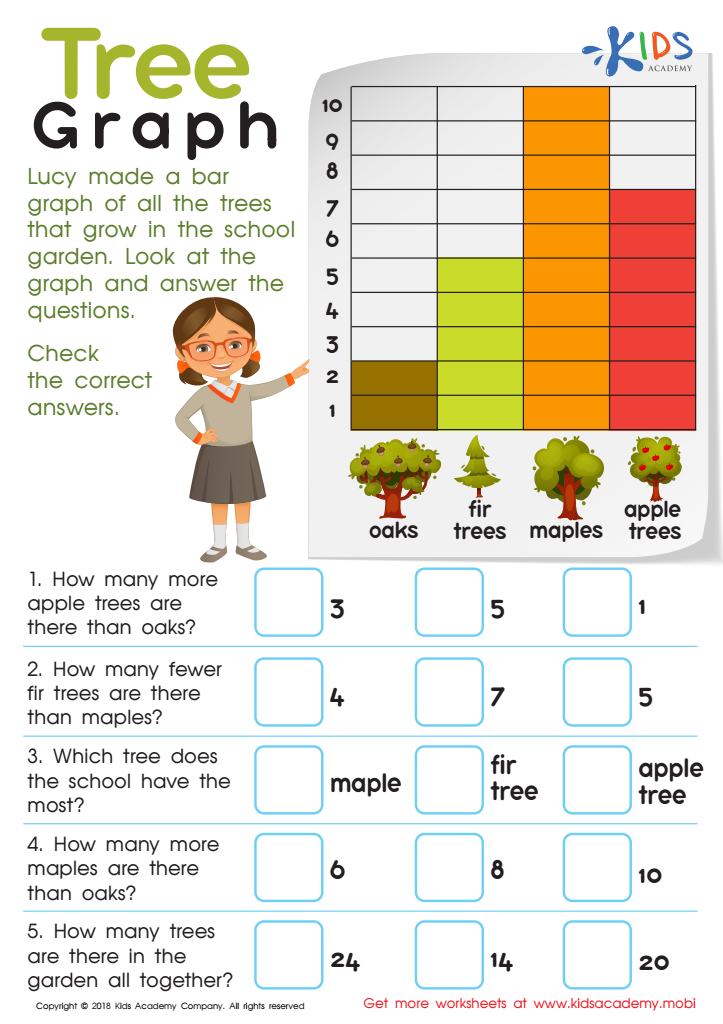
Tree Graph Worksheet
 Assign to My Students

Spaceship Maze: Galaxies Worksheet
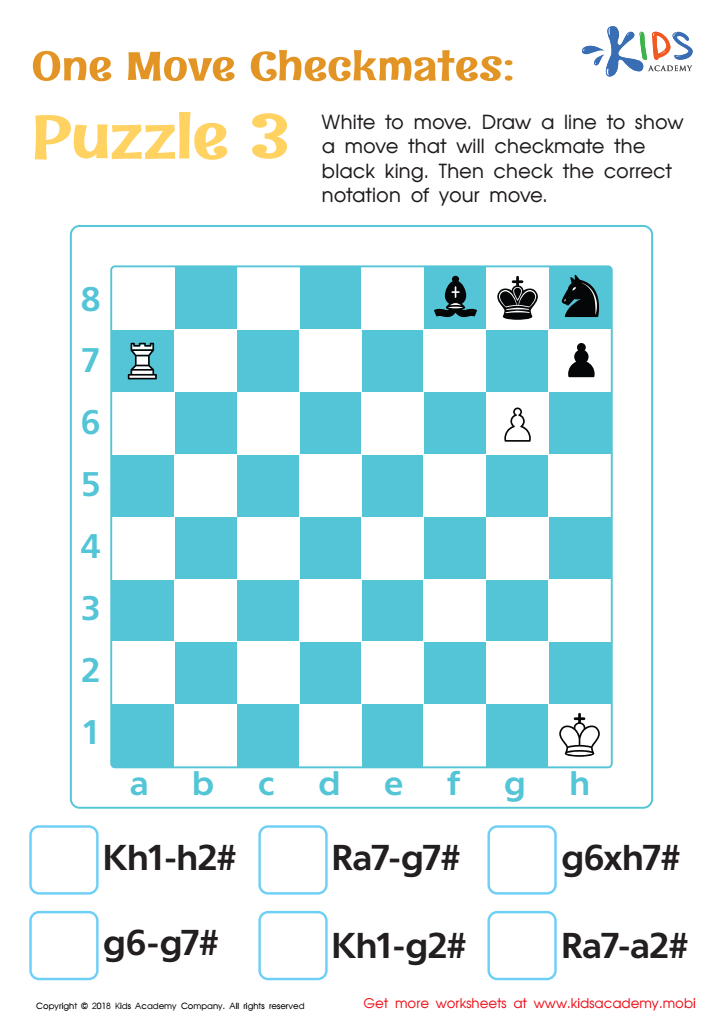
One Move Checkmates: Puzzle 3 Worksheet
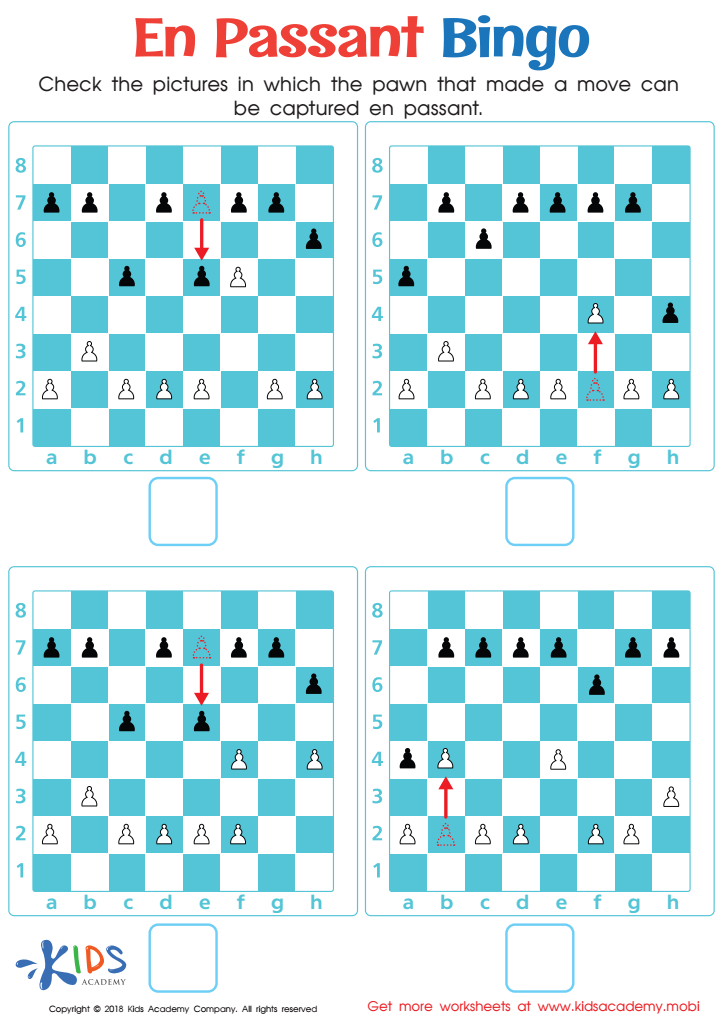
En Passant Bingo Worksheet
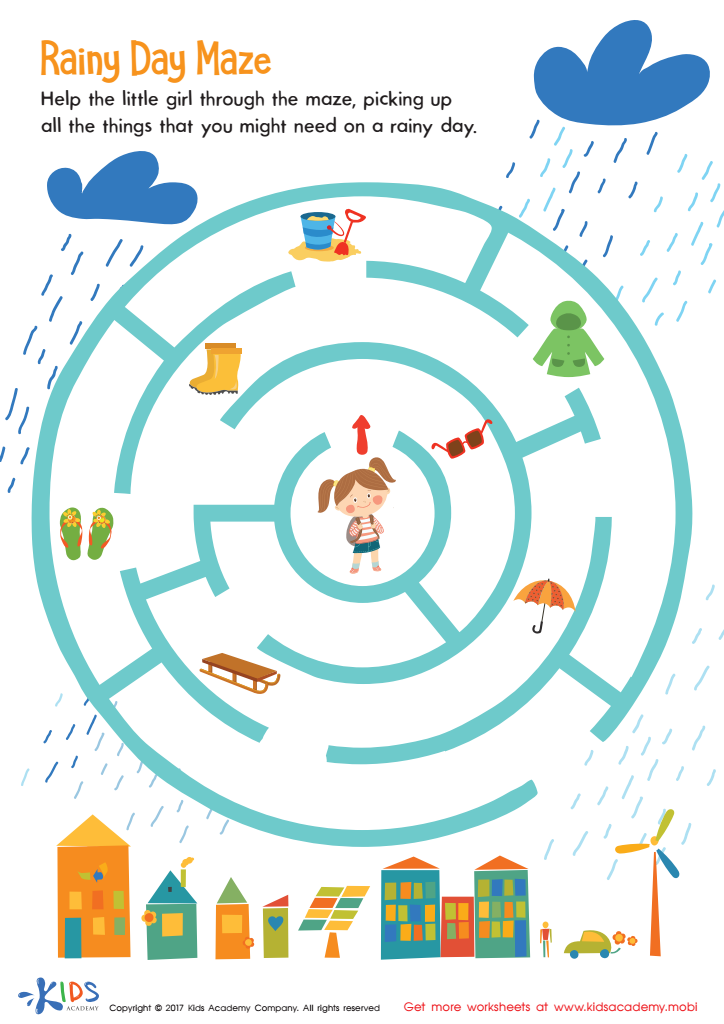
Rainy Day Maze Worksheet




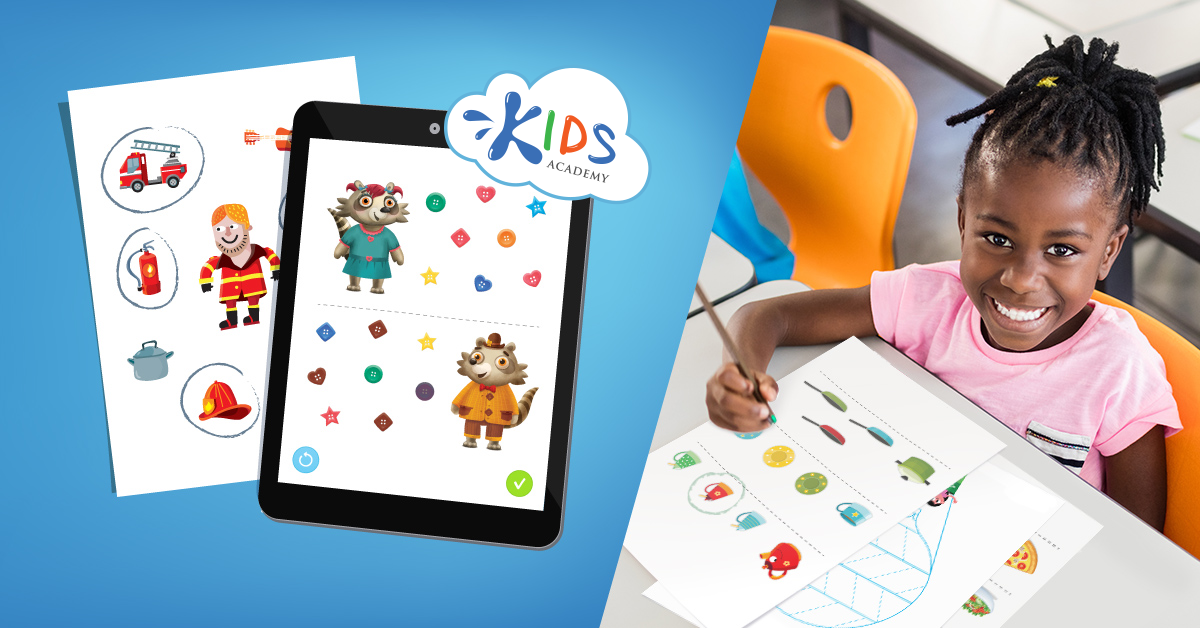



Parents and teachers should place great importance on decision-making practice for 6-year-olds because it significantly shapes their cognitive, social, and emotional development. At this age, children's brains are rapidly growing, creating an optimal window for teaching critical thinking and problem-solving skills. Early decision-making practice helps children learn to evaluate options, consider consequences, and make reasoned choices, which fosters independence and self-confidence.
Moreover, early decision-making practice is foundational for developing responsibility. When children are allowed to make choices, like choosing their outfits or selecting a bedtime story, they learn accountability for their actions. This helps build self-awareness and self-control, crucial components of emotional intelligence.
On a social level, decision-making practice aids in improving interpersonal skills. Children learn to negotiate, consider others' feelings, and collaborate on group decisions, which enhances their ability to function in social settings. Teachers and parents can use everyday opportunities to guide children through decision-making processes, encouraging reflection and discussion to deepen understanding.
In essence, nurturing decision-making skills in young children equips them with essential life skills. It prepares them for future challenges, making them better equipped to handle academic tasks, social interactions, and emotional hurdles. Thus, placing emphasis on decision-making at this formative stage is pivotal for comprehensive child development.








