Developing fine motor skills Worksheets for 6-Year-Olds
3 filtered results
-
From - To
Discover our engaging "Developing Fine Motor Skills Worksheets for 6-Year-Olds" designed to enhance your child's dexterity and coordination through playful learning. These printable worksheets are tailored to meet the developmental needs of children in this crucial age group, featuring a variety of fun and interactive activities. From tracing and cutting to connecting dots and color-by-number tasks, each worksheet fosters creativity while improving grip and hand strength. Ideal for at-home practice or classroom activities, our resources ensure that learning remains enjoyable. Empower your child’s early learning journey with our expertly crafted fine motor skills worksheets today!
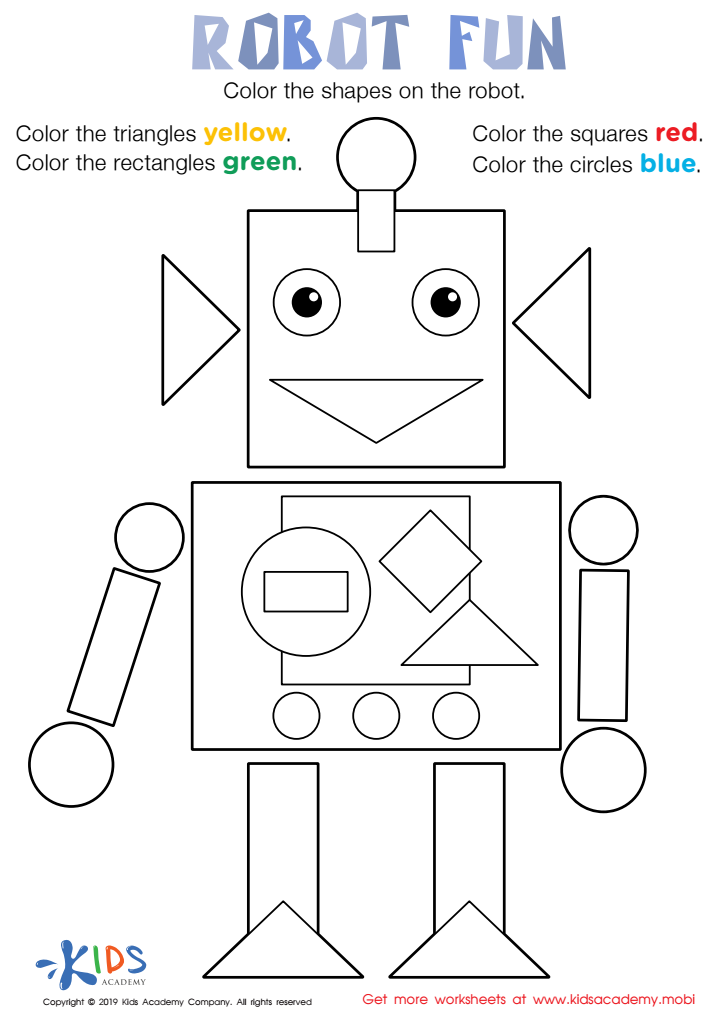
Robot Fun Worksheet
 Assign to My Students
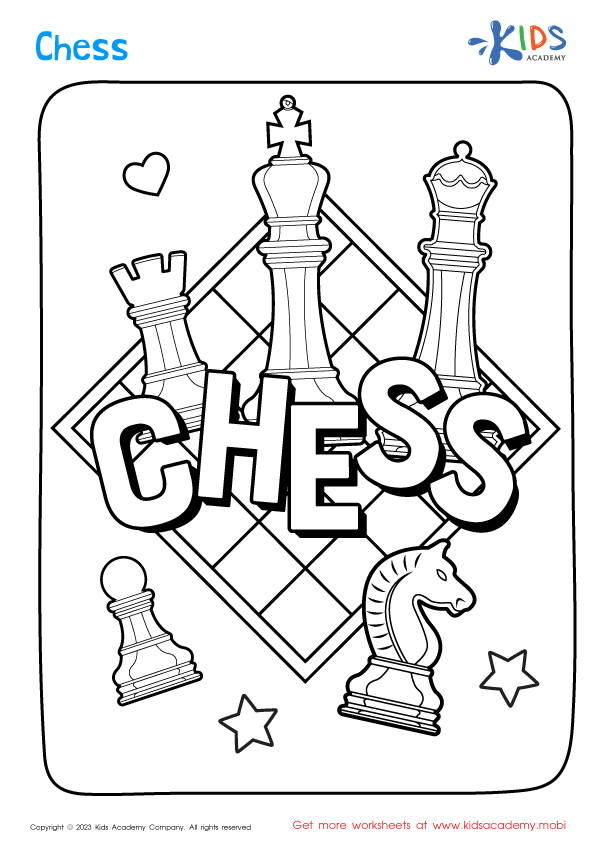
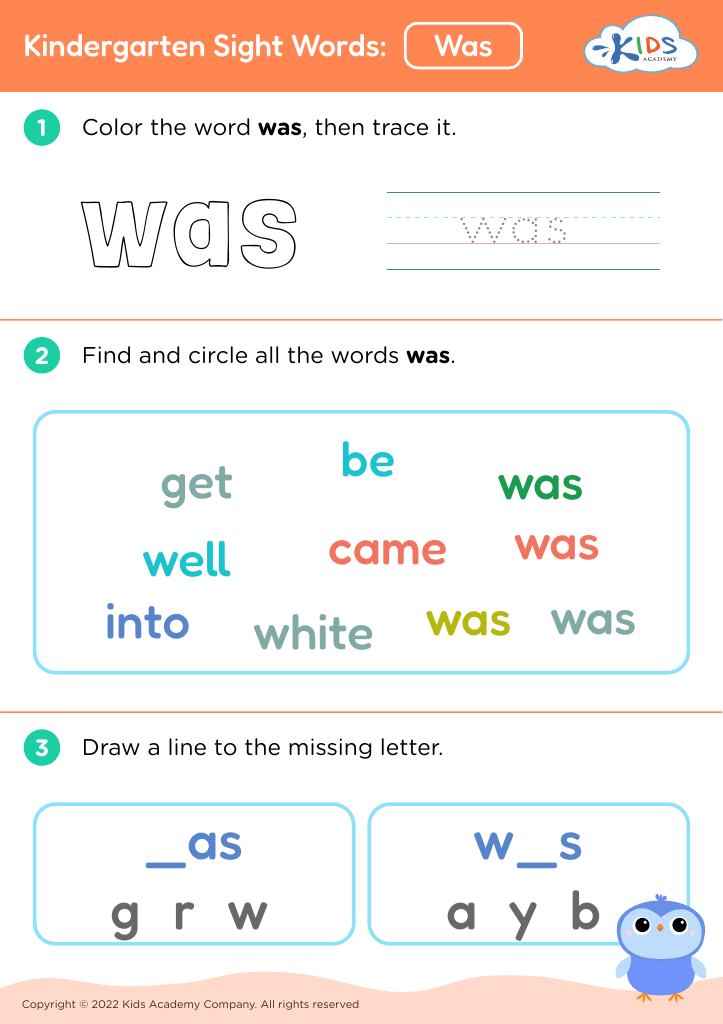






Developing fine motor skills in 6-year-olds is crucial for numerous reasons. First, fine motor skills involve the coordinated movements of small muscles, particularly in the hands and fingers, which are essential for tasks like writing, drawing, cutting, and manipulating small objects. Mastery of these skills lays the foundation for academic success, especially as children begin to engage in structured learning activities.
Moreover, strong fine motor skills boost a child’s self-esteem and confidence. When children can effectively use their hands for various tasks, they feel more capable and autonomous, fostering a positive attitude towards learning. Additionally, these skills enhance cognitive development; activities like threading beads or constructing with blocks stimulate problem-solving and critical thinking.
Fine motor skill development is also linked to social skills. Many group activities require cooperation and coordination, teaching children valuable lessons about sharing and teamwork. Lastly, nurturing these skills can aid in identifying any developmental concerns early, ensuring timely intervention if needed. Overall, cultivating fine motor skills not only supports a child’s academic journey but contributes to their holistic development, making it a critical focus for parents and educators alike.








