Letter Tracing Worksheets for 6-Year-Olds
8 filtered results
-
From - To
Boost young learners' handwriting skills with our Letter Tracing Worksheets for 6-Year-Olds! Designed to make learning fun and effective, these engaging printables help children master the basics of letter formation and build confidence in their writing abilities. Each worksheet offers ample practice with clear dotted lines and arrows guiding the proper strokes. Our age-appropriate activities keep kids motivated through colorful illustrations and playful themes. Great for classroom or home use, these worksheets support both handwriting development and letter recognition. Download now to give your child a head start in literacy and fine motor skills!
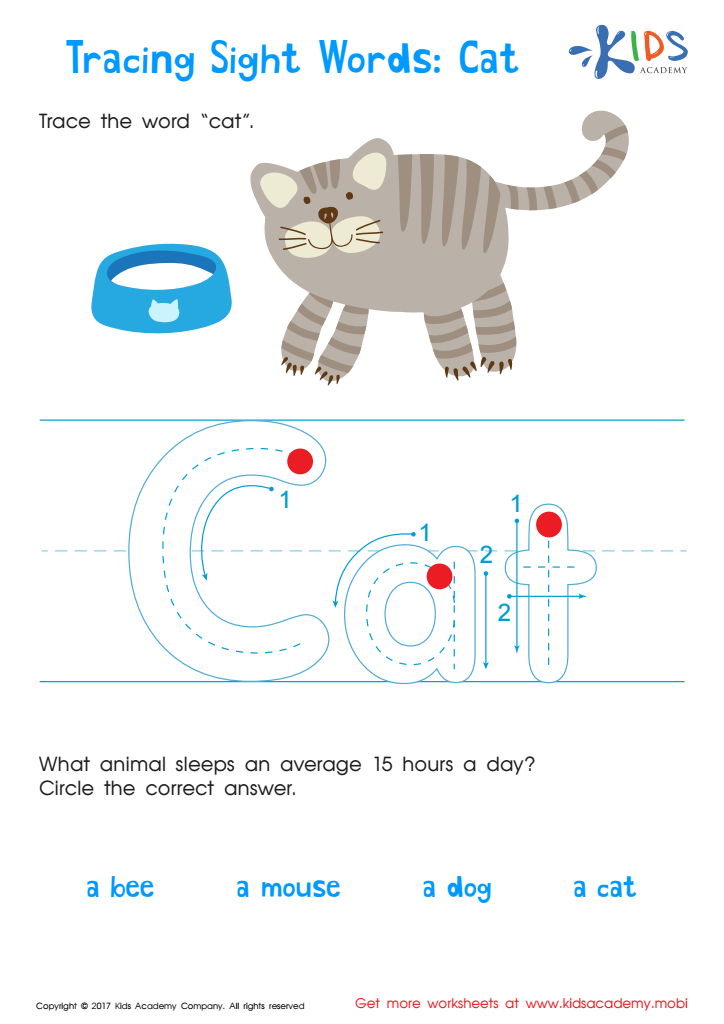
Cat Printable Sight Words Worksheet
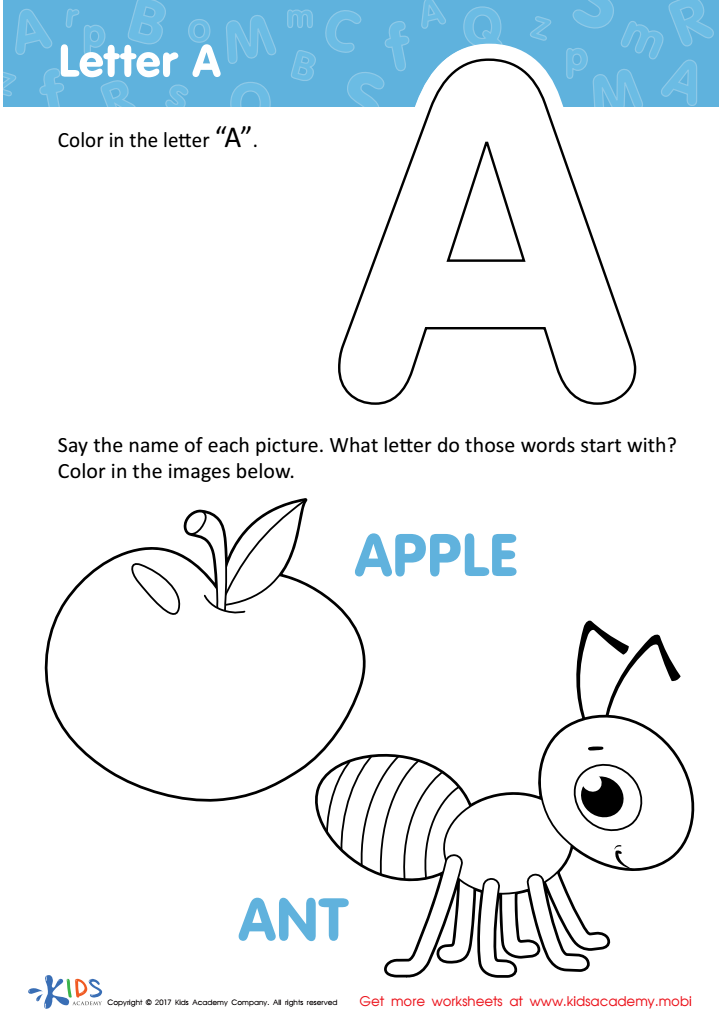
Letter A Coloring Sheet
 Assign to My Students
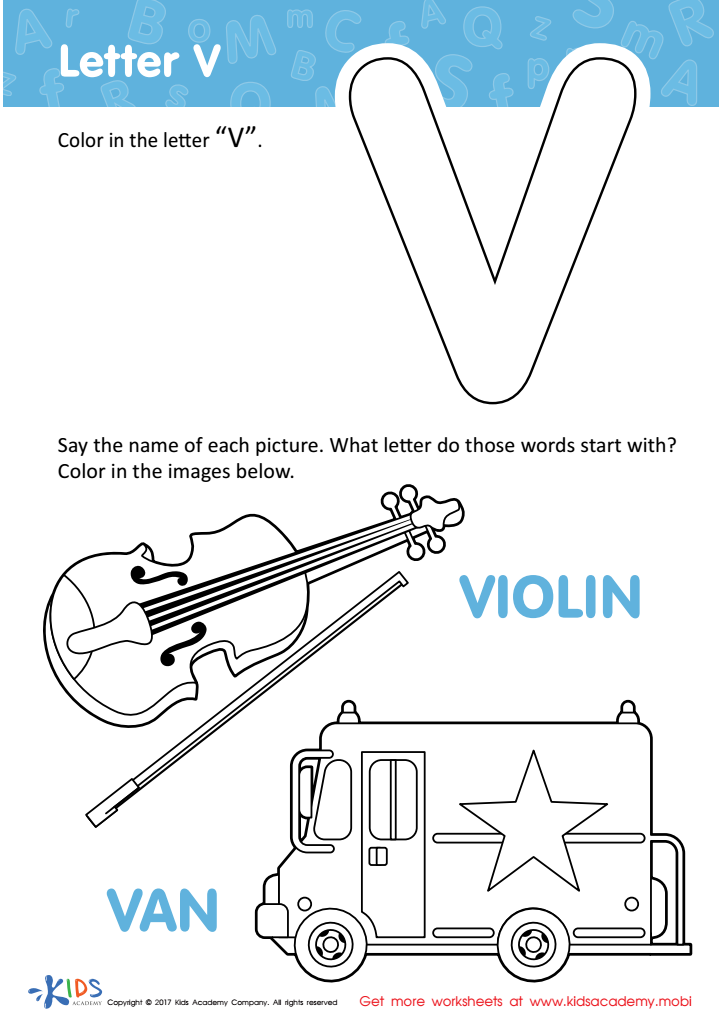
Letter V Coloring Sheet
Assign to My Students
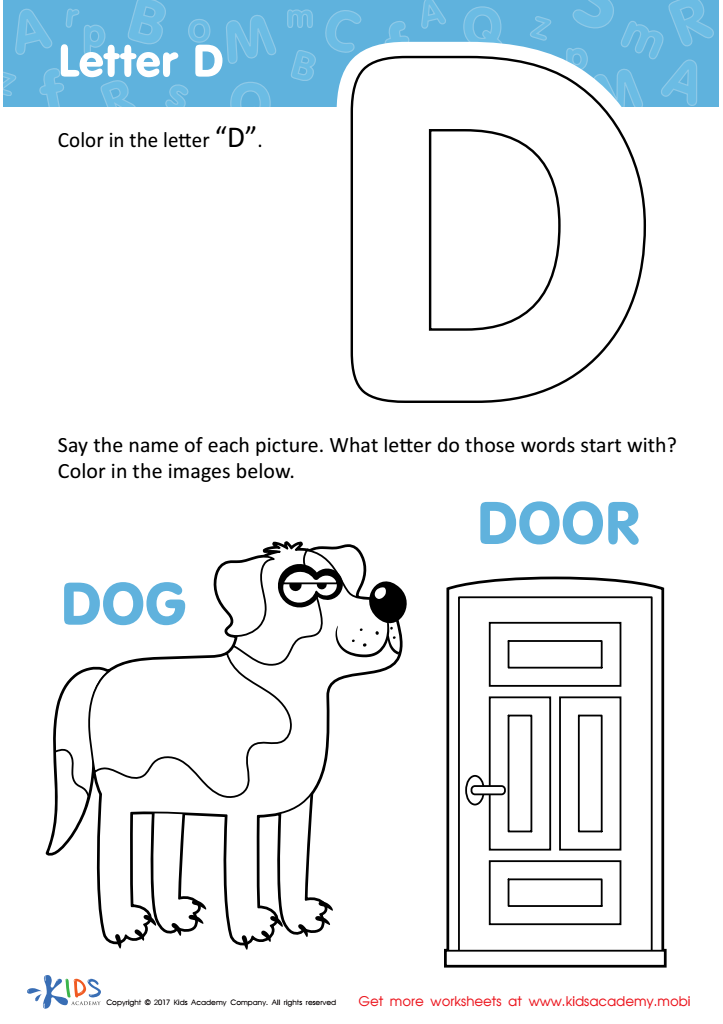
Letter D Coloring Sheet
Assign to My Students
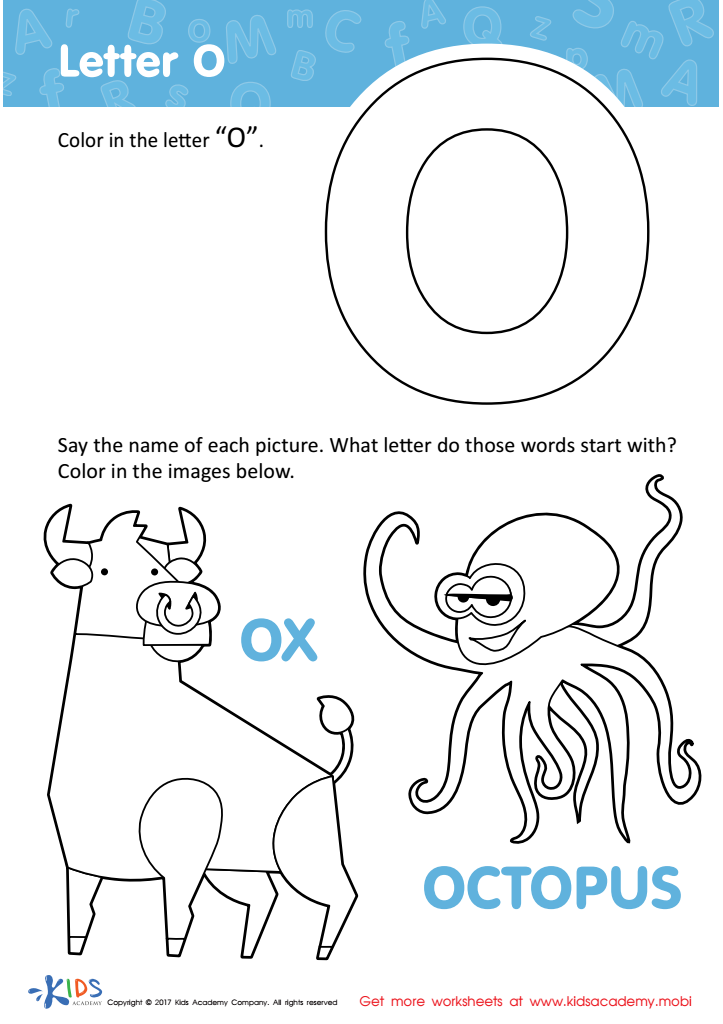
Letter O Coloring Sheet
Assign to My Students
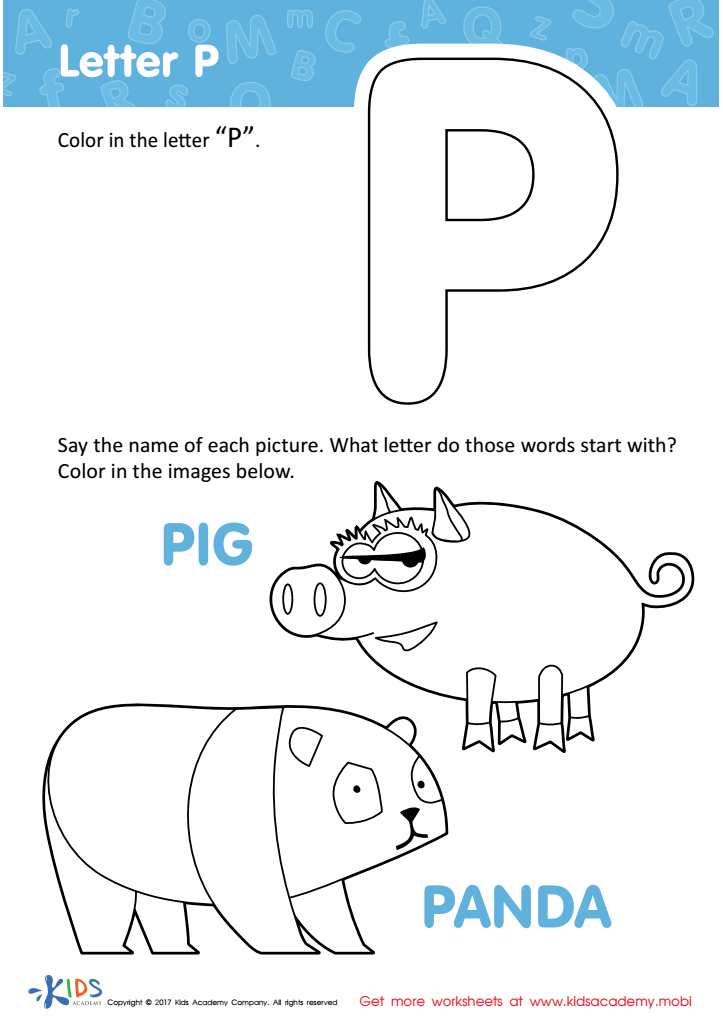
Letter P Coloring Sheet
Assign to My Students
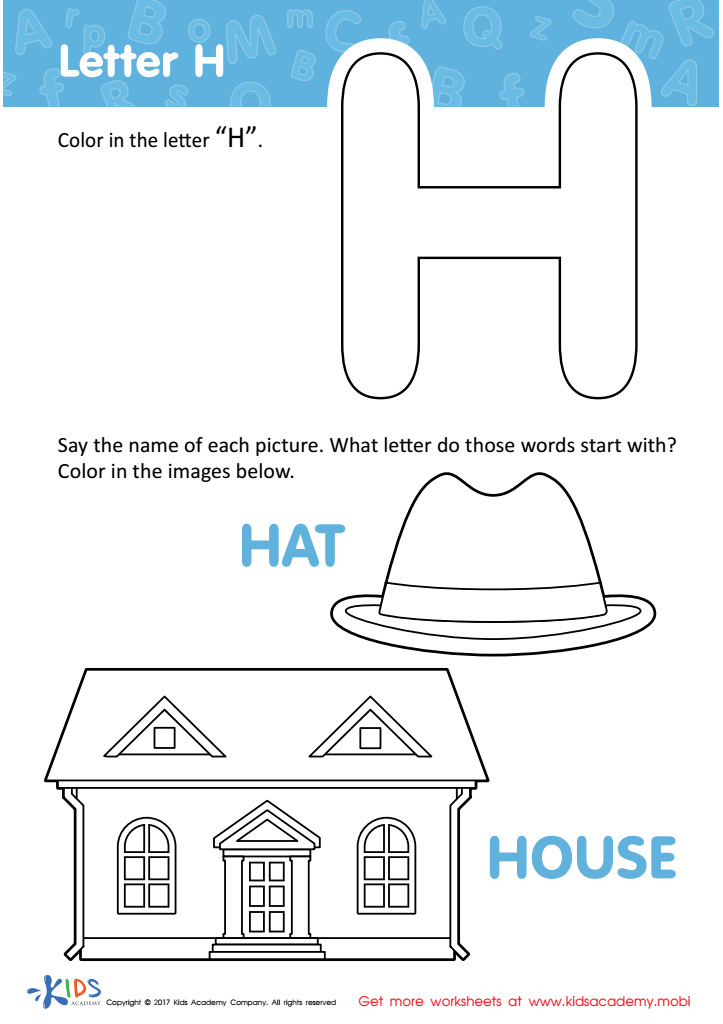
Letter H Coloring Sheet
Assign to My Students
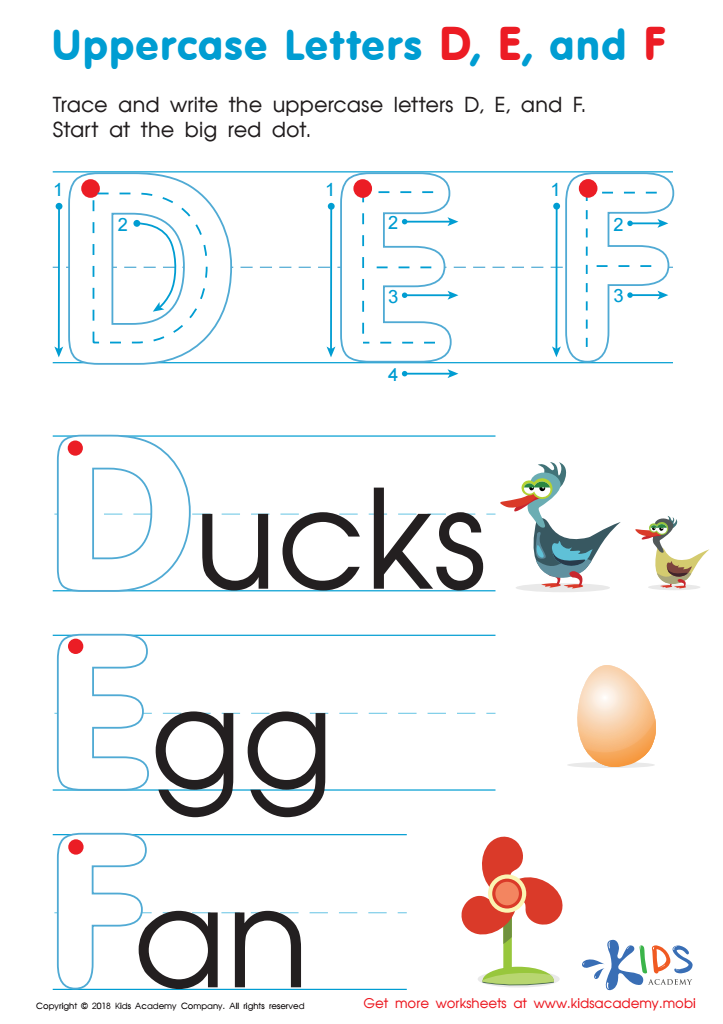
Uppercase Letters D, E, and F Worksheet








Letter tracing is a foundational activity that plays a crucial role in early childhood education, particularly for 6-year-olds who are at a critical stage in their literacy development. Parents and teachers should care about letter tracing for several compelling reasons. Firstly, it helps children develop fine motor skills essential for writing. The repetitive motion of tracing letters strengthens the small muscles in the hands and fingers, which is necessary for precise control.
Secondly, letter tracing promotes visual and cognitive skills necessary for letter recognition. By constantly seeing and forming each letter, children become more familiar with their shapes and can more easily identify them in written text. This familiarity is a key step toward reading fluency.
Moreover, letter tracing encourages cognitive connections between visual symbols (letters) and their phonetic sounds. This linkage is fundamental in developing early reading and spelling skills. It turns abstract shapes into meaningful symbols that children can use to form words and sentences.
Lastly, completing tracing exercises successfully boosts children’s confidence and motivates them to further engage in learning activities. This positive reinforcement fosters a love for learning that can contribute to their success in future educational endeavors.
For these reasons, parents and teachers should actively incorporate letter tracing into early education curricula to provide a strong foundation for reading and writing skills.








