Logical thinking development Worksheets for 6-Year-Olds
14 filtered results
-
From - To
Our Logical Thinking Development Worksheets for 6-Year-Olds are designed to nurture young minds through engaging and educational activities. These worksheets help children enhance their problem-solving skills, promote analytical thinking, and develop the ability to recognize patterns and sequences. Perfect for both classroom and home use, these resources are crafted to make learning fun and interactive. By incorporating a variety of exercises like puzzles, matching games, and categorization tasks, our worksheets ensure a well-rounded approach to developing critical cognitive skills. Support your child's intellectual growth with our expertly designed materials and watch them thrive!
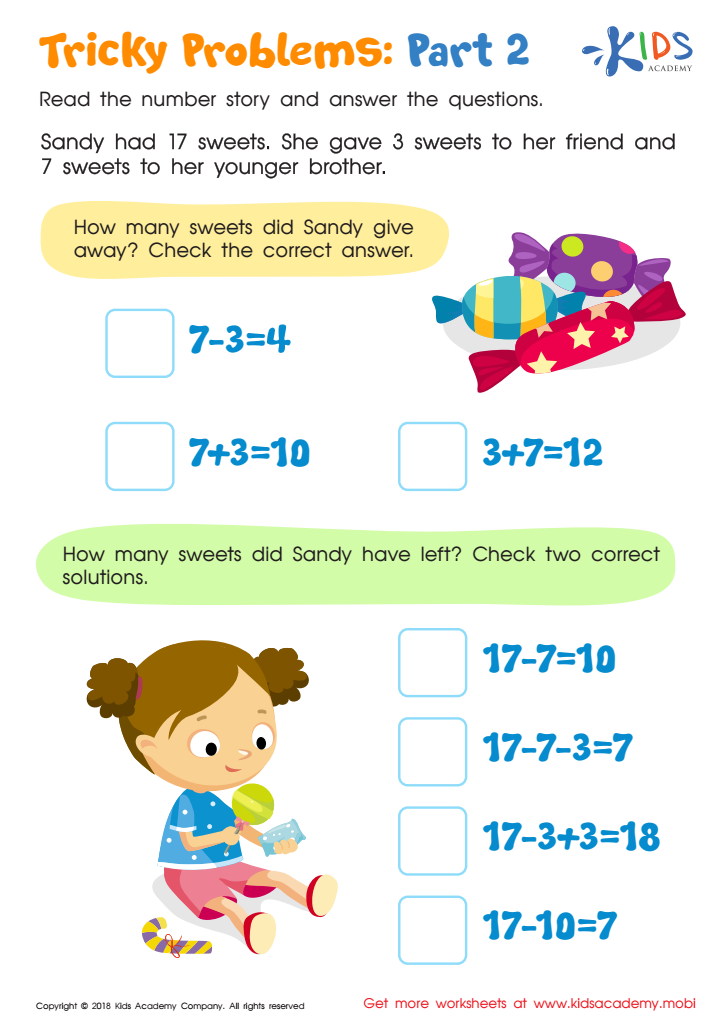
Tricky Problems Worksheet: Part 2
 Assign to My Students
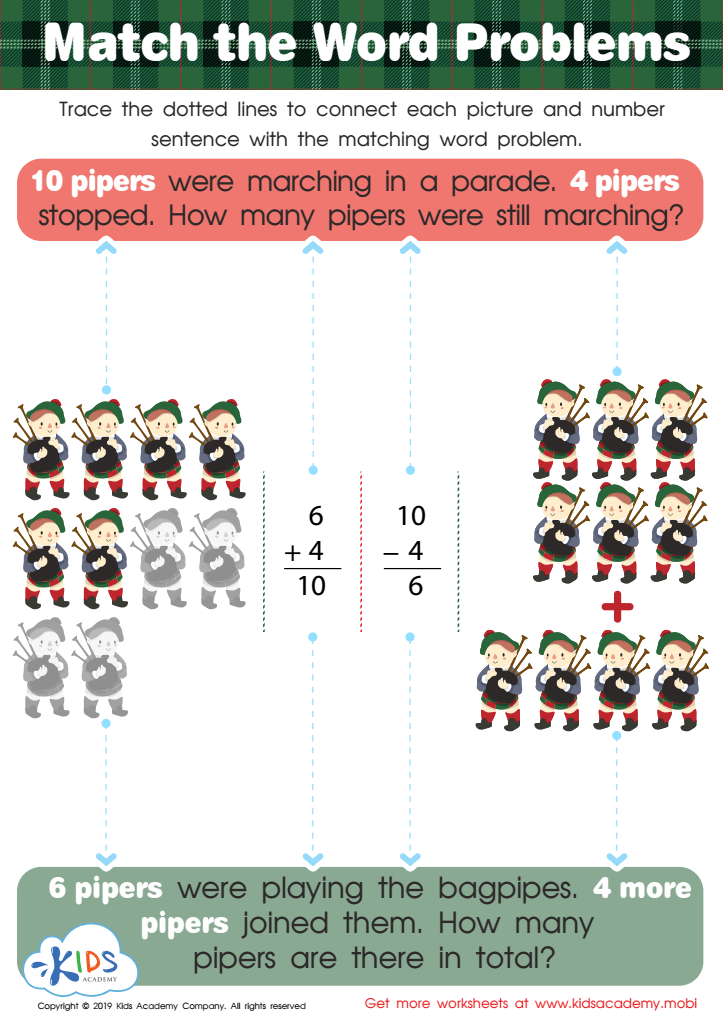
Match the Word Problems Worksheet
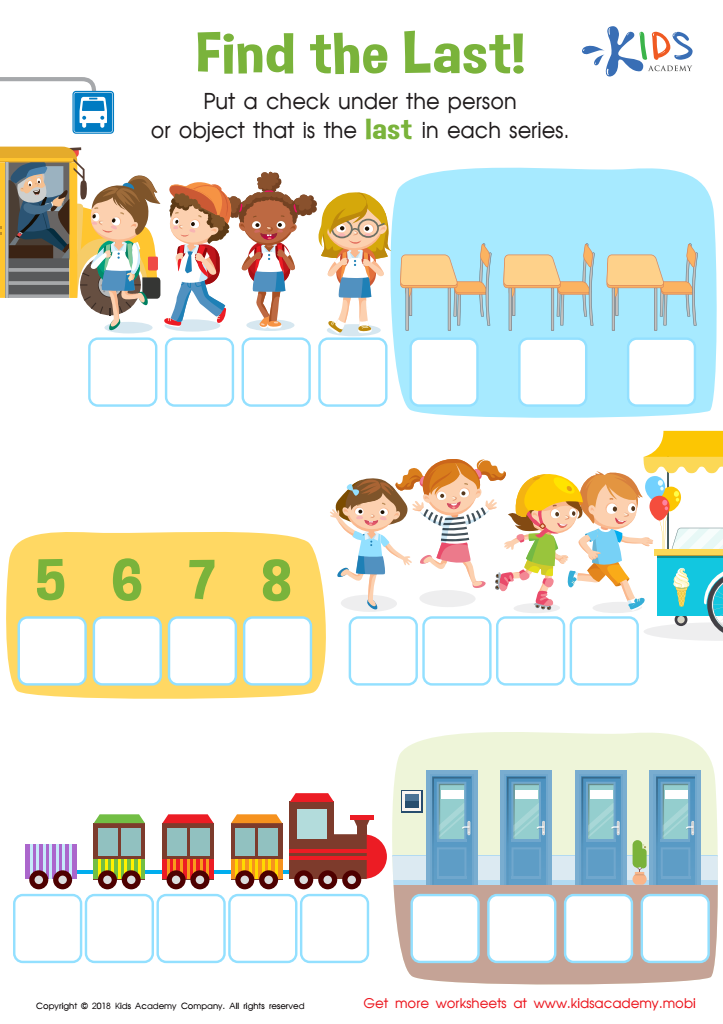
Find the Last! Worksheet
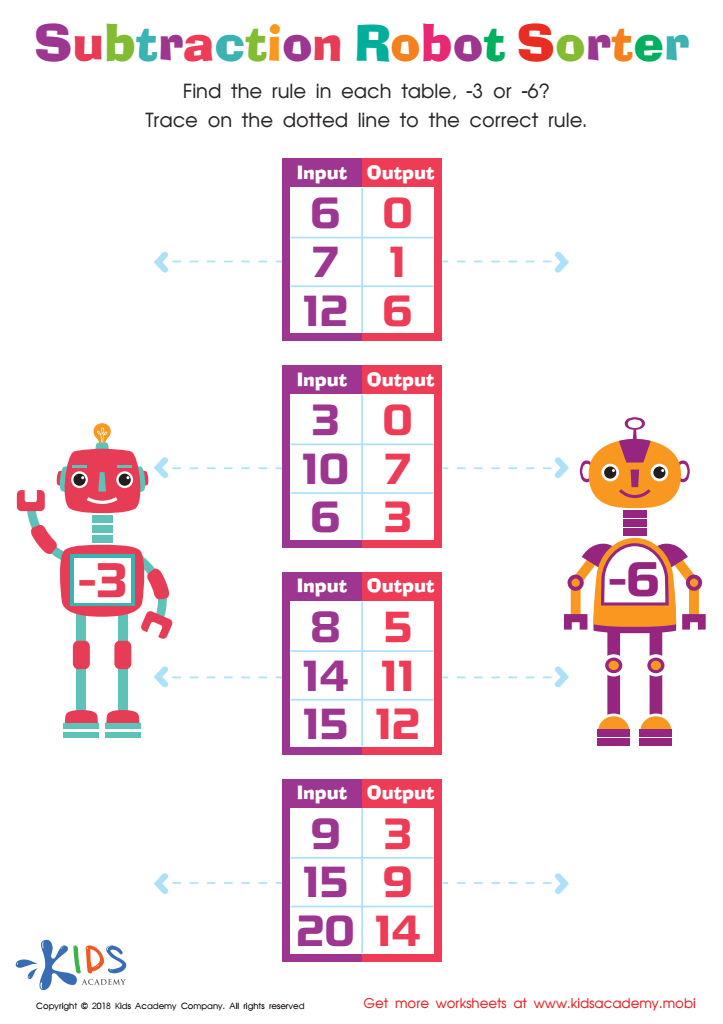
Subtraction Robot Sorter Worksheet
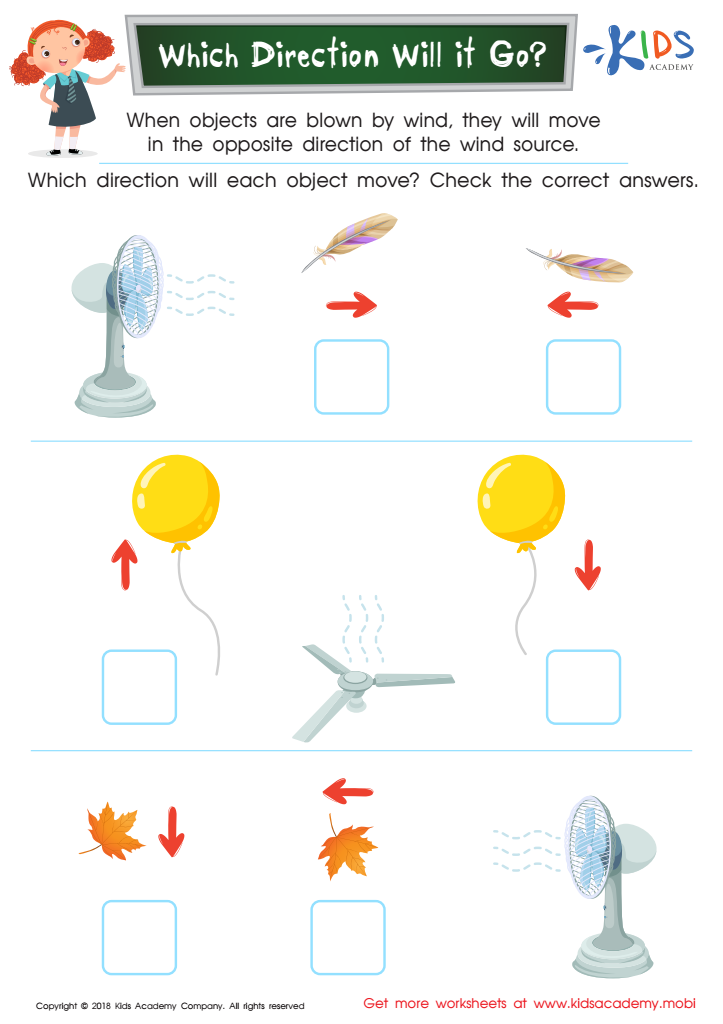
Which Direction Will it Go? Worksheet
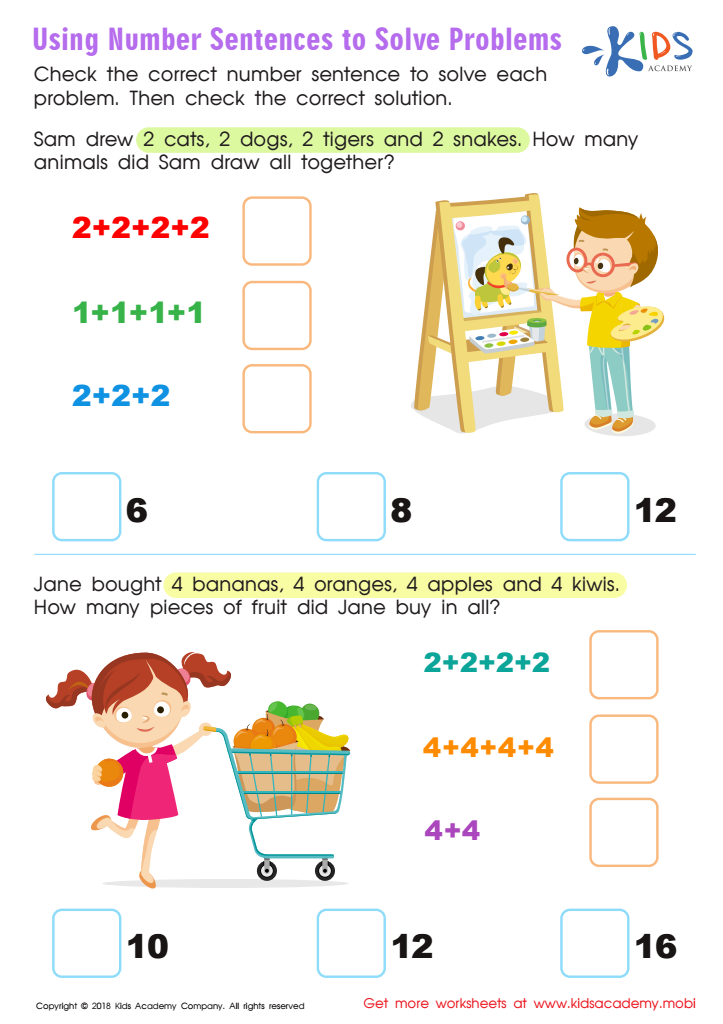
Using Number Sentences to Solve Problems Worksheet
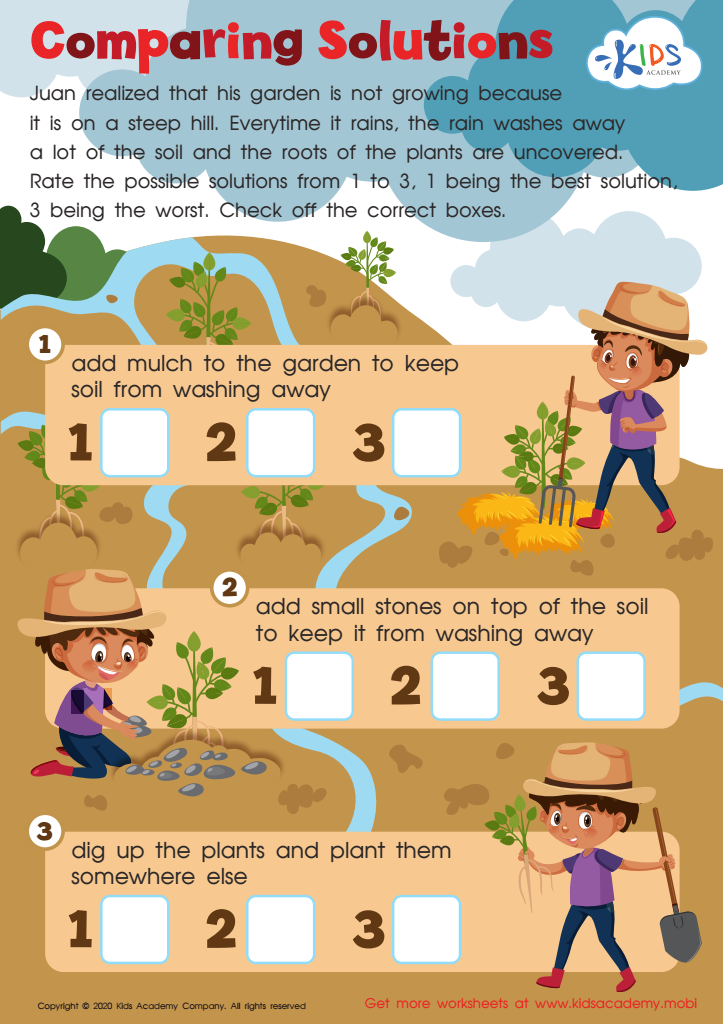
Comparing Solutions Worksheet
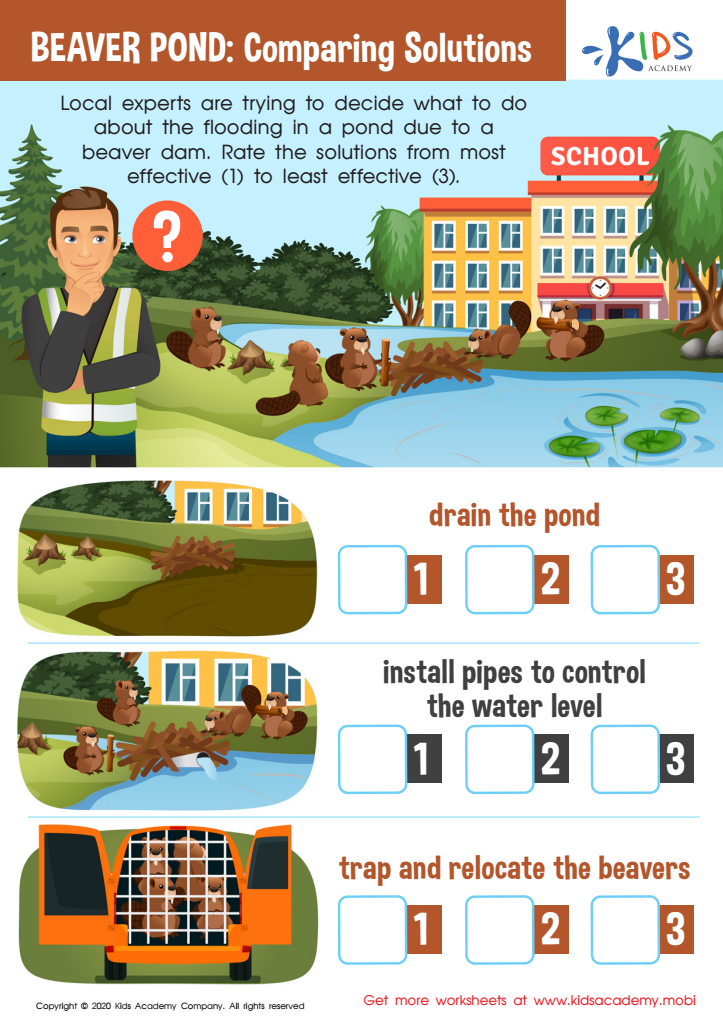
Beaver Pond: Comparing Solutions Worksheet
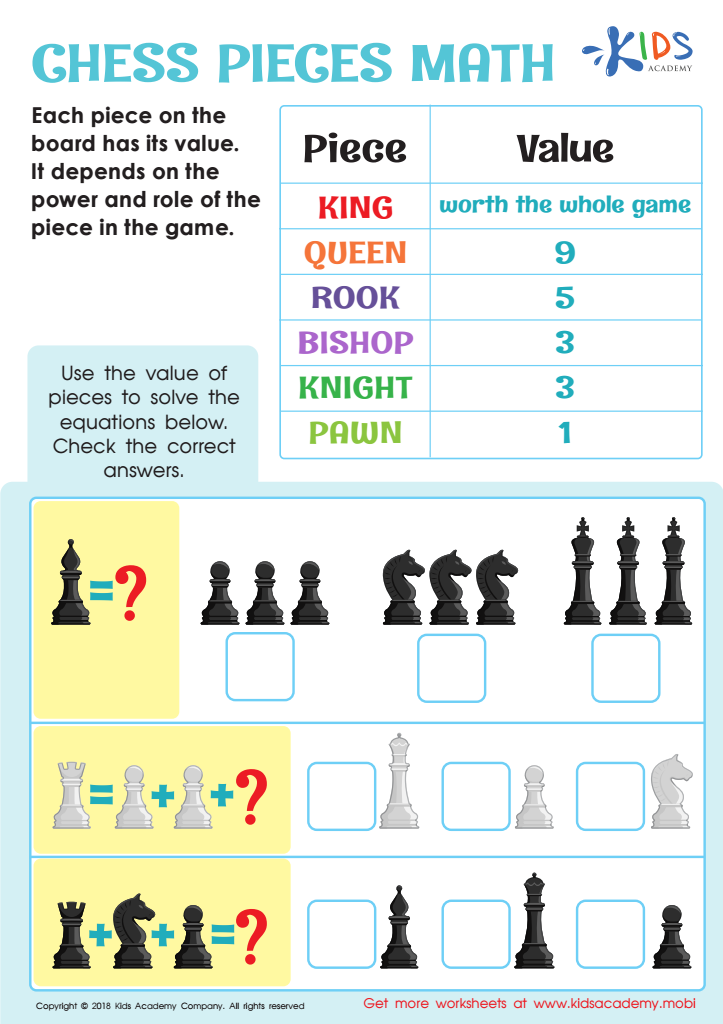
Chess Pieces Math Worksheet
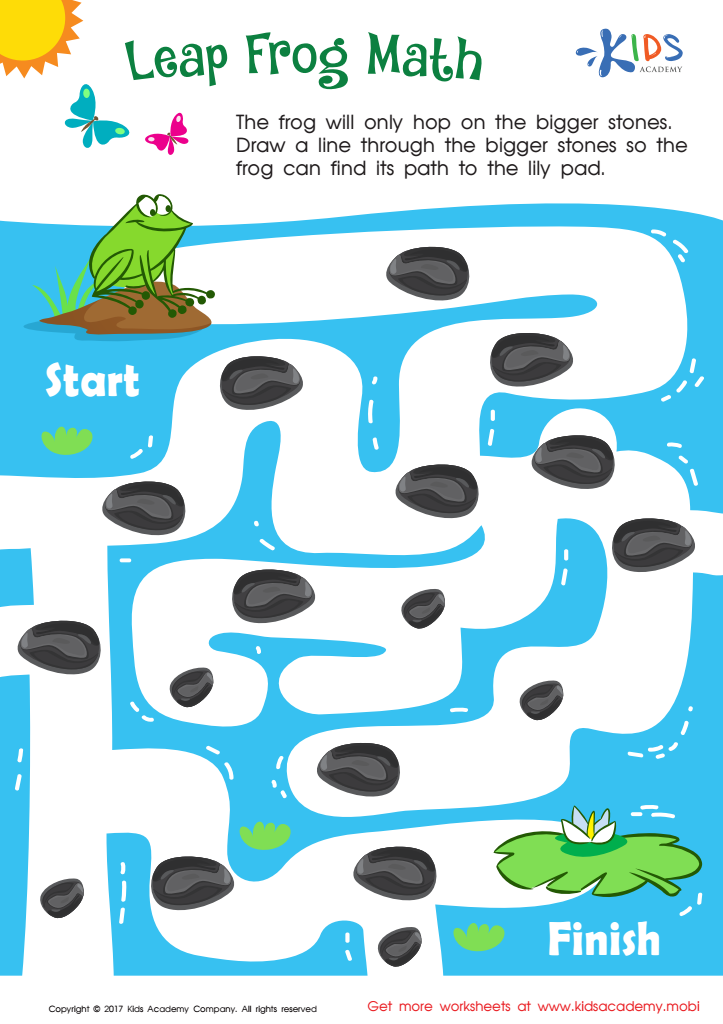
Math Puzzle Worksheet
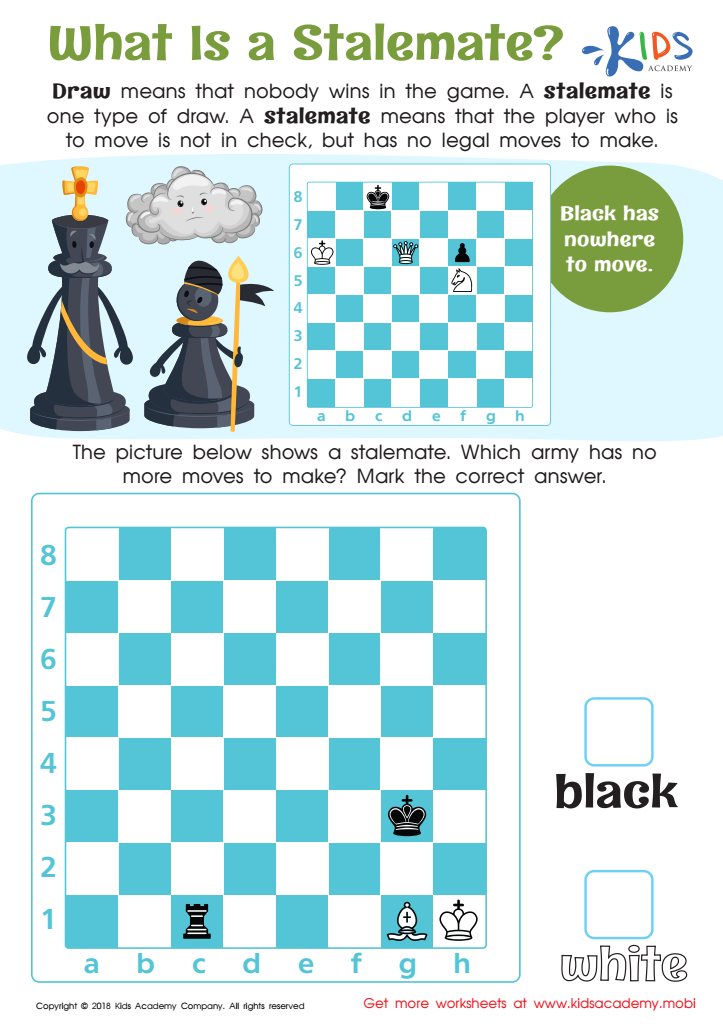
What Is a Stalemate? Worksheet
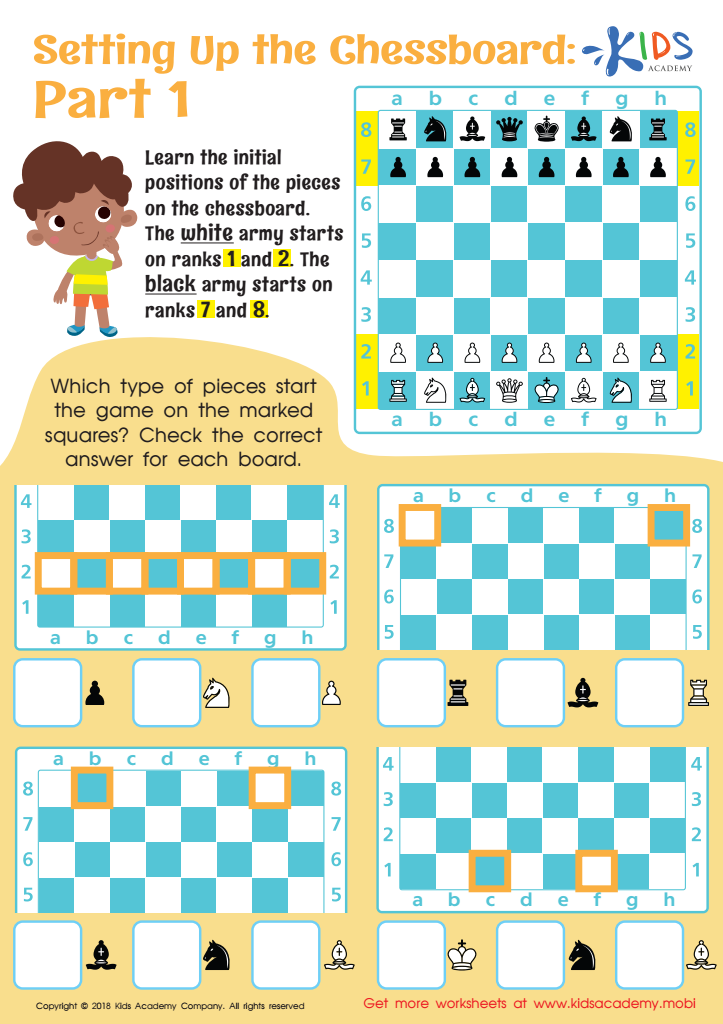
Setting up the Chessboard: Part 1 Worksheet
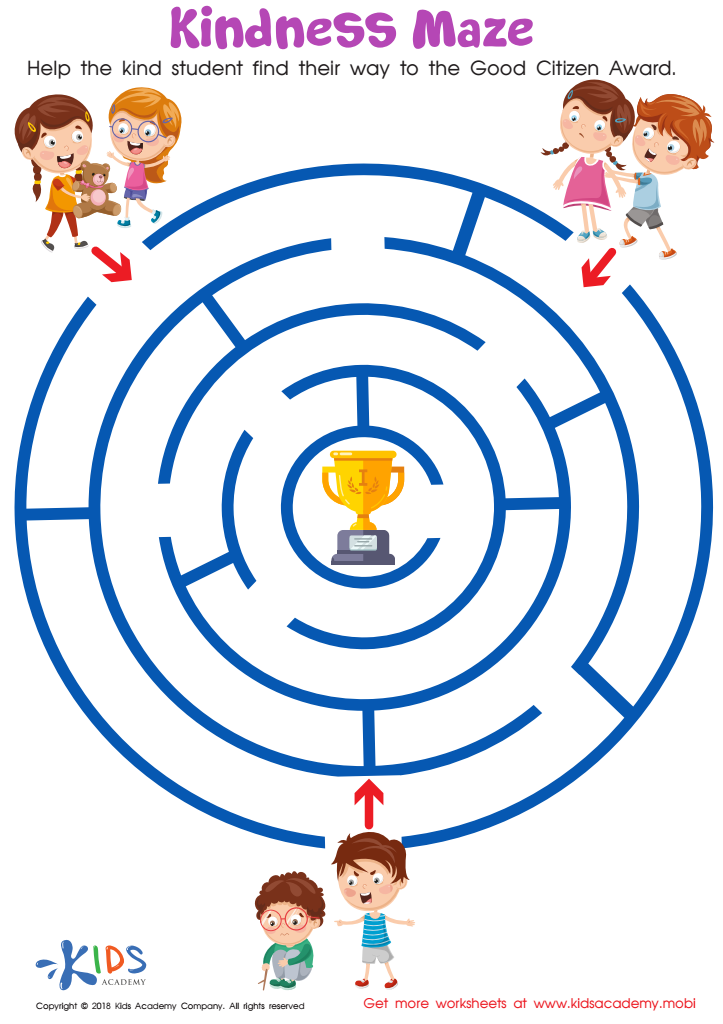
Kindness Maze Worksheet


.jpg)





Parents and teachers should prioritize the development of logical thinking in 6-year-olds because it lays a crucial foundation for their future learning and problem-solving abilities. At this age, children's brains are highly receptive and capable of absorbing new information, making it an ideal time to nurture critical cognitive skills.
Logical thinking enables children to make sense of the world, understand cause-and-effect relationships, and improve their reasoning abilities. For example, understanding that rain makes streets wet helps children draw connections and predict outcomes, which is essential for academic success. In subjects like math and science, logical thinking are fundamental; children who can follow sequential steps to solve a problem will find these subjects less intimidating and more engaging.
Moreover, strong logical thinking skills contribute to better decision-making. Children learn to evaluate different options and foresee consequences, enhancing their ability to make informed choices in both academic and social settings. This skill is particularly important in fostering independence and resilience.
Finally, developing logical thinking also promotes language and communication skills. As children explain their thought processes, they refine their ability to articulate ideas clearly and confidently, benefiting all areas of learning and interaction.
In sum, focusing on logical thinking development gives children the tools and confidence to tackle challenges, making it a cornerstone of early childhood education.








