Logical thinking improvement Worksheets for 6-Year-Olds
4 filtered results
-
From - To
Enhance your child's logical thinking skills with our engaging worksheets for 6-year-olds! These thoughtfully designed activities encourage critical thinking, problem-solving, and reasoning through fun, age-appropriate challenges. Each worksheet features colorful illustrations and interactive exercises that captivate young minds while promoting cognitive development. Topics include pattern recognition, shape sorting, and guided puzzles that stimulate analytical skills. Perfect for at-home learning or classroom settings, our logical thinking improvement worksheets provide a valuable foundation for future learning. Unlock the potential of your child's mind and watch them thrive as they enjoy learning through play! Start exploring today!
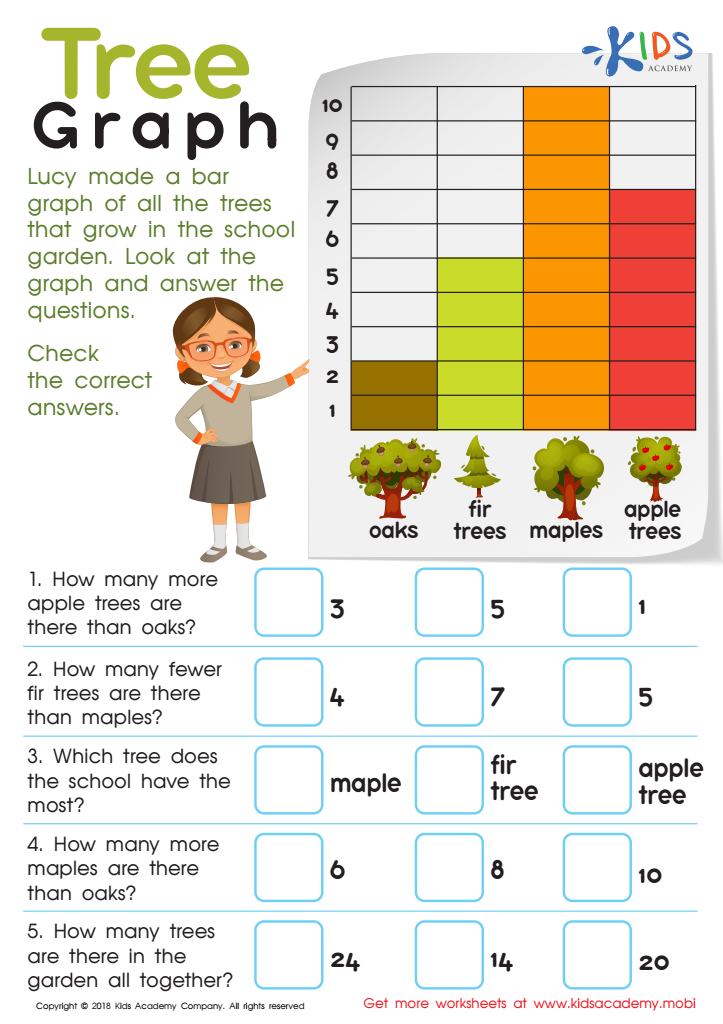
Tree Graph Worksheet
 Assign to My Students
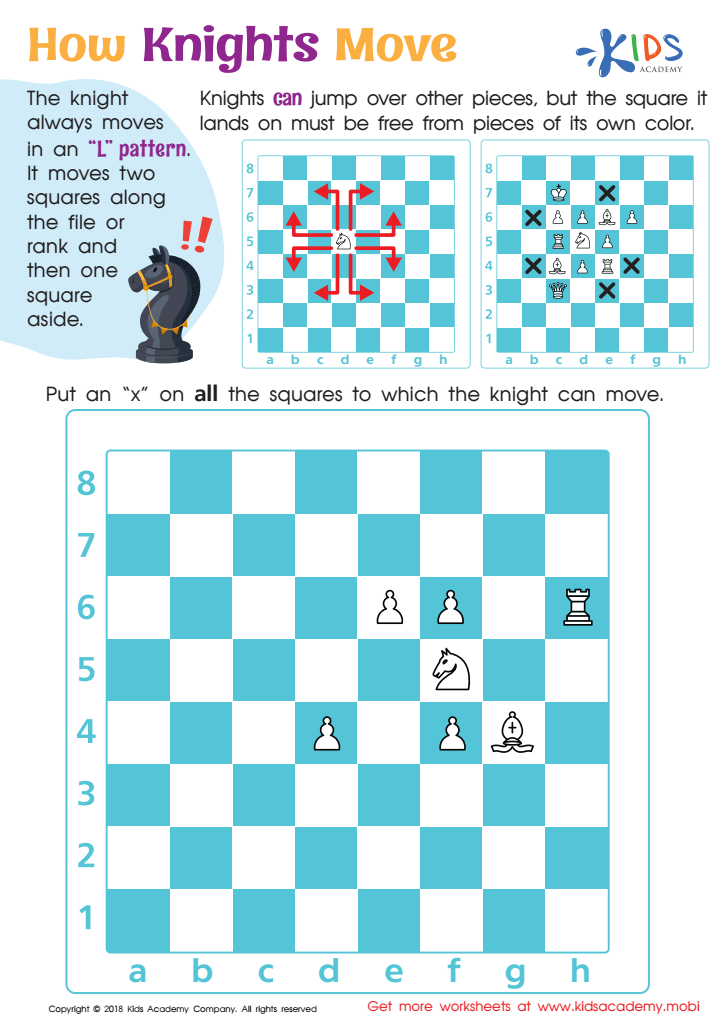
How Knights Move Worksheet

Two Rook Mate Practice Worksheet
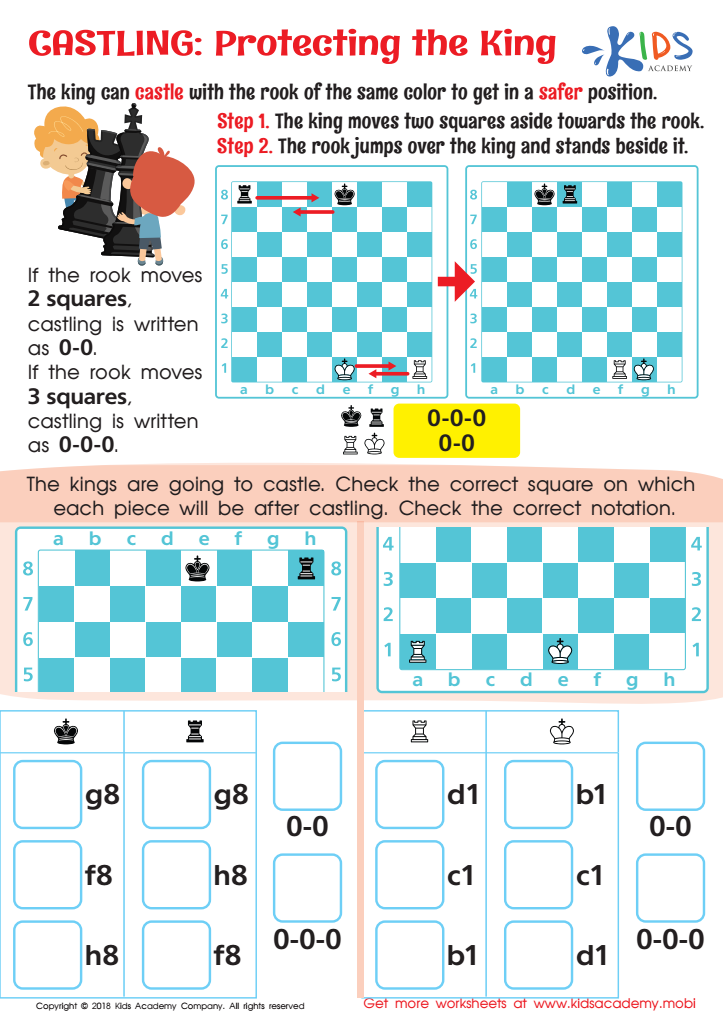
Castling: Protecting the King Worksheet







Logical thinking skills are fundamental for children's cognitive development, especially at the age of six. This developmental stage is crucial as children begin to understand concepts, categorize information, and problem-solve. Enhancing logical thinking at this age fosters critical skills such as reasoning, decision-making, and the ability to sequence events. Both parents and teachers play a vital role in nurturing these abilities.
When children engage in logical thinking exercises, they learn to analyze different scenarios, predict outcomes, and understand cause-and-effect relationships. This skill set is essential not just for academic success, but also for real-life situations they will encounter as they grow. It empowers them to tackle challenges, work collaboratively in groups, and communicate their ideas effectively.
Furthermore, logical thinking can improve a child’s confidence as they learn to think independently and leverage their understanding of the world around them. For teachers, incorporating logical thinking tasks into the curriculum enhances classroom engagement and creativity among students. Parents can reinforce these concepts at home through puzzles, games, and discussions. Ultimately, investing time in developing logical thinking in six-year-olds yields long-term benefits, preparing them for future academic challenges and everyday decision-making skills.








