Mental arithmetic Worksheets for 6-Year-Olds
6 filtered results
-
From - To
Welcome to our Mental Arithmetic Worksheets for 6-Year-Olds page, designed to enhance your child's math skills through fun and engaging activities! These worksheets focus on developing critical mental calculation abilities, fostering numerical fluency while helping young learners gain confidence in their math abilities. Tailored for children at this essential learning stage, our engaging exercises include simple addition and subtraction problems that strengthen foundational math concepts. Perfect for home or classroom use, these printable resources make learning enjoyable and effective. Download our worksheets to embark on an exciting mathematical journey that sparks curiosity and promotes a love for learning in your child!
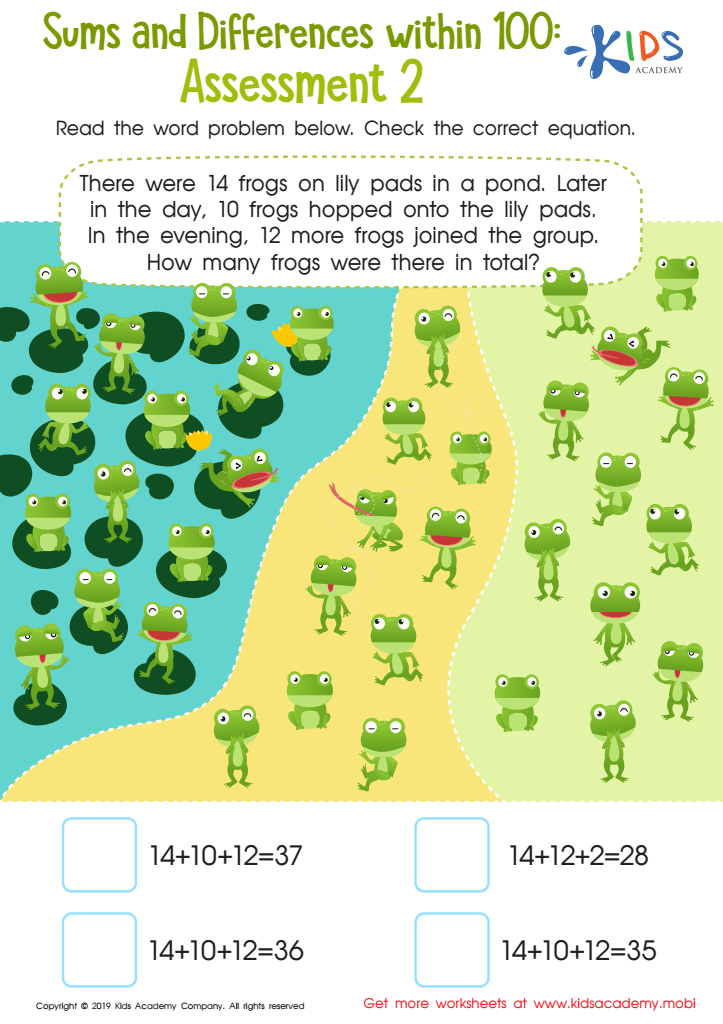
Sums and Differences Within 1 - Assessment 2 Worksheet
 Assign to My Students
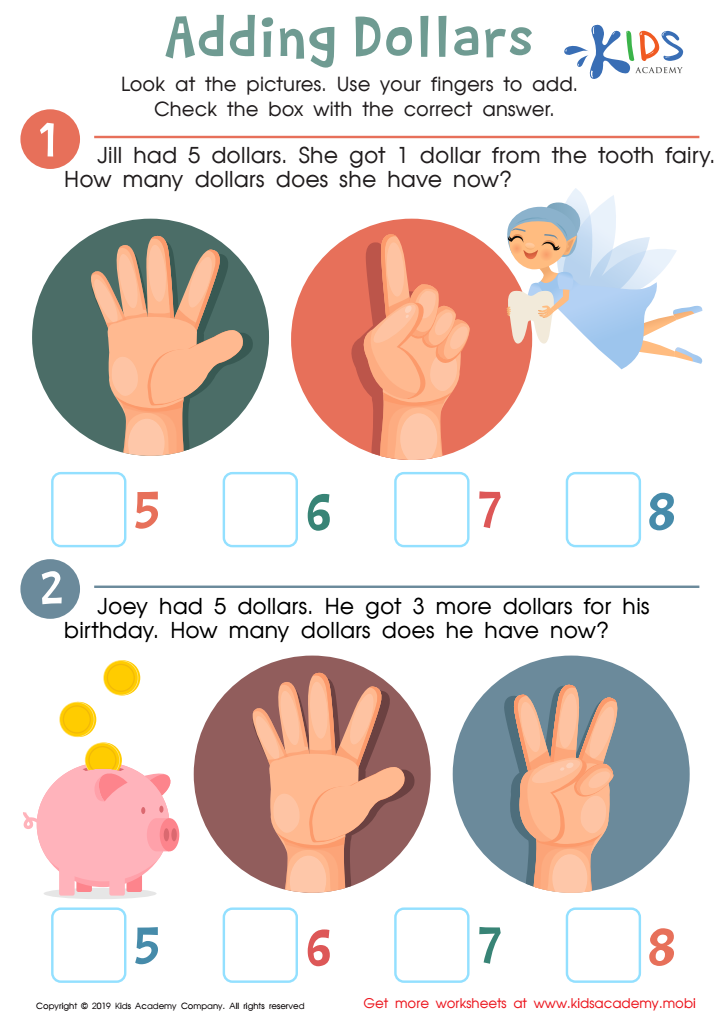
Tooth Fairy Addition Worksheet
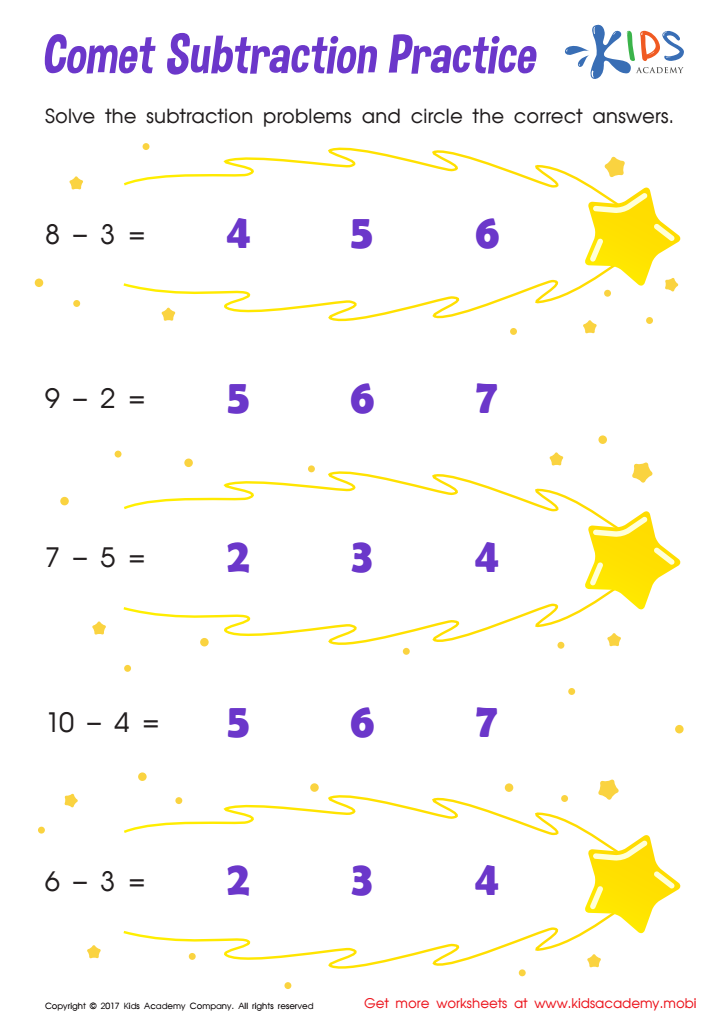
Comet Subtraction Practice Substraction Worksheet
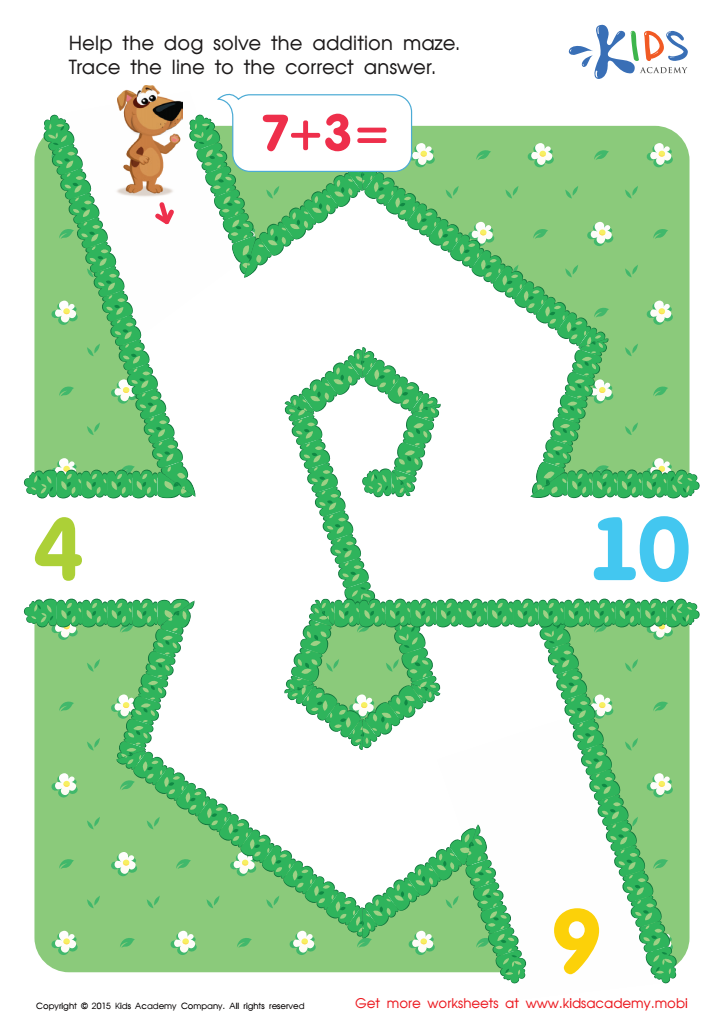
Seven Plus Three Worksheet
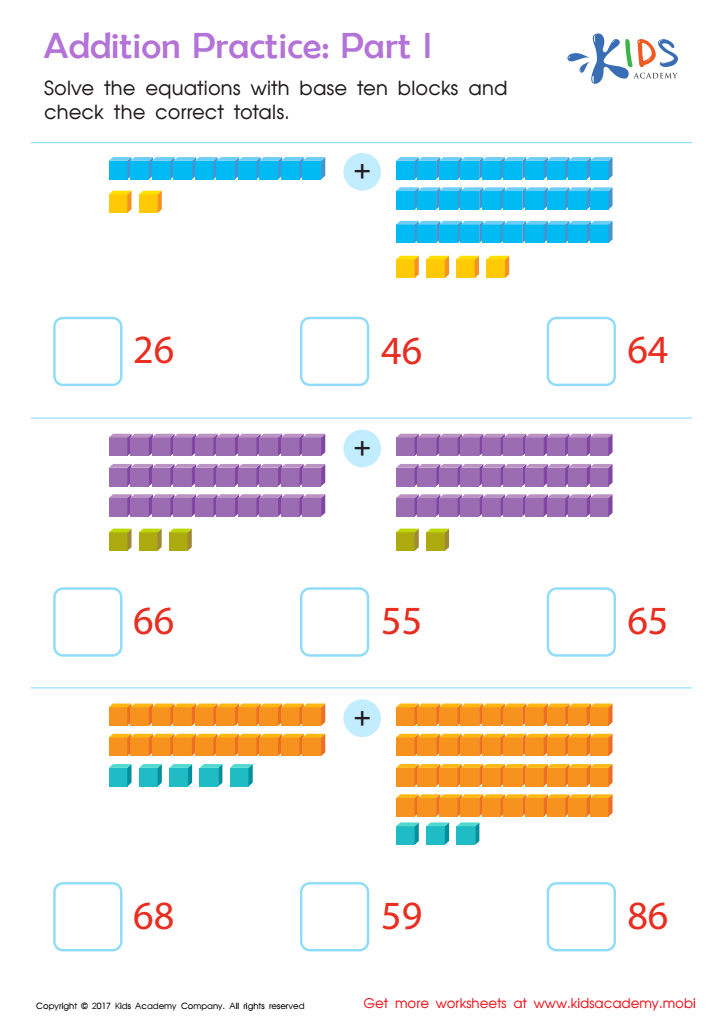
Addition Practice Sheet: Part 1
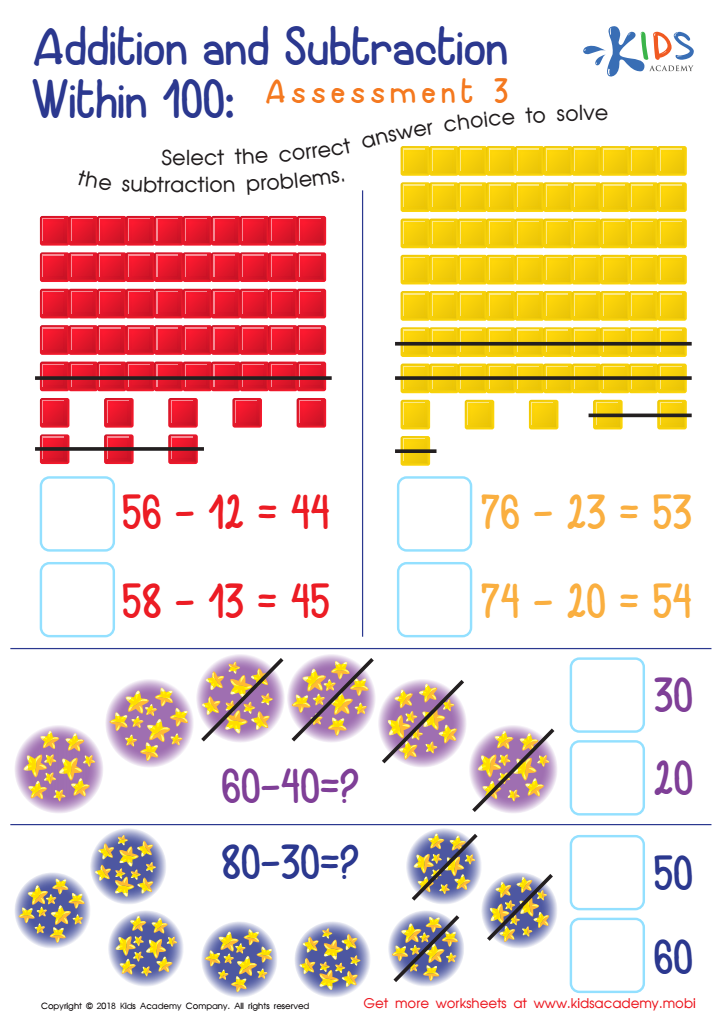
Addition and Subtraction Within 1: Assessment 3 Worksheet





.jpg)


Mental arithmetic is a crucial skill for 6-year-olds as it lays the foundation for their mathematical understanding and cognitive development. At this stage, children are naturally curious and able to grasp numbers and simple operations. Engaging them in mental arithmetic fosters skills like quick thinking, problem-solving, and the ability to perform calculations without relying solely on physical tools like pencils or calculators.
Parents and teachers should care about this skill because it not only enhances a child’s mathematical abilities but also boosts their confidence in handling numbers. Mastering mental arithmetic can lead to a more profound comprehension of mathematical concepts that they’ll encounter later in school. This early competence can reduce math anxiety and increase performance in assessments, thus establishing a positive attitude towards learning.
Additionally, mental arithmetic exercises promote brain development and improve memory, attention, and concentration. In everyday life, mental math fosters practical skills, such as budgeting or measuring ingredients in cooking, making learning relevant and fun. Overall, by nurturing mental arithmetic in early education, parents and teachers equip children with essential tools for academic success and everyday problem-solving, creating a strong foundation for lifelong learning.








