Problem-solving ability Worksheets for 6-Year-Olds
3 filtered results
-
From - To
Unlock your child's potential with our Problem-Solving Ability Worksheets designed specifically for 6-year-olds! These engaging, interactive worksheets foster critical thinking skills while making learning fun. Each activity encourages children to tackle puzzles, identify patterns, and solve age-appropriate challenges. By immersing your little one in problem-solving scenarios, they enhance their cognitive abilities and build resilience. Perfect for at-home practice or classroom use, our worksheets cater to diverse learning styles, ensuring every child thrives. Discover the joy of learning as your child develops confidence in their problem-solving skills with our thoughtfully crafted materials today! Ready to inspire young minds? Explore now!
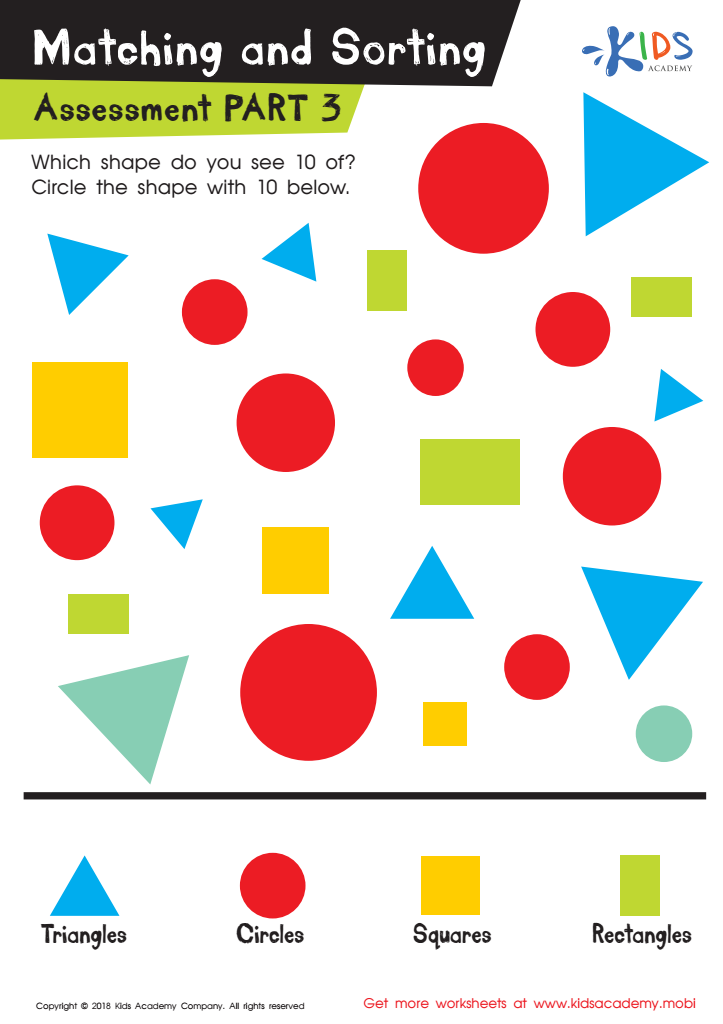
Matching and Sorting for Kindergarten: Assessment 3 Worksheet
 Assign to My Students
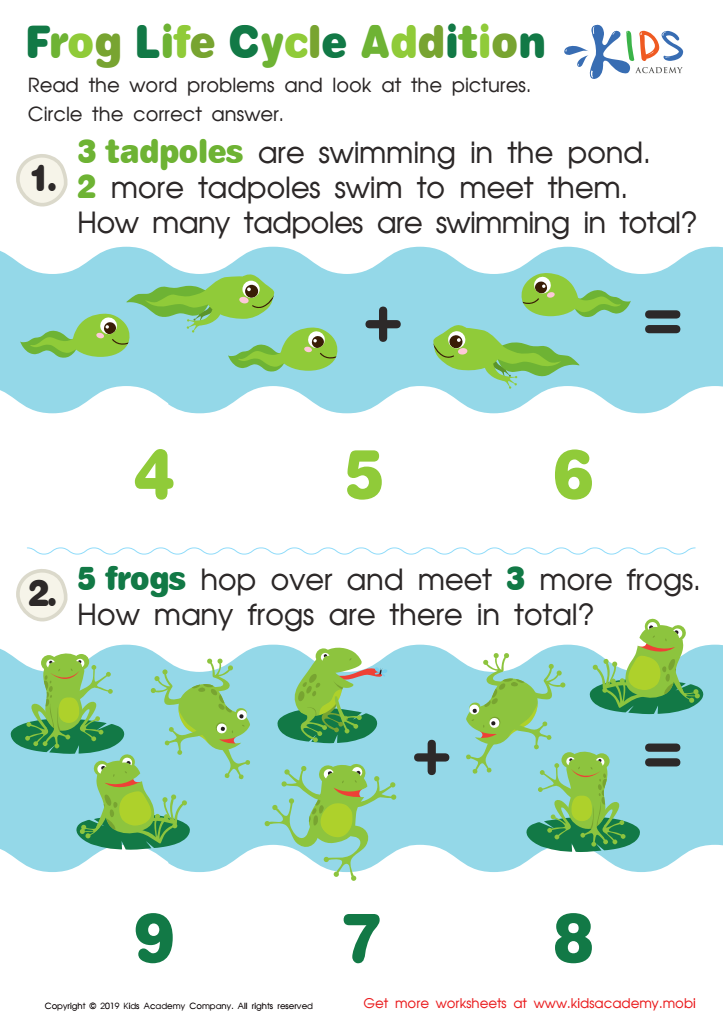
Frog Life Cycle Addition Worksheet
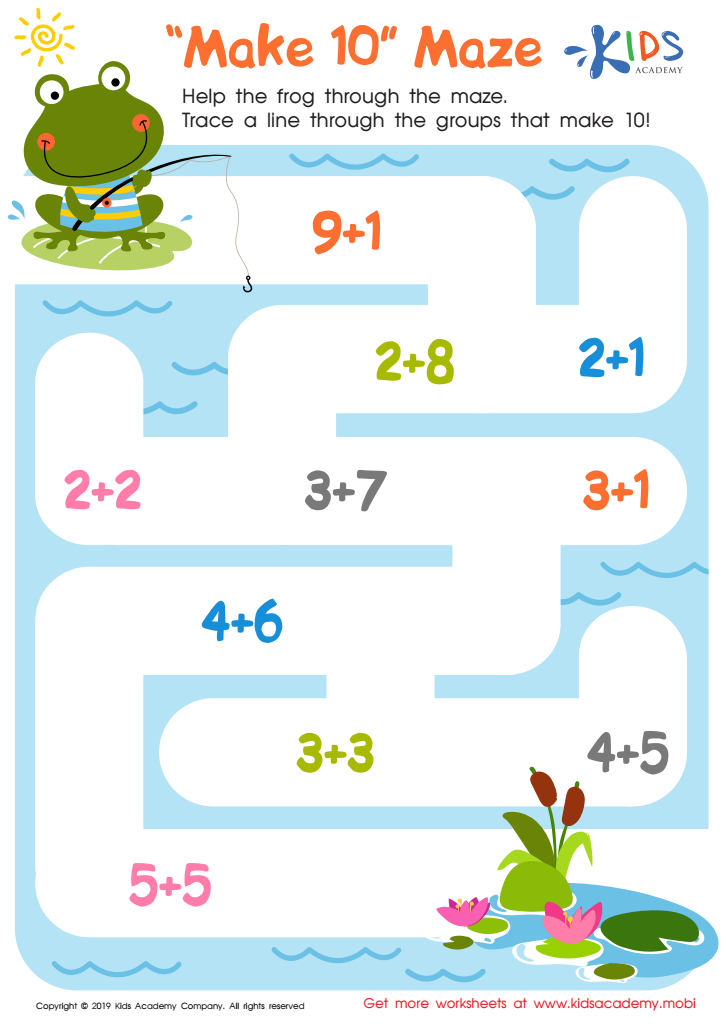
Make 10 Maze Worksheet







Problem-solving ability is crucial for 6-year-olds as it lays the foundation for critical thinking and decision-making skills. At this age, children begin to encounter a variety of challenges, both academic and social. By nurturing their problem-solving skills, parents and teachers not only support their cognitive development but also foster resilience and independence.
Encouraging children to explore different solutions builds their confidence and creativity, enabling them to approach obstacles with a positive mindset. When kids engage in problem-solving activities, such as puzzles, games, or group projects, they learn valuable lessons in collaboration and communication, preparing them for future interactions.
Moreover, developing these skills early can significantly impact a child's academic trajectory. Children who are adept problem-solvers are more likely to excel in school, as they can navigate complex tasks and understand concepts more effectively. Parents and teachers play a pivotal role in facilitating this development by providing supportive environments that promote exploration and experimentation.
Investing in a child's problem-solving ability not only enhances their learning experience but also equips them with essential life skills that will serve them well into adulthood. Ultimately, fostering this skillset can lead to more engaged, thoughtful, and successful learners.








