Recognizing shapes Worksheets for 6-Year-Olds
8 filtered results
-
From - To
Explore our engaging Recognizing Shapes Worksheets for 6-Year-Olds, designed to make learning fun and interactive! These carefully crafted worksheets help young learners identify and understand shapes through vibrant illustrations and varied activities. Kids will enjoy tracing, coloring, and matching different shapes, reinforcing their knowledge while enhancing their fine motor skills. Perfect for classroom use or at-home practice, our worksheets cater to diverse learning styles and levels, ensuring every child can engage with geometry in an enjoyable way. Start fostering a strong foundational understanding of shapes today and set your child on the path to success in math!
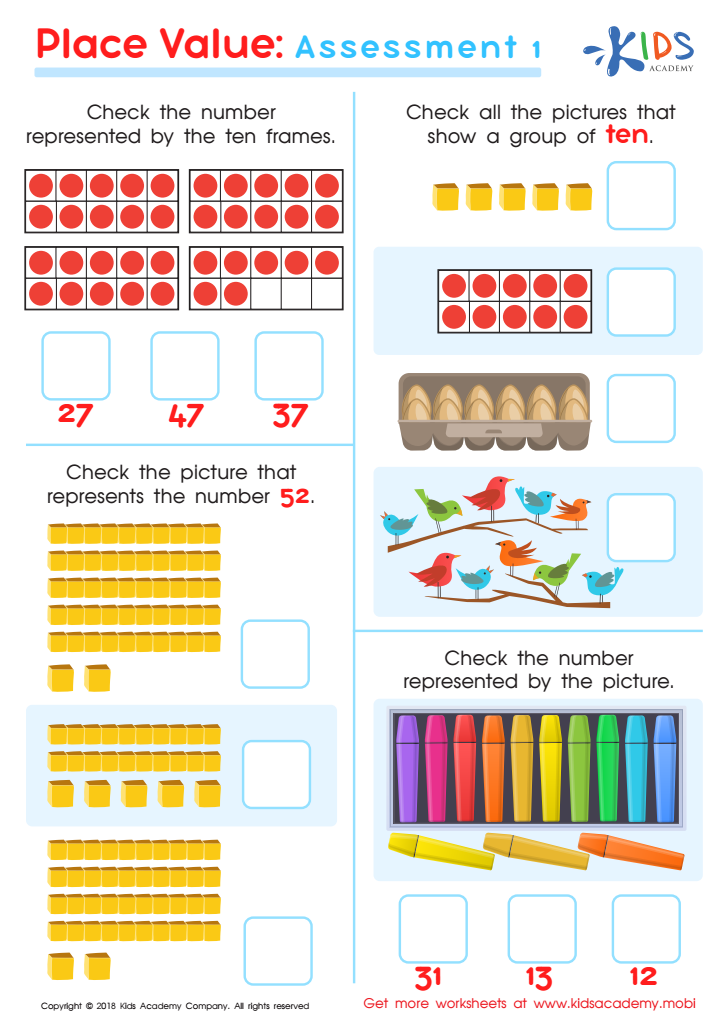
Place Value: Assessment 1 Worksheet
 Assign to My Students
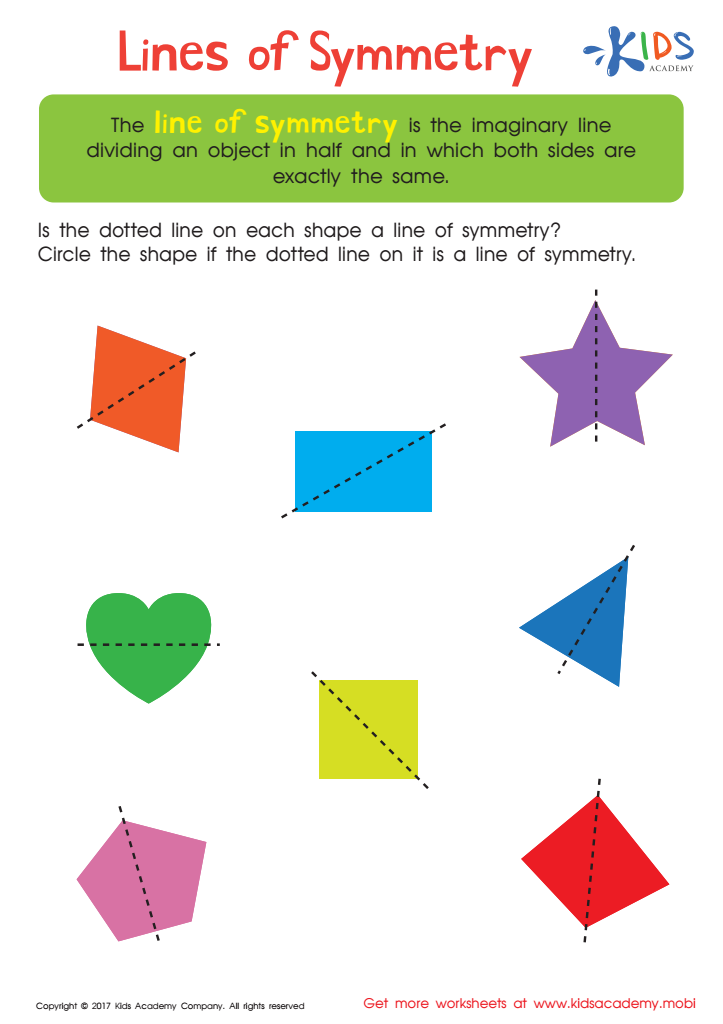
Lines of Symmetry Printable
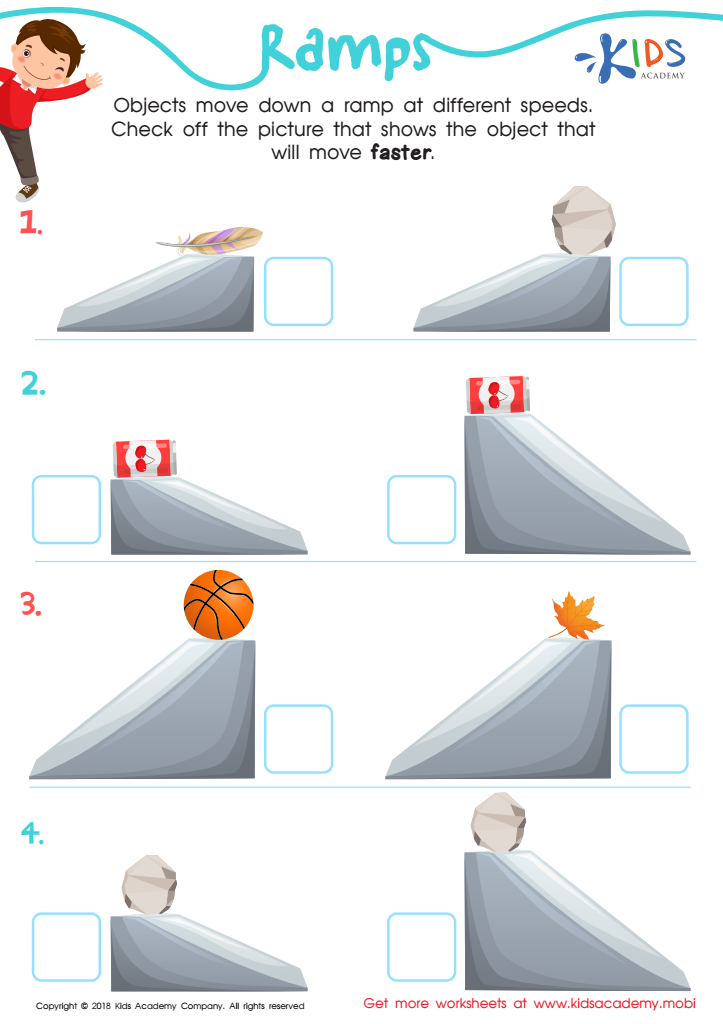
Ramps Worksheet
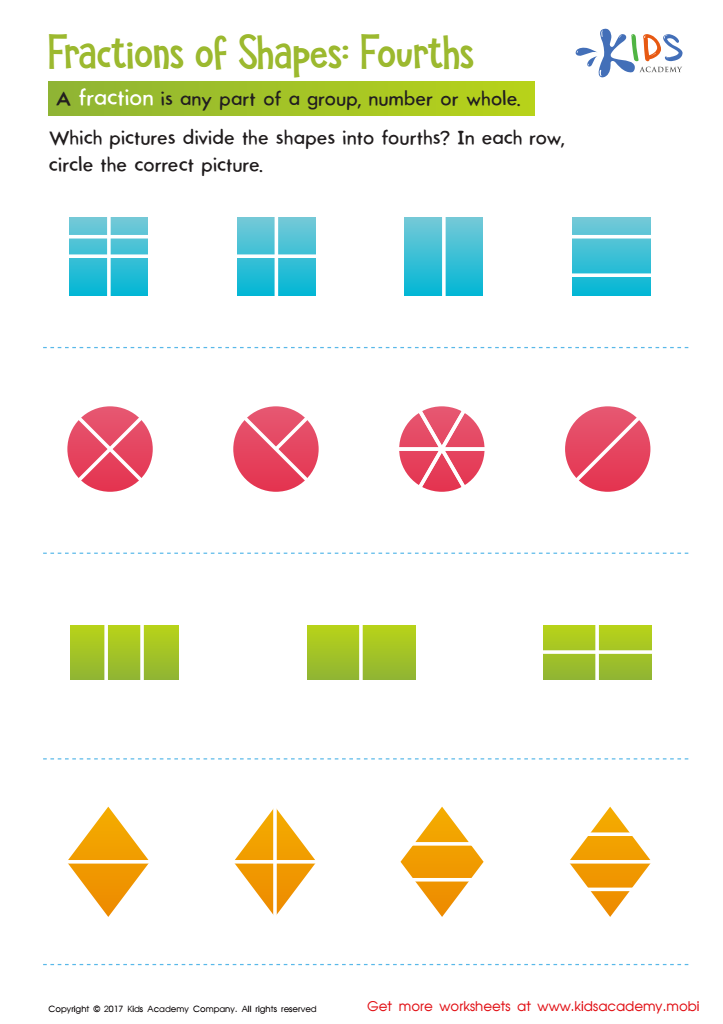
Fractions of Shapes Worksheet


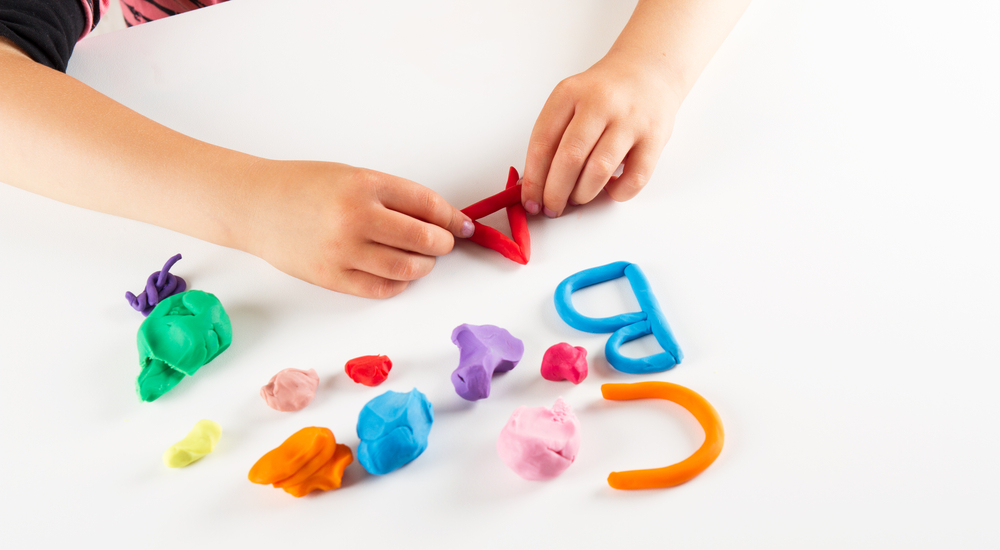
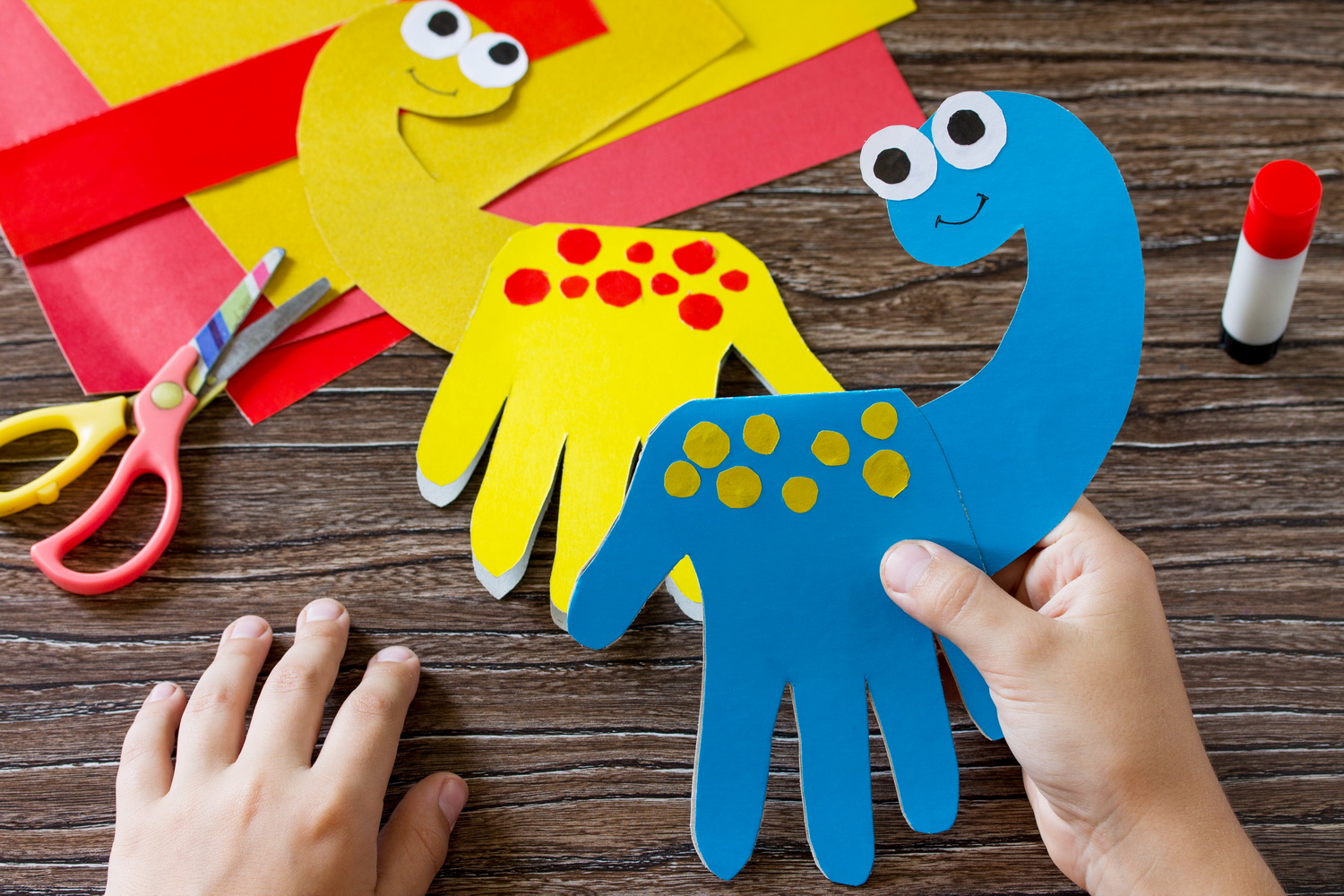




Recognizing shapes is an essential foundational skill in early childhood education, and it is crucial for 6-year-olds. Understanding shapes not only fosters a child's cognitive development but also enhances their spatial awareness and problem-solving abilities. Children who can recognize and categorize shapes develop critical thinking skills as they learn to sort and analyze objects in their environment.
Moreover, shape recognition forms the basis for more complex mathematical concepts. When children identify shapes, they begin to understand dimensions, symmetry, and geometric reasoning, which prepare them for future math learning. Beyond academics, recognizing shapes aids in fine motor development, as children engage in activities that involve constructing, tracing, and drawing shapes.
Additionally, shapes are ubiquitous in everyday life, from traffic signs to household items. Teaching children about shapes helps them connect classroom learning with the real world, fostering both safety and critical observational skills. For parents and teachers, actively engaging children in shape recognition through games, art projects, and practical experiences creates a supportive learning environment, allowing them to build confidence and curiosity about the world around them. Ultimately, nurturing shape recognition paves the way for lifelong learning skills in various disciplines, making it a vital focus for educators and caregivers.








