Sentence formation Worksheets for 6-Year-Olds
5 filtered results
-
From - To
Welcome to our engaging collection of "Sentence Formation Worksheets for 6-Year-Olds"! Designed to enhance your child's language skills, these worksheets provide fun and interactive activities that help young learners construct sentences with confidence. Through vibrant illustrations and age-appropriate exercises, children will explore subjects, verbs, and basic punctuation, fostering their creativity and comprehension. Our resources promote critical thinking and encourage children to express their ideas clearly. Perfect for classroom reinforcement or home learning, these worksheets offer a valuable way to develop essential writing skills. Dive into the exciting world of sentence formation and watch your child's language abilities flourish!
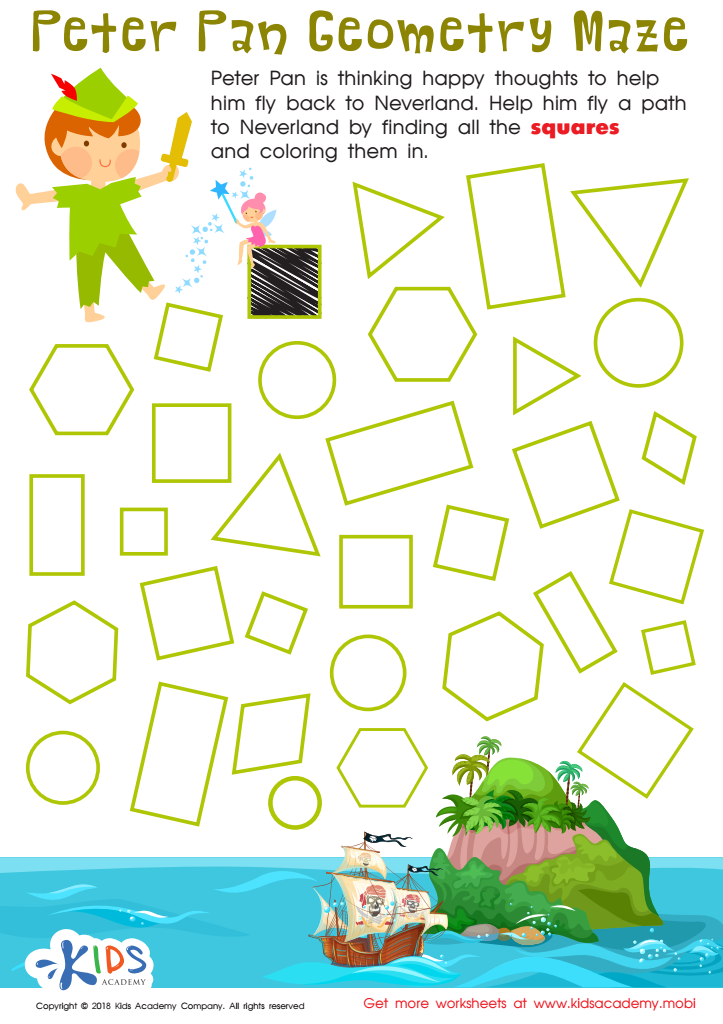
Peter Pan Worksheet
 Assign to My Students
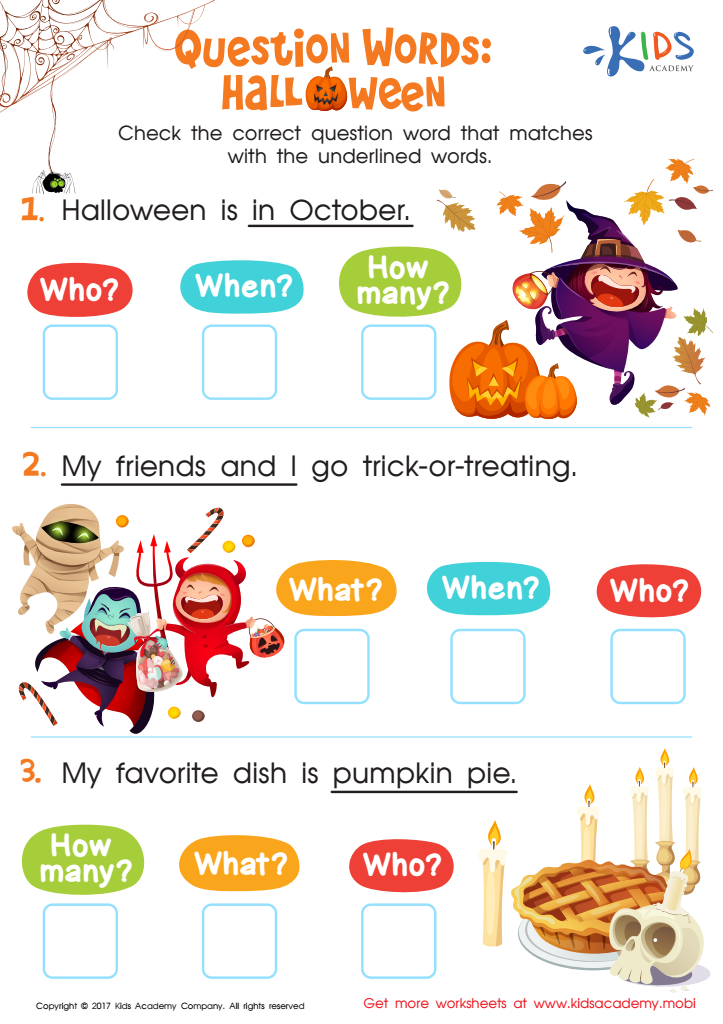
Question Words: Halloween Worksheet
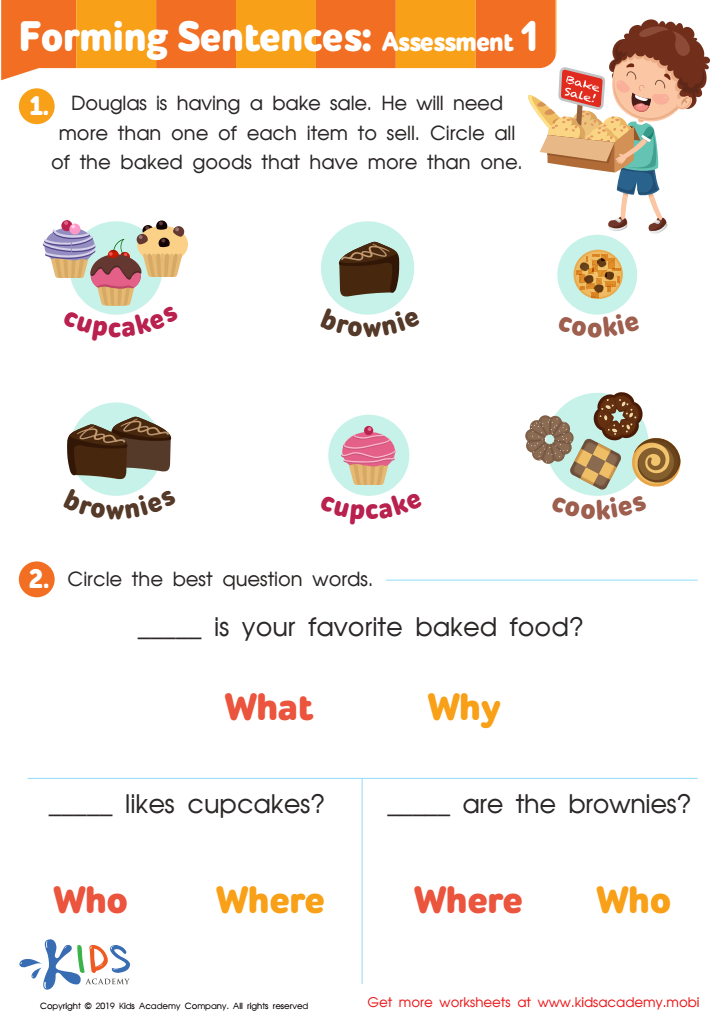
Forming Sentences: Assessment 1 Worksheet
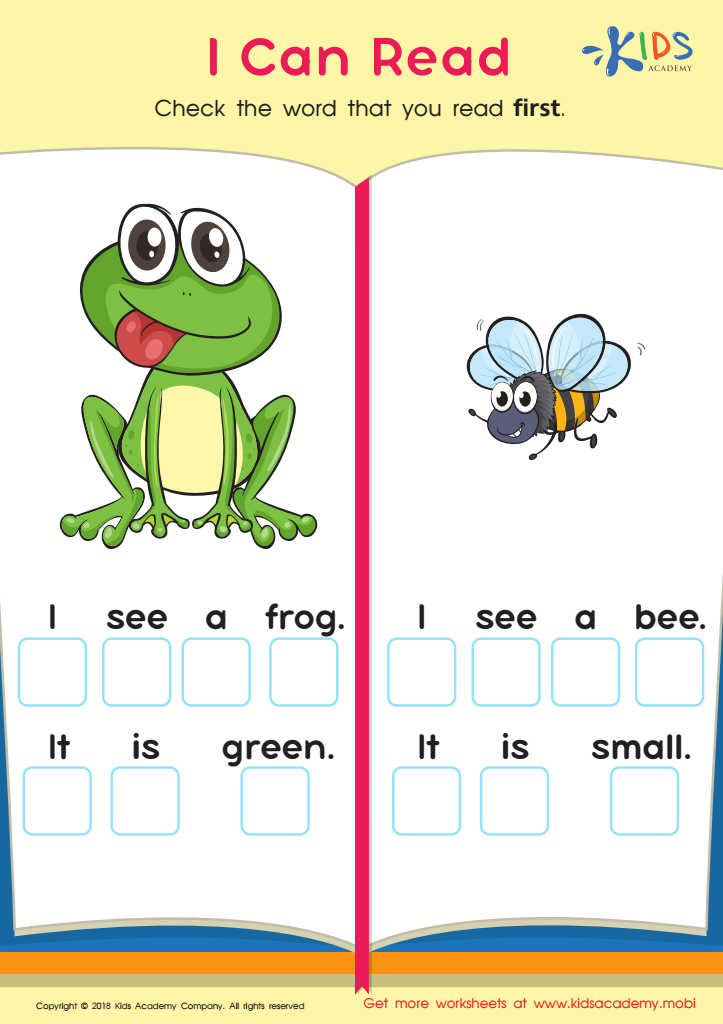
I Can Read Worksheet
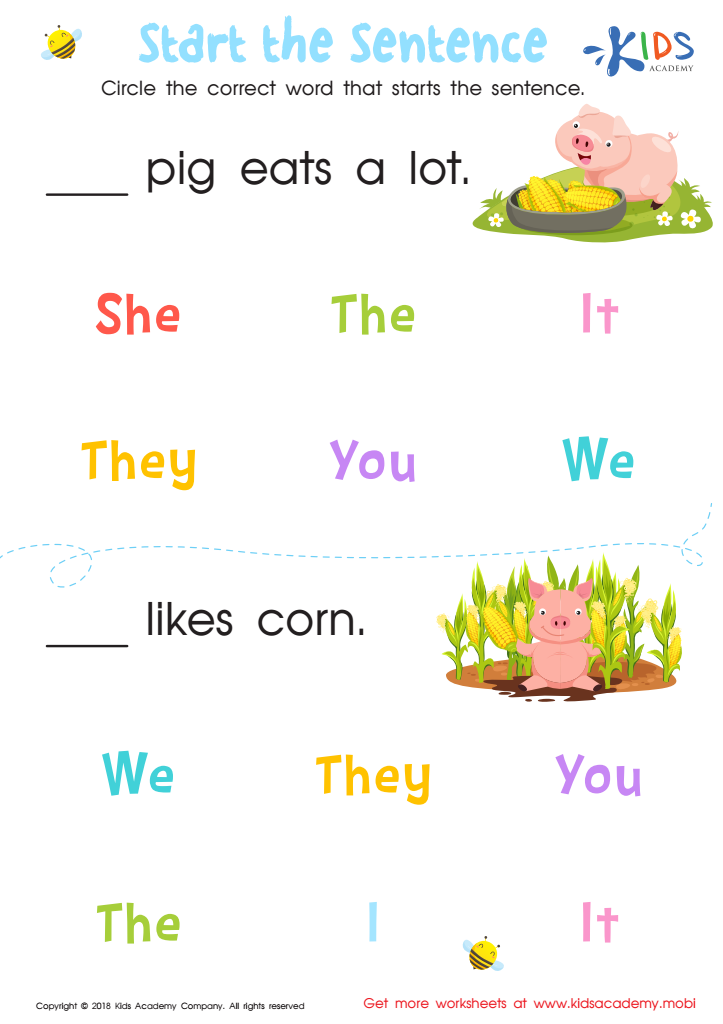
Start the Sentence Worksheet







Sentence formation is a crucial skill for 6-year-olds as it lays the foundation for effective communication and literacy development. At this age, children are beginning to explore their thoughts and ideas more deeply, and being able to express themselves clearly is essential for their emotional and social growth. When parents and teachers support sentence formation, they enhance a child's vocabulary, which is vital for reading and writing proficiency.
Furthermore, encouraging children to form complete sentences helps foster critical thinking skills. As children learn to organize their thoughts and ideas more coherently, they develop the ability to articulate what they mean and understand others better. This also contributes to their self-confidence, allowing them to participate actively in discussions and share their perspectives.
Additionally, mastering sentence structure is integral for academic success as children progress to higher grades. It becomes crucial for writing assignments, storytelling, and following directions. Therefore, parents and teachers must prioritize activities that promote sentence formation, integrating fun and engaging techniques, such as storytelling, role-playing, or interactive games. By nurturing these skills early on, adults invest in a child’s future educational achievements and interpersonal relationships, creating a strong framework for lifelong learning.








