Spatial reasoning Worksheets for 6-Year-Olds
10 filtered results
-
From - To
Boost your 6-year-old’s cognitive development with engaging spatial reasoning worksheets! These expertly designed activities help young learners improve essential skills like pattern recognition, shape manipulation, and geometric thinking. Our vibrant and fun-filled worksheets make complex concepts accessible and enjoyable, fostering critical thinking and problem-solving abilities. Whether arranging objects in space, completing puzzles, or identifying patterns, these worksheets cater to various learning styles and support academic growth. Perfect for both classroom use and home study, our spatial reasoning worksheets ensure a solid foundation for future math success. Nurture your child's spatial intelligence today for brighter tomorrows!
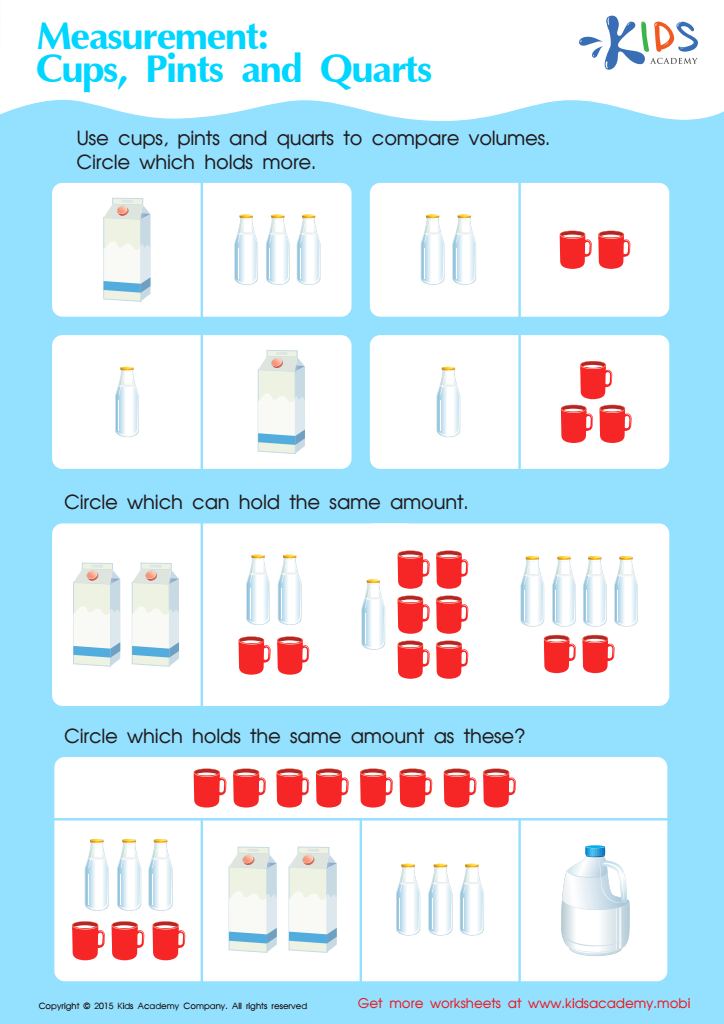
Measurement: Compare Volumes Worksheet
 Assign to My Students
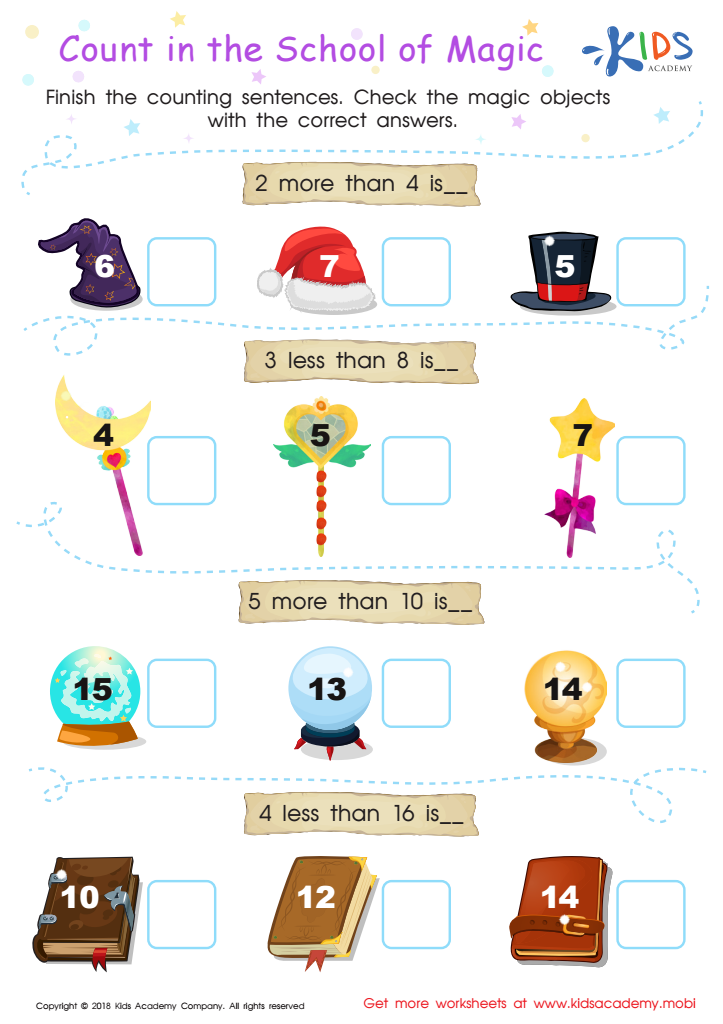
Count in the School of Magic Worksheet
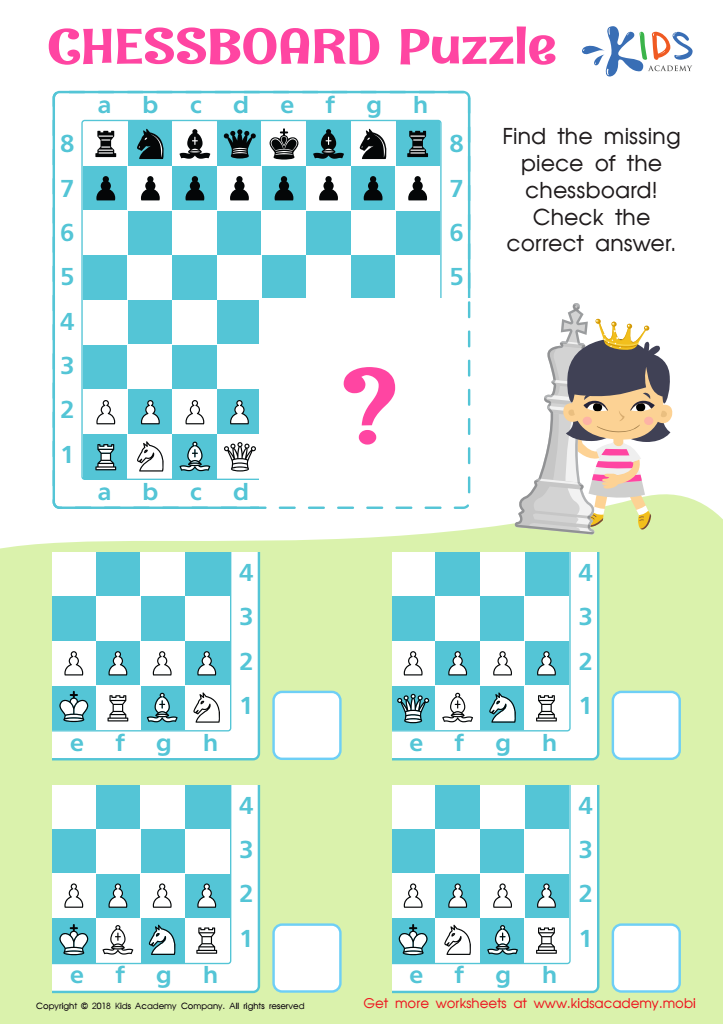
Chessboard Puzzle Worksheet
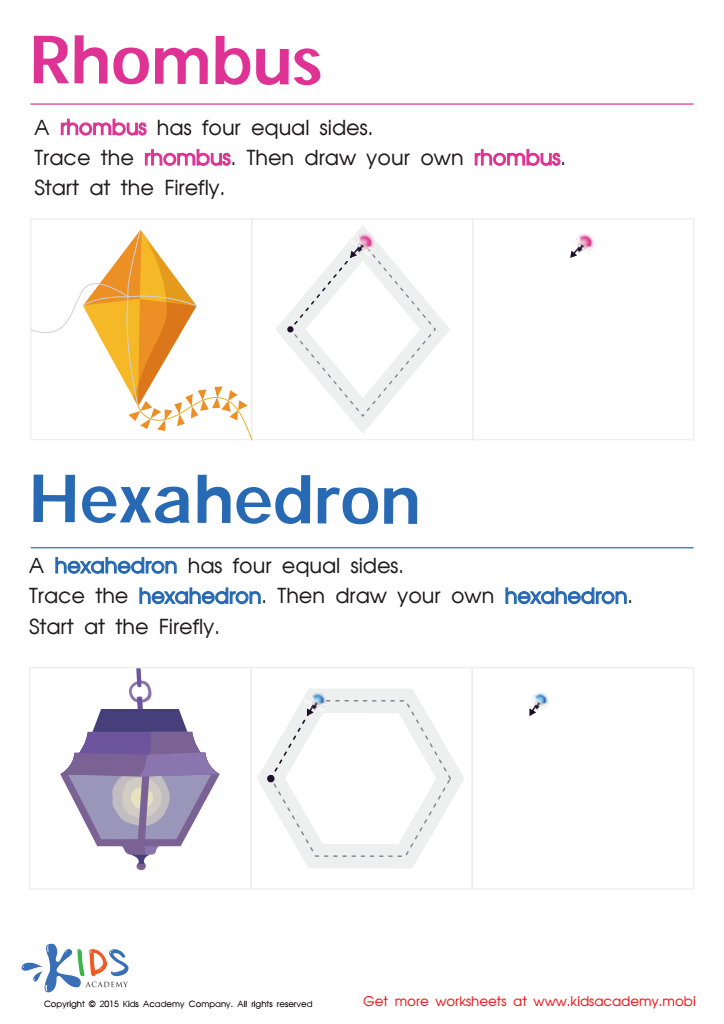
Draw a Rhombus And a Hexahedron Printable
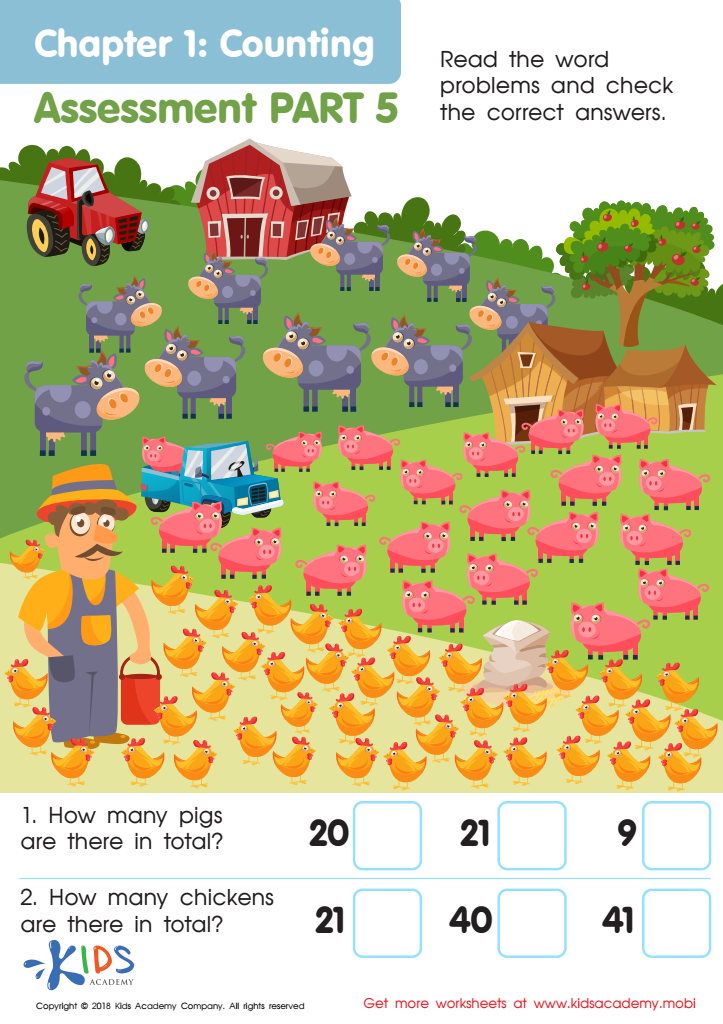
Counting: Assessment 5 Worksheet
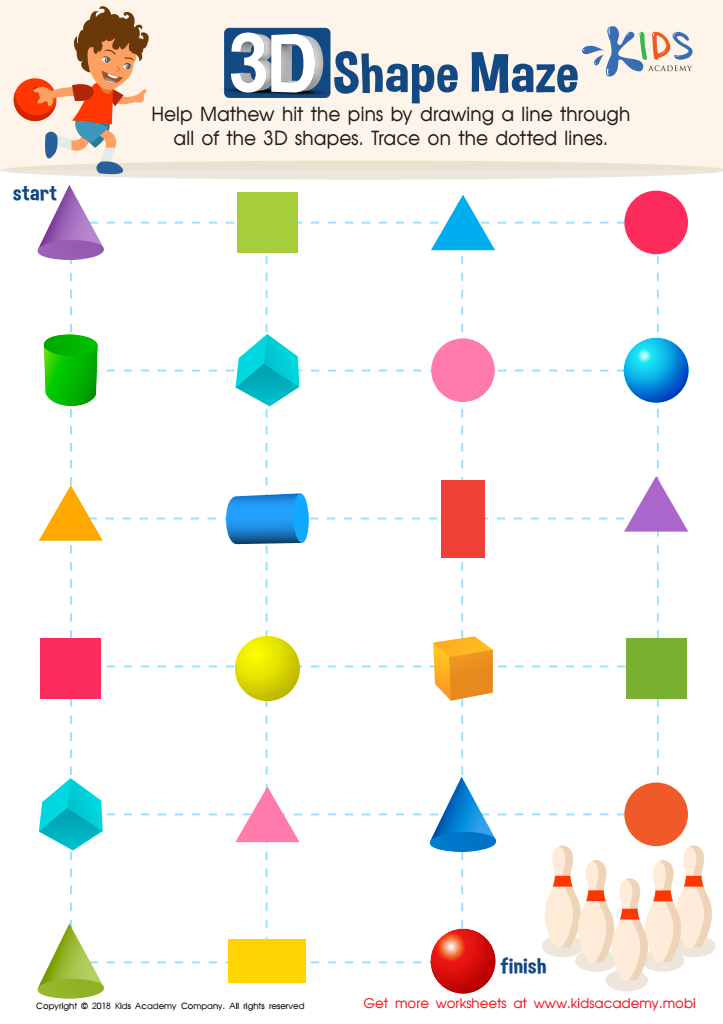
Shapes Maze Geometry Worksheet
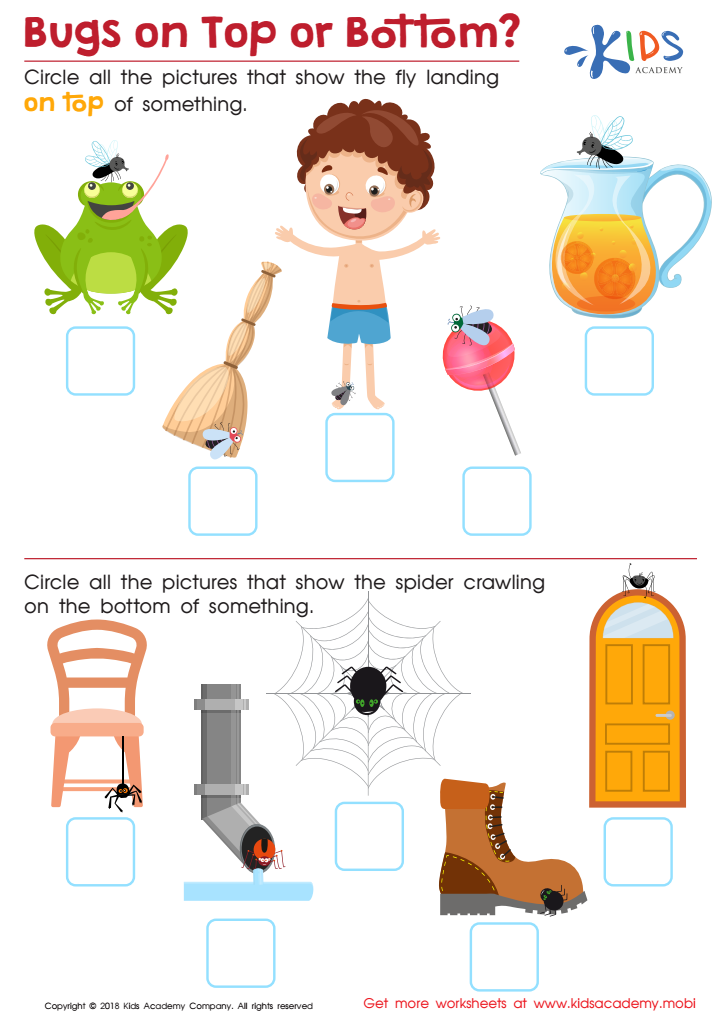
Bugs on Top or Bottom? Worksheet
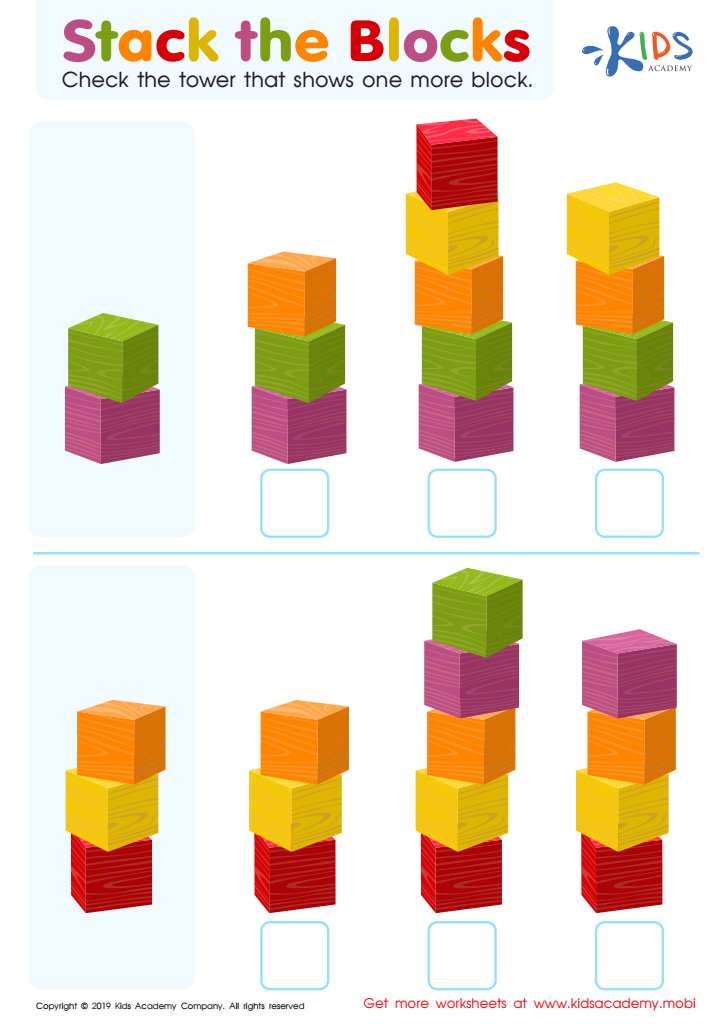
Stack the Blocks Worksheet
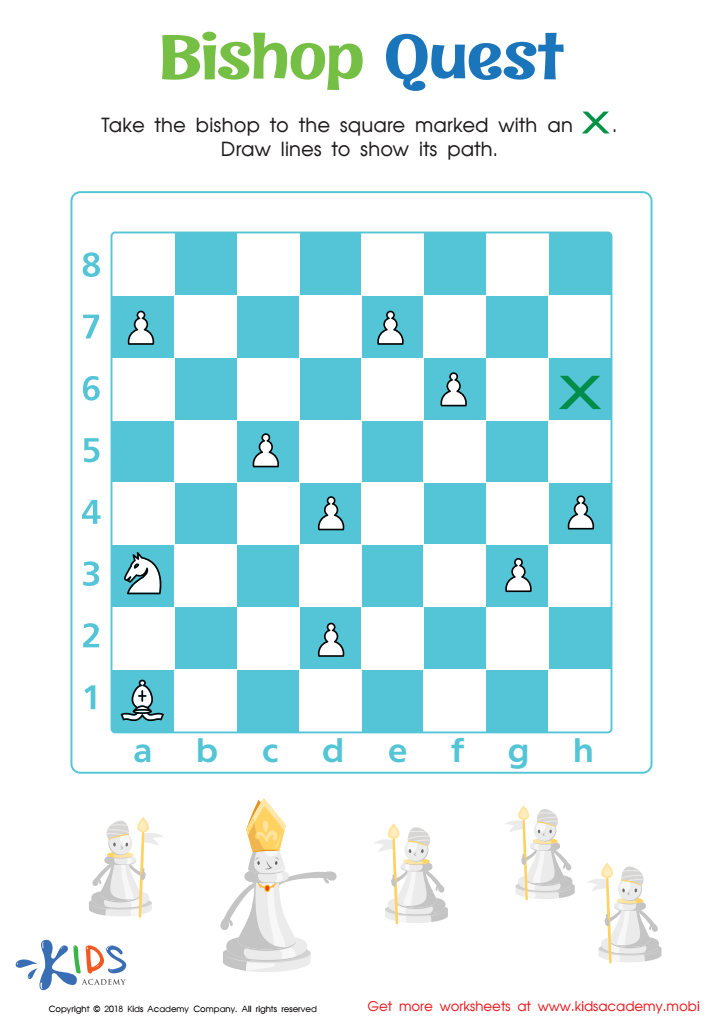
Bishop Quest Worksheet








Spatial reasoning is a foundational skill that plays a crucial role in a child's cognitive development and future academic success, making it important for parents and teachers to pay attention to its cultivation in 6-year-olds. This skill involves the ability to visualize, manipulate, and understand relationships between objects and spaces in the mind. Strong spatial reasoning is linked to improved performance in STEM (Science, Technology, Engineering, and Mathematics) subjects, which are critical areas in today's knowledge-driven world.
For young children, developing spatial reasoning aids in better problem-solving and critical thinking. It helps them understand geometric concepts, navigate their environments, and even enhance their handwriting skills. Activities that engage spatial skills, such as building blocks, puzzles, and drawing, encourage creativity and innovation. These activities directly translate to a keen ability in understanding abstract concepts like number sense and symmetry, which are fundamental in math and science.
Additionally, fostering spatial reasoning at an early age enhances a child's ability to perform everyday tasks such as organizing their belongings and understanding directions. By actively supporting the growth of spatial reasoning, parents and teachers equip children with essential tools that contribute to their overall intellectual development and make learning an enjoyable, engaging, and beneficial experience.








