Understanding measurements Worksheets for 6-Year-Olds
11 filtered results
-
From - To
Explore our engaging "Understanding Measurements Worksheets for 6-Year-Olds" designed to make learning fun and interactive! These worksheets help children grasp fundamental concepts of measurement, including length, weight, and volume, using age-appropriate activities. With colorful visuals and relatable scenarios, young learners will develop essential skills in comparing sizes and using measurement terms. Our carefully crafted worksheets encourage hands-on learning, boosting confidence and understanding in young mathematicians. Ideal for classroom or home use, these resources support early education standards while making measurement an exciting adventure. Download now to enhance your child's learning experience in a playful and educational way!
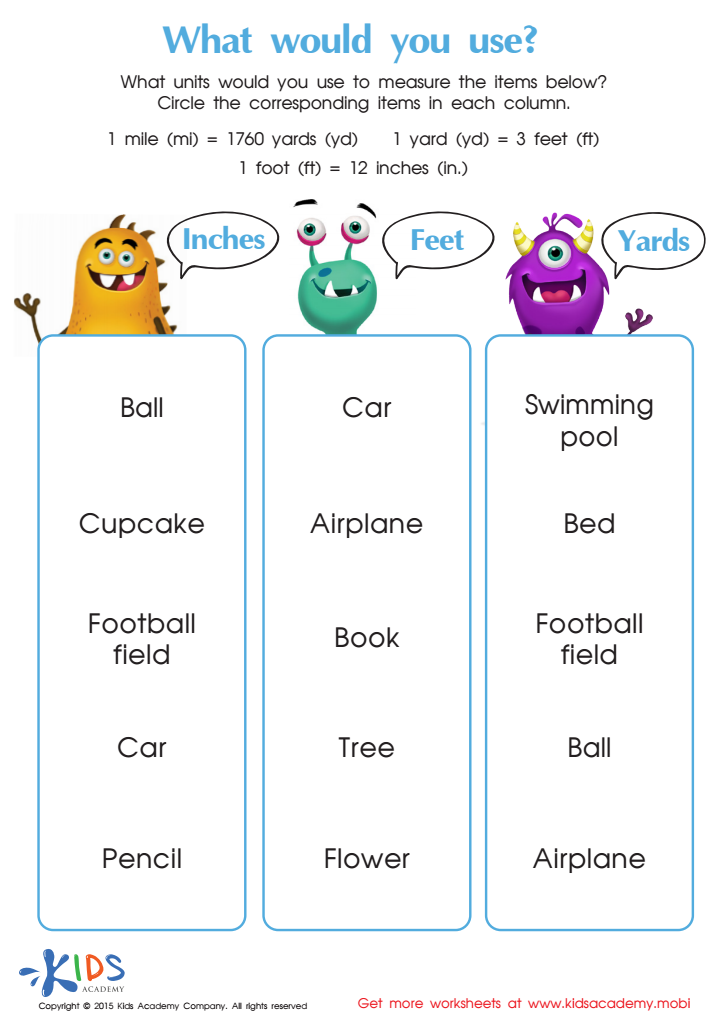
Learning about measuring objects in inches, feet and yards Worksheet
 Assign to My Students
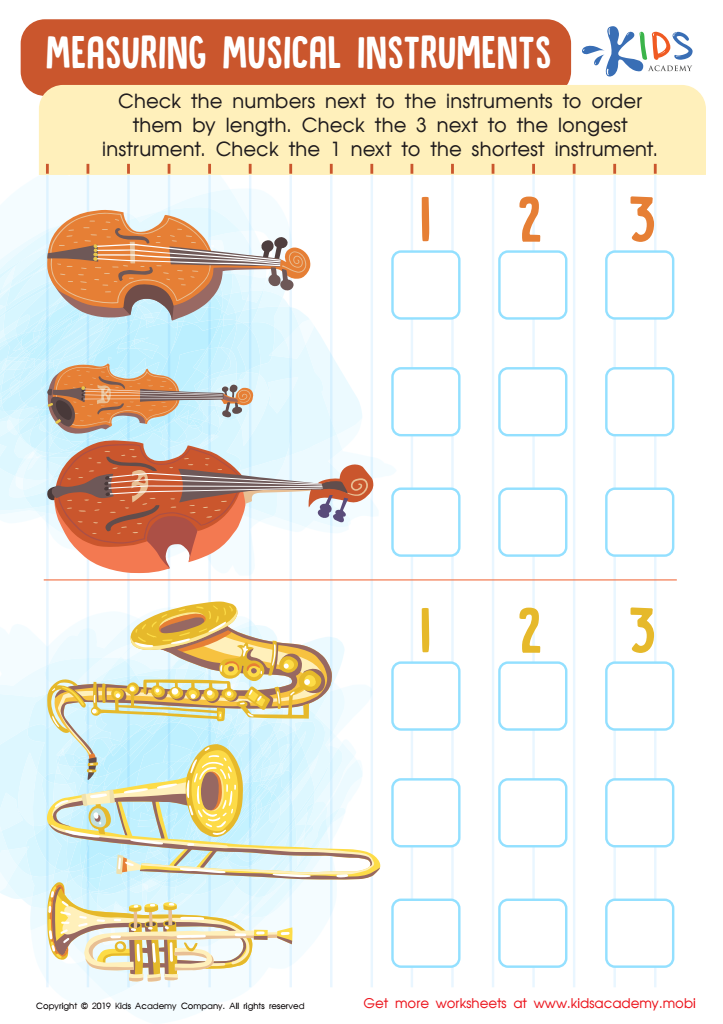
Measuring Musical Instruments Worksheet
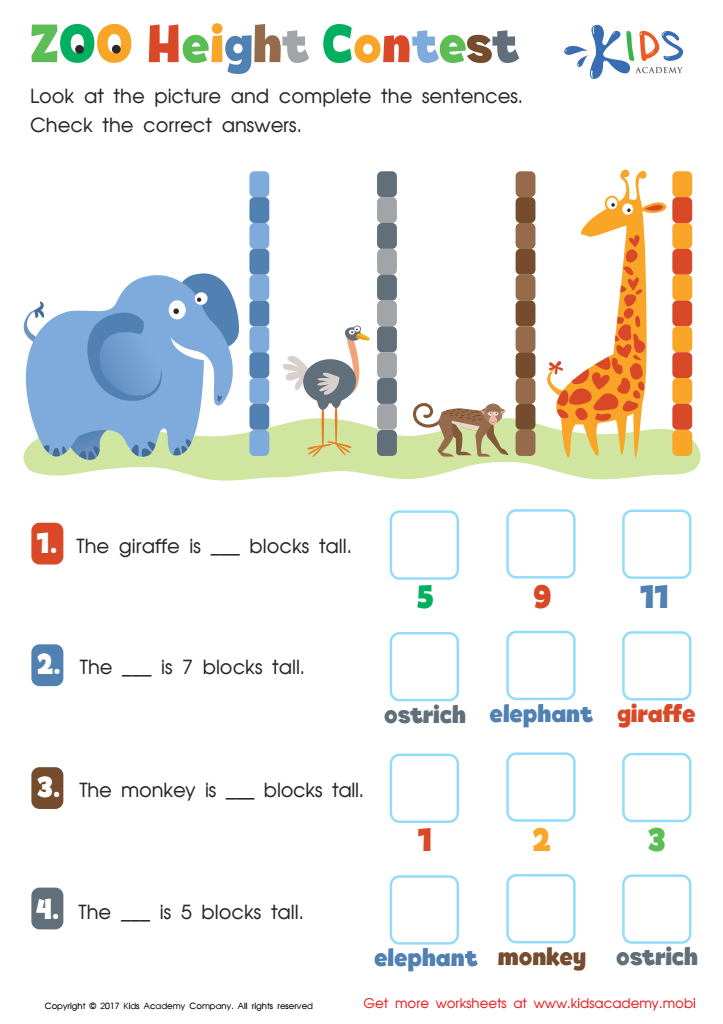
Zoo Height Contest Worksheet
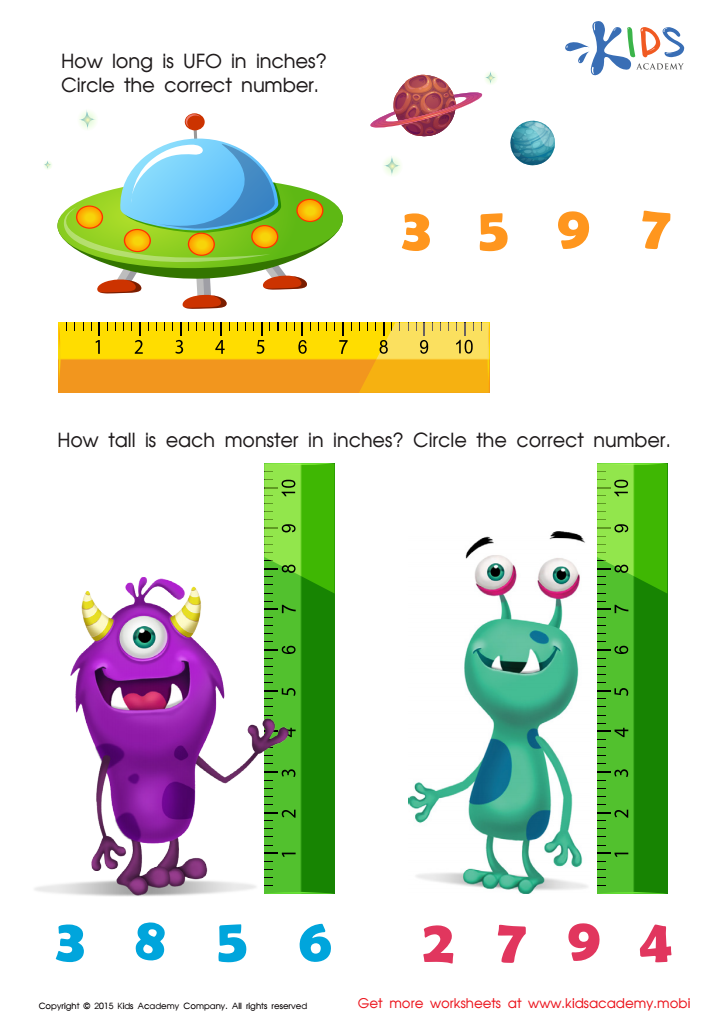
Measuring in Inches Worksheet
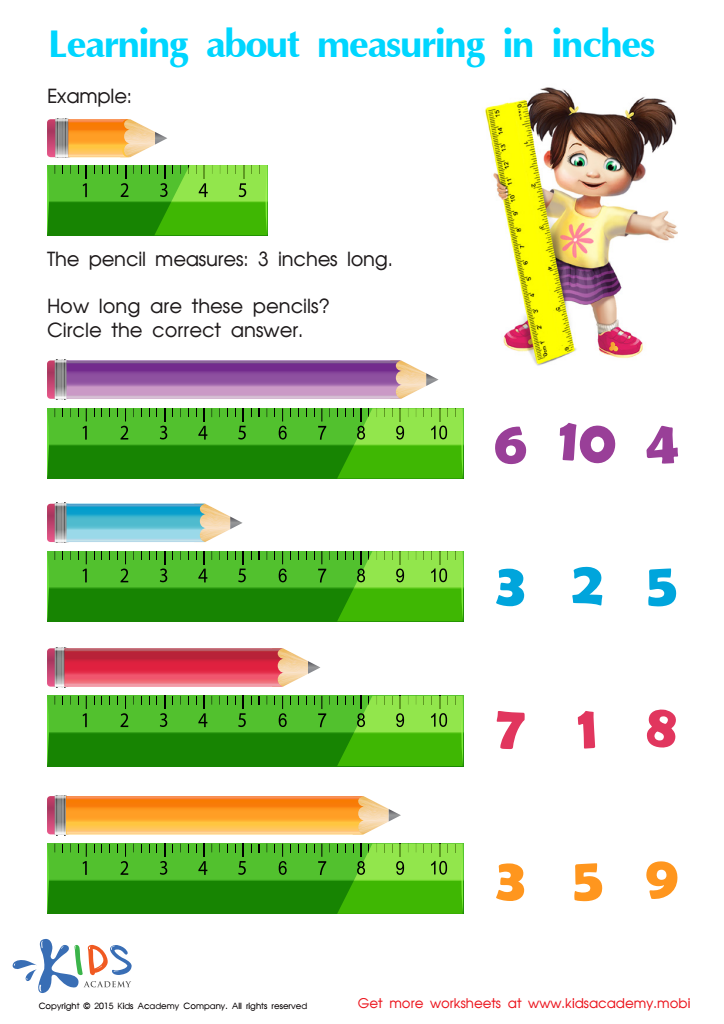
Learning About Measuring In Inches Printable
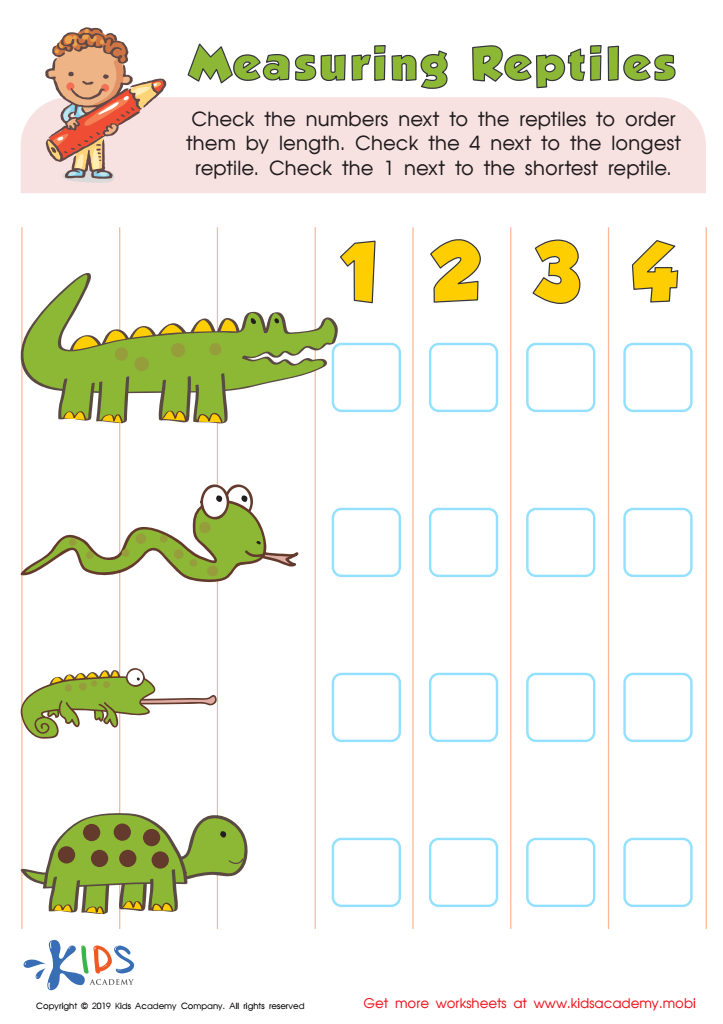
Measuring Reptiles Worksheet
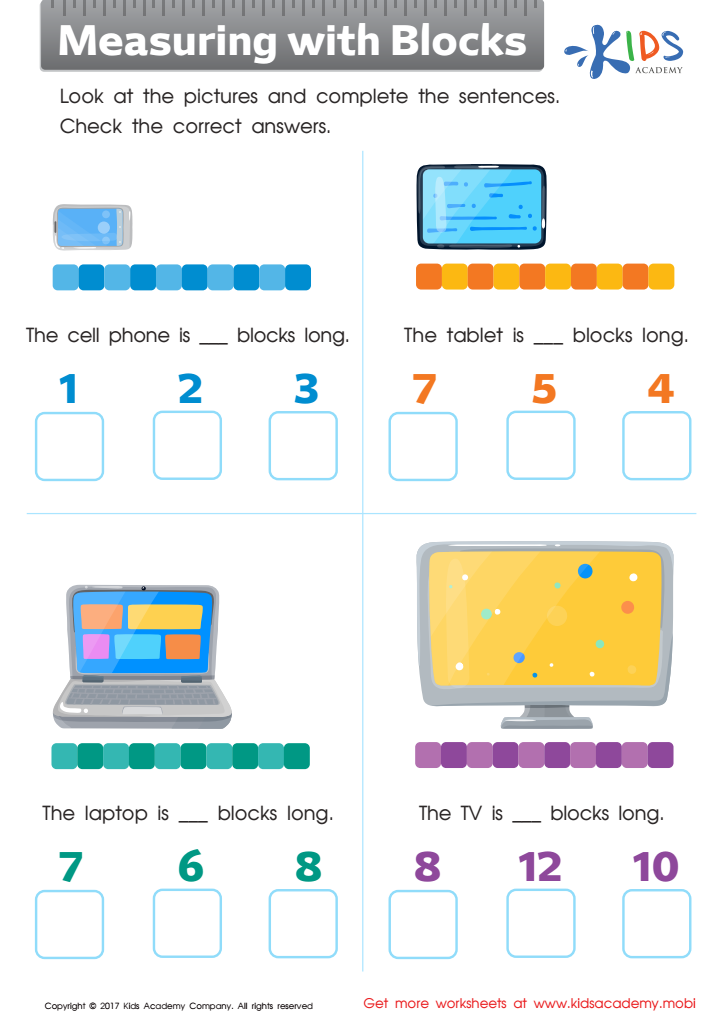
Measuring with Blocks Worksheet
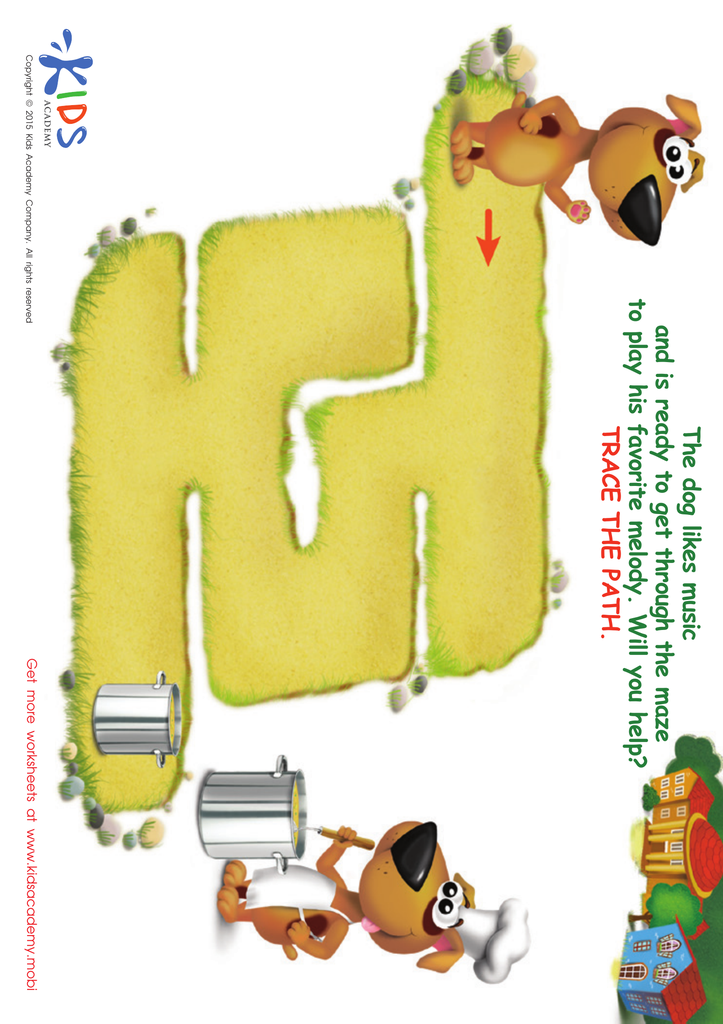
Cook Maze Worksheet
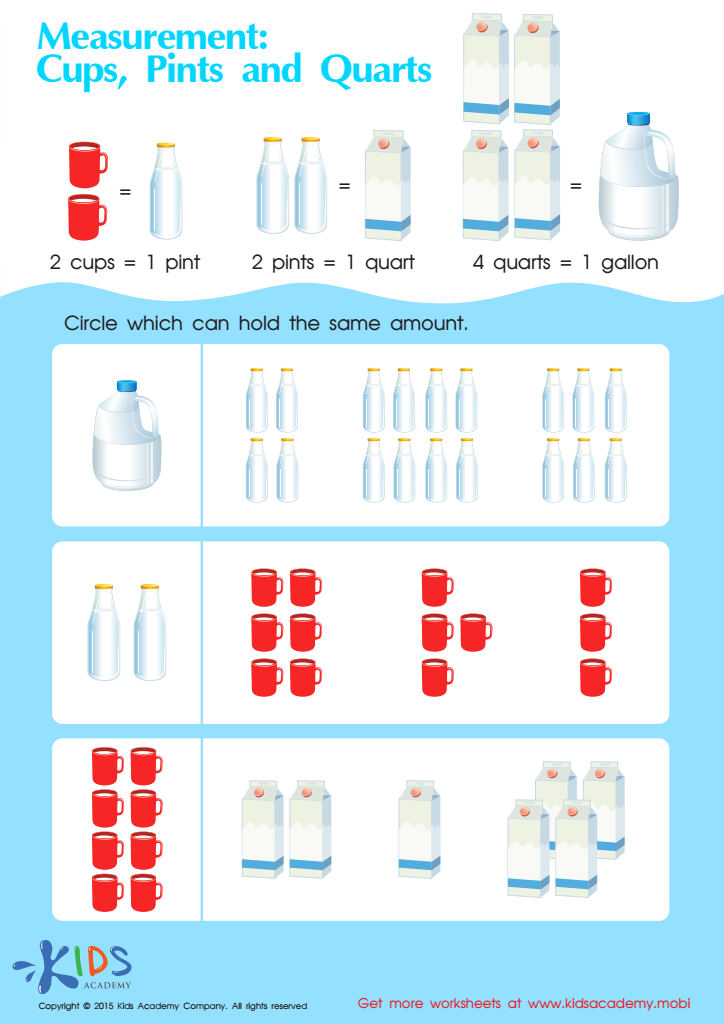
Cups, Pints and Quarts 2 Worksheet
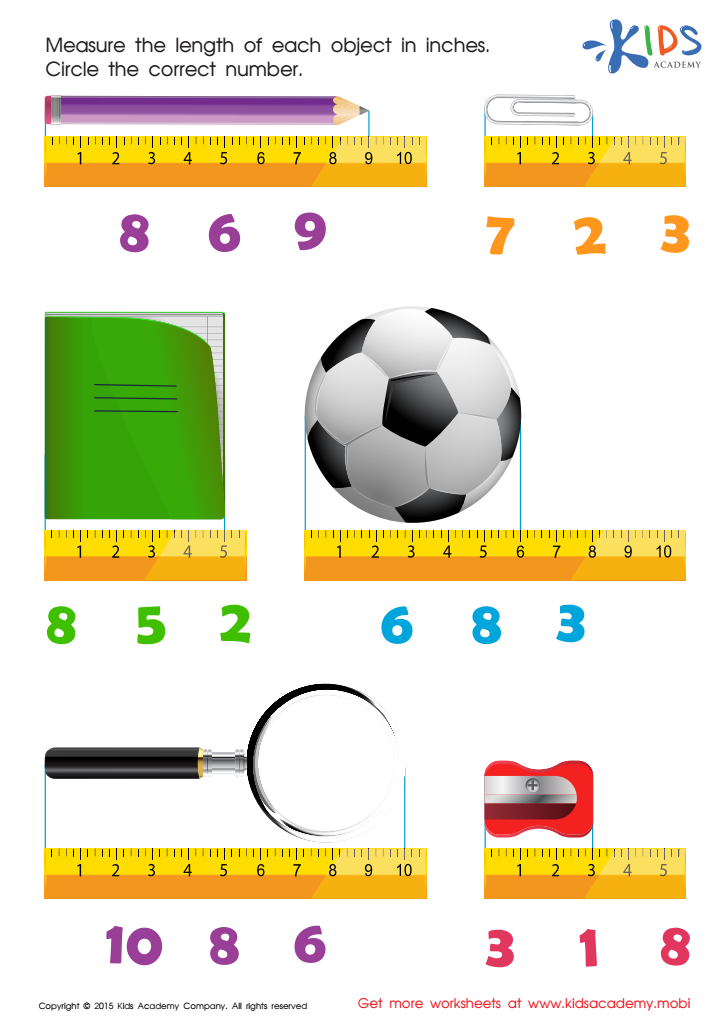
Learning measuring objects in inches Worksheet
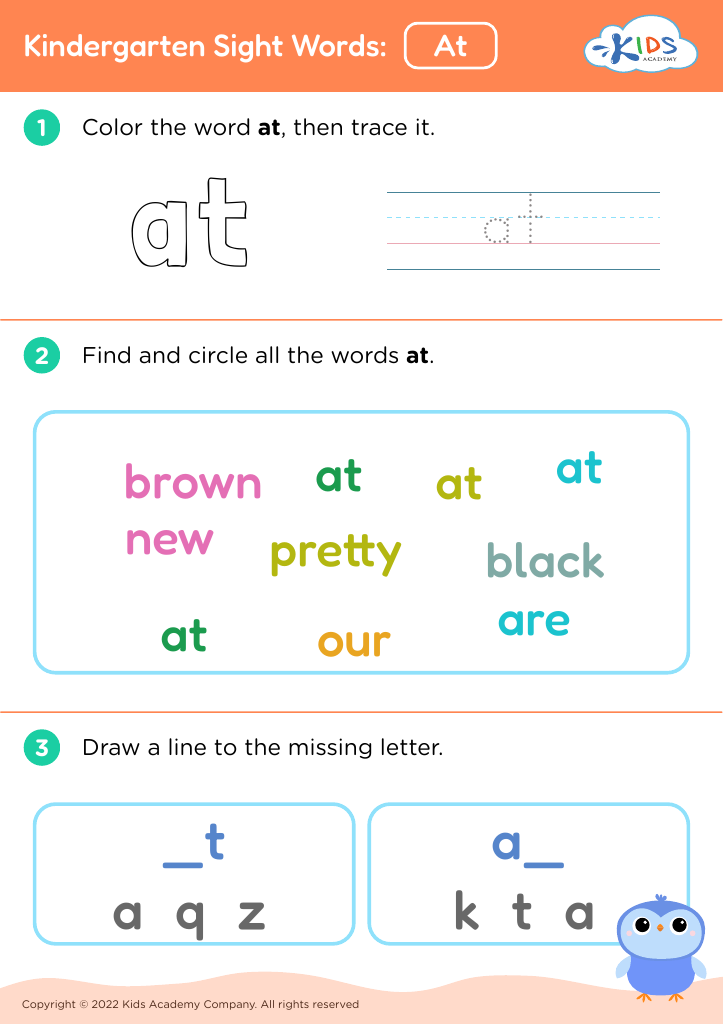



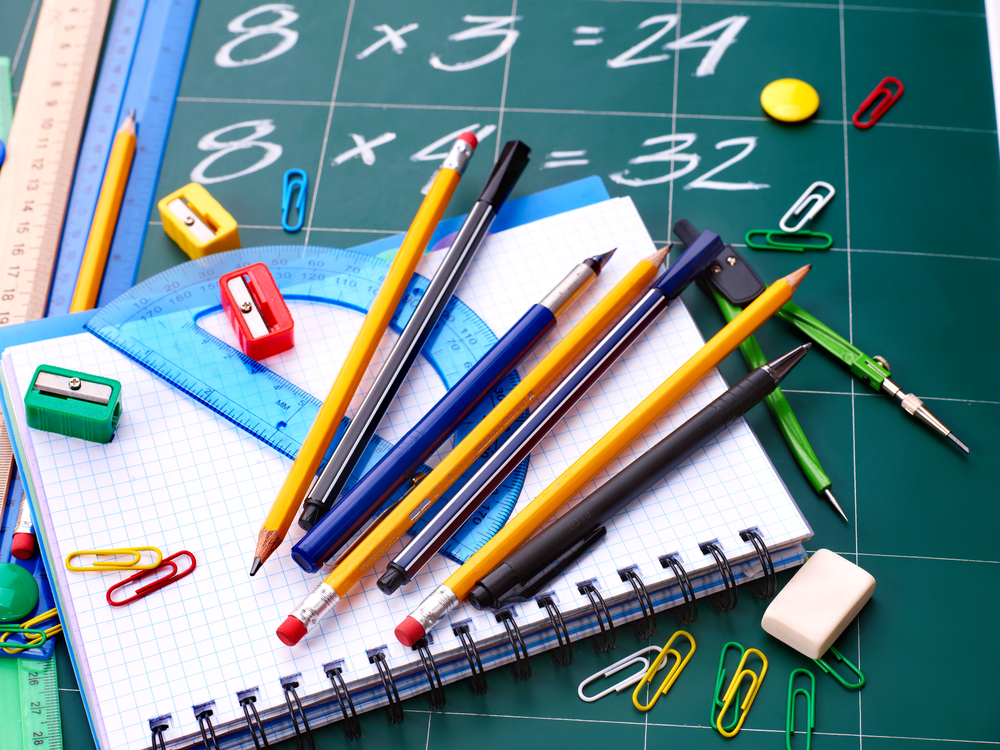



Understanding measurements is crucial for 6-year-olds as it lays the foundation for essential math skills and real-life applications. At this age, children are naturally curious and eager to explore their surroundings. Measurement concepts such as length, weight, volume, and time are not only fundamental components of mathematics but also enhance their observational skills and critical thinking.
Parents and teachers should care about developing measurement understanding because it helps children make sense of the world around them. For instance, simple tasks—like measuring ingredients while cooking, understanding time through daily schedules, or comparing sizes of objects—engage children in practical learning. This hands-on experience reinforces their comprehension, making abstract concepts more tangible.
Moreover, measurement skills promote reasoning abilities. As children learn to estimate, compare, and classify, they develop essential cognitive skills that are vital for problem-solving. Early mastery of measurement fosters confidence and enthusiasm for math, helping to combat anxiety toward the subject later in life.
Encouraging discussions about measurements at home and in the classroom cultivates a conducive learning environment, positioning children for future academic success. Overall, a focus on measurement at this stage is essential for nurturing skilled, confident learners.








