Vocabulary expansion Worksheets for 6-Year-Olds - Page 6
127 filtered results
-
From - To
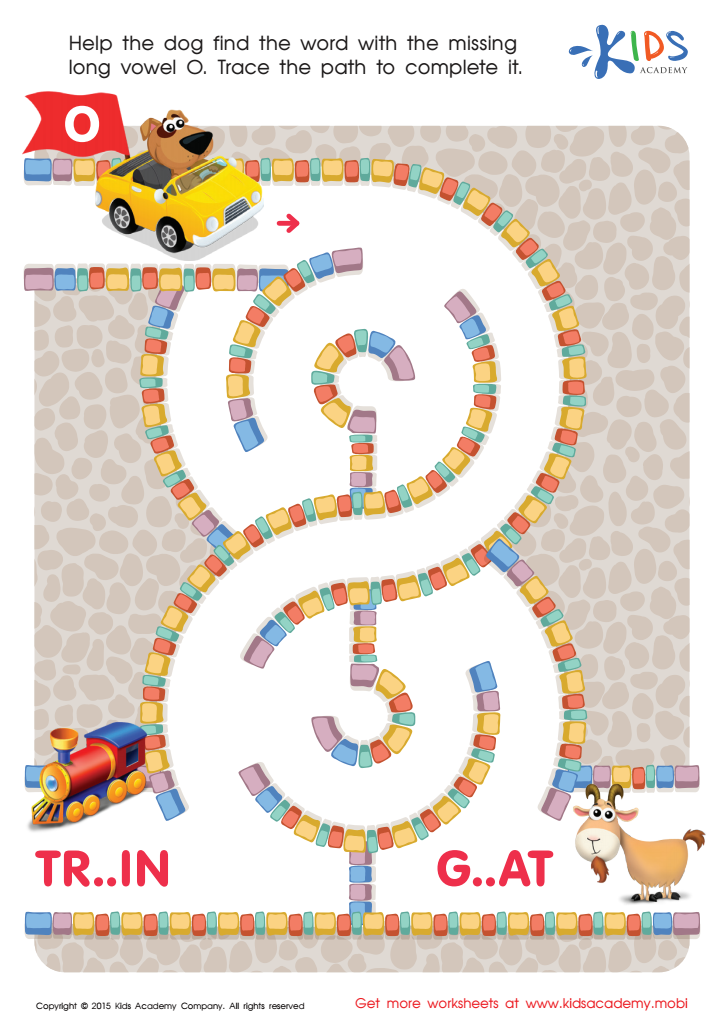
Long Vowel Sound O Worksheet
 Assign to My Students
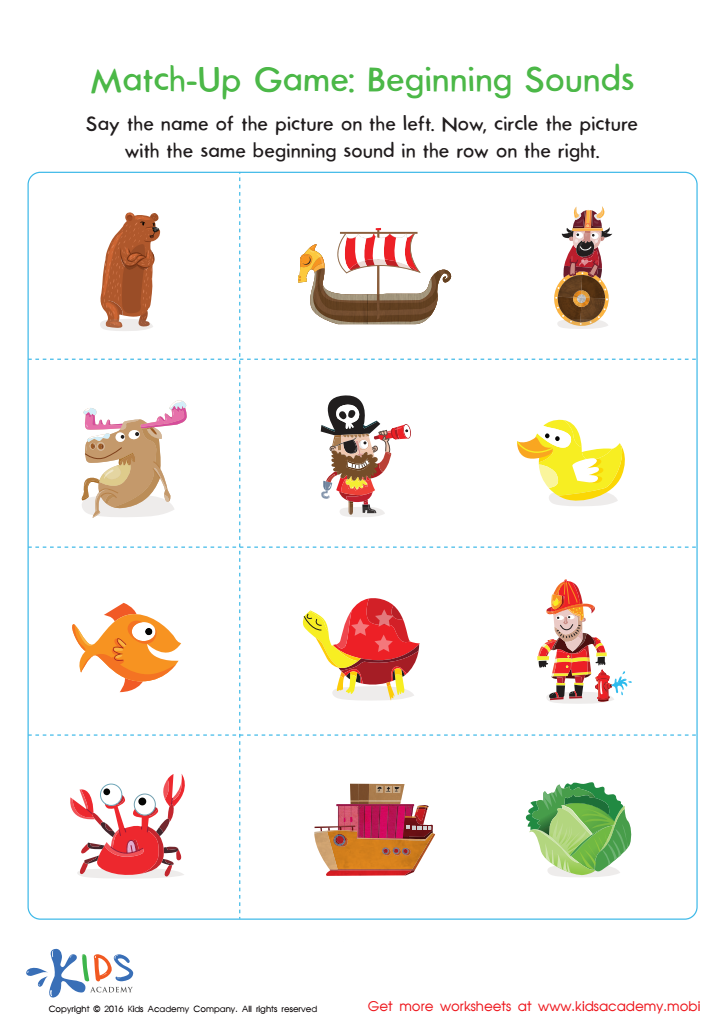
Match–Up Game: Beginning Sounds Worksheet
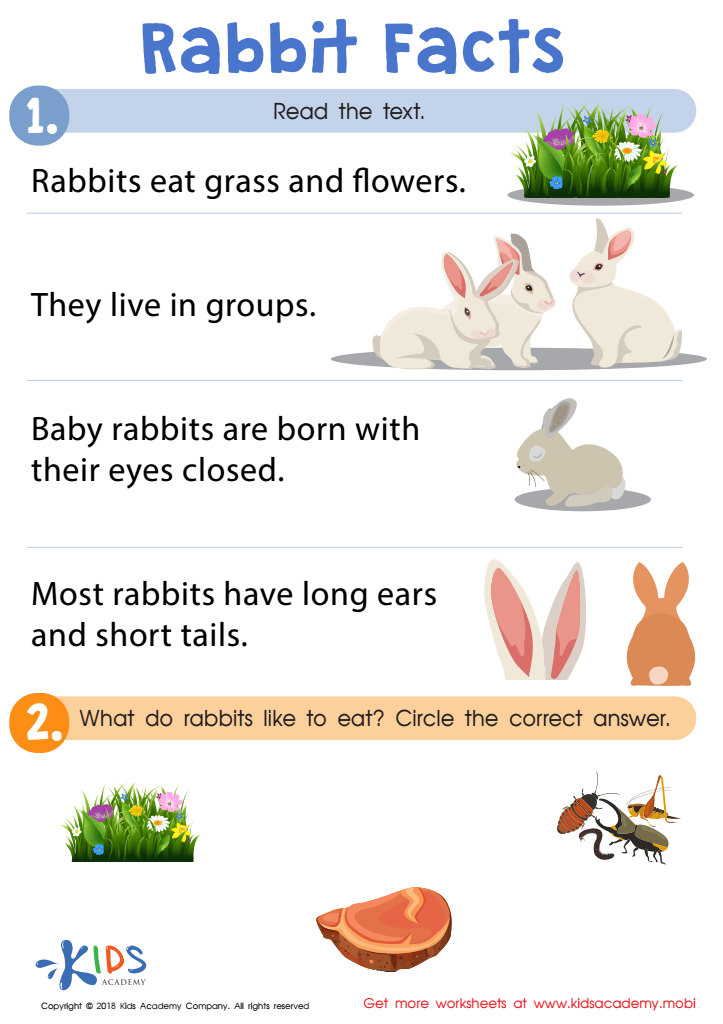
Rabbit Facts Worksheet








Vocabulary expansion is crucial for 6-year-olds as it plays a pivotal role in their overall development and academic success. At this age, children are like sponges, rapidly absorbing new information and forming the foundation for their future learning. A rich vocabulary equips them with the tools to express their thoughts, emotions, and ideas more clearly, fostering better communication skills.
When children have a broader vocabulary, they can understand instructions and stories more easily, making learning more accessible and enjoyable. This enhanced comprehension also builds their confidence and fosters a love for reading and learning throughout their lives. Research shows that children with a rich vocabulary tend to perform better academically, particularly in subjects like reading and writing, as they can grasp complex concepts with greater ease.
Moreover, a well-developed vocabulary aids in social interactions, helping children build relationships and navigate social situations more effectively. They learn to listen, understand nuances, and respond appropriately, essential skills for emotional and social development. Given these benefits, parents and teachers should prioritize vocabulary expansion by engaging children in conversations, reading aloud to them, and introducing them to new words through various fun and educational activities. By doing so, they set the stage for their children’s future educational achievements and interpersonal success.








