Weather Vocabulary Worksheets for 6-Year-Olds
3 filtered results
-
From - To
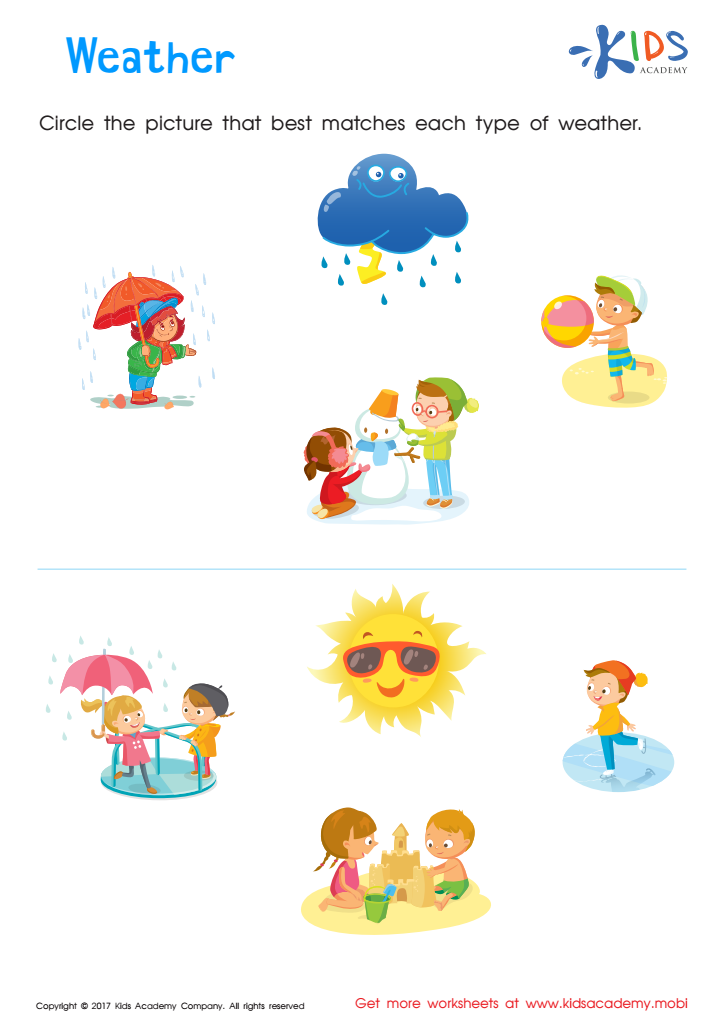
Welcome to our Weather Vocabulary Worksheets for 6-Year-Olds! Designed to make learning fun, these engaging worksheets introduce young learners to essential weather-related words and concepts. Each worksheet features colorful illustrations and interactive activities that spark curiosity about the weather. From identifying seasons and types of precipitation to discovering how weather affects our daily lives, these resources provide a strong foundation in vocabulary skills. Perfect for home or classroom use, these worksheets promote language development through exciting exercises, fostering a love for learning. Explore our selection and help your child make meaningful connections with the world around them through the variegated aspects of weather!
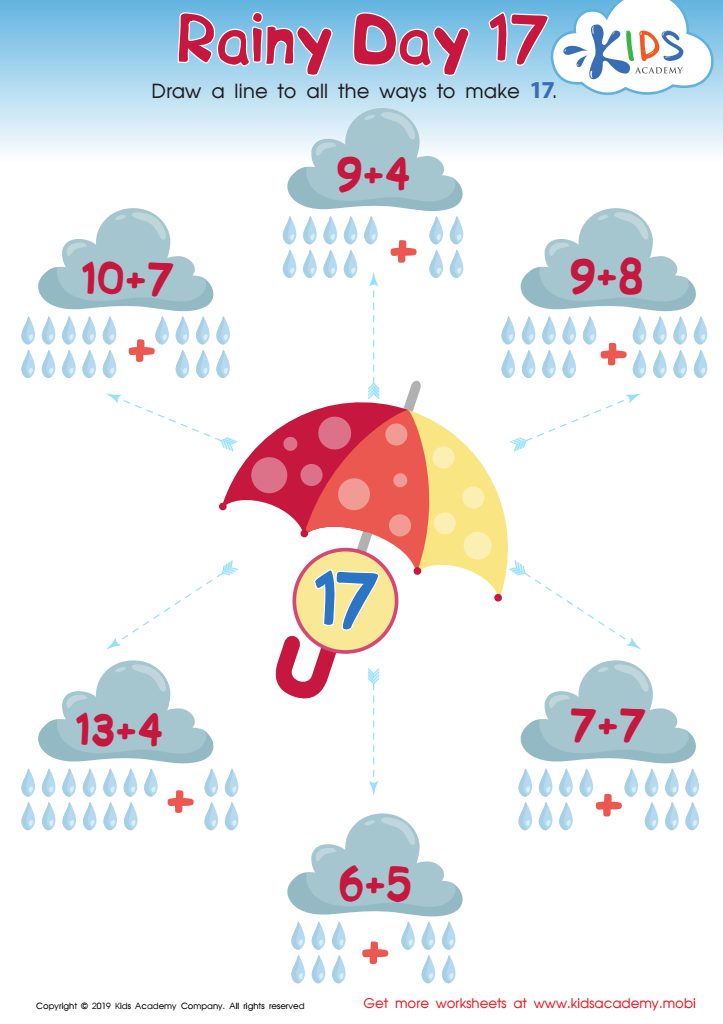
Rainy Day 17 Worksheet
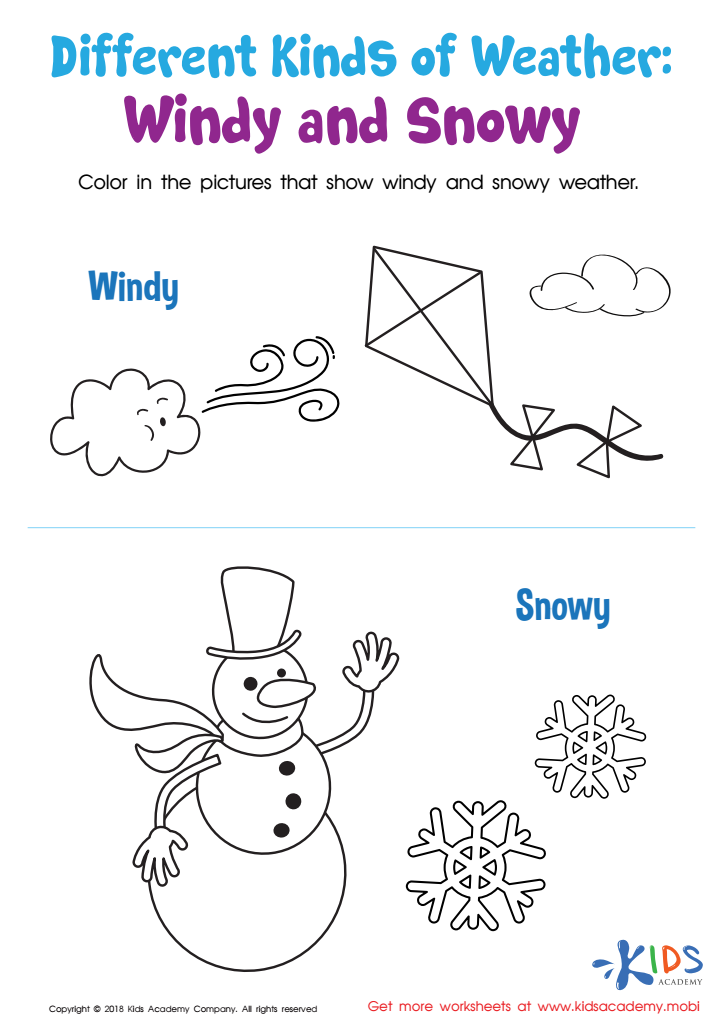
Different Kinds of Weather: Windy and Snowy Worksheet
 Assign to My Students








Weather vocabulary is essential for 6-year-olds as it aids in their cognitive and linguistic development. Understanding weather terms such as “sunny,” “cloudy,” “rainy,” and “stormy” helps children articulate their experiences and observations about the world around them. This foundational vocabulary enhances their communication skills, enabling them to express their feelings about different weather conditions and participate in conversations.
Additionally, knowledge of weather vocabulary promotes critical thinking and scientific curiosity. As children learn to identify weather patterns, they begin to understand the causes and effects of different meteorological phenomena. This knowledge fosters a sense of wonder and encourages inquiry-based learning, motivating them to ask questions and seek answers about how weather impacts their everyday lives.
In a broader context, learning about weather vocabulary also equips children with essential life skills. It helps them comprehend weather forecasts, understand the importance of appropriate clothing choices, and recognize safety measures during severe weather events. Overall, engaging with weather vocabulary not only supports language development but also cultivates a child’s overall understanding of their environment, preparing them for more complex scientific concepts in the future. Therefore, both parents and teachers should prioritize this aspect of early education.








