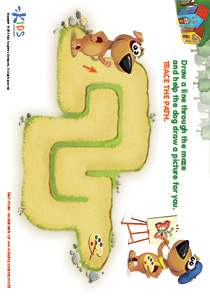
Hand-eye Coordination Logic and Early Math Worksheets for 6-Year-Olds
3 filtered results
-
From - To
Boost your 6-year-old’s learning journey with our engaging Hand-eye Coordination Logic and Early Math Worksheets! These specially designed activities will help develop crucial skills while making learning fun. By integrating hand-eye coordination exercises with math concepts, children enhance their fine motor skills and cognitive abilities simultaneously. Our worksheets feature visually appealing designs that capture kids' attention, promoting active participation. Whether it’s solving simple puzzles or engaging in drawing tasks, each activity supports holistic development. Perfect for at-home learning or reinforcing classroom lessons, our resources empower young learners to build confidence as they navigate early math and logic challenges. Start their adventure today!
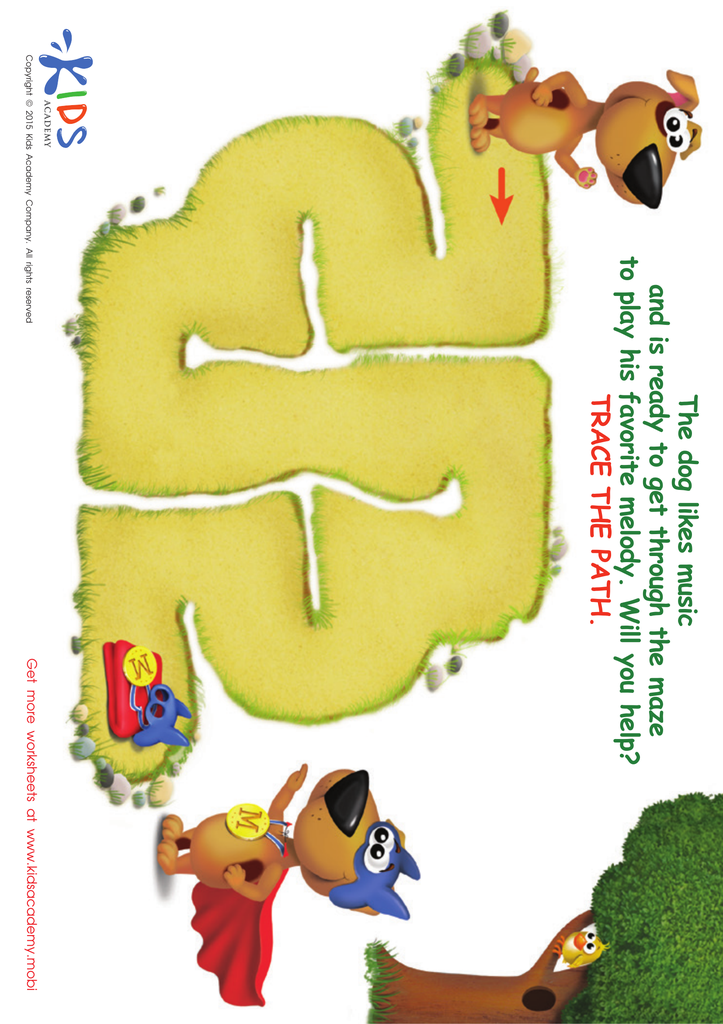
Superman Maze Worksheet
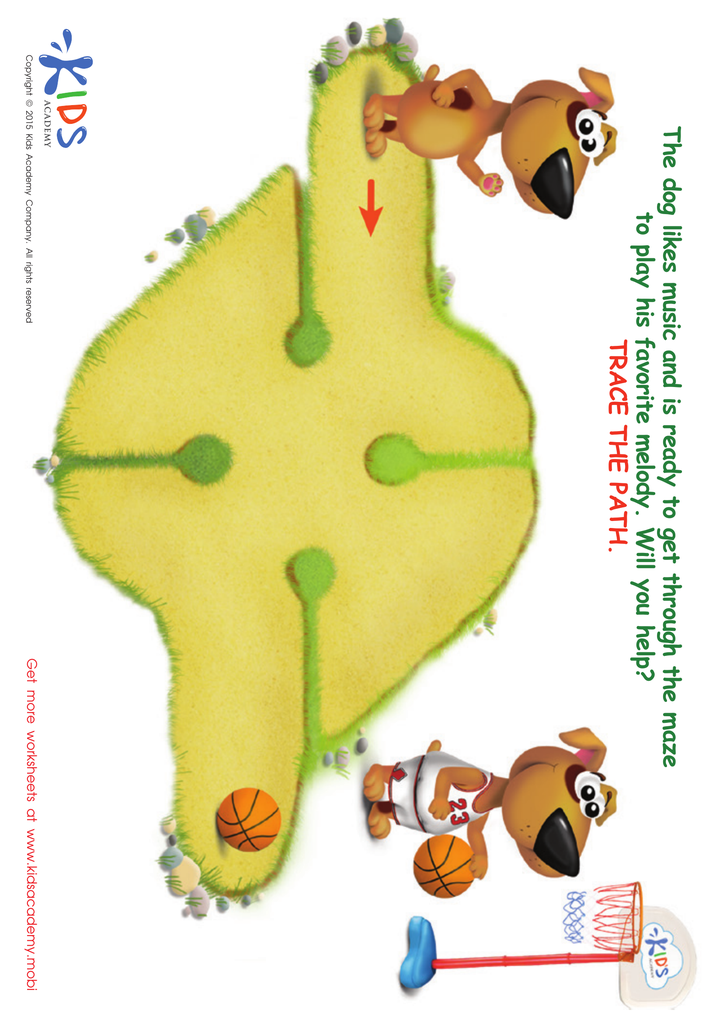
Basketball Player Maze Worksheet

Tennis Player Maze Worksheet







Hand-eye coordination and early math skills are crucial for a child's development, particularly for 6-year-olds who are at a formative stage in their learning journey. Hand-eye coordination helps children refine their motor skills, which are essential for daily activities like writing, drawing, and using tools. Enhanced coordination supports not just physical tasks but also instills confidence in children when engaging in creative activities.
Early math skills, on the other hand, lay the foundational concepts that influence a child’s understanding of math in later years. Arithmetic, pattern recognition, and problem-solving abilities begin to bloom at this age, and these skills nourish logical thinking, critical for academic success. By integrating hand-eye coordination activities with math learning, parents and teachers can create an engaging and holistic educational experience. For instance, games that involve counting while throwing a ball or creating patterns using beads can make math tangible and enjoyable.
Caring about these skills is essential as they build a bridge between physical and cognitive development, ensuring children are not only prepared for academic challenges ahead but also equipped with the abilities to navigate everyday life confidently. Investing time in these areas positions children for a more successful and balanced learning experience.