Basic geometry knowledge 2D Shapes Worksheets for 6-Year-Olds
3 filtered results
-
From - To
Discover our engaging collection of Basic Geometry Knowledge worksheets designed specifically for 6-year-olds! These fun and interactive 2D Shapes worksheets help young learners explore the world of shapes, enabling them to recognize, name, and categorize various forms. Each worksheet is thoughtfully crafted to enhance critical thinking and strengthen foundational math skills. From circles and squares to triangles and rectangles, kids will enjoy hands-on activities that spark their creativity and improve their understanding of geometry. Perfect for classroom settings or at-home learning, our resources make mastering 2D shapes an exciting adventure. Download your worksheets today and watch your child thrive in mathematics!
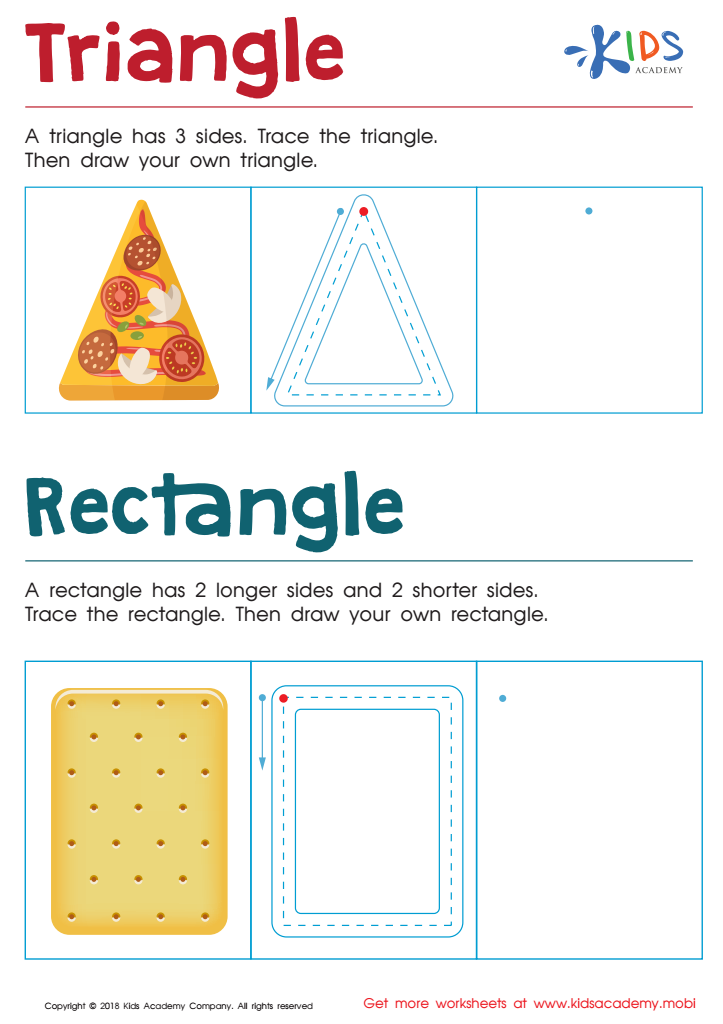
Triangle Rectangle Worksheet
 Assign to My Students











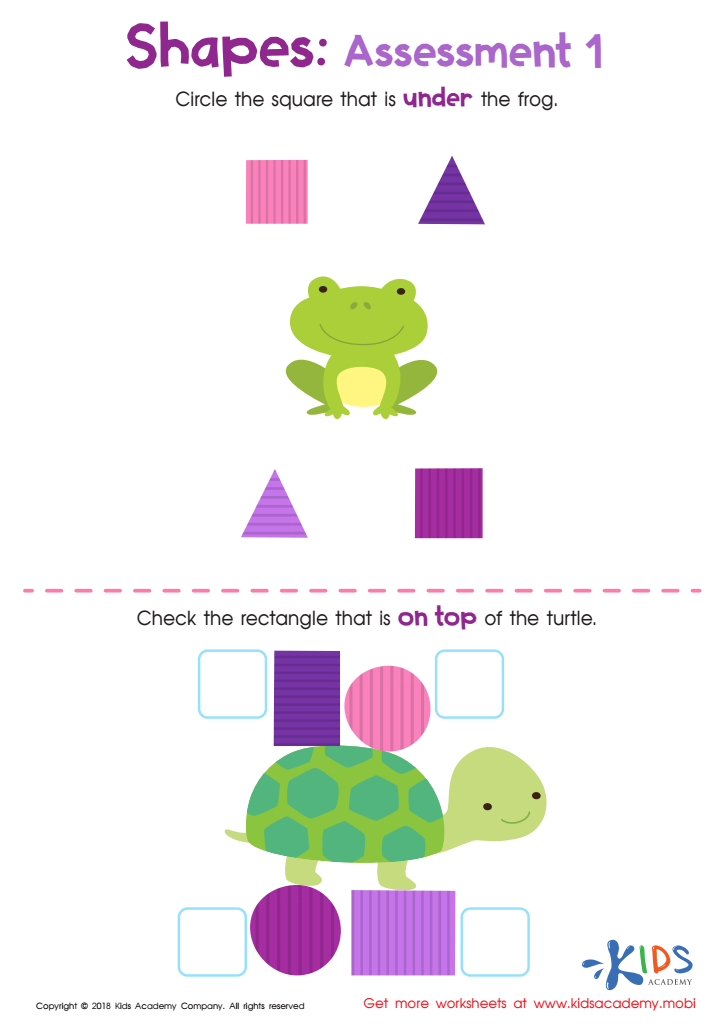
Geometry – Assessment 1 Worksheet
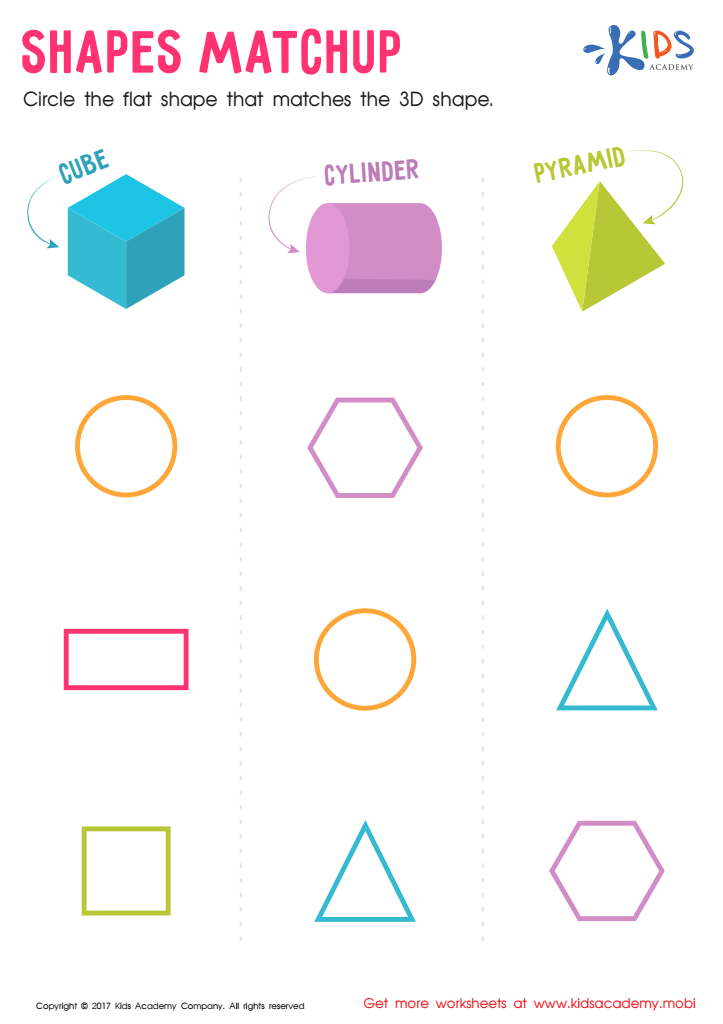
Shapes Matchup Worksheet








Parents and teachers should prioritize basic geometry knowledge, particularly 2D shapes, for 6-year-olds because it lays a foundational understanding of mathematics and critical thinking skills essential for future education. At this age, children are naturally curious and eager to explore their surroundings. Engaging with 2D shapes helps them develop spatial awareness, improve their ability to recognize patterns, and enhances their problem-solving skills.
Understanding shapes is not just about memorization but about forming connections between the physical world and mathematical concepts. Recognizing circles, squares, triangles, and other shapes enables children to categorize objects, which is a vital cognitive skill. Additionally, geometry strengthens their ability to visualize and manipulate objects mentally, laying the groundwork for more complex math topics later on.
Moreover, these early lessons in geometry can be infused into everyday activities, making learning fun through games and art projects. As children explore shapes, they also enhance their language skills by learning specific terminology and engaging in conversations about their discoveries. Ultimately, nurturing their understanding of 2D shapes not only aids in academic development but also contributes positively to their overall cognitive and social growth. Ensuring that young learners grasp these basic geometry concepts will benefit them well beyond the classroom.








