Mathematical reasoning Addition & Subtraction Worksheets for 6-Year-Olds
17 filtered results
-
From - To
Boost your 6-year-old's mathematical reasoning with our engaging Addition & Subtraction Worksheets! Designed to make learning fun, these worksheets help young learners develop critical thinking skills while mastering basic math concepts. Our activities are crafted to promote problem-solving abilities through various engaging contexts and scenarios. With colorful illustrations and age-appropriate challenges, children will explore addition and subtraction in a creative way, laying a strong foundation for future math skills. Ideal for home or classroom, these worksheets foster independent learning while keeping kids entertained and motivated. Download now and watch your child thrive in their mathematical journey!
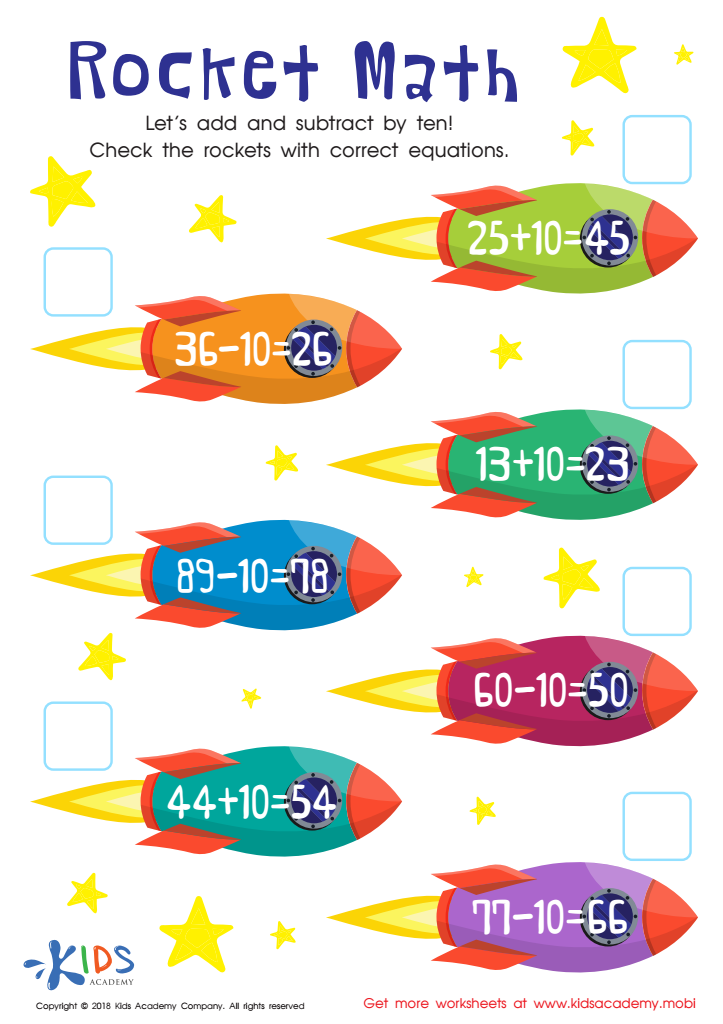
Rocket Math Worksheet
 Assign to My Students
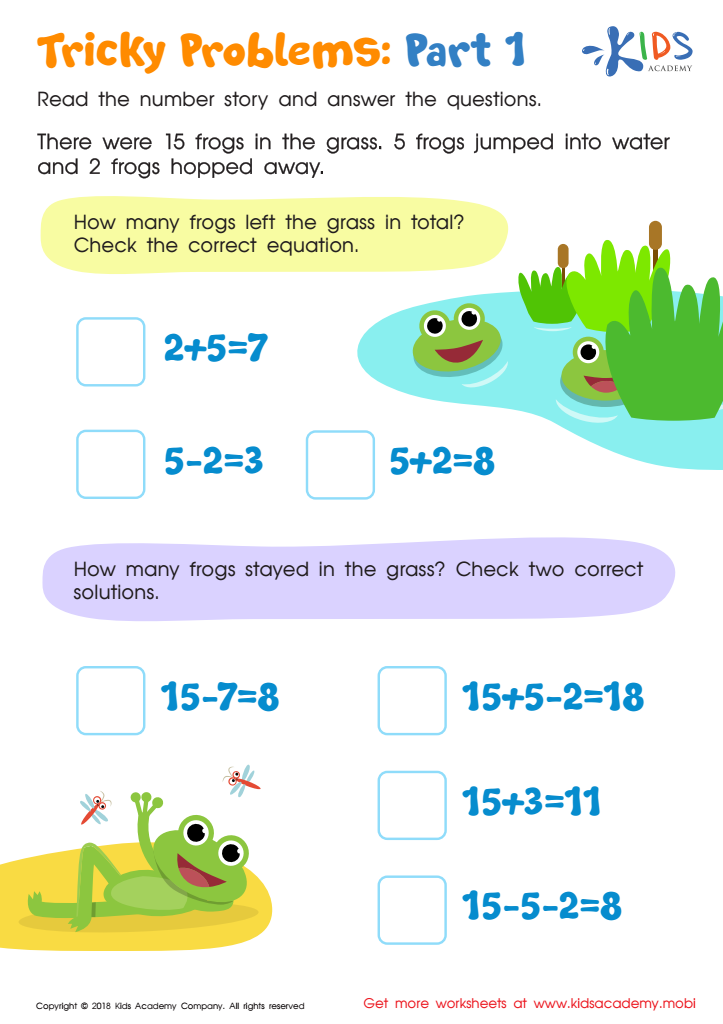
Tricky Problems Worksheet: Part 1
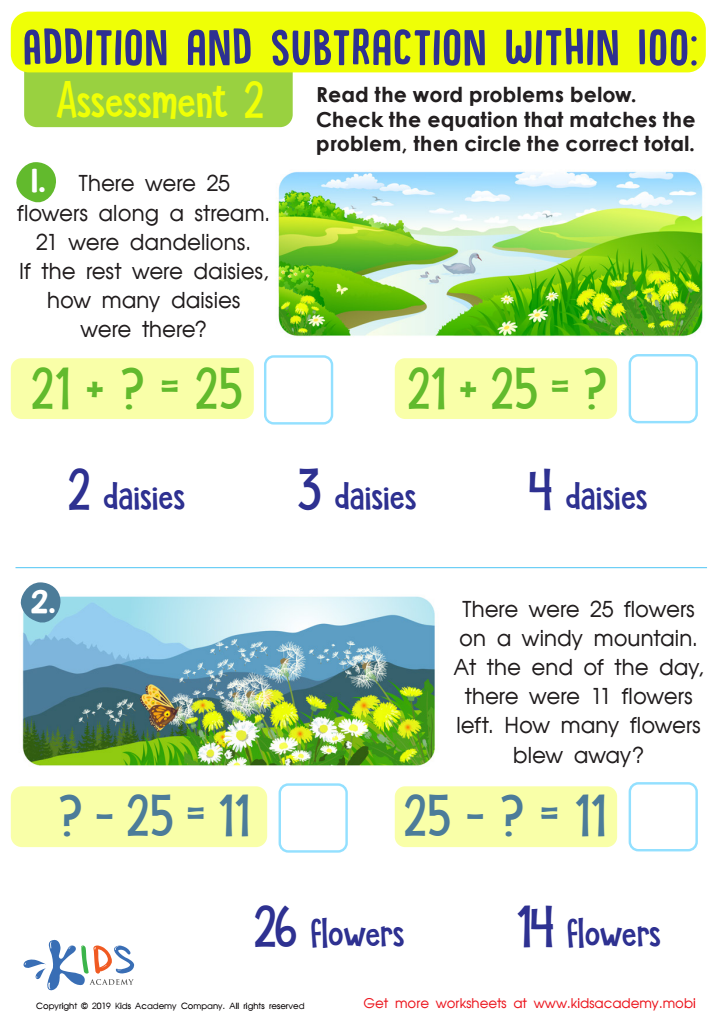
Assessment 2 Math Worksheet
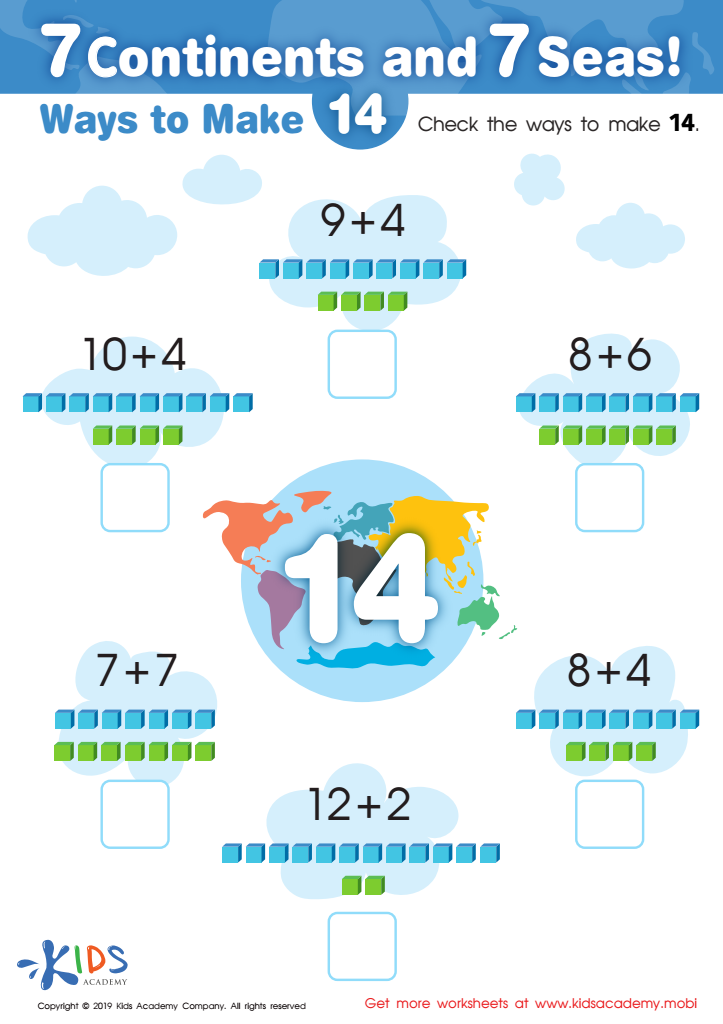
7 Continents and 7 Seas Worksheet
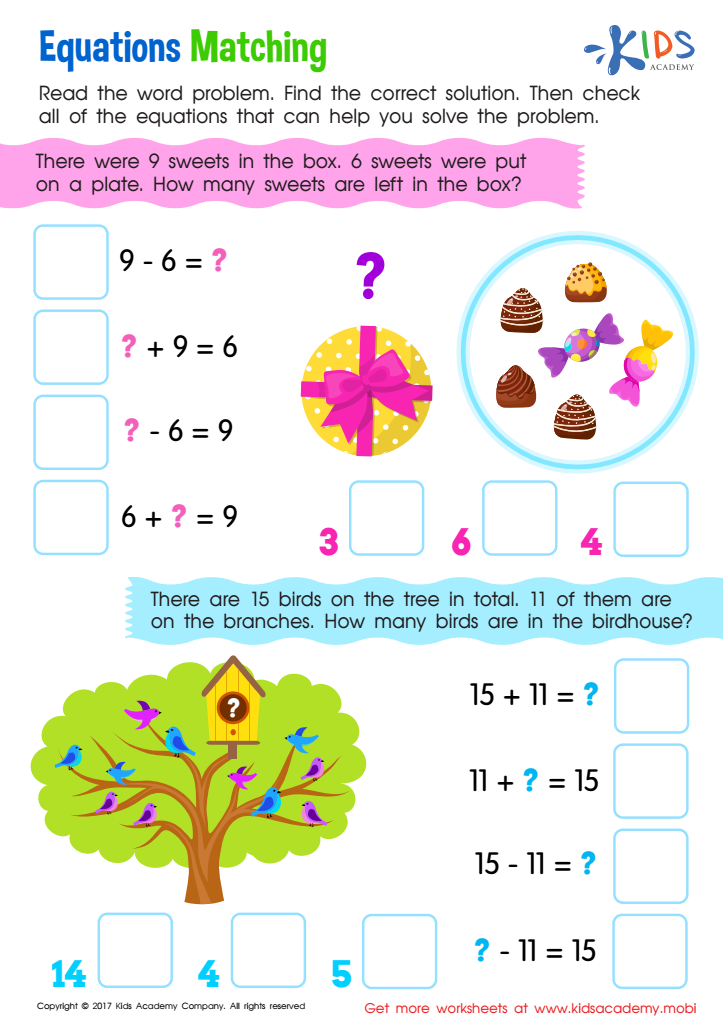
Equations Matching Word Problems Worksheet
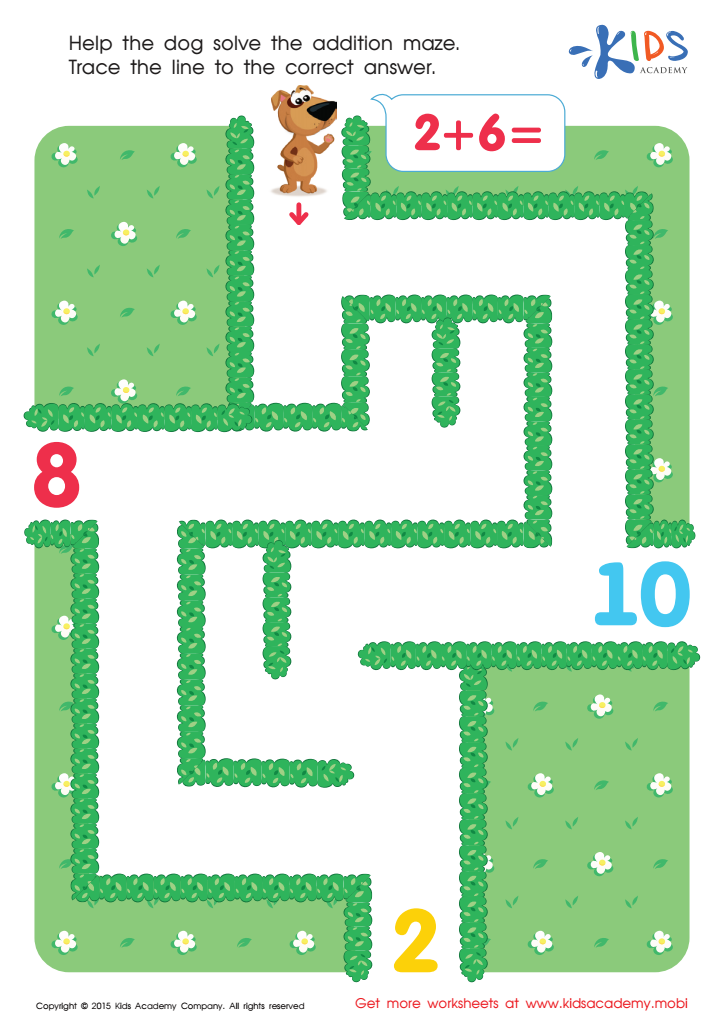
Two Plus Six Addition Worksheet
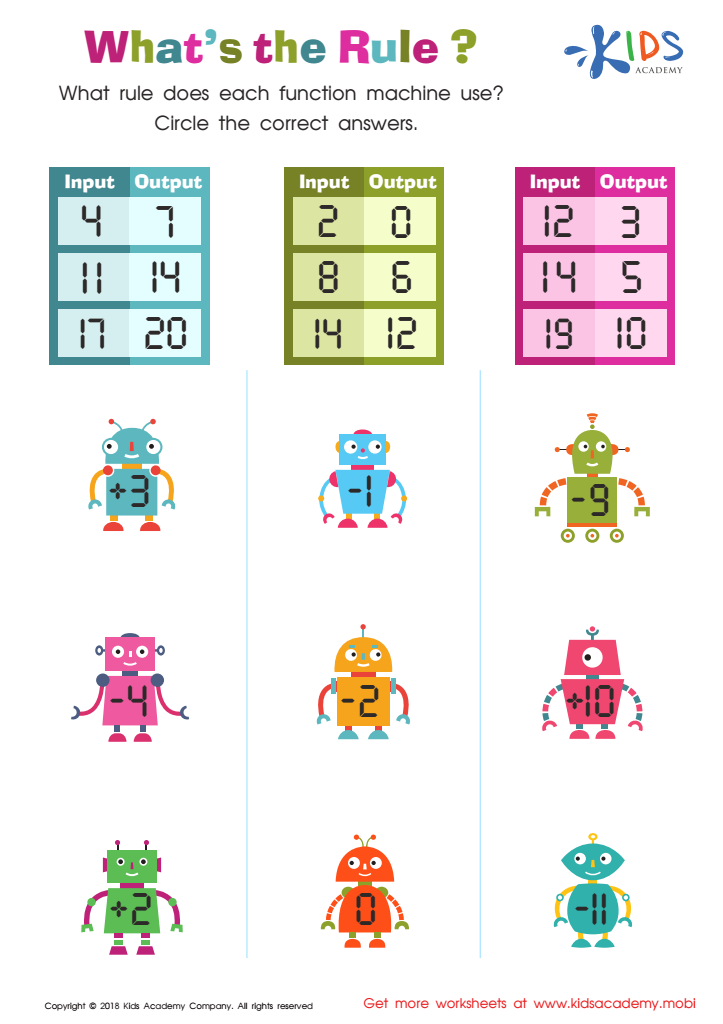
What's the Rule Worksheet
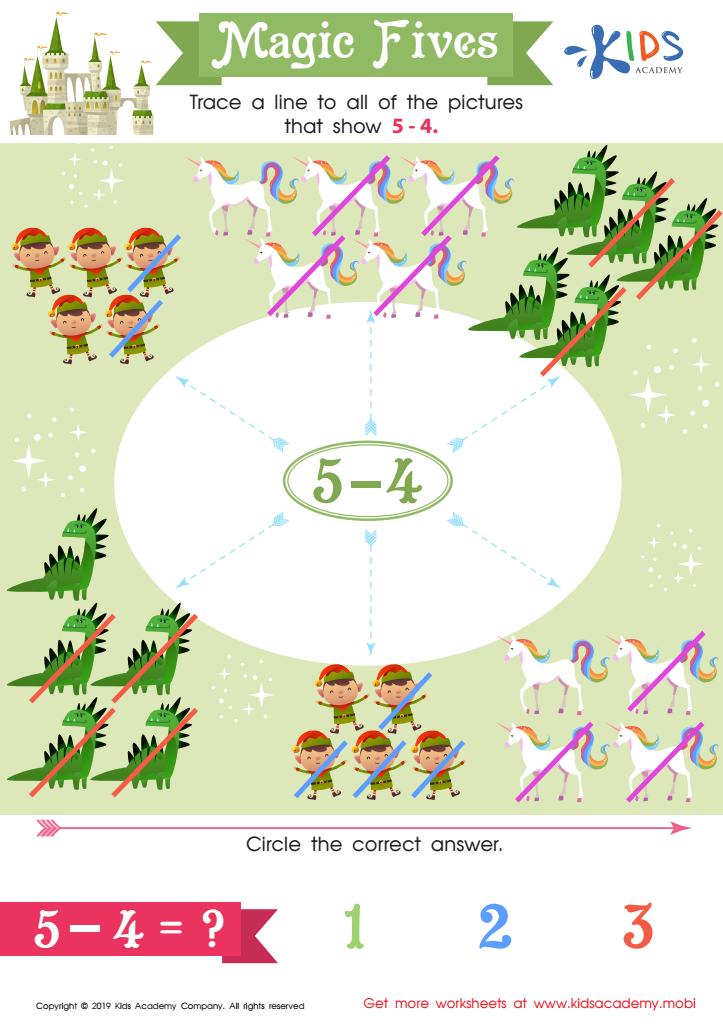
Magic Fives Worksheet
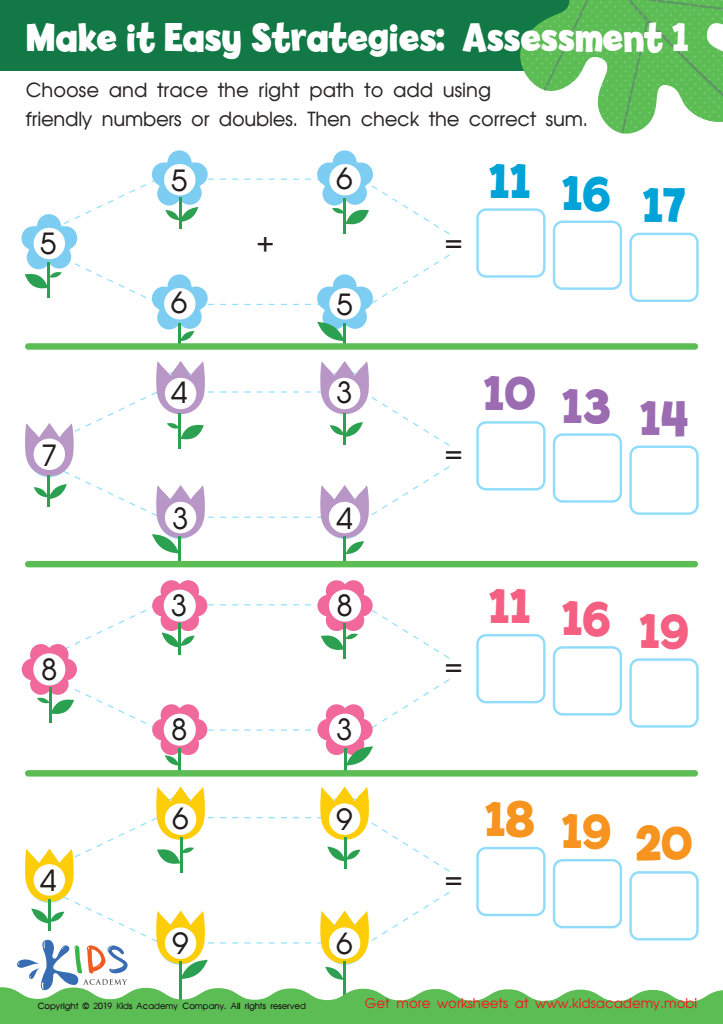
Make it Easy Strategies: Assessment 1 Worksheet
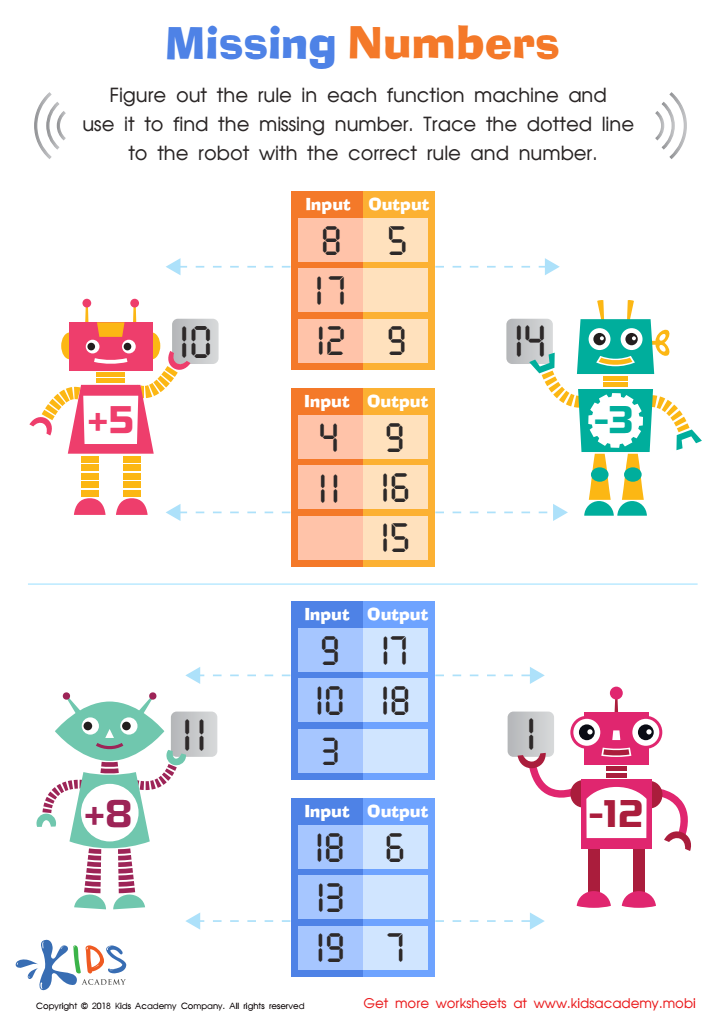
Missing Numbers Worksheet
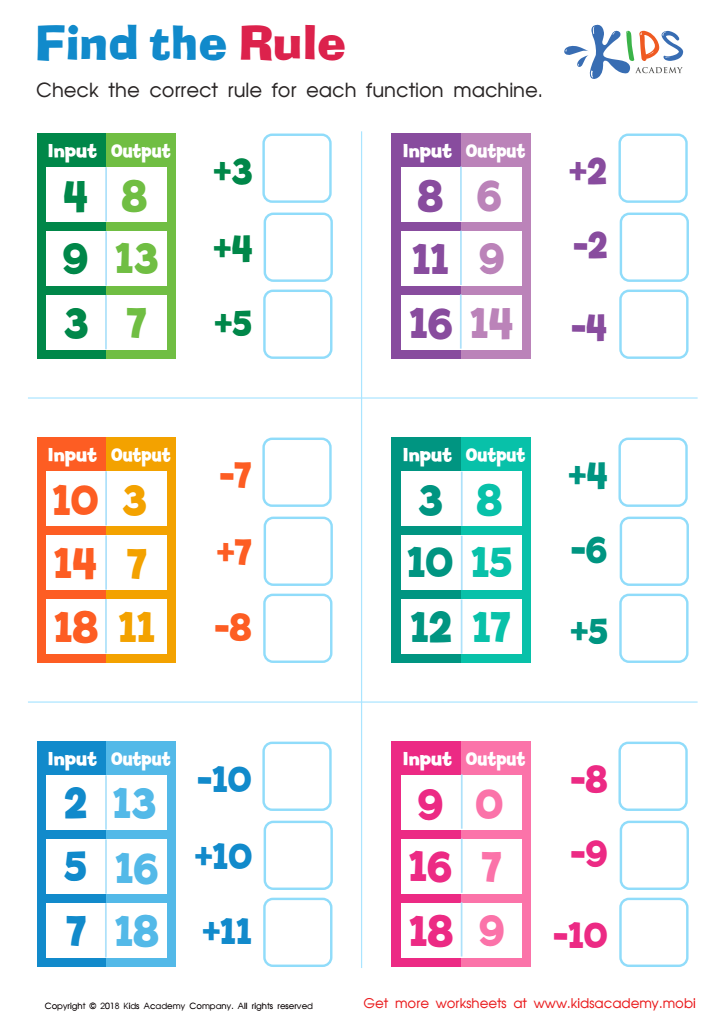
Find the Rule Worksheet
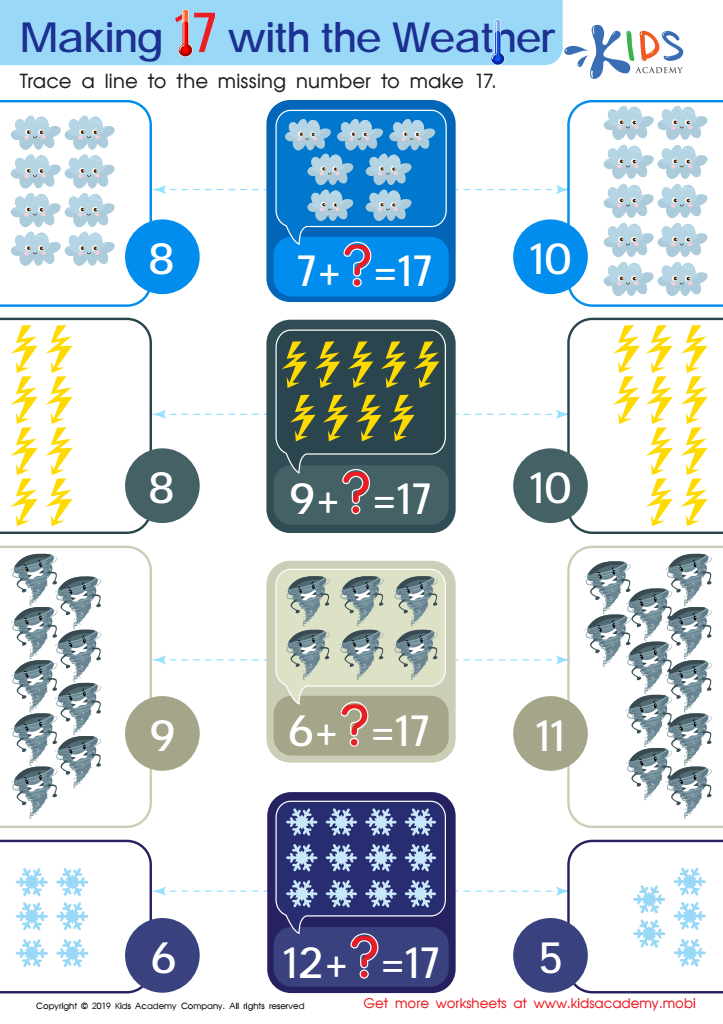
Making 17 with the Weather Worksheet
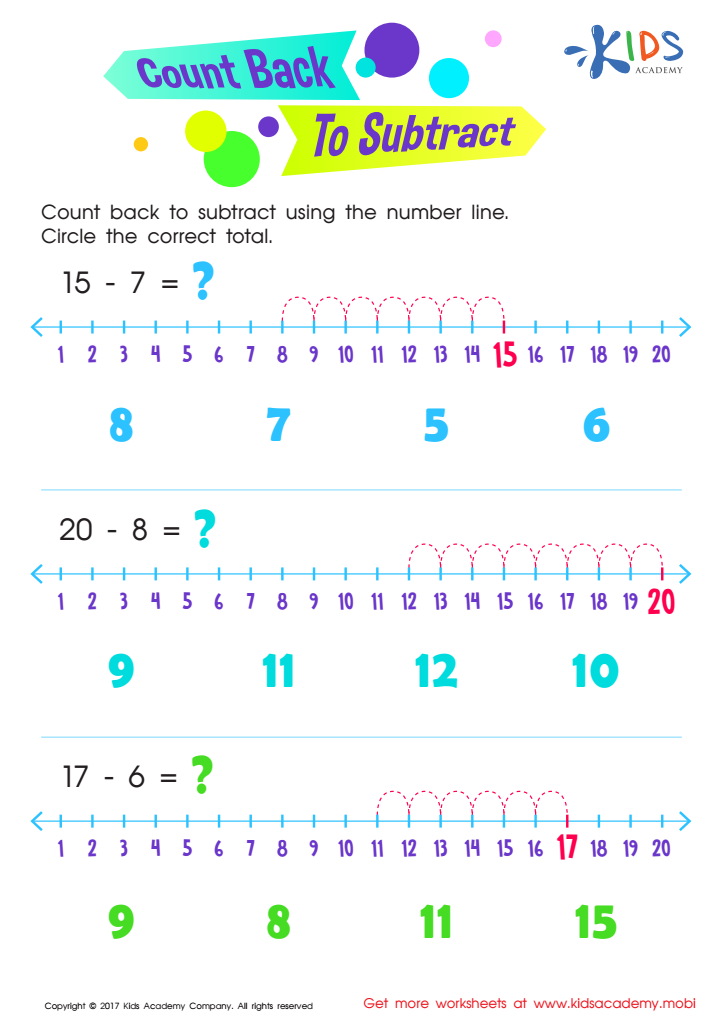
Count Back to Subtract Substraction Worksheet
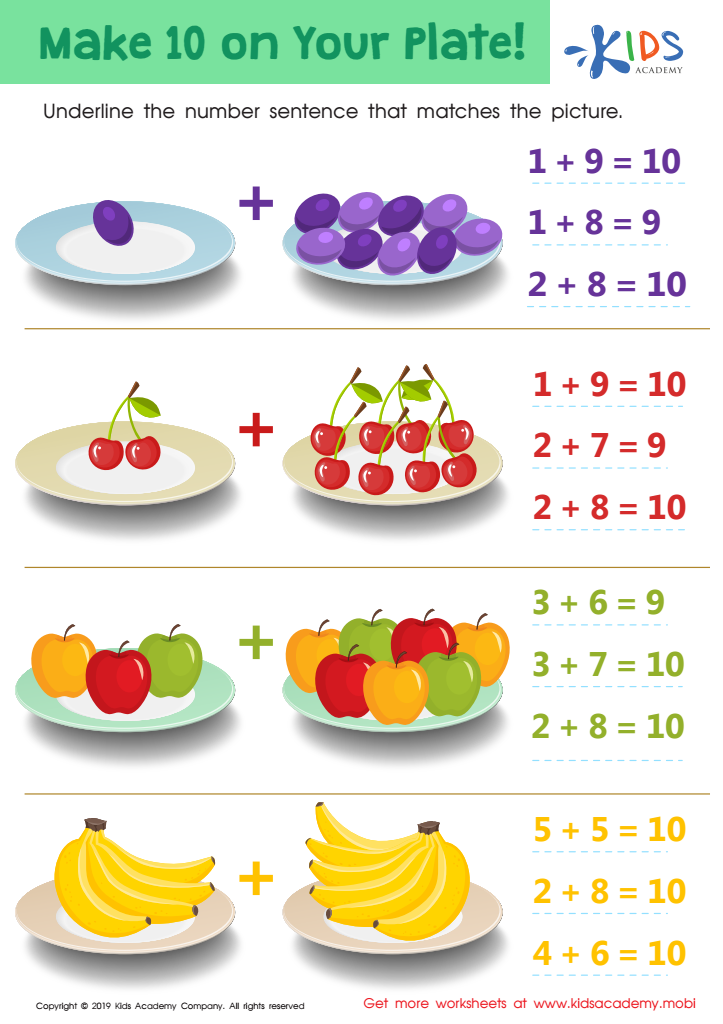
Make 10 on Your Plate! Worksheet
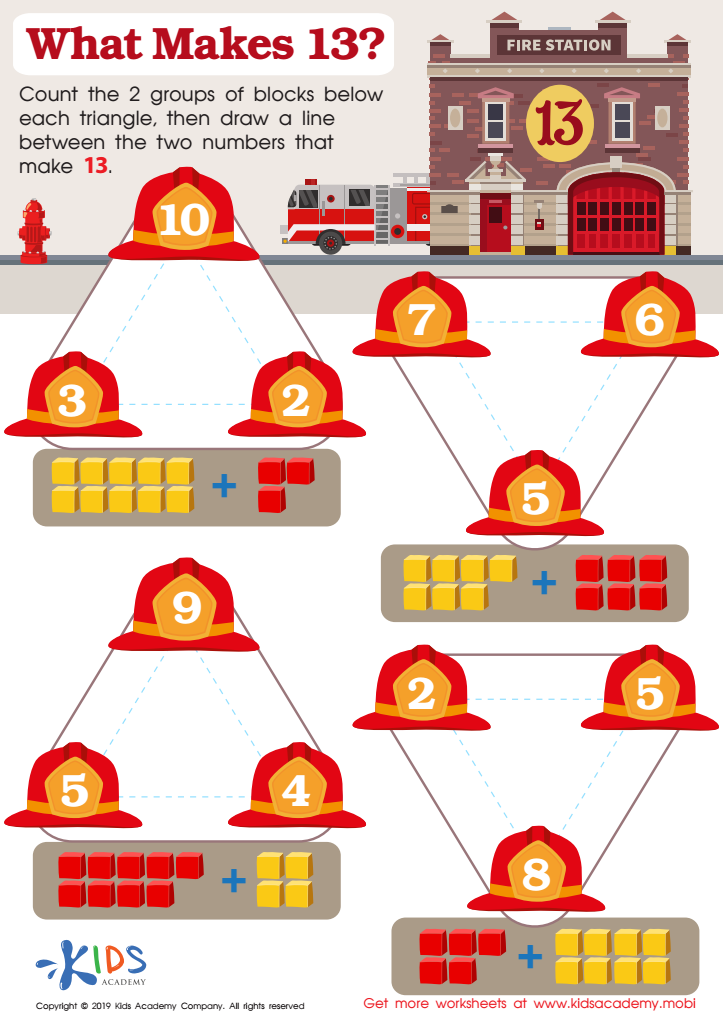
What Makes 13 Worksheet
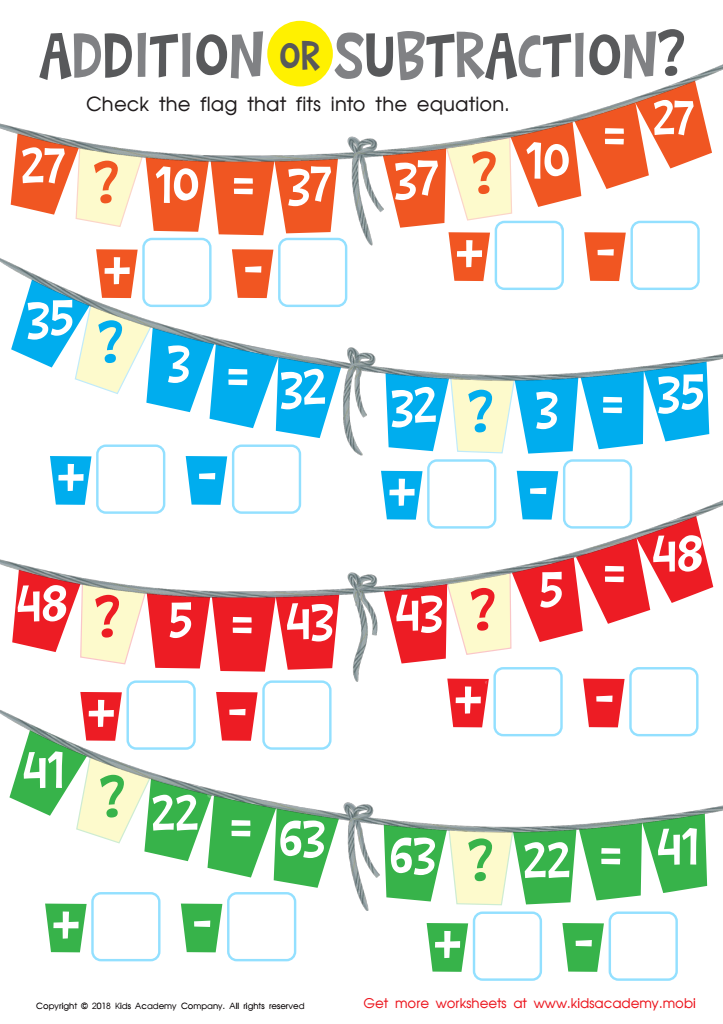
Addition or Subtraction? Worksheet
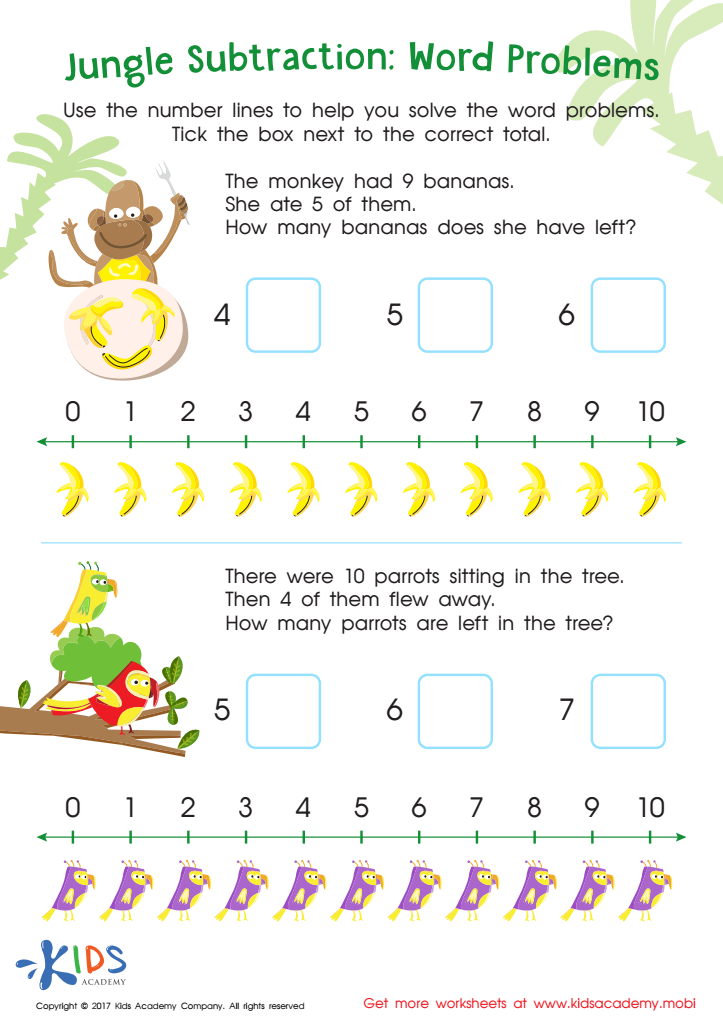
Jungle Subtraction Word Problems Substraction Worksheet








Parents and teachers should prioritize mathematical reasoning in addition and subtraction for 6-year-olds because it forms the foundation for all future learning in mathematics. At this age, children are naturally curious and eager to explore concepts, making it an ideal time to introduce problem-solving strategies and logical thinking.
Mathematical reasoning helps children understand not just how to perform calculations, but why these processes work. When children comprehend the principles behind addition and subtraction—such as the relationship between numbers, grouping, and sequencing—they develop stronger critical thinking skills. This understanding enhances their confidence in tackling more complex mathematical problems as they progress in school.
Furthermore, strong mathematical reasoning impacts other subjects and life skills. It fosters analytical skills, nurtures persistence, and promotes effective communication of their thought processes. Additionally, an early emphasis on these skills can overcome anxiety around mathematics, encouraging a positive attitude towards the subject.
Lastly, engaging in addition and subtraction through fun activities and real-world applications encourages children to view math as a useful and rewarding skill rather than a chore. By nurturing mathematical reasoning, parents and teachers can equip children with essential tools for academic success and lifelong learning.








