Cognitive Development Addition Worksheets for 6-Year-Olds
5 filtered results
-
From - To
Explore our engaging Cognitive Development Addition Worksheets designed specifically for 6-year-olds! These interactive resources aim to enhance young learners' mathematical skills while fostering critical cognitive growth. By incorporating fun and age-appropriate exercises, children will develop their problem-solving abilities, number sense, and logical thinking. Our worksheets feature colorful illustrations and varied activities that capture children's interest, making learning enjoyable. Perfect for parents and educators, these materials can be used at home or in the classroom to support learning objectives and boost confidence in math. Help your child flourish academically with our thoughtfully designed addition worksheets today!
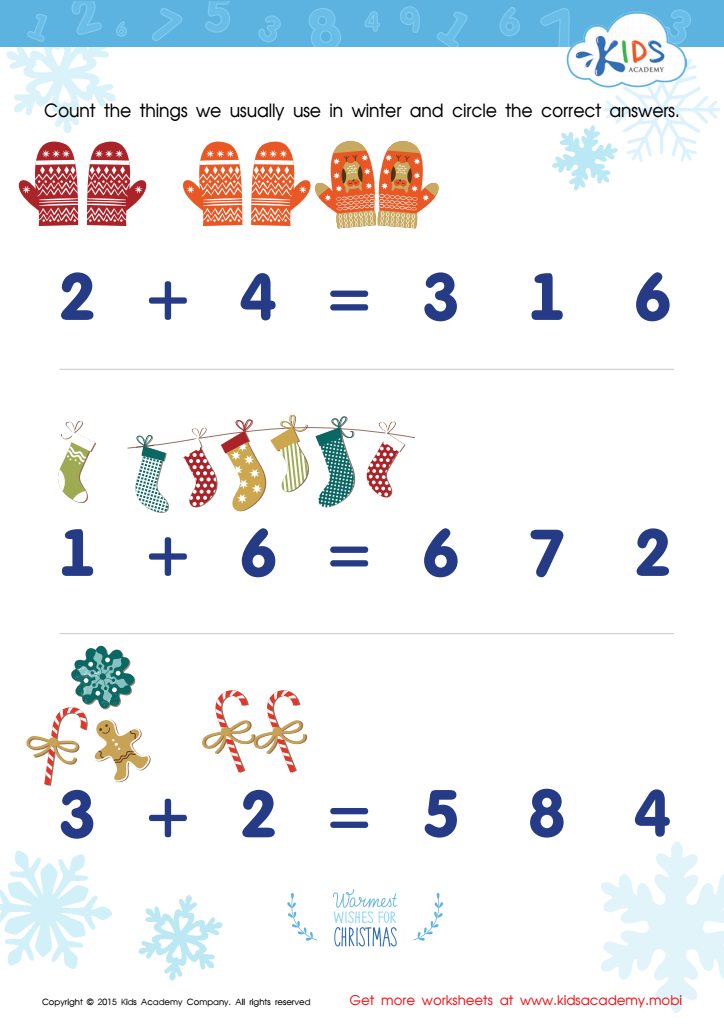
Count Winter Things Worksheet
 Assign to My Students
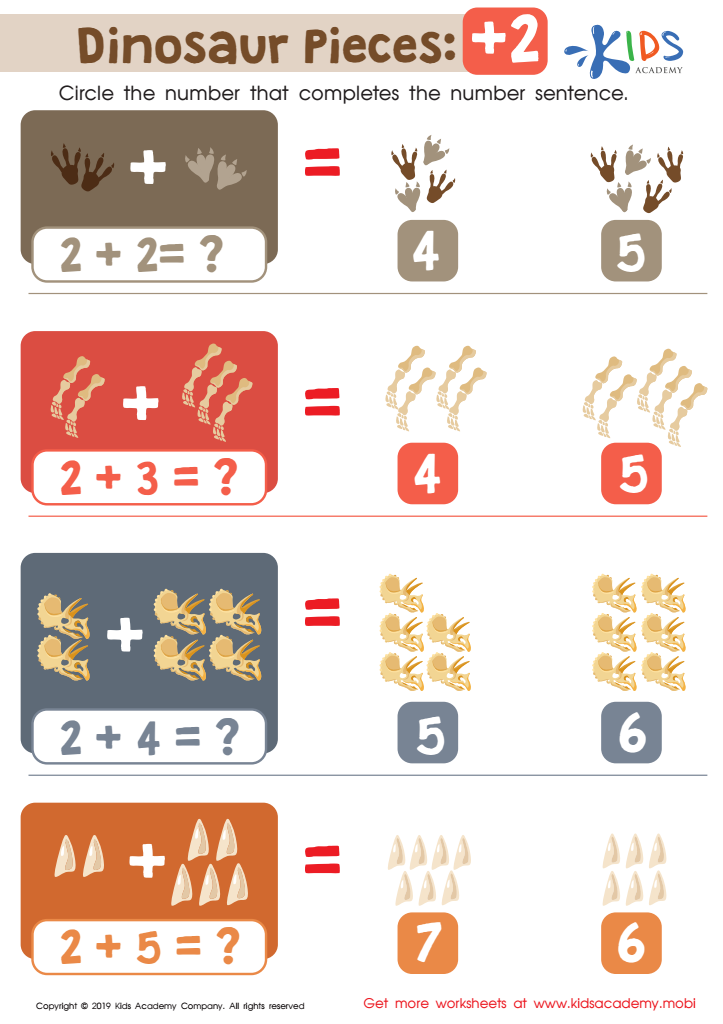
Dinosaur Pieces: +2 Worksheet
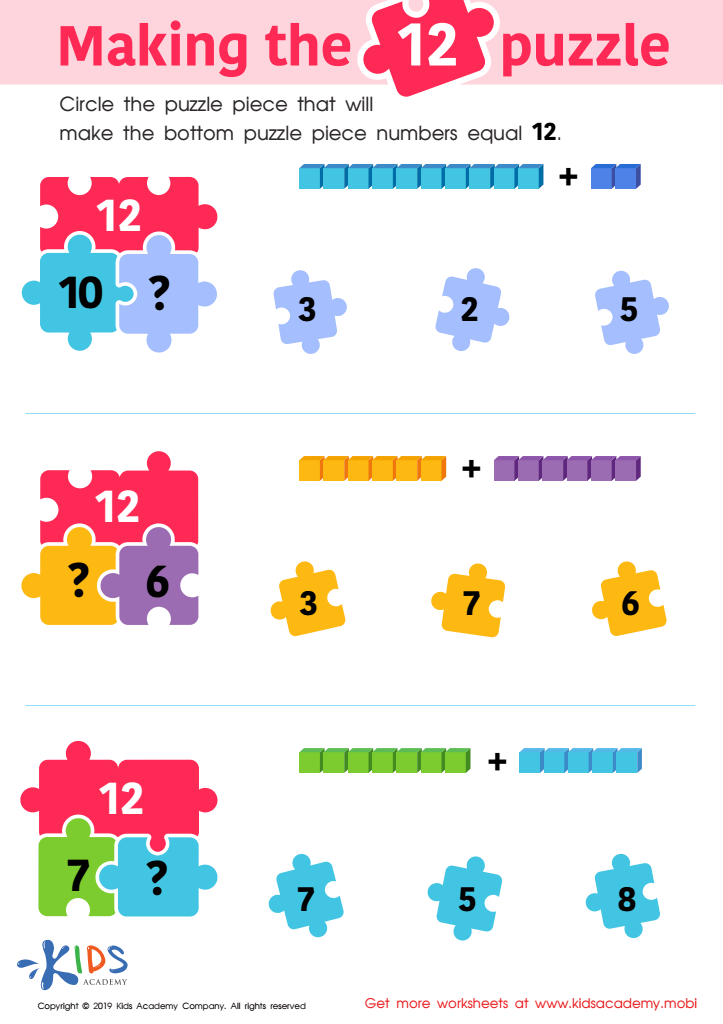
Making the 12 Puzzle Worksheet
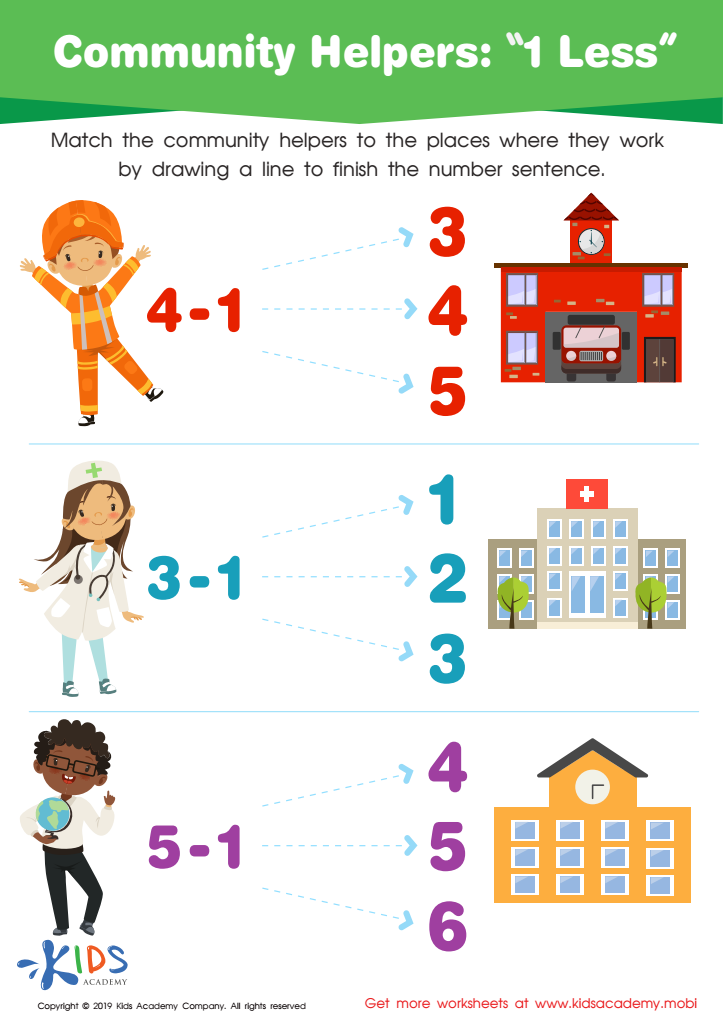
Community Helpers: 1 less Worksheet
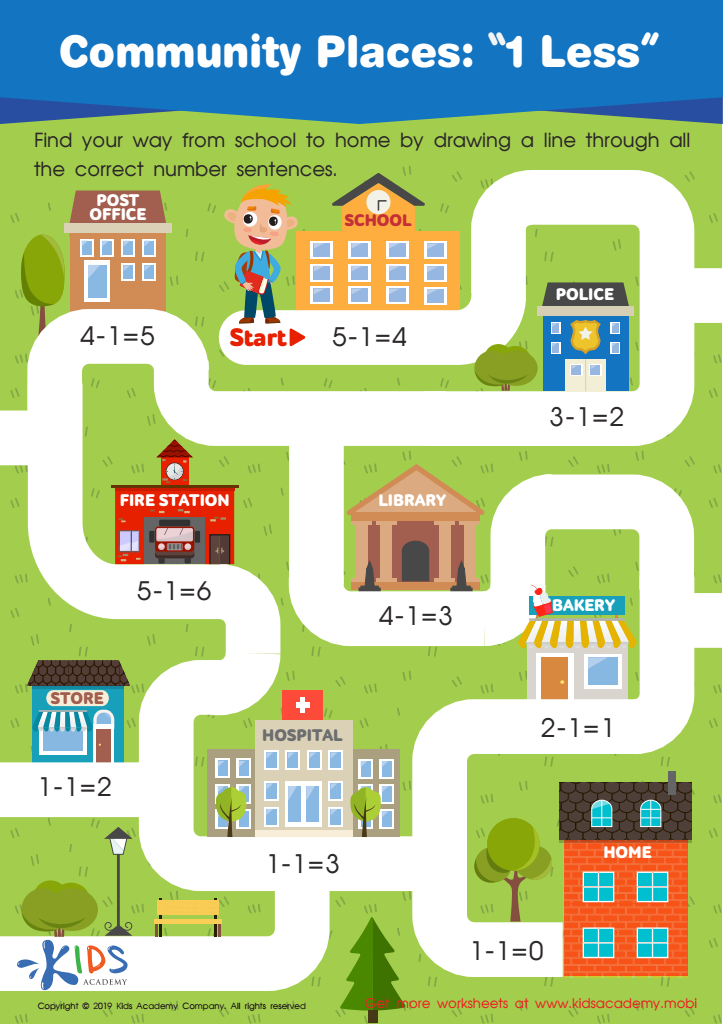
Community Places: 1 Less Worksheet








Cognitive development in 6-year-olds is crucial for effective learning and overall growth. Understanding this stage enables parents and teachers to support children's ability to think, learn, and solve problems. At this age, children typically begin to grasp basic mathematical concepts, such as addition, which serves as the foundation for future mathematical skills.
Encouraging cognitive development in mathematics aids children in developing critical thinking and reasoning skills. These skills are not only essential for academic success but also have practical implications in daily life. For instance, understanding addition allows children to engage in simple financial tasks, such as sharing or shopping, thereby enabling them to make informed decisions.
Parents and teachers play an integral role in fostering a positive attitude towards math by using engaging and relatable methods that stimulate curiosity. Activities like games or interactive lessons can make learning enjoyable, reducing anxiety and building confidence.
Moreover, by being aware of cognitive milestones, caregivers can identify any potential learning challenges early on, ensuring timely interventions. Ultimately, investing time and resources into the cognitive development of 6-year-olds leads to well-rounded individuals who are equipped with foundational skills that pave the way for lifelong learning and problem-solving abilities.








