Number Recognition Comparing Numbers Worksheets for 6-Year-Olds
5 filtered results
-
From - To
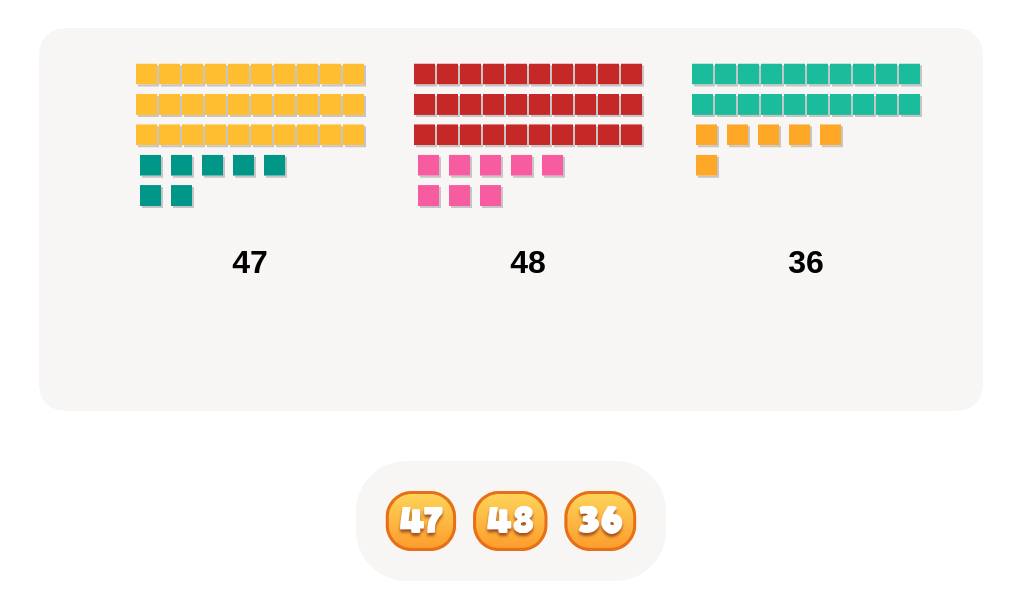
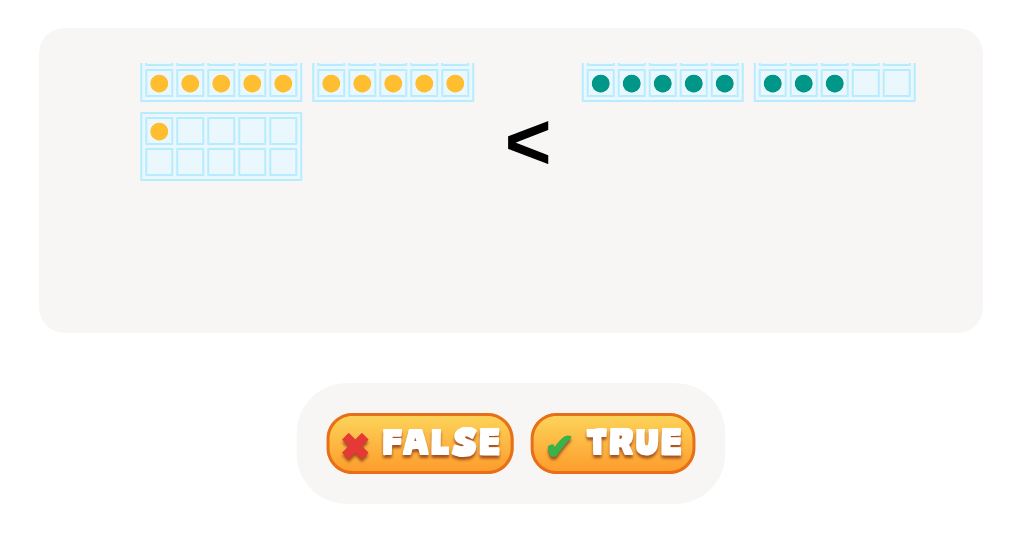
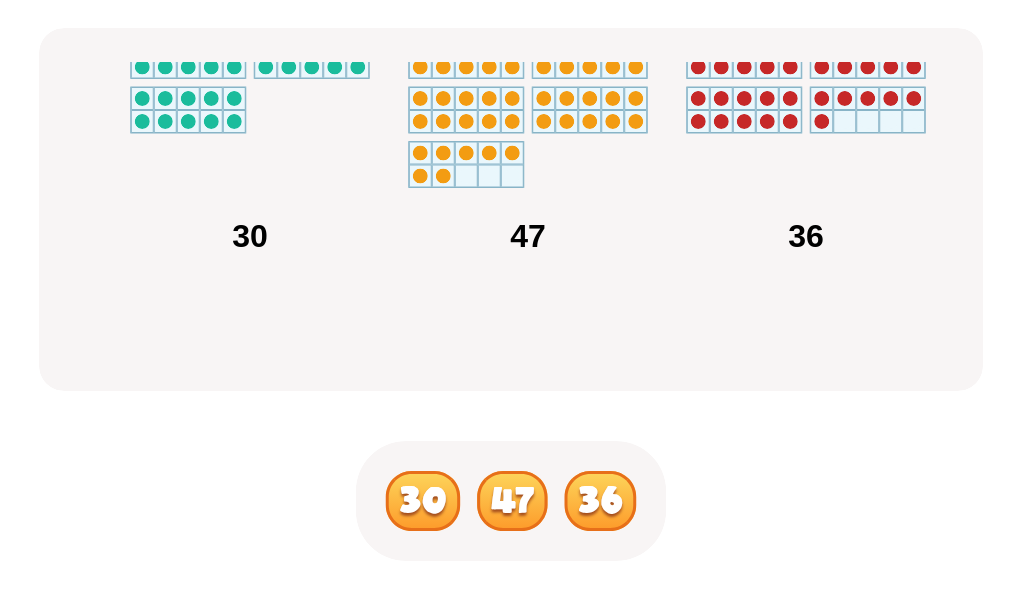
Engage your 6-year-old in mastering number recognition and comparing numbers with our interactive worksheets! Crafted to make learning fun, these vibrant resources help young learners identify, compare, and understand the value of numbers. Each worksheet is designed to develop critical thinking and math skills through colorful illustrations and engaging activities. Perfect for both classroom and at-home practice, our worksheets are an excellent tool to boost confidence in young mathematicians. Watch as your child learns to recognize numbers, compare their sizes, and lay a strong foundation for future math success. Start the learning adventure today!
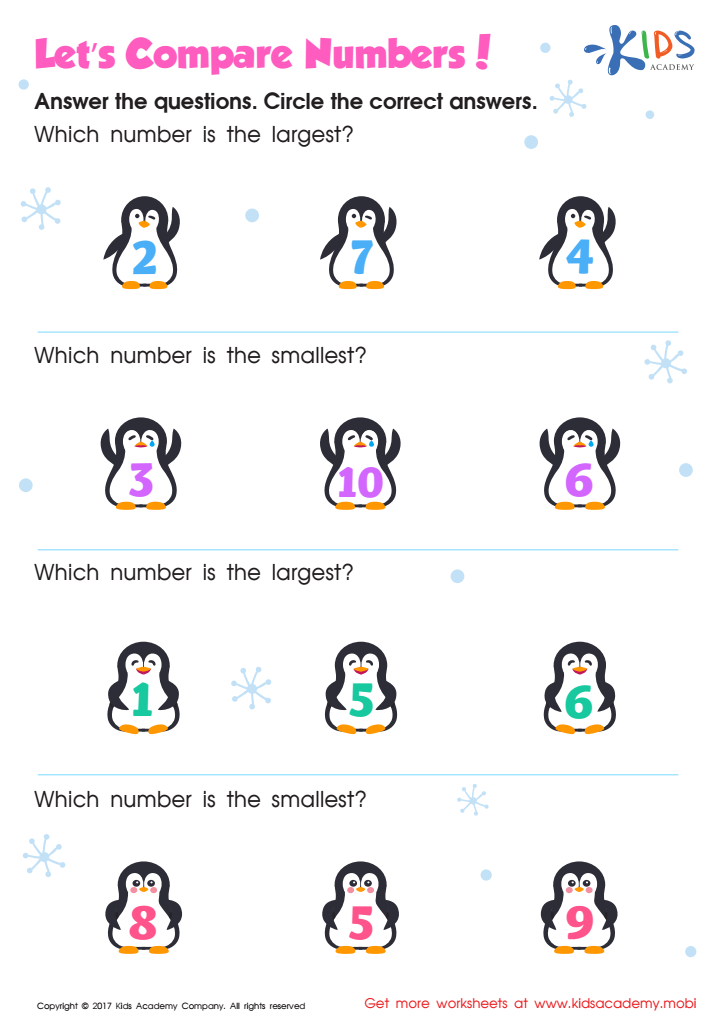
Comparing Numbers 1–10 Worksheet Kindergarten
 Assign to My Students
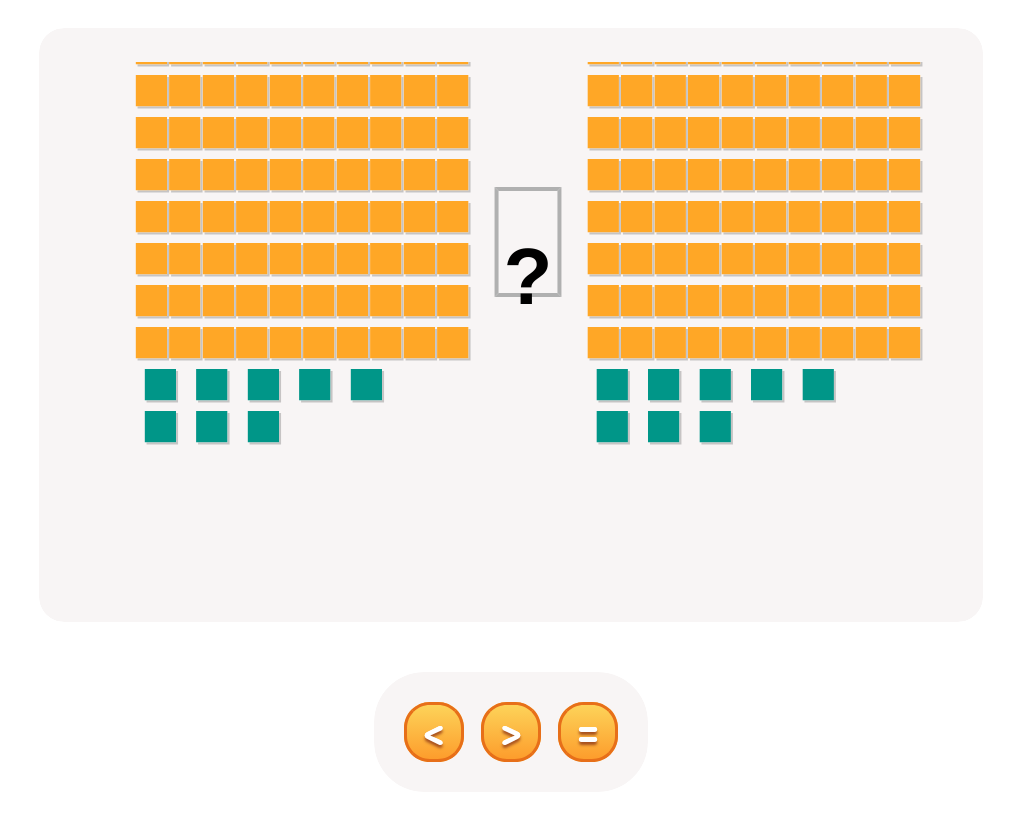

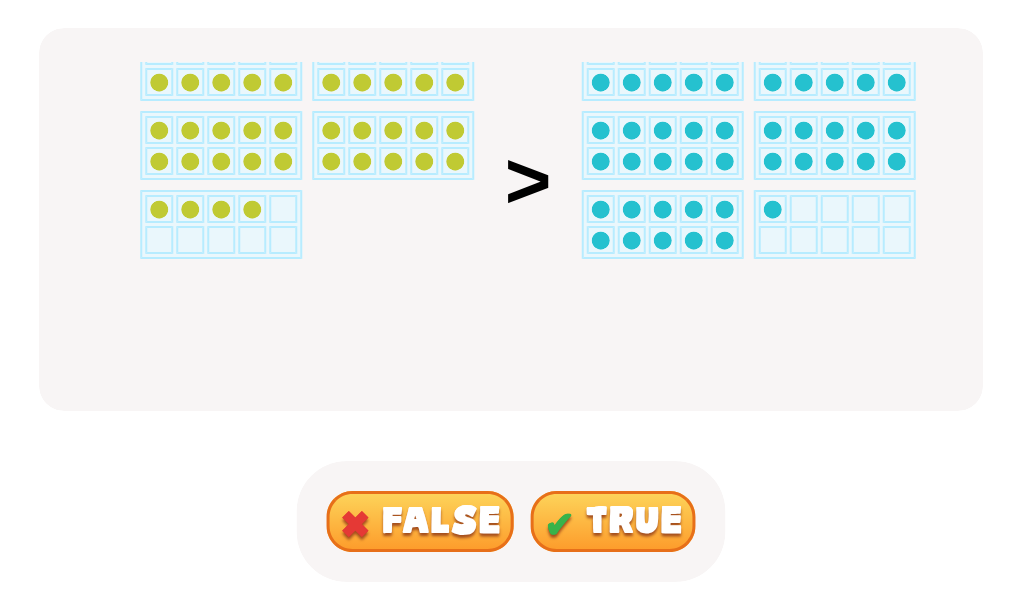
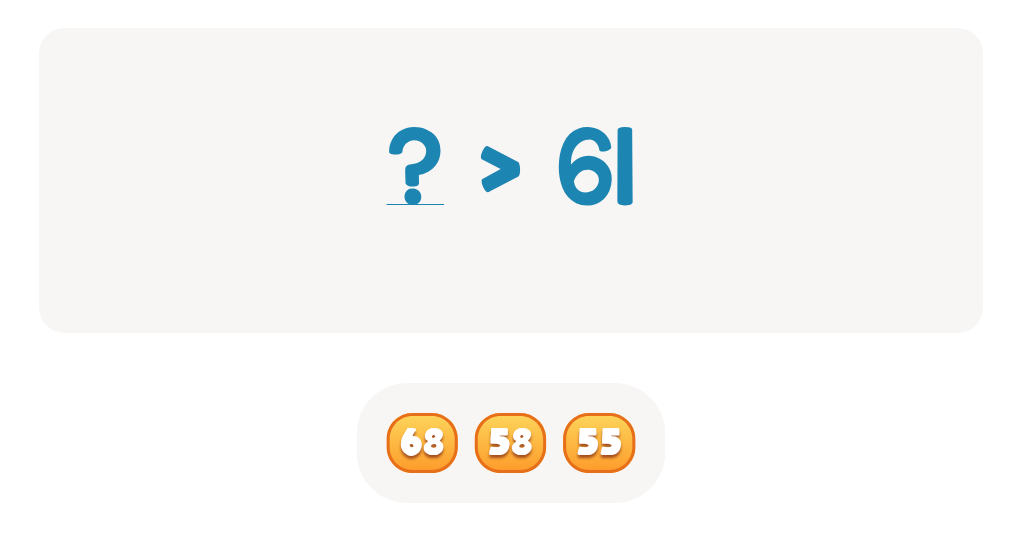
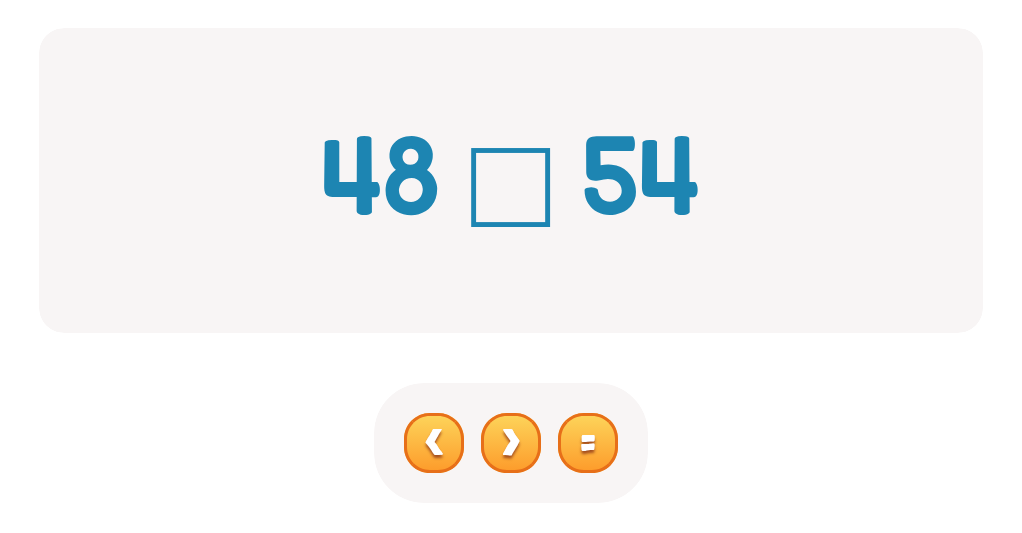
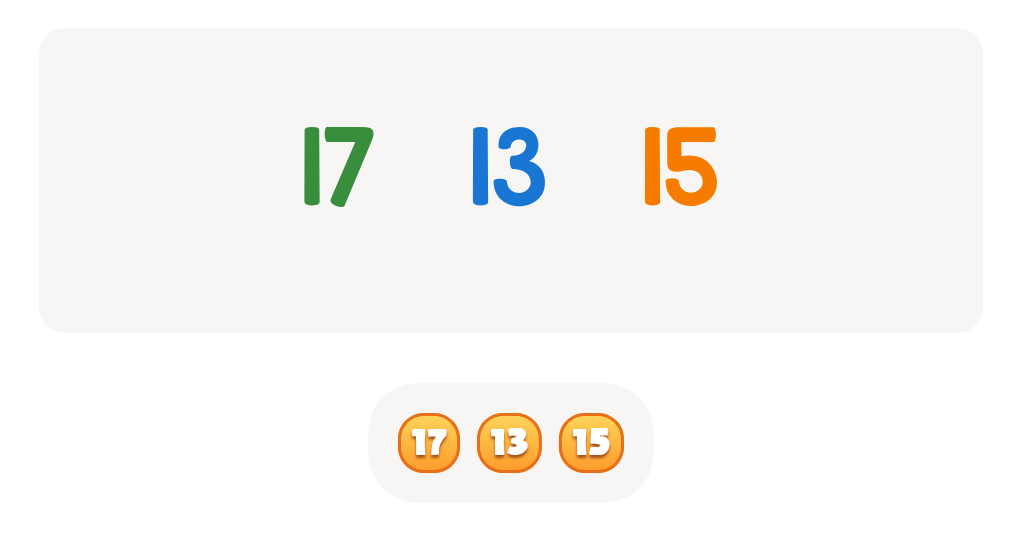
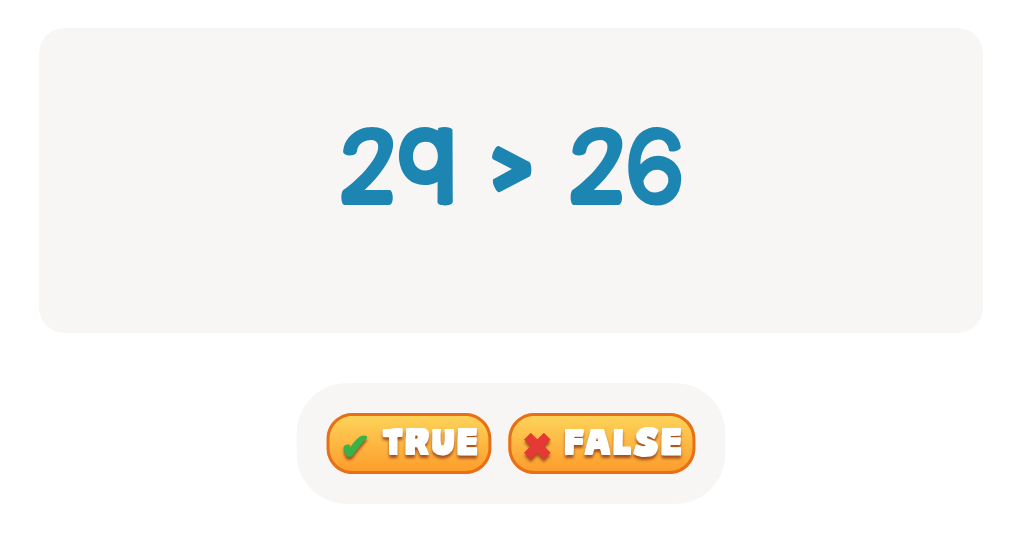
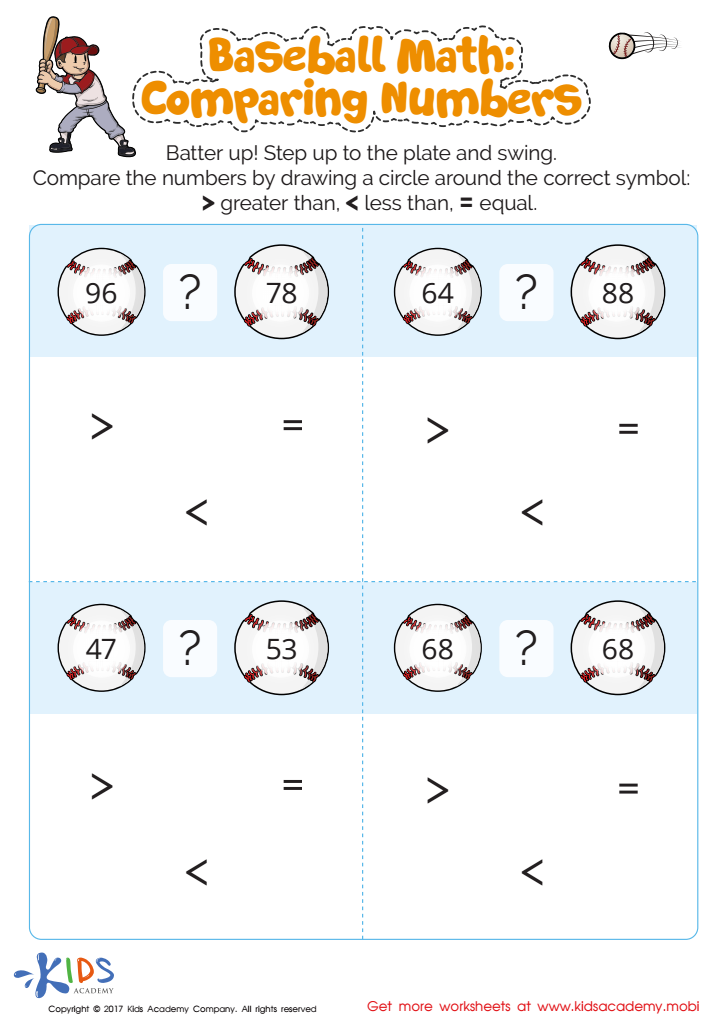
Compare Numbers Printable
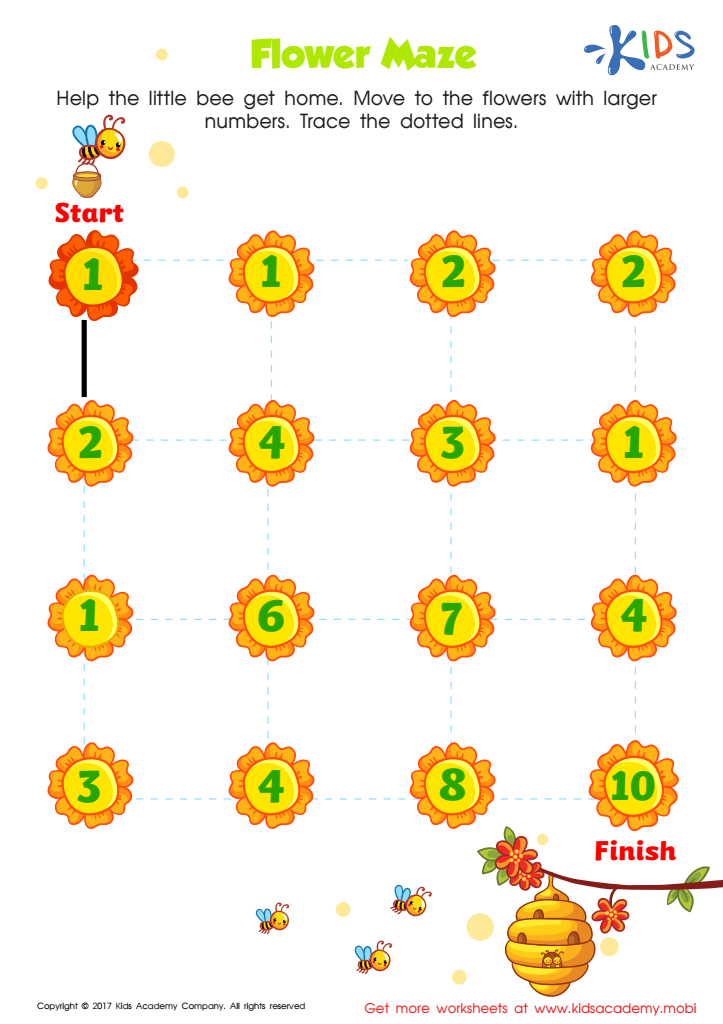
Number Maze For Kindergarten Printable
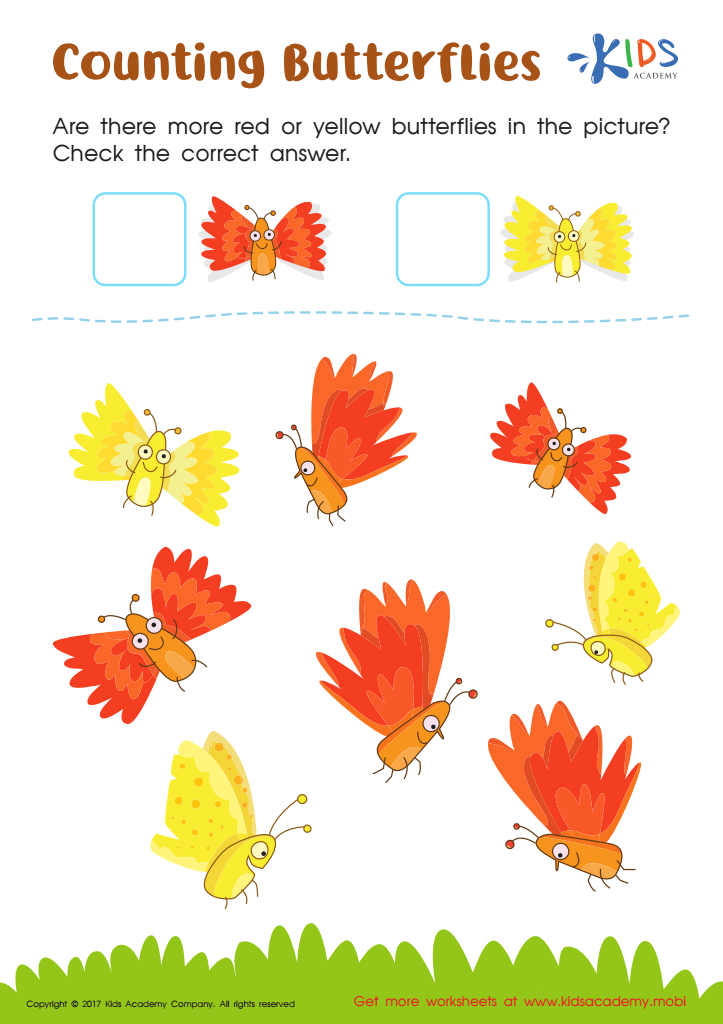
Counting Butterflies Worksheet
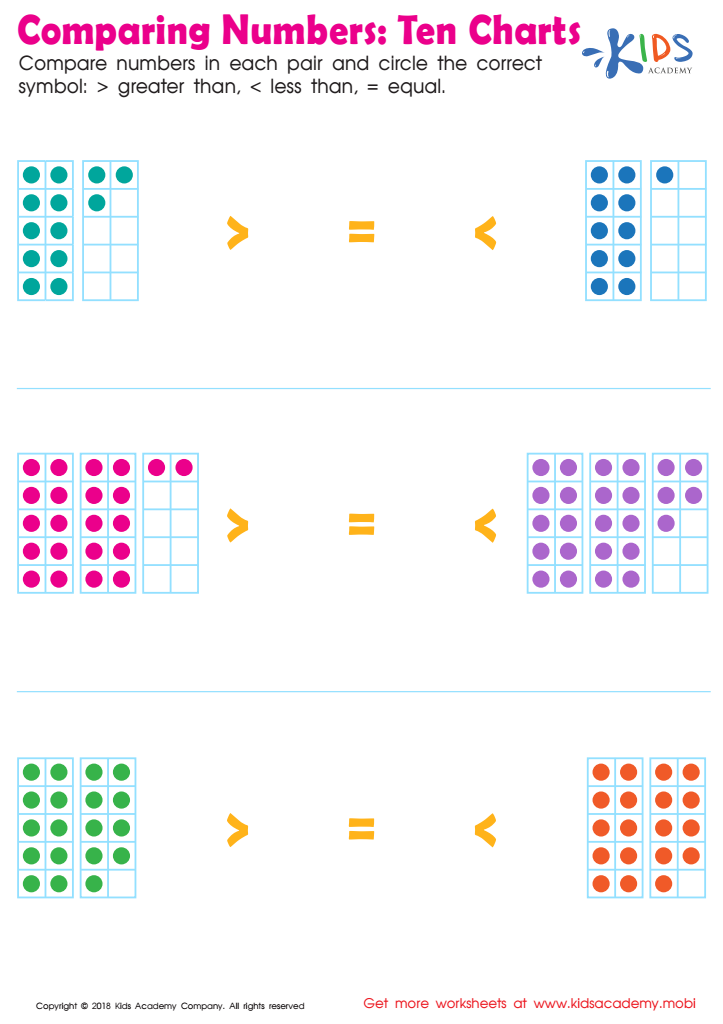
Ten Charts Worksheet








Number recognition and the ability to compare numbers are fundamental math skills crucial for 6-year-olds, laying the groundwork for future mathematical learning and everyday problem-solving. Parents and teachers should prioritize these skills for several key reasons.
First, understanding numbers and their values helps children make sense of the world around them. Basic tasks like counting objects, determining quantities, and recognizing numerical patterns become more accessible when children can identify and compare numbers.
Second, number recognition and comparison foster critical thinking and cognitive development. Engaging in activities that involve these skills encourages children to analyze, rationalize, and make decisions based on numerical data. This enhances their ability to apply logic and improves their overall problem-solving abilities.
Third, mastering these skills in early childhood education supports academic achievement. Proficiency in number concepts is directly linked to success in more advanced areas of math such as addition, subtraction, multiplication, and division. A strong foundation in these areas also aids in learning other subjects like science and technology, which increasingly rely on data interpretation and quantitative analysis.
Ultimately, teaching number recognition and comparing numbers helps children develop confidence in their numeracy skills, creating a positive and encouraging learning environment. This boosts their self-esteem and motivates them to tackle more complex challenges in various aspects of their lives.