Basic Math understanding Math Worksheets for 6-Year-Olds
3 filtered results
-
From - To
Discover fun and engaging Basic Math Understanding Worksheets for 6-Year-Olds! Perfect for young learners, these printable activities are designed to build foundational math skills such as addition, subtraction, counting, and shape recognition. With vibrant visuals and interactive tasks, our worksheets make learning math enjoyable and stress-free. Ideal for classroom use or at-home practice, they help children to develop critical thinking and problem-solving abilities. Visit our website to explore a wide range of worksheets that make math accessible and fun for your little ones! Start building strong math foundations today.
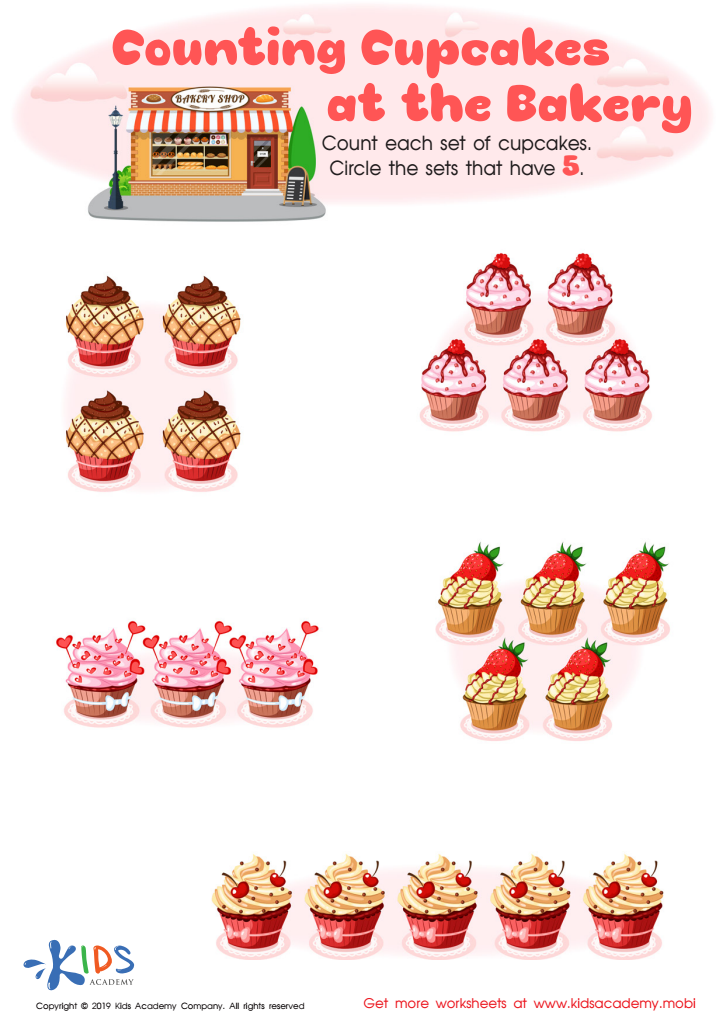
Counting Cupcakes Worksheet
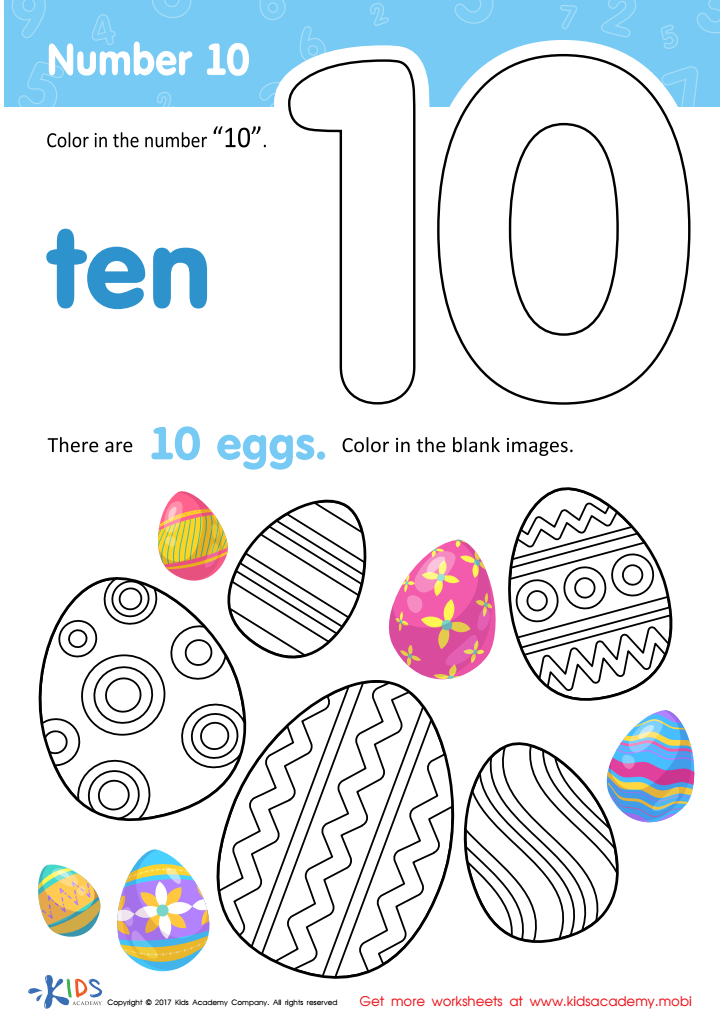
Number 10 Printable
 Assign to My Students
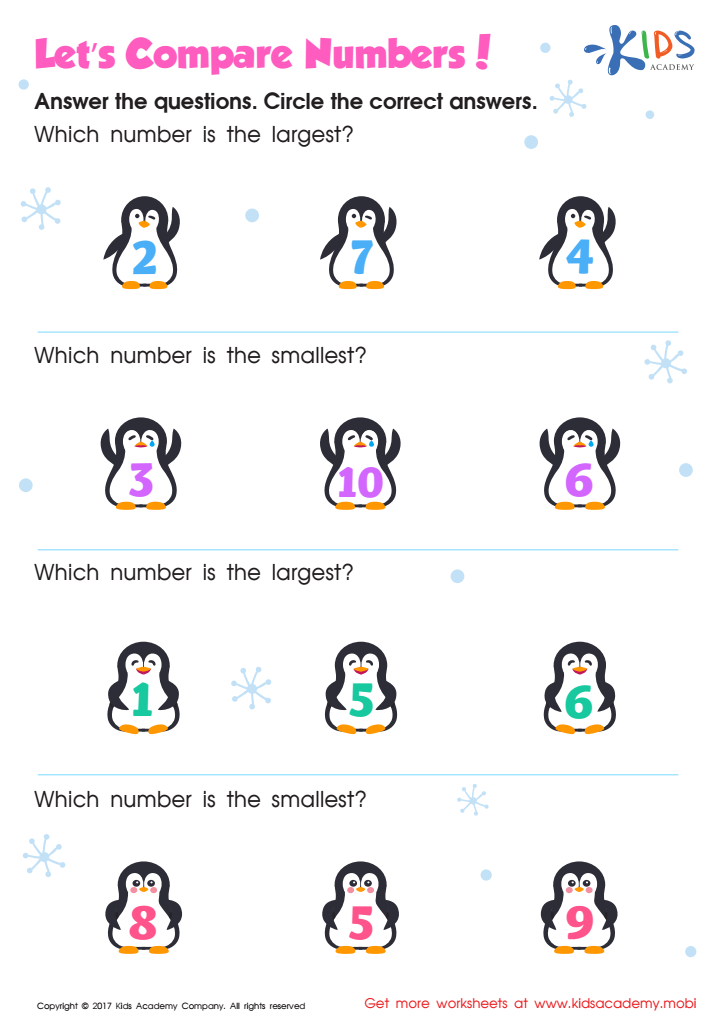
Comparing Numbers 1–10 Worksheet Kindergarten


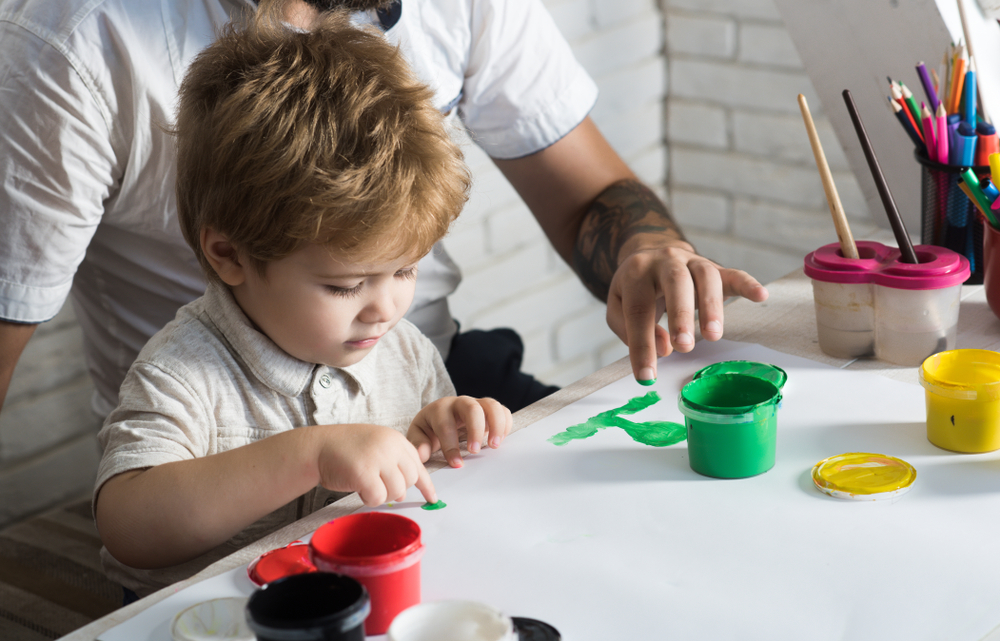




Basic math understanding for 6-year-olds is crucial because it sets the foundation for future academic success and everyday life skills. At this age, children are developing their cognitive abilities and laying down neural pathways that will aid higher-level thinking processes. Mastering basic math concepts such as counting, addition, subtraction, simple shapes, and measurements fosters a child's logical reasoning and problem-solving skills, which are essential in all subjects, including science, technology, engineering, and even art.
Moreover, early math skills are strong indicators of later academic achievement, often predicting future performance in school better than early literacy skills. Understanding basic math concepts improves a child's ability to follow multi-step directions and enhances their attention span, which benefits overall classroom learning.
Parents and teachers play a pivotal role in nurturing this early understanding by creating an engaging and supportive environment. Activities like playing number-based games, solving puzzles, and exploring patterns encourage a positive attitude toward math, alleviating math anxiety that can develop if these skills are neglected. By emphasizing basic math at a young age, adults help children develop the confidence and proficiency they need for advanced mathematical thinking, ensuring they are well-equipped to face academic challenges and real-life situations with a practical and analytical mindset.








