Enhancing problem-solving skills Math Worksheets for 6-Year-Olds
6 filtered results
-
From - To
Discover engaging math worksheets designed to enhance problem-solving skills for 6-year-olds! Our interactive and fun activities encourage critical thinking and creativity while building a strong foundation in mathematics. These worksheets cover various topics, including basic addition, subtraction, and logical reasoning, fostering a love for math in young learners. Each activity is tailored to match the developmental needs of 6-year-olds, ensuring they grasp essential concepts confidently. Perfect for classroom or home use, these worksheets make learning effective and enjoyable. Help your child develop lifelong problem-solving skills and prepare them for future academic success with our thoughtfully crafted resources!
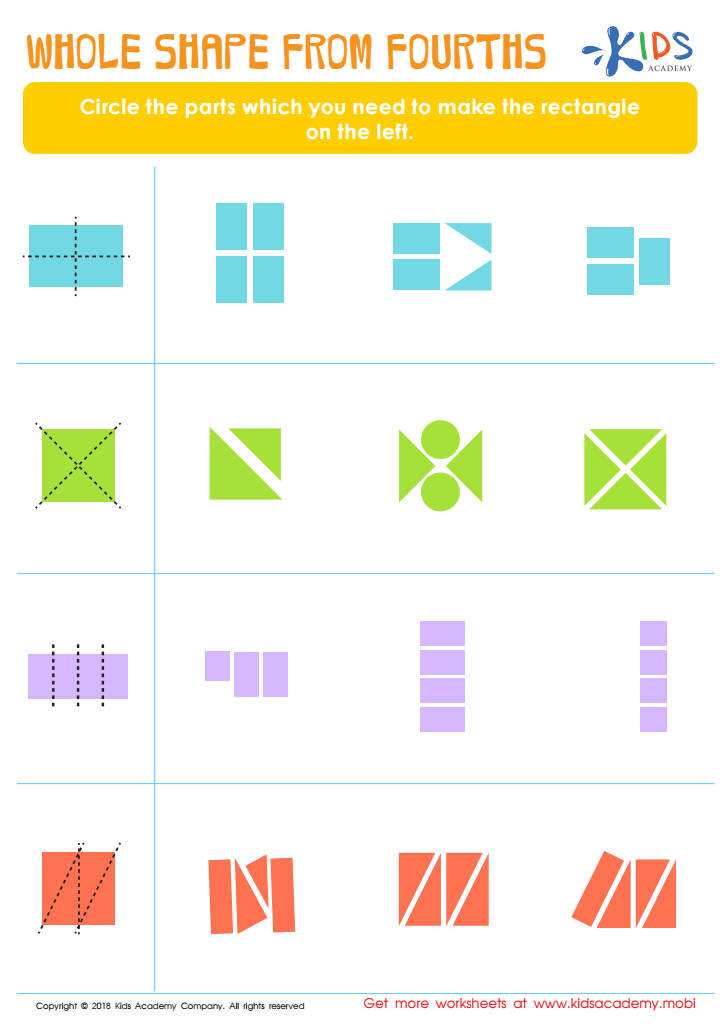
Whole Shape from Fourths Worksheet
 Assign to My Students
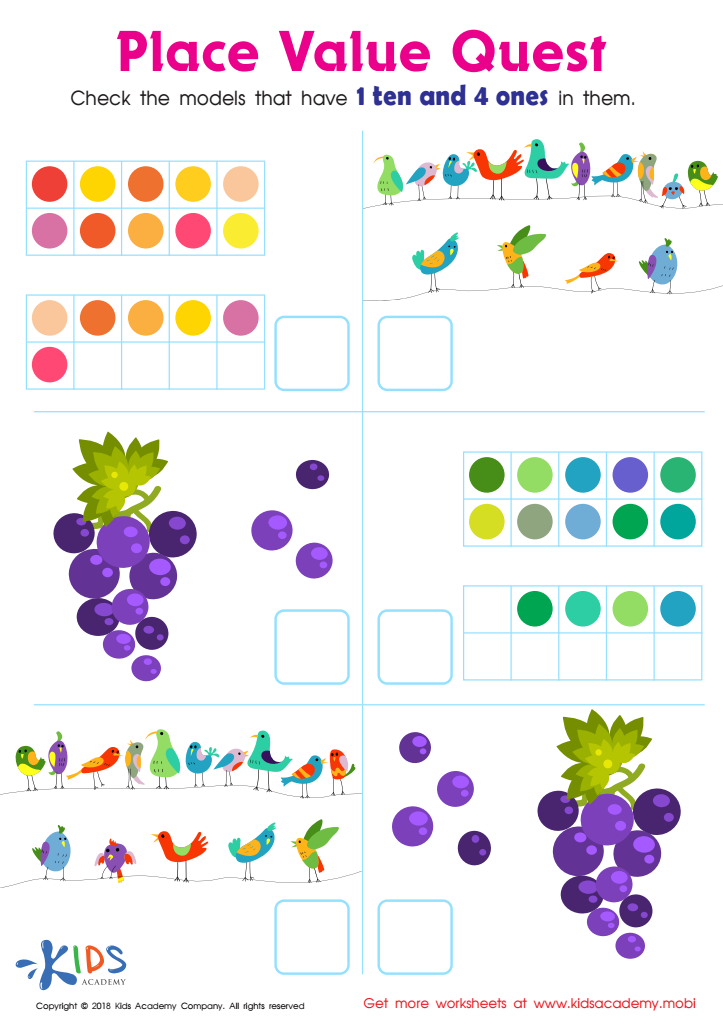
Place Value Quest Worksheet
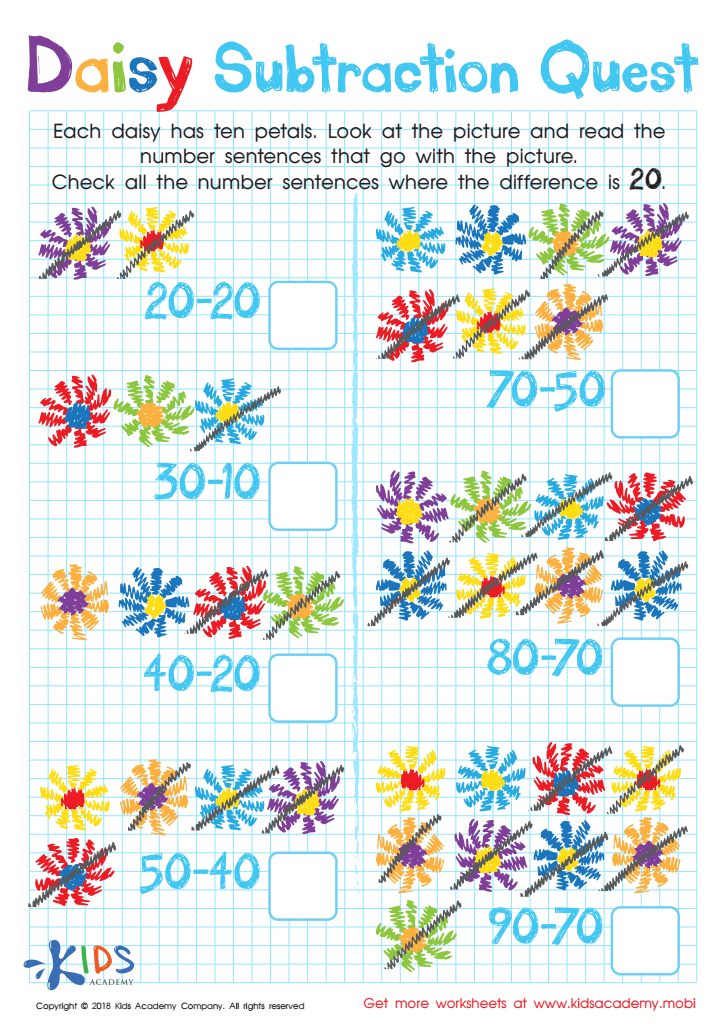
Daisy Subtraction Quest Worksheet
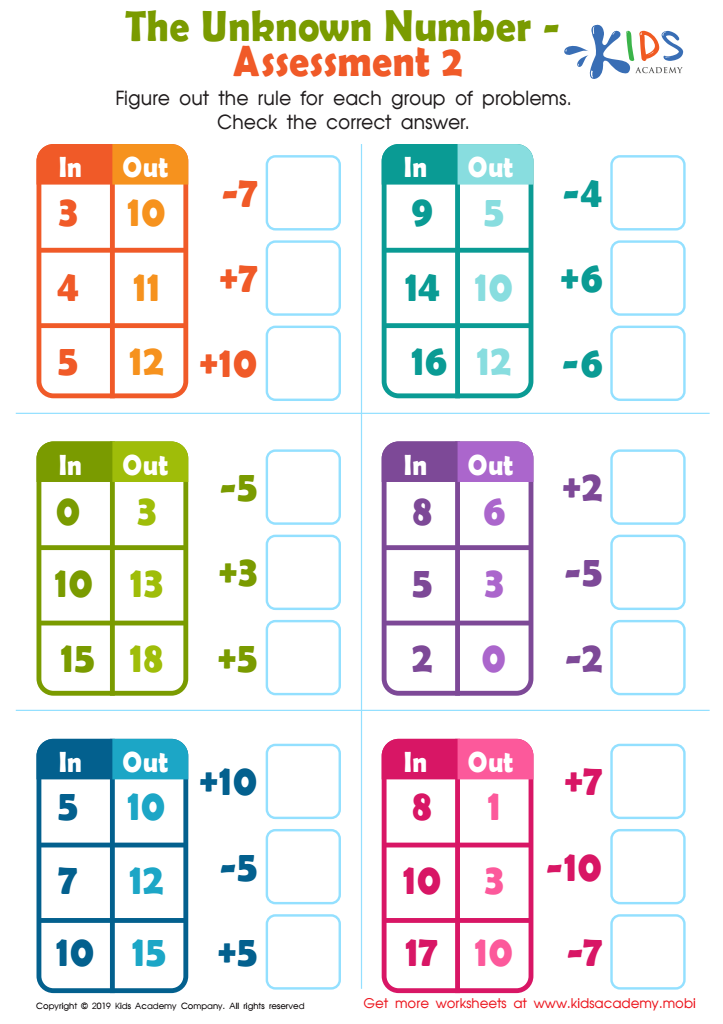
The Unknown Number - Assessment 2 Worksheet
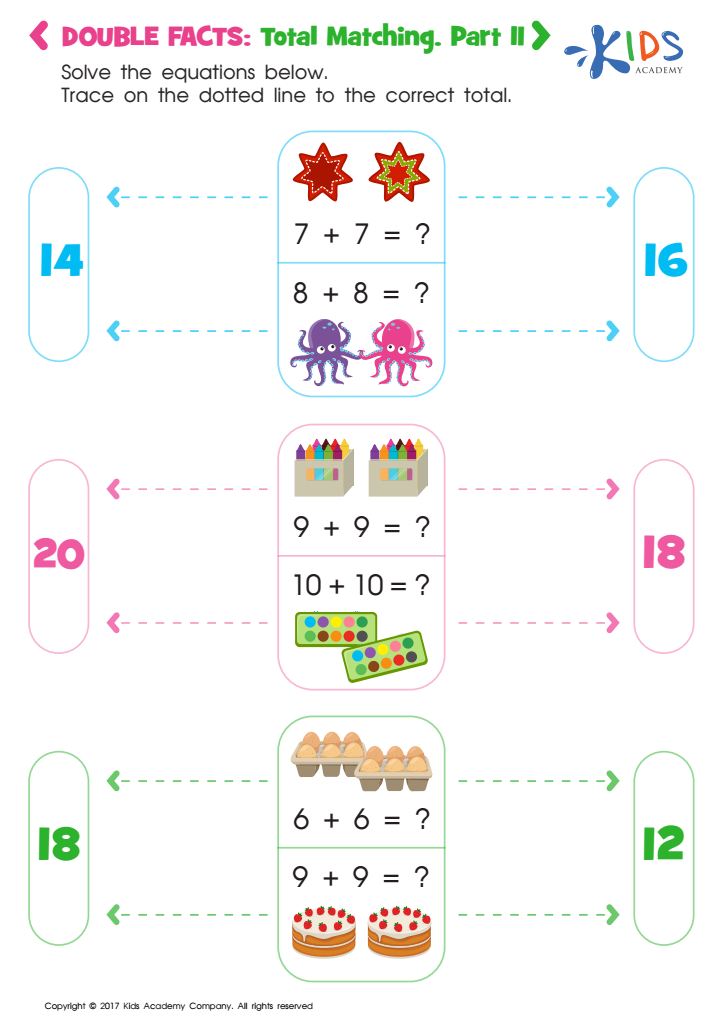
Double Facts: Total Matching 2 Worksheet
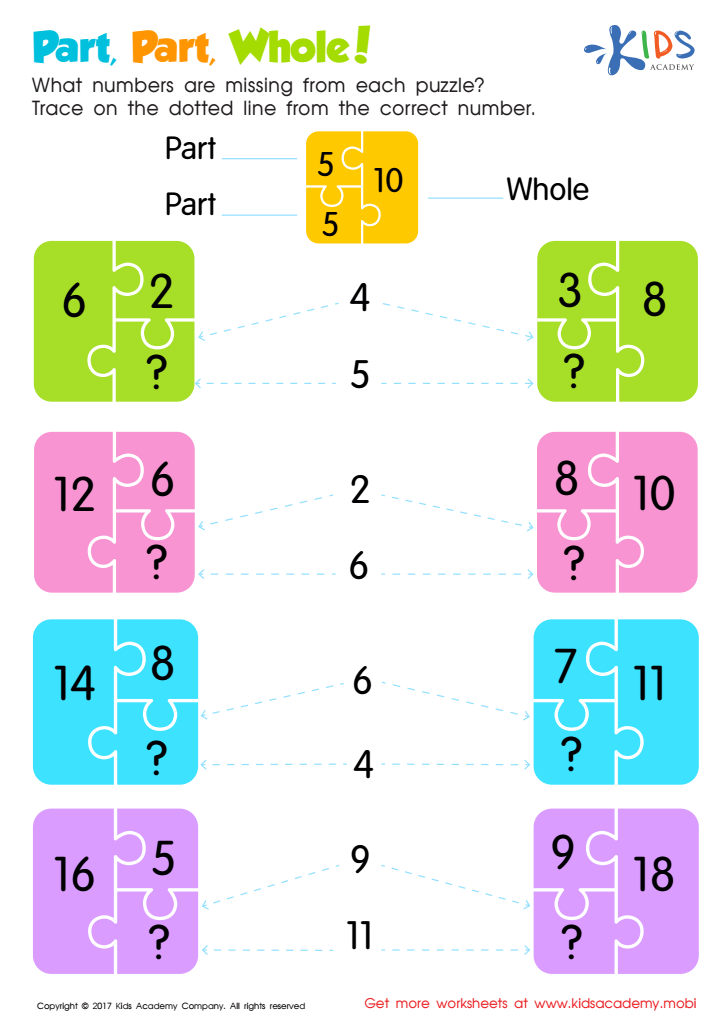
Part, Part, Whole Worksheet








Enhancing problem-solving skills in mathematics for 6-year-olds is crucial for several reasons that concern both parents and teachers. First, early development of these skills sets a strong foundation for future academic success. When children engage with math through problem-solving, they learn to think critically, analyze situations, and develop resilience in facing challenges.
Moreover, mathematics is not just about numbers; it improves logical thinking and reasoning abilities. By nurturing problem-solving skills, children learn to approach tasks systematically and discover different strategies to find solutions. This cognitive flexibility is applicable across subjects and real-life situations, fostering a growth mindset.
Furthermore, early math skills are linked to increased confidence. When children find solutions to problems, they gain assurance in their abilities, motivating them to tackle more complex challenges in the future. This positive reinforcement helps foster a love for learning, encouraging lifelong curiosity and engagement.
Involving parents and teachers in this process encourages a community approach to education. When home and school work together to enhance problem-solving abilities, children feel supported and valued, which is key in their emotional and intellectual growth. In summary, prioritizing early math problem-solving is essential for developing critical life skills that benefit children well beyond the classroom.








