
Fine motor skills (drawing lines) Math Worksheets for 6-Year-Olds
4 filtered results
Difficulty Level
Grade
Age
-
From - To
Subject
Activity
Standards
Our "Fine Motor Skills (Drawing Lines) Math Worksheets for 6-Year-Olds" seamlessly integrate motor development with early math learning. Designed by experts, these engaging worksheets help children refine their pencil control, hand-eye coordination, and dexterity. Through fun and interactive tasks such as tracing lines and creating shapes, kids not only enhance their fine motor skills but also build a strong foundation in math concepts. Ideal for both classroom use and at-home practice, these printables support a balanced approach to early childhood education, making learning both effective and enjoyable for young learners.
Favorites
With answer key
Interactive
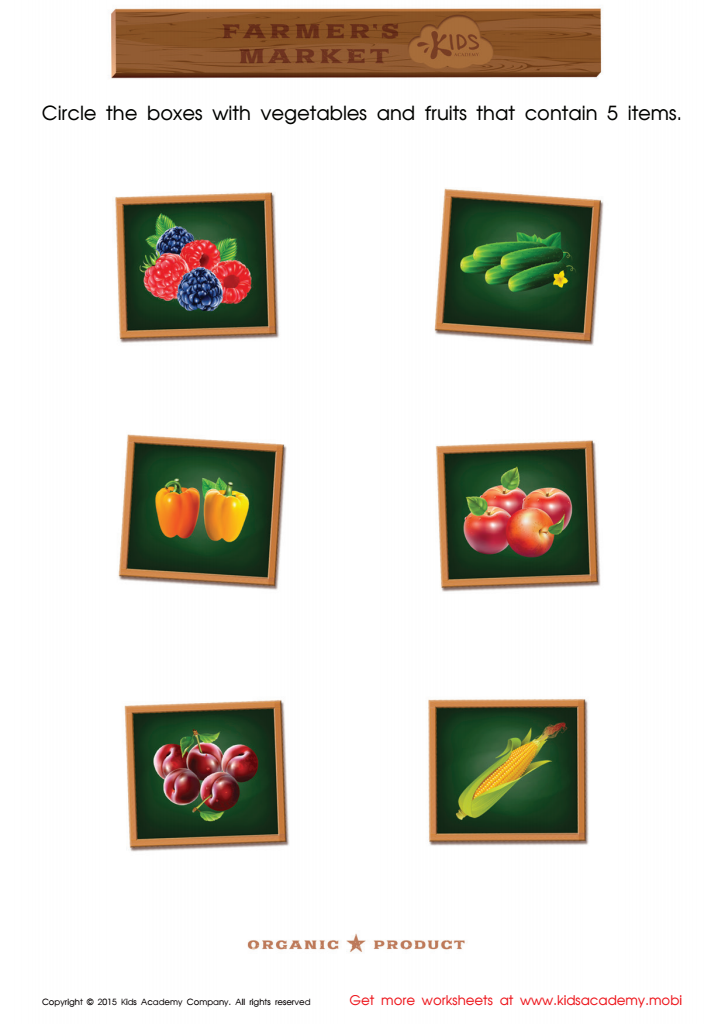
Count and Match Vegetables 1 – 7 Math Worksheet
Print this bright math worksheet from Kids Academy and give your child a fun way to enhance their counting skills. Based on Singapore Math, the colourful pictures make it easy for children to comprehend math. Get additional free worksheets here!
 Assign to My Students
Count and Match Vegetables 1 – 7 Math Worksheet
Worksheet
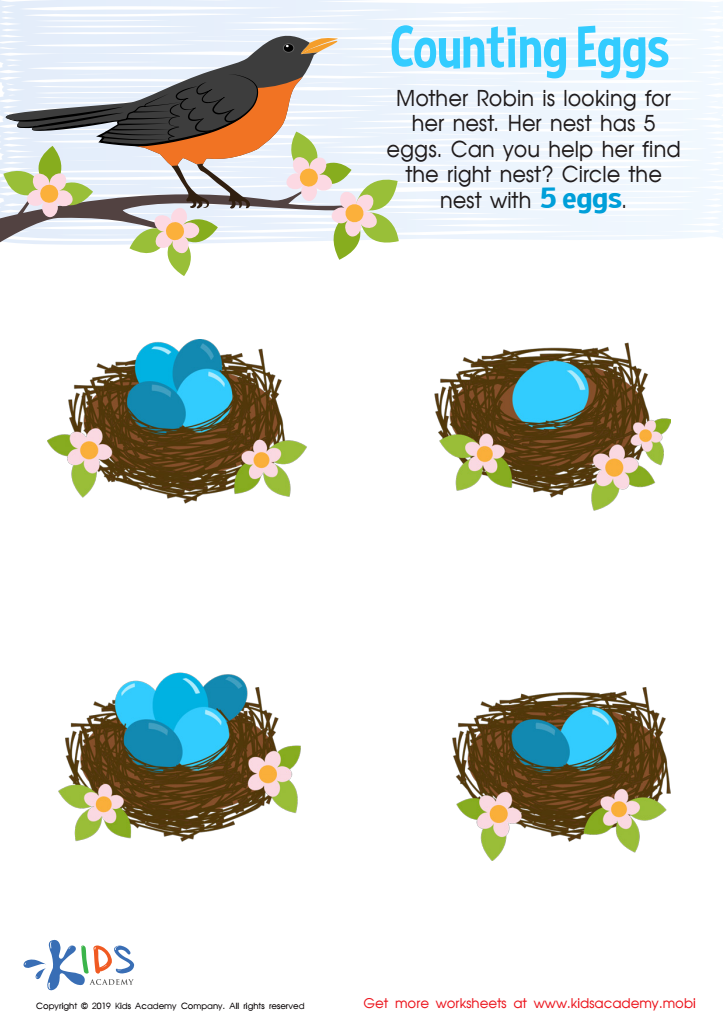
Counting Eggs Worksheet
Help the Mother bird find her nest! Show your kids this printout, have them point at the bird and the nests. Ask them to count the eggs in each nest carefully. Finally, help her by circling the one with 5 eggs.
Counting Eggs Worksheet
Worksheet
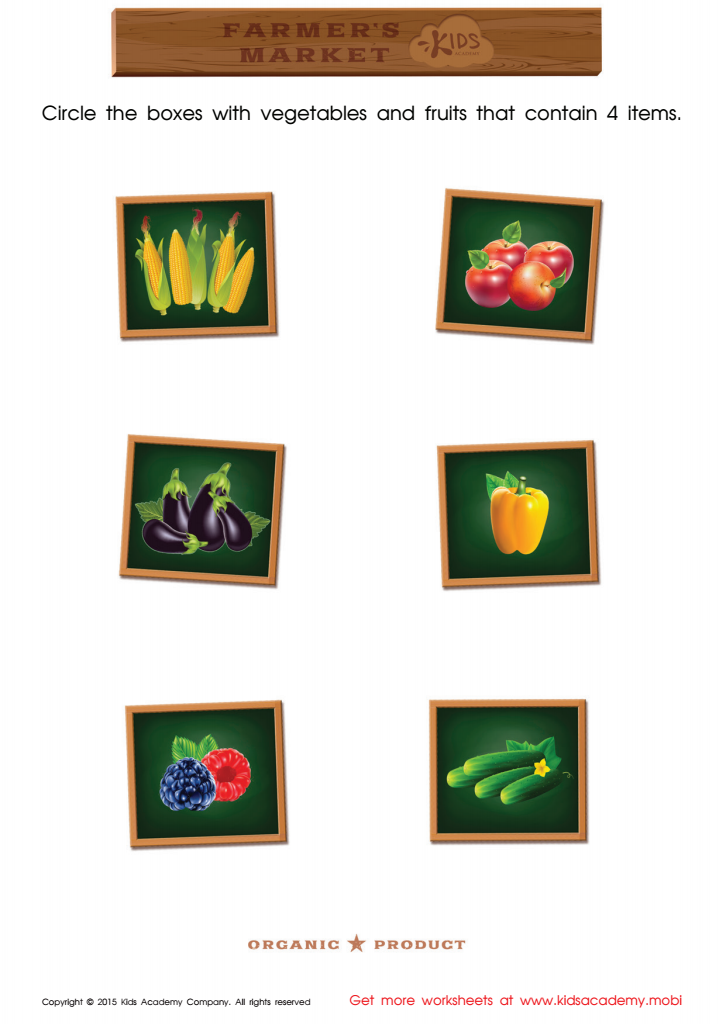
Count and Match Vegetables 2 – 8 Math Worksheet
Download this fun, colorful math worksheet from Kids Academy and help your kid improve their counting skills. Match the boxes to the same number of vegetables, using the pictures to visualize the problem. Get more free printables from Kids Academy by topic.
Count and Match Vegetables 2 – 8 Math Worksheet
Worksheet
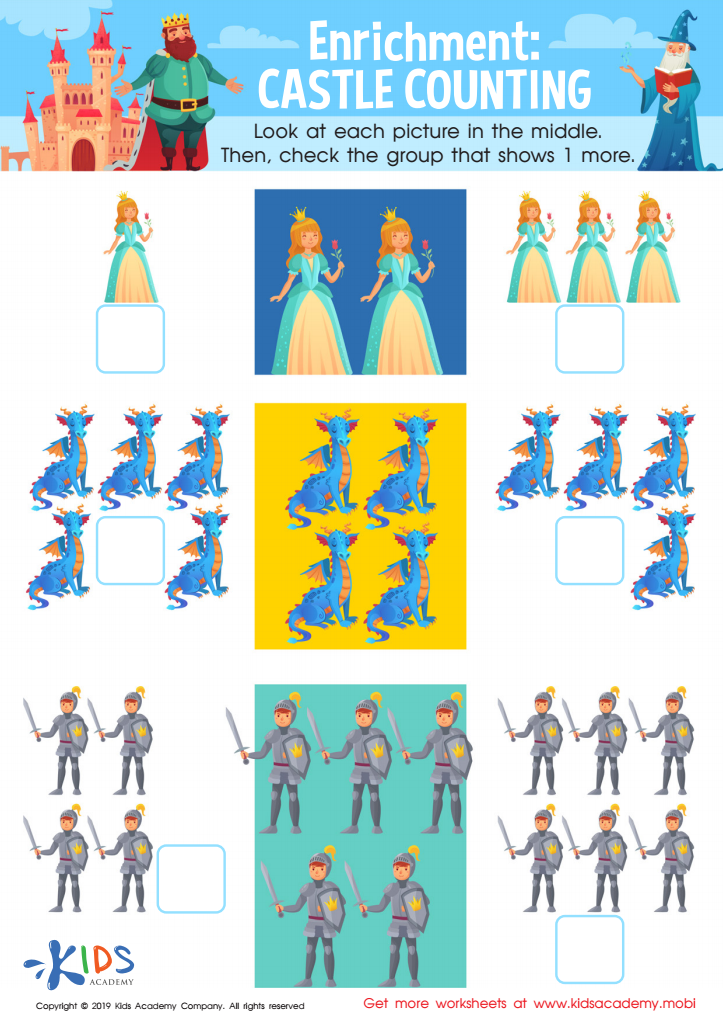
Enrichment: Castle Counting Worksheet
Help your kids learn to count. Start with easy counting of numbers as high as possible. Use the pictures in this printout. Point to the middle one, help them identify it and then count one more than it. Do this to help them get ready for more difficult math concepts like addition, subtraction and multiplication.
Enrichment: Castle Counting Worksheet
Worksheet
Join Kids Academy for Free
Who is primarily going to use this learning content?








Fine motor skills are critical for 6-year-olds because they form the foundation for essential academic and daily activities. When students learn to draw lines and shapes, they're not just preparing for art class but honing their ability to control small muscle movements. These skills are vital for tasks like writing, cutting with scissors, and even tying shoelaces. In terms of math, the ability to draw lines accurately enhances a child's understanding of geometric concepts, which are fundamental skills for solving more complex problems later on.
For teachers and parents, fostering fine motor skills helps in improving a child’s precision and coordination. This development directly influences their ability to write legibly and read comfortably, both of which are essential for academic success. Moreover, activities that improve fine motor skills, such as drawing and playing with building blocks, keep children engaged and promote patience and concentration.
Beyond the classroom, these skills are part of a child's daily life—helping with dressing, feeding, and other self-care tasks. Therefore, prioritizing fine motor skills not just aids in academic proficiency but also contributes to a child’s independence and confidence. By supporting children in mastering these skills early, adults can empower them to navigate their world more effectively and confidently.








