Logical thinking development Math Worksheets for 6-Year-Olds
6 filtered results
-
From - To
Boost your child's cognitive skills with our "Logical Thinking Development Math Worksheets for 6-Year-Olds". Designed to make learning fun and engaging, these worksheets focus on enhancing problem-solving abilities through simple mathematical puzzles, pattern recognition, and logical sequences. Perfectly tailored for young minds, our printable activities aim to strengthen analytical thinking and give kids a head start in math. Suitable for classroom and home use, these worksheets provide fresh and innovative exercises to keep your 6-year-old challenged and motivated. Prepare your child for academic success with Kids Academy’s well-crafted learning materials.
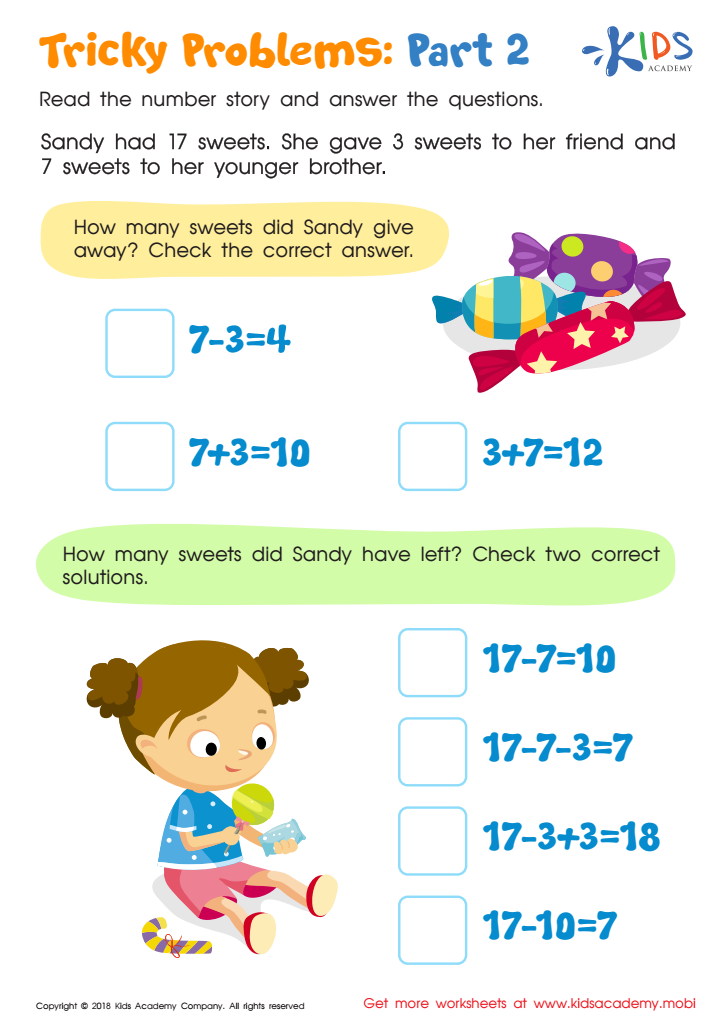
Tricky Problems Worksheet: Part 2
 Assign to My Students
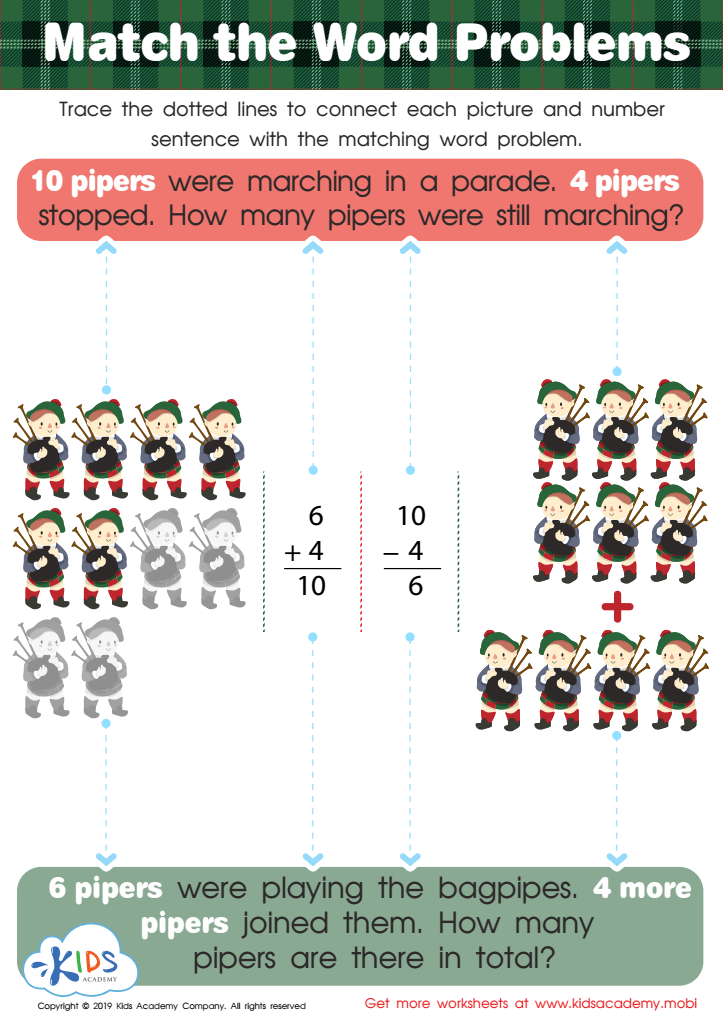
Match the Word Problems Worksheet
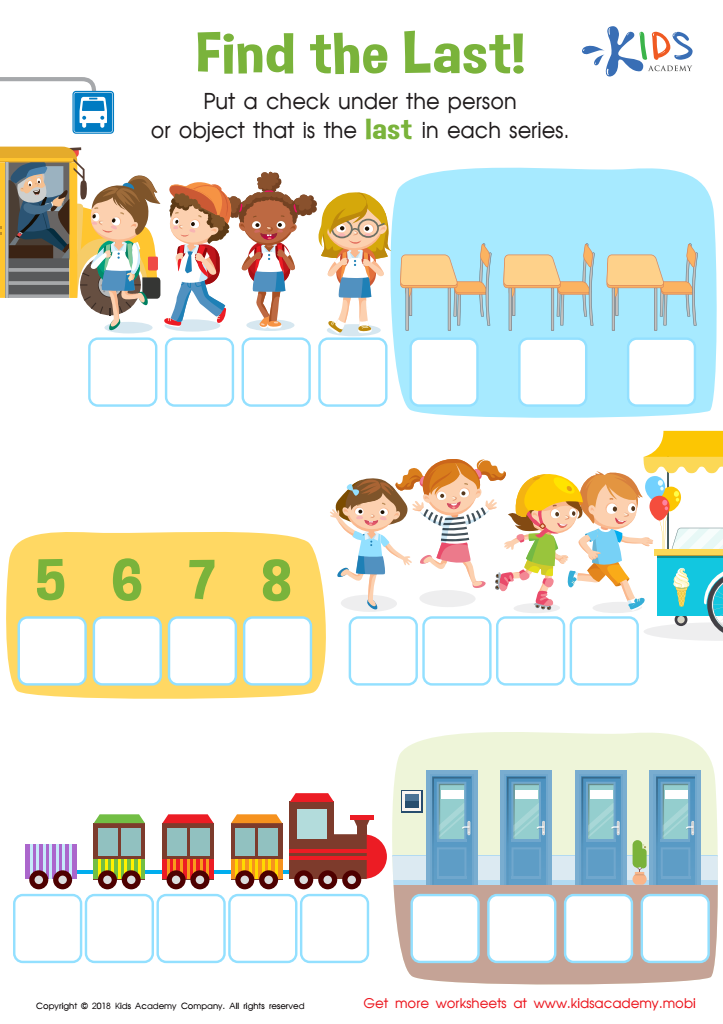
Find the Last! Worksheet
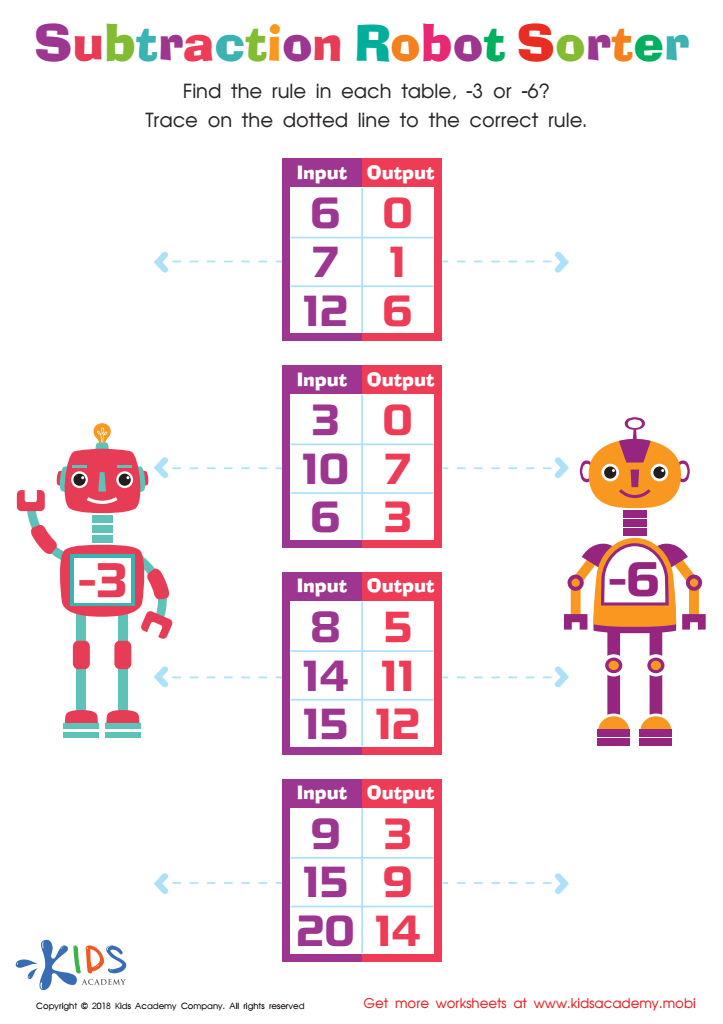
Subtraction Robot Sorter Worksheet
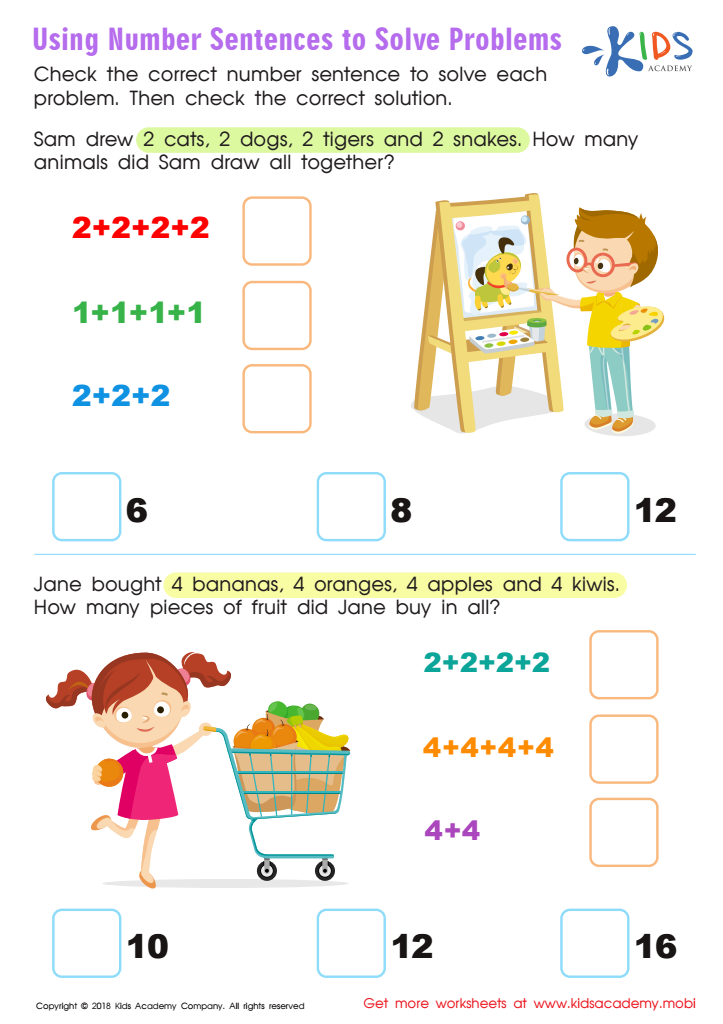
Using Number Sentences to Solve Problems Worksheet
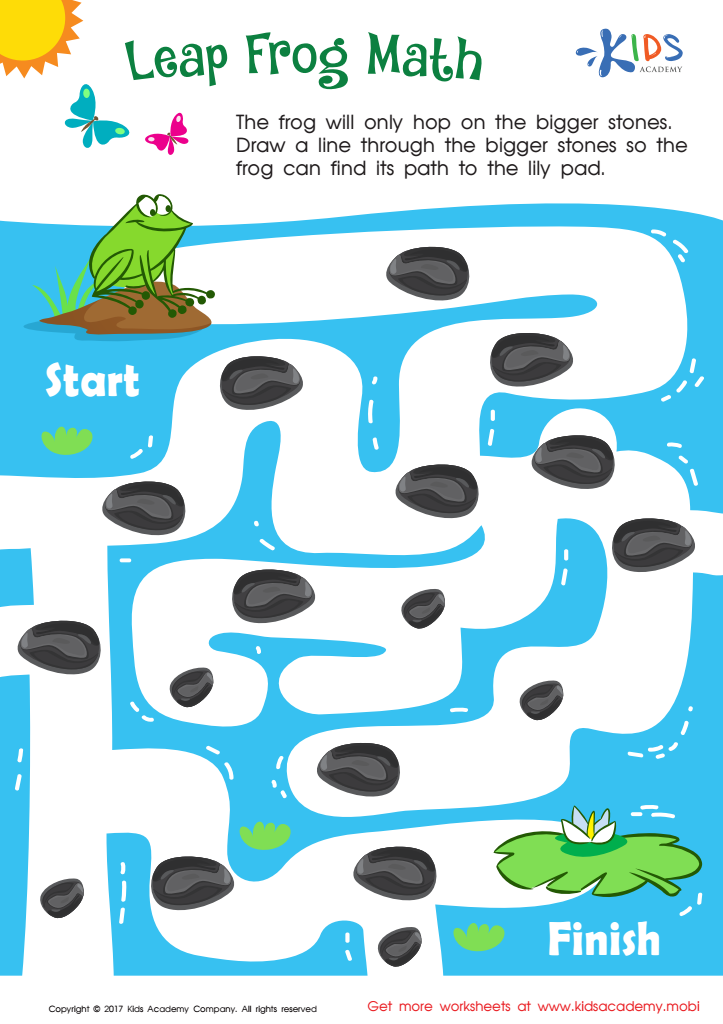
Math Puzzle Worksheet








Logical thinking development in math is crucial for 6-year-olds as it lays the foundation for their cognitive growth and problem-solving skills. At this tender age, children’s brains are highly adaptable, and fostering logical reasoning can have long-term benefits. For parents and teachers, focusing on this aspect supports the development of critical lifelong skills, including analytical thinking, decision-making, and the ability to solve problems systematically.
Engaging children in math activities that promote logical thinking enhances their ability to understand patterns, sequences, and relationships between numbers. This early math education cultivates a love for learning and boosts their confidence, as they see the tangible results of their efforts. Furthermore, math skills are integral across various subjects; a strong mathematical foundation assists in science, technology, engineering, and even arts and humanities by fostering a structured approach to learning and understanding concepts.
Moreover, developing logical thinking in math creates pathways for better academic performance and can ease the transition into more complex math topics in later grades. For 6-year-olds, this not only prepares them for future educational success but also instills a sense of curiosity and resilience. Ultimately, by investing in their logical thinking skills, parents and teachers equip children with tools for both academic attainment and everyday problem-solving.








