Number identification Math Worksheets for 6-Year-Olds
7 filtered results
-
From - To
Explore our engaging Number Identification Math Worksheets designed specifically for 6-year-olds! These worksheets are perfect for preschool and kindergarten learners, helping them recognize and understand numbers in a fun, accessible way. Our activities include tracing, matching, and identifying numbers, ensuring your child builds a strong foundation in early math skills. With colorful illustrations and varied exercises, your young pupil will be excited to practice their number recognition. Foster a love for learning while enhancing their confidence in math. Perfect for home or classroom use, our worksheets are an invaluable resource to support your child's educational journey in math. Start downloading today!
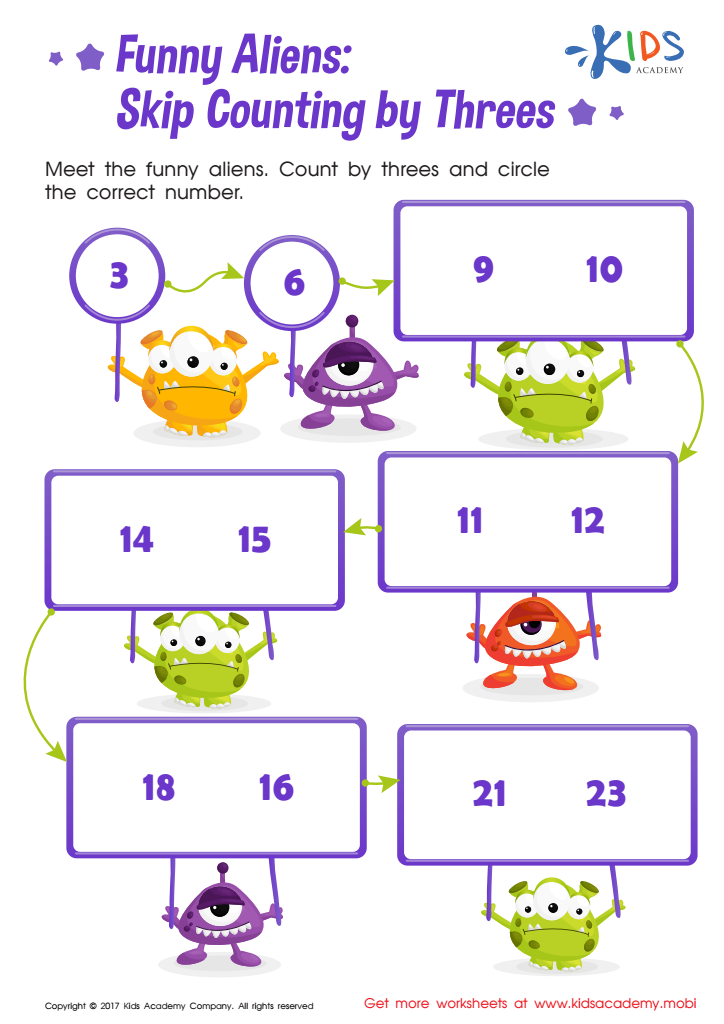
Skip Counting by 3s: Funny Aliens Printable
 Assign to My Students
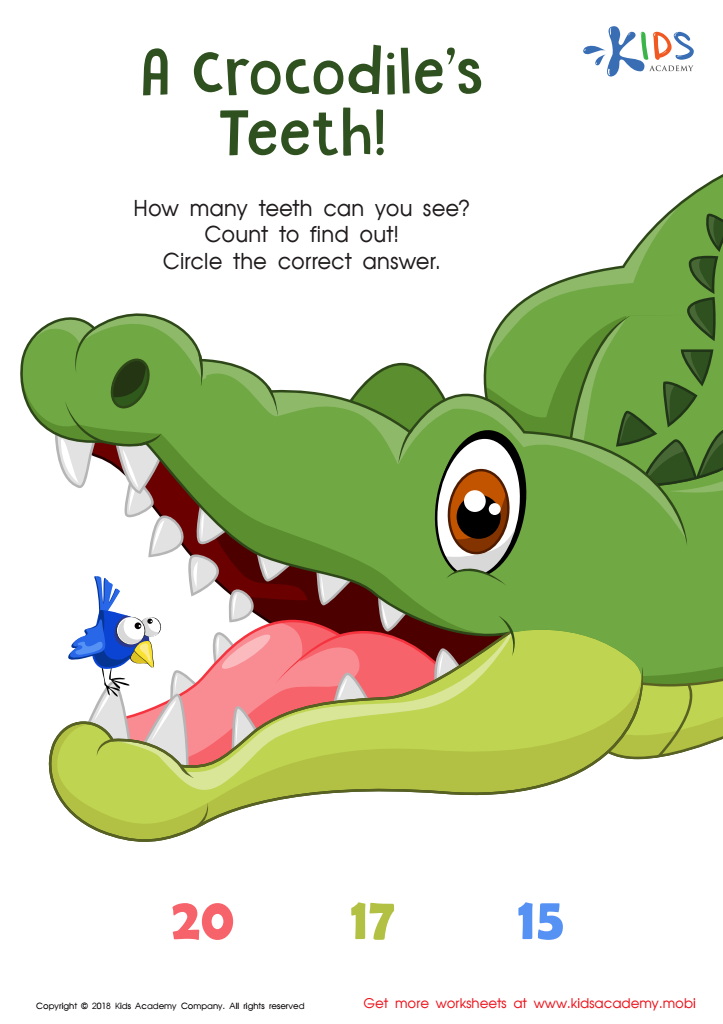
A Crocodile's Teeth Worksheet
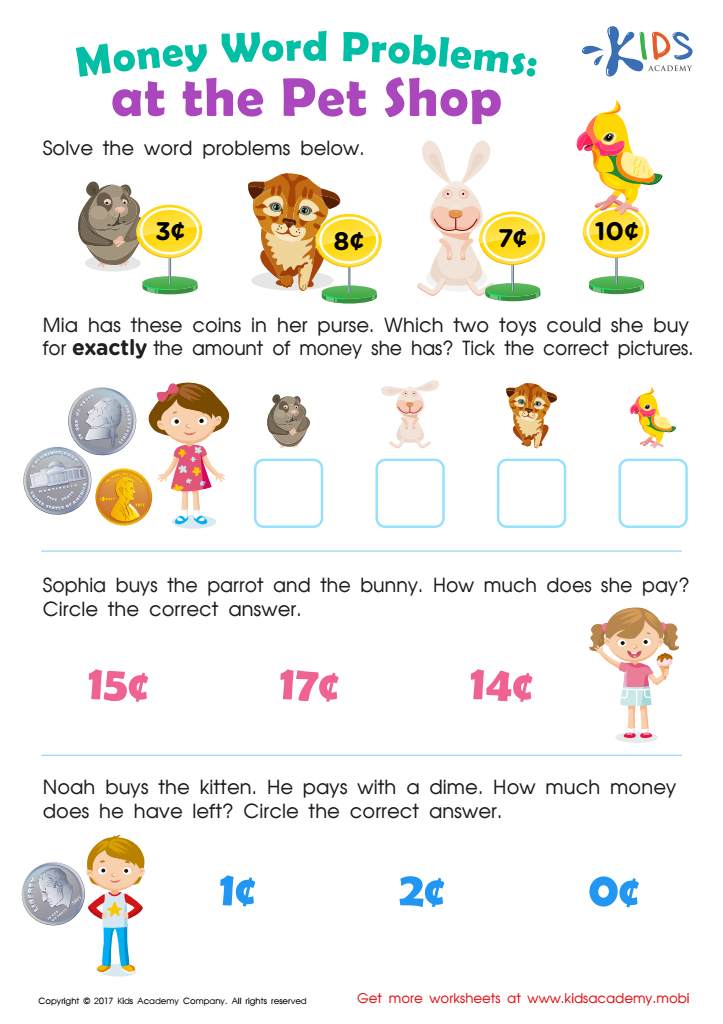
Pet Shop Worksheet
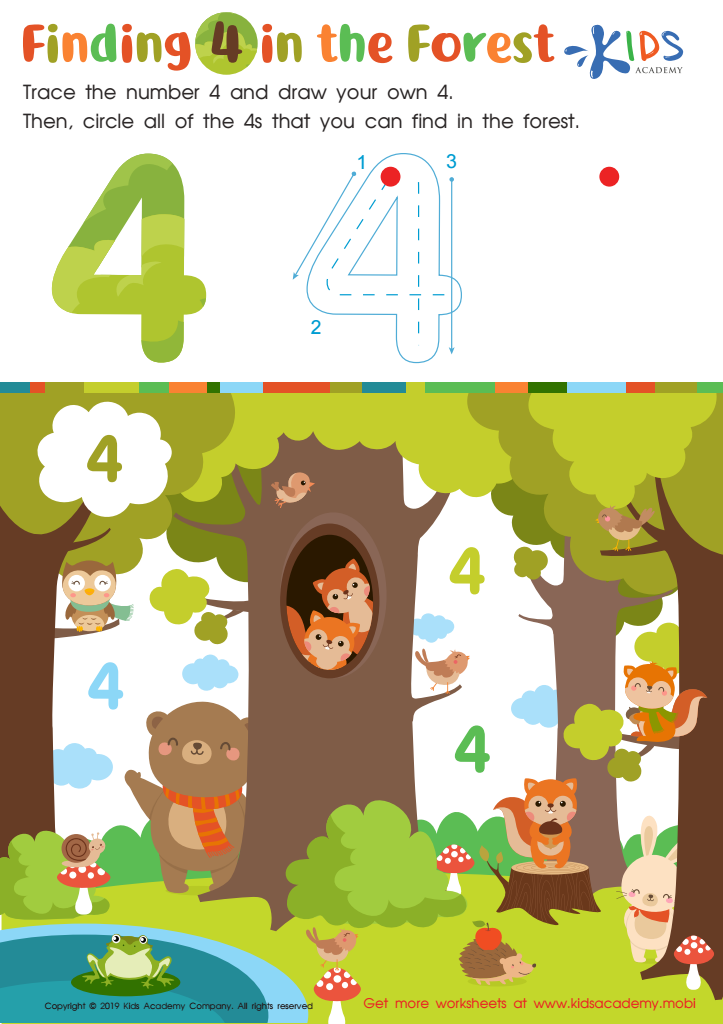
Finding 4 in the Forest Worksheet
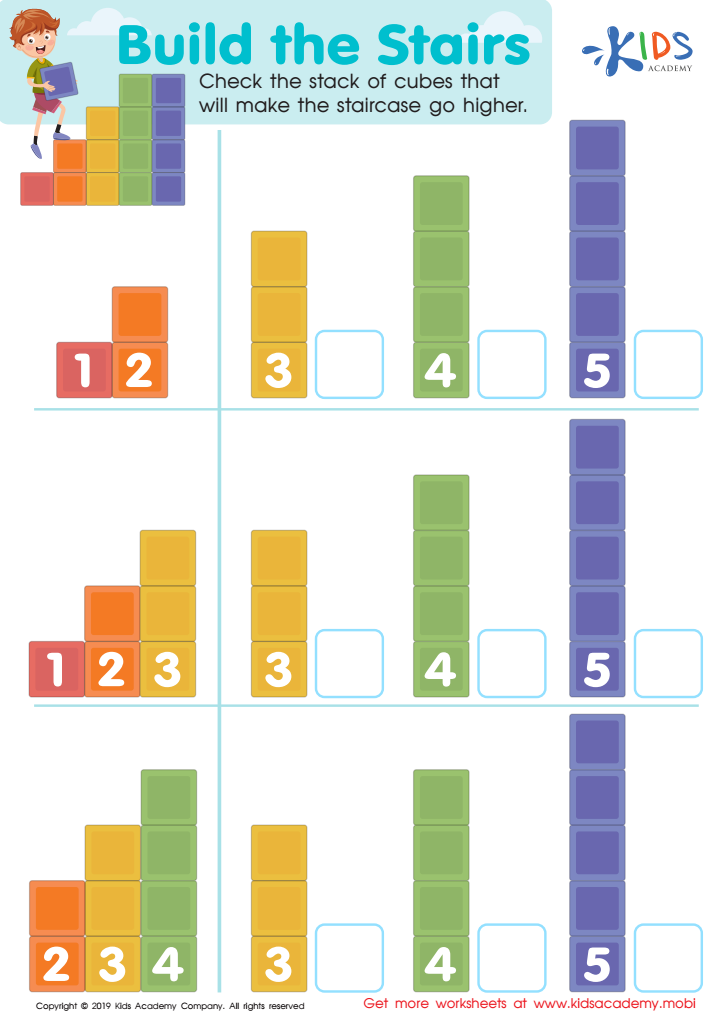
Build the Stairs Worksheet
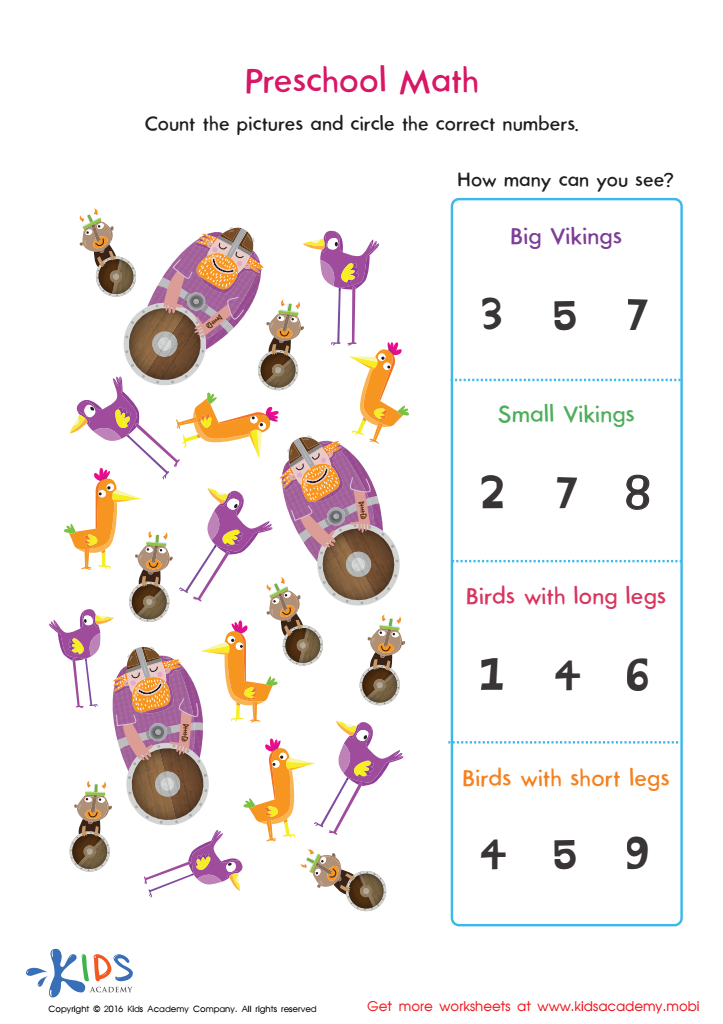
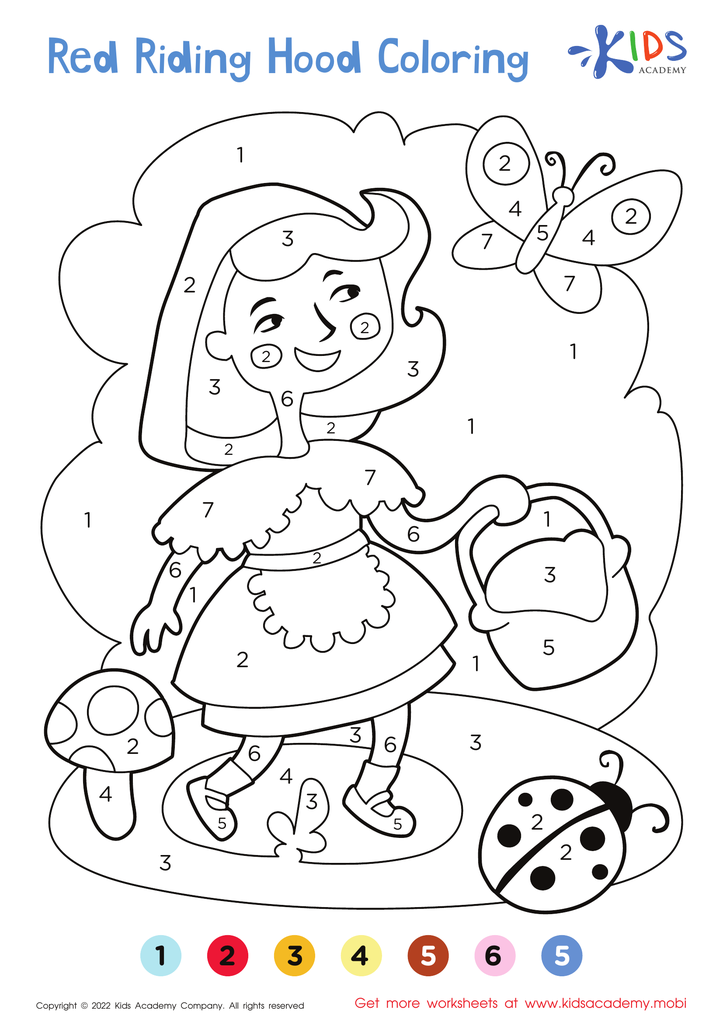
Little Red Riding Hood – Coloring by Numbers







Number identification is a foundational skill in early mathematics that significantly influences a child's future academic success. For 6-year-olds, this ability serves as a crucial building block for more complex concepts in arithmetic and problem-solving. When children can confidently recognize and differentiate numbers, they develop a sense of number sense, which includes understanding quantity and the relationships between numbers.
Parents and teachers should actively promote number identification as it enhances critical cognitive skills. Young learners who can identify numbers are better equipped to participate in everyday activities, such as telling time, understanding money, and assigning quantities during play. Moreover, strong number identification lays a groundwork for vital skills like counting, addition, and subtraction.
Additionally, number identification fosters confidence in young learners. When children achieve competency in recognizing numbers, it builds their self-esteem and motivates them to tackle more complex math concepts. This early success can instill a positive attitude toward math, reducing anxiety and aversion in later years.
Overall, emphasizing number identification supports holistic development, equipping children with the skills necessary for future educational endeavors and real-life applications. By nurturing these foundational skills, parents and teachers play an essential role in ensuring a child's success in mathematics.








