Number Sequencing Math Worksheets for 6-Year-Olds - Page 2
27 filtered results
-
From - To
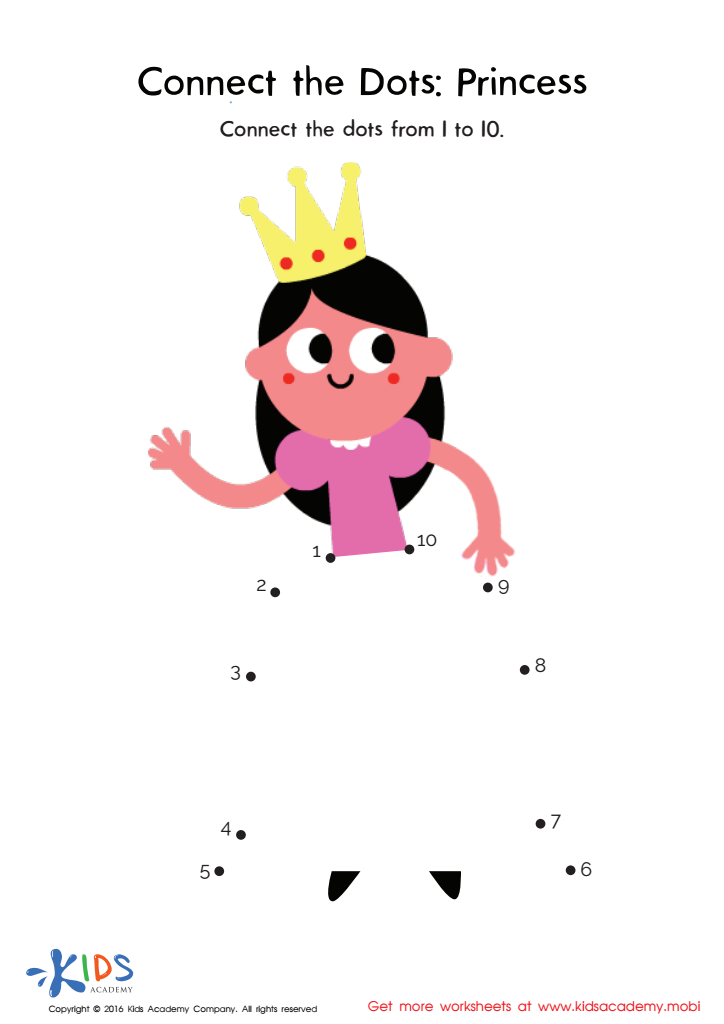
Princess Connect Dots Worksheet
 Assign to My Students
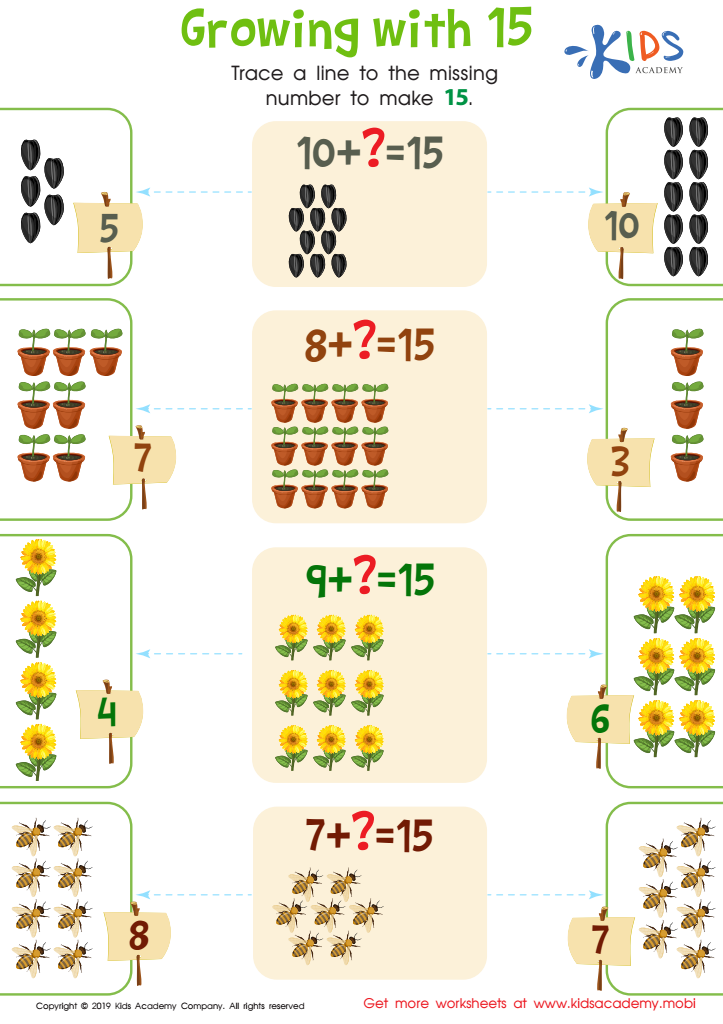
Growing with 15 Worksheet
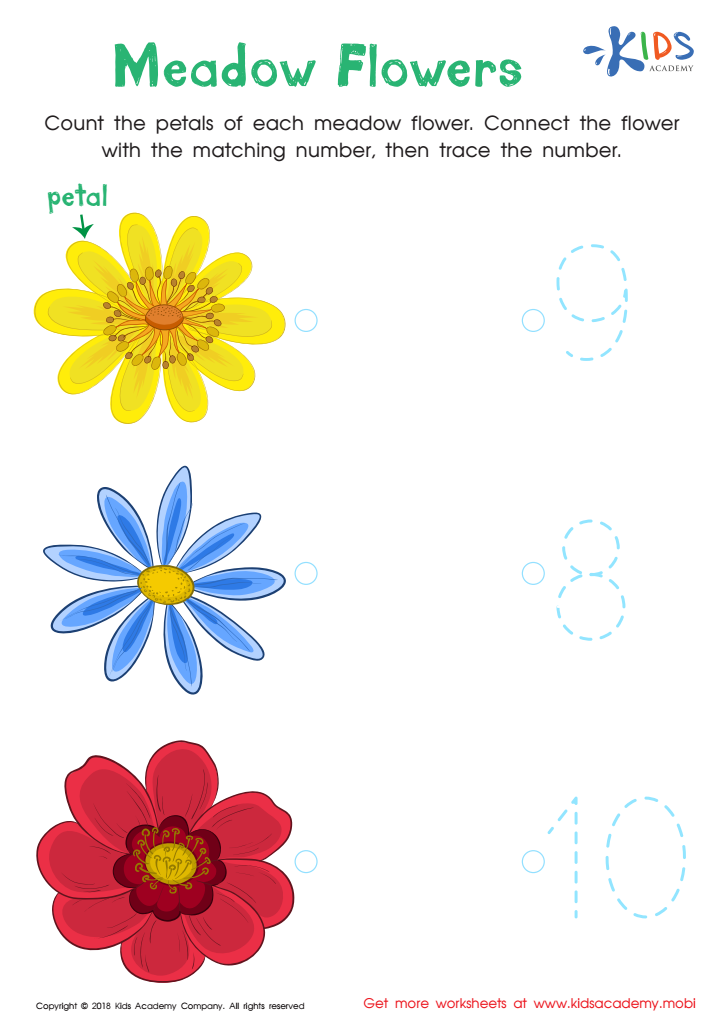
Kindergarten Number Tracing: Medow Flowers Worksheet




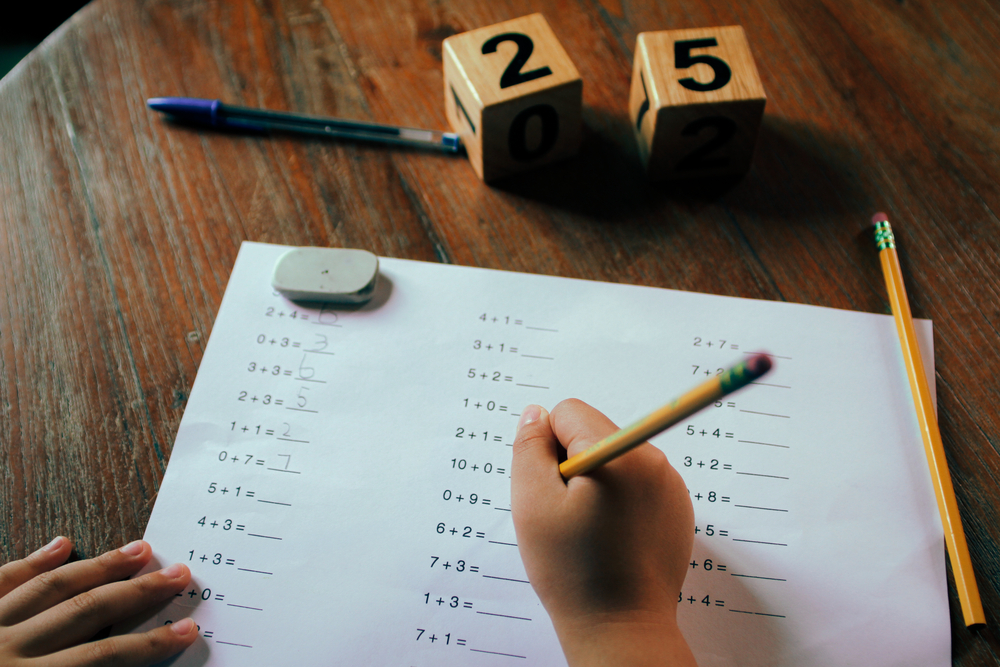



Number sequencing is a foundational math skill crucial for 6-year-olds as it underpins many mathematical concepts and real-life applications. As children learn to recognize and arrange numbers in a sequence, they develop essential cognitive skills, including critical thinking, problem-solving, and logical reasoning. Understanding the order of numbers allows children to grasp more complex mathematical concepts, such as addition, subtraction, and place value, which they will encounter in later grades.
Moreover, number sequencing enhances a child's ability to identify patterns, an important skill that transcends math and is applicable in various disciplines, including science and language arts. When children can recognize patterns, they become more adept at making predictions and understanding relationships, which are key components of a well-rounded education.
Additionally, engaging in number sequencing activities can boost a child's confidence in math, making them more enthusiastic learners. When parents and teachers prioritize number sequencing, they equip children with the tools they need for future academic success, fostering a positive attitude toward mathematics that will last throughout their education. By starting young, we lay the groundwork for lifelong learning and a love for problem-solving, setting students up for achievement in both academic and everyday pursuits.








