Sequencing Skills Math Worksheets for 6-Year-Olds
6 filtered results
-
From - To
Our "Sequencing Skills Math Worksheets for 6-Year-Olds" are designed to enhance your child's logical thinking and problem-solving abilities. At Kids Academy, we provide engaging and interactive worksheets that help young learners grasp the concept of sequences by arranging numbers, events, and objects in logical order. These colorful and fun activities foster critical thinking, improve counting skills, and build a strong foundation for future mathematical learning. Perfect for in-class use or at-home practice, our sequencing worksheets are an ideal resource to support your child's early education journey. Download now and watch your child thrive!
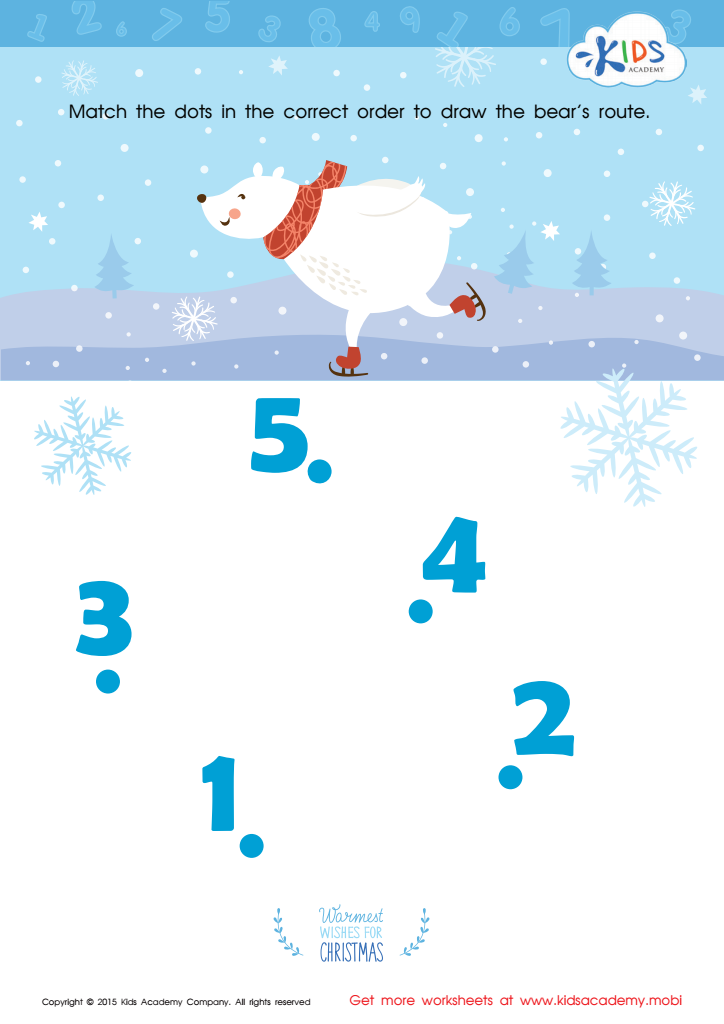
Drawing the Bear's Route by Number Worksheet
 Assign to My Students
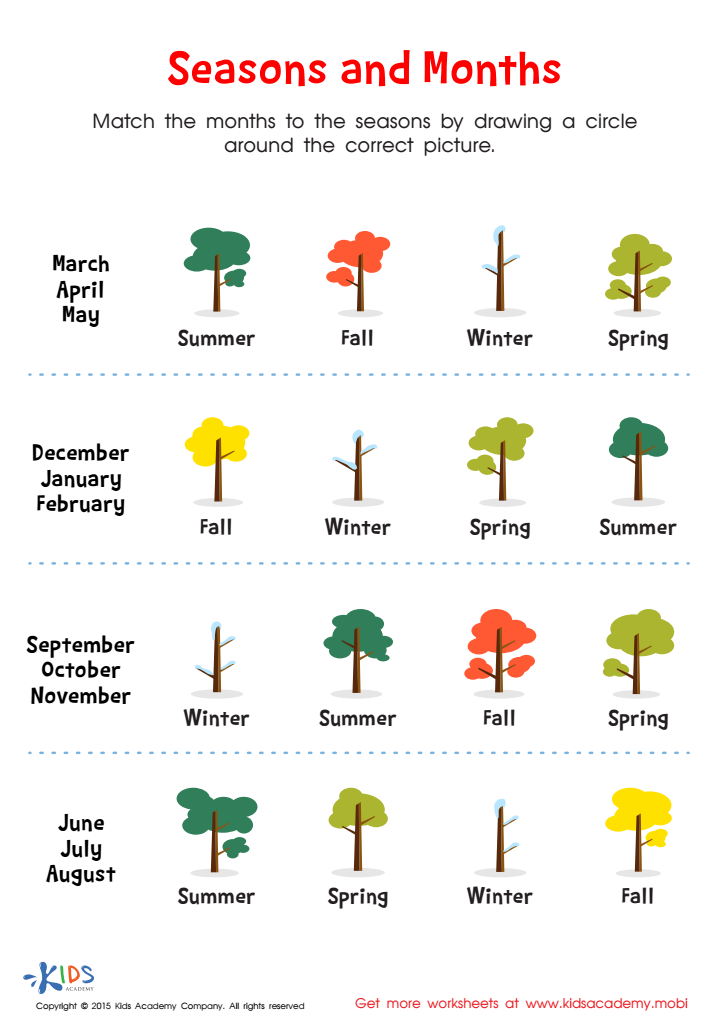
Seasons and Months Worksheet
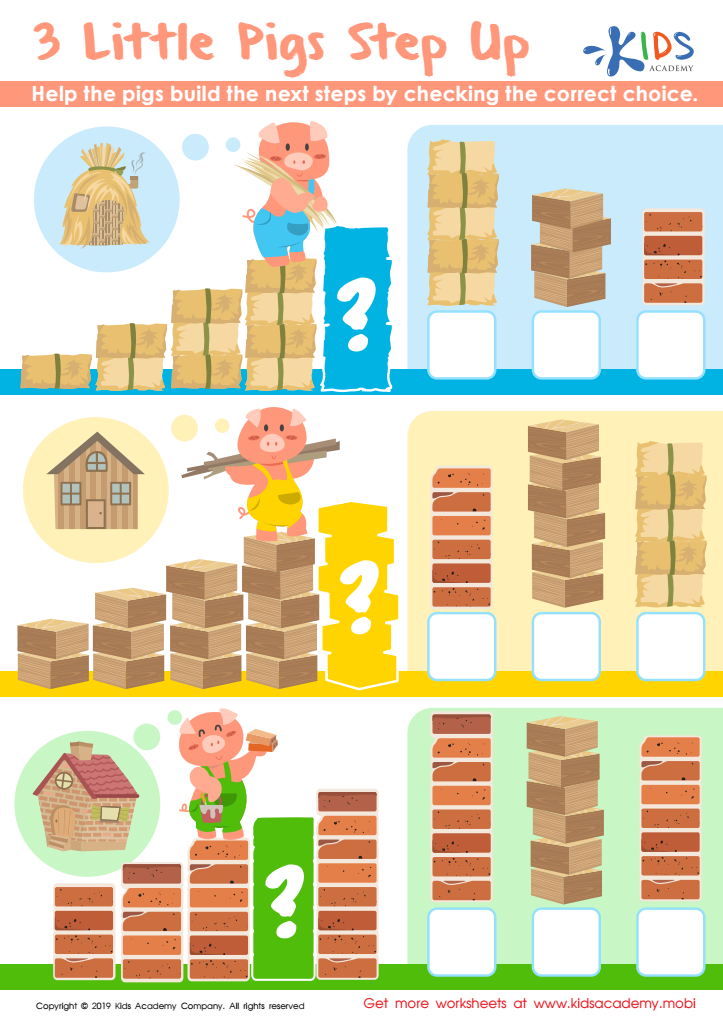
3 Little Pigs Step Up Worksheet
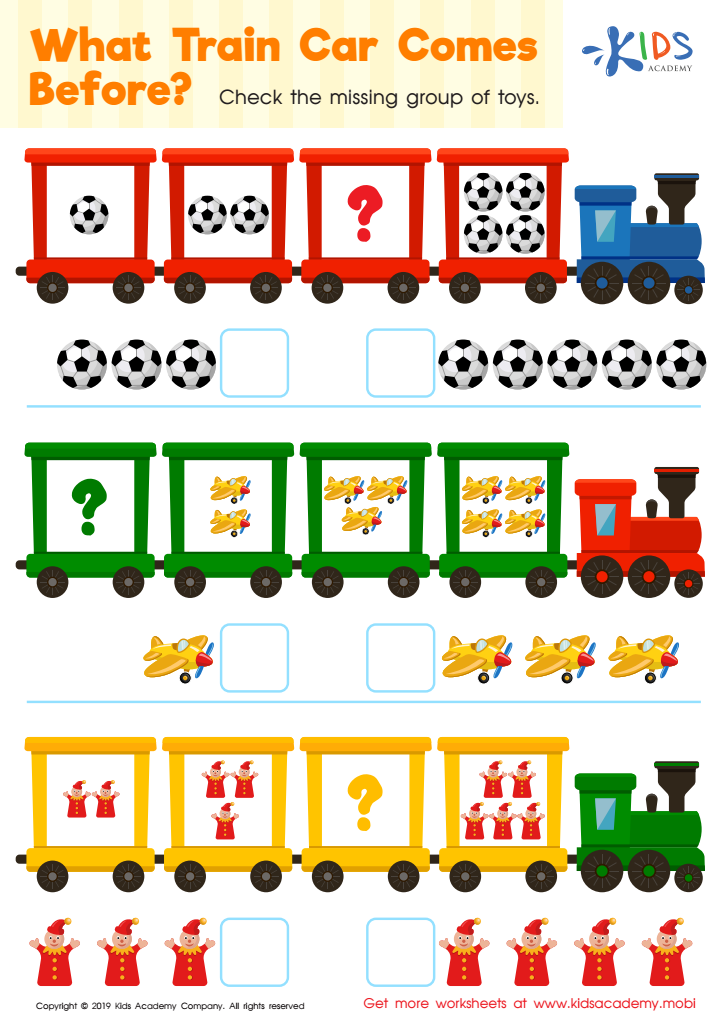
What Train Car Comes Before? Worksheet

Transportation: Steps Worksheet
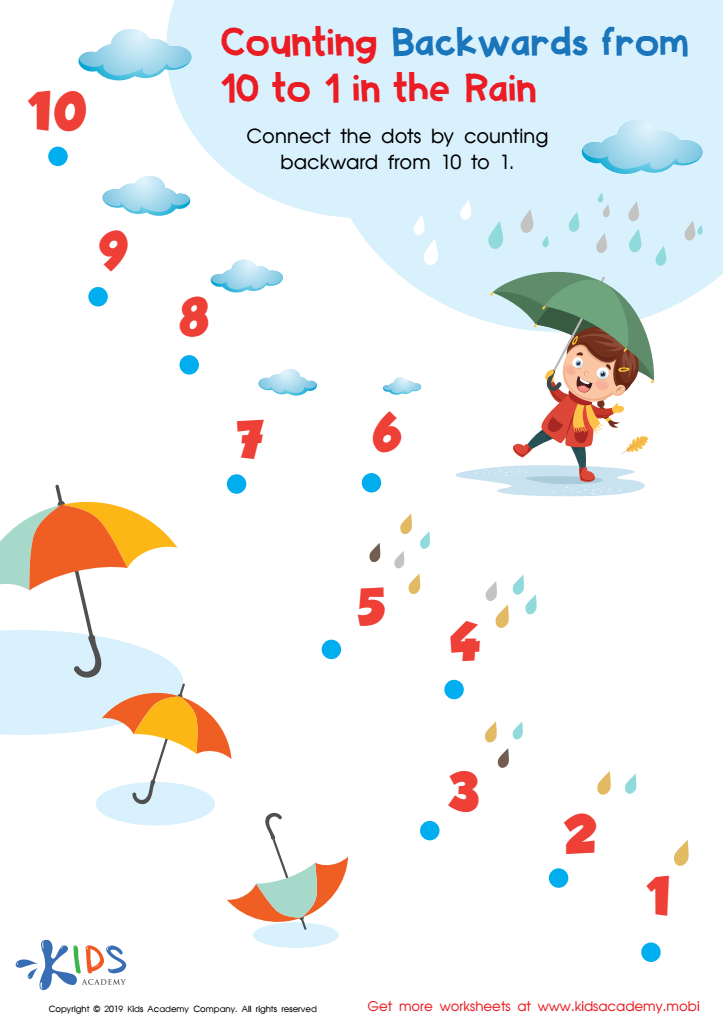
Counting Backwards from 10 to 1 in the Rain Worksheet








Sequencing skills are a fundamental aspect of early childhood education, particularly in mathematics, and they form the building blocks for more complex mathematical reasoning. For 6-year-olds, understanding sequencing helps them grasp the order and arrangement of numbers, which is crucial for basic operations such as addition, subtraction, and telling time. Proper sequencing skills aid in recognizing patterns, understanding numerical relationships, and making sense of mathematical processes, which in turn strengthens overall cognitive development and problem-solving abilities.
When children develop strong sequencing skills at an early age, they are better equipped to follow directions and organize their thoughts clearly. This facilitates smoother transitions between different tasks and strengthens their ability to follow multi-step instructions, both inside and outside the classroom. For example, daily routines, story sequences, and step-by-step problem-solving in math all require an understanding of order and progression.
Teachers and parents should prioritize sequencing skills to ensure these foundational abilities are well-established, setting children up for success in later academic endeavors. Poor sequencing skills can lead to disorganization, confusion, and a weak understanding of more advanced mathematical concepts. By fostering these skills early on, we can enhance children's learning experiences, encourage their confidence, and promote a positive attitude toward mathematics and learning in general.








