Counting skills Matching Worksheets for 6-Year-Olds
13 filtered results
-
From - To
Discover the fun and engaging Counting Skills Matching Worksheets for 6-year-olds, designed to enhance numerical understanding and boost confidence in young learners. These interactive worksheets help children practice counting, recognizing numbers, and making connections between quantity and symbols. Each engaging activity encourages exploration and critical thinking, allowing kids to match numbers with groups of objects in an enjoyable way. Perfect for homeschoolers, teachers, and parents, these worksheets provide a valuable resource to support early math skill development. Download and print today to foster a love for learning and help your child master counting in a fun, effective manner!
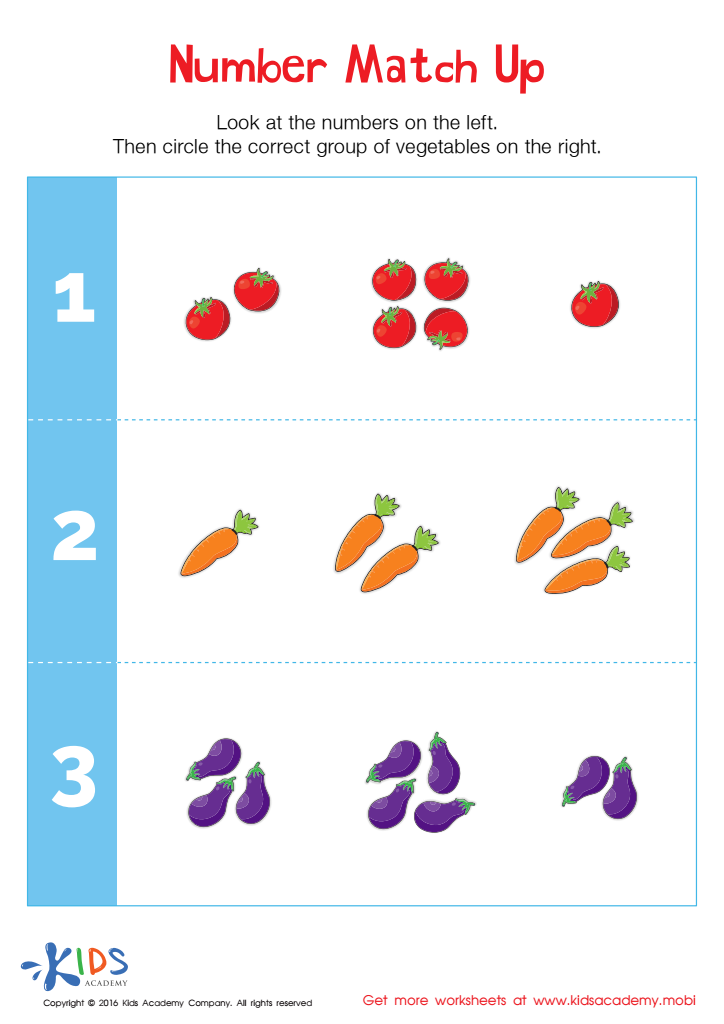
Number Match Up Worksheet
 Assign to My Students
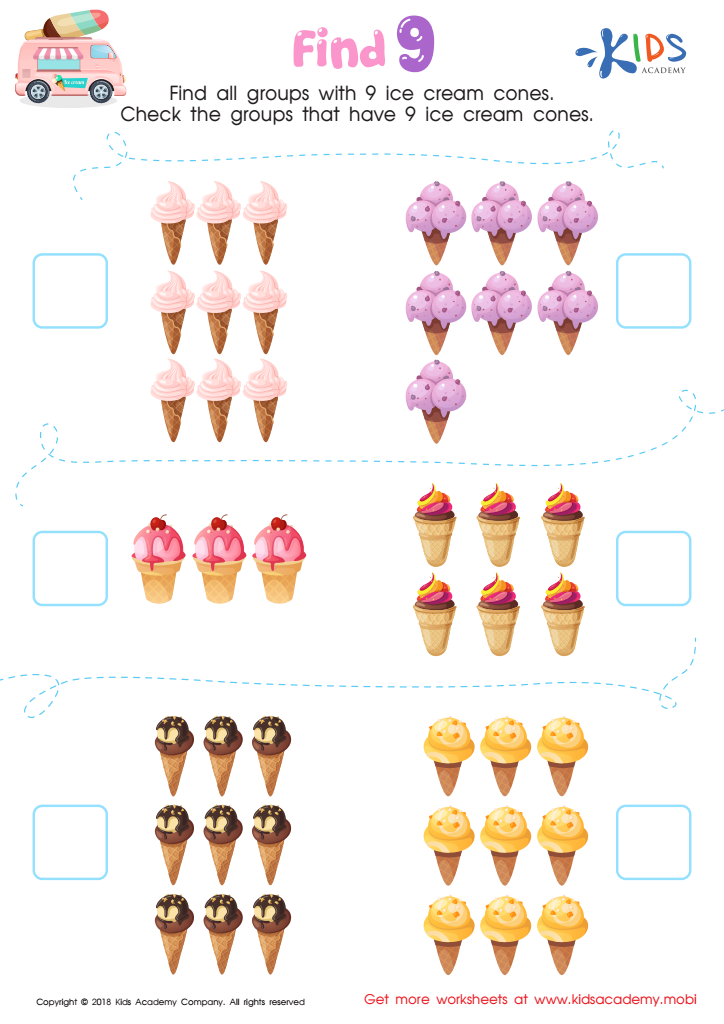
Find 9 Worksheet
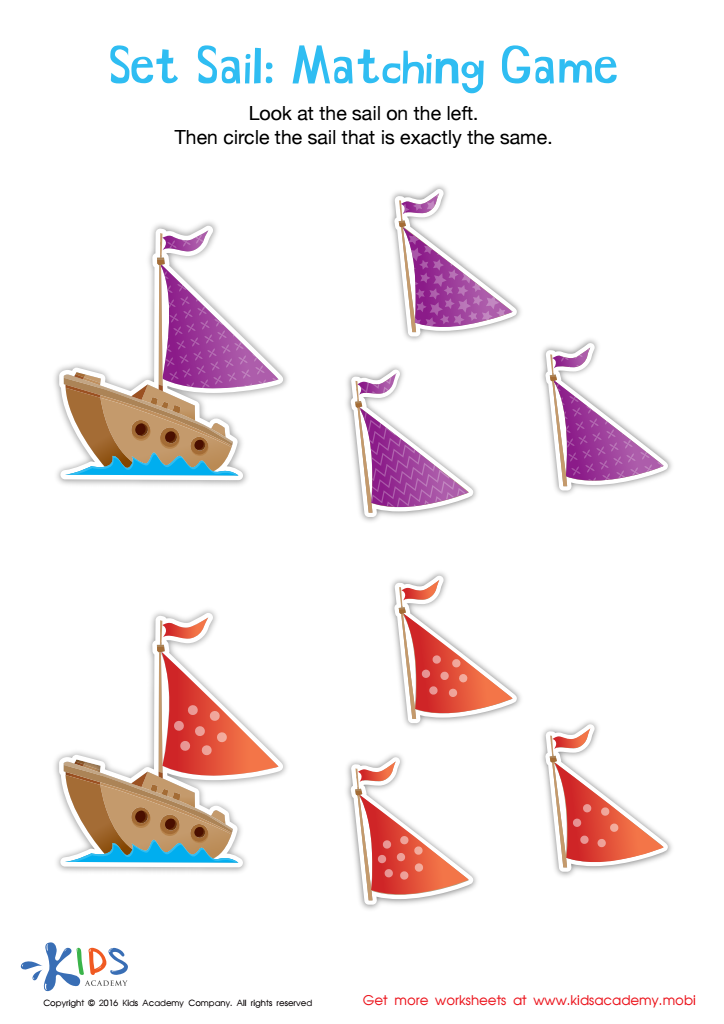
Set Sail Worksheet
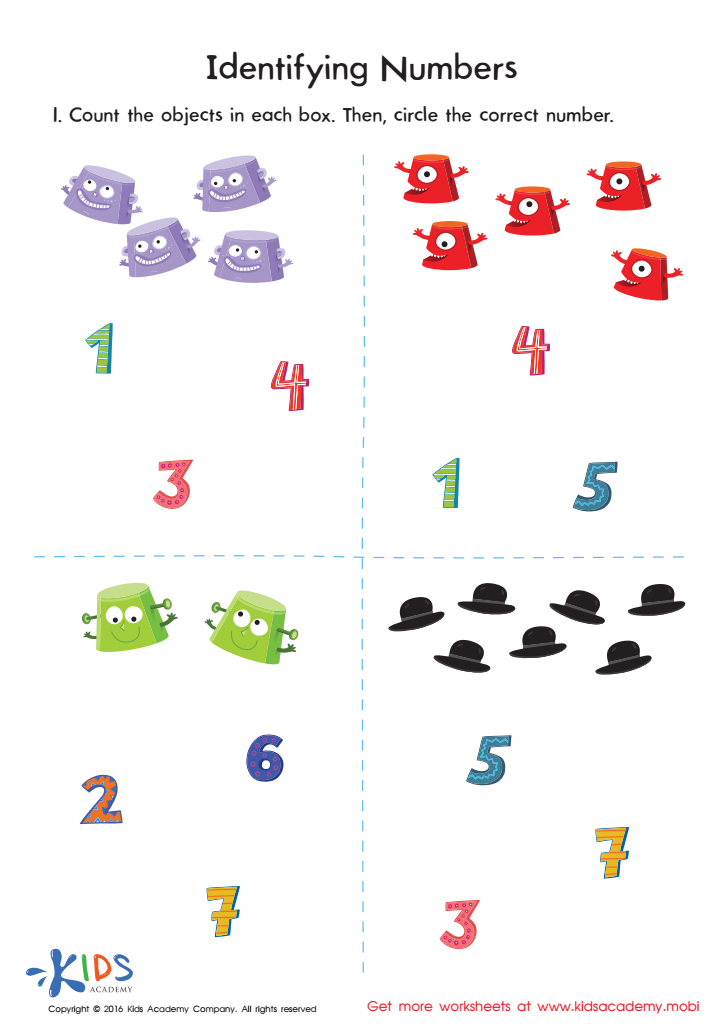
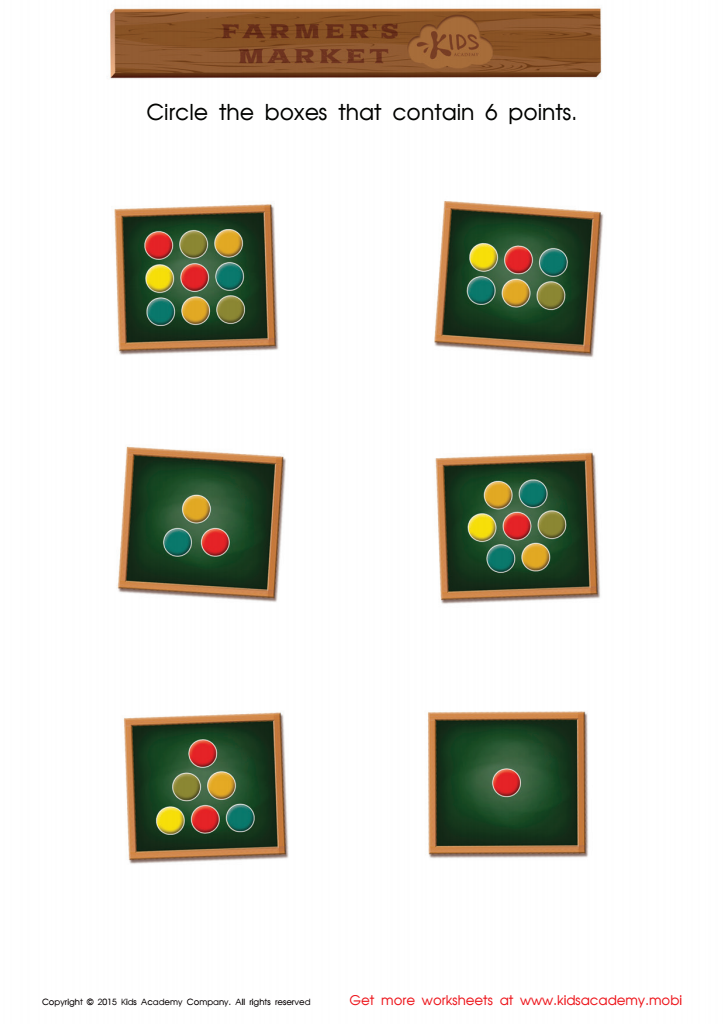
Count and Match Points 6 Math Worksheet
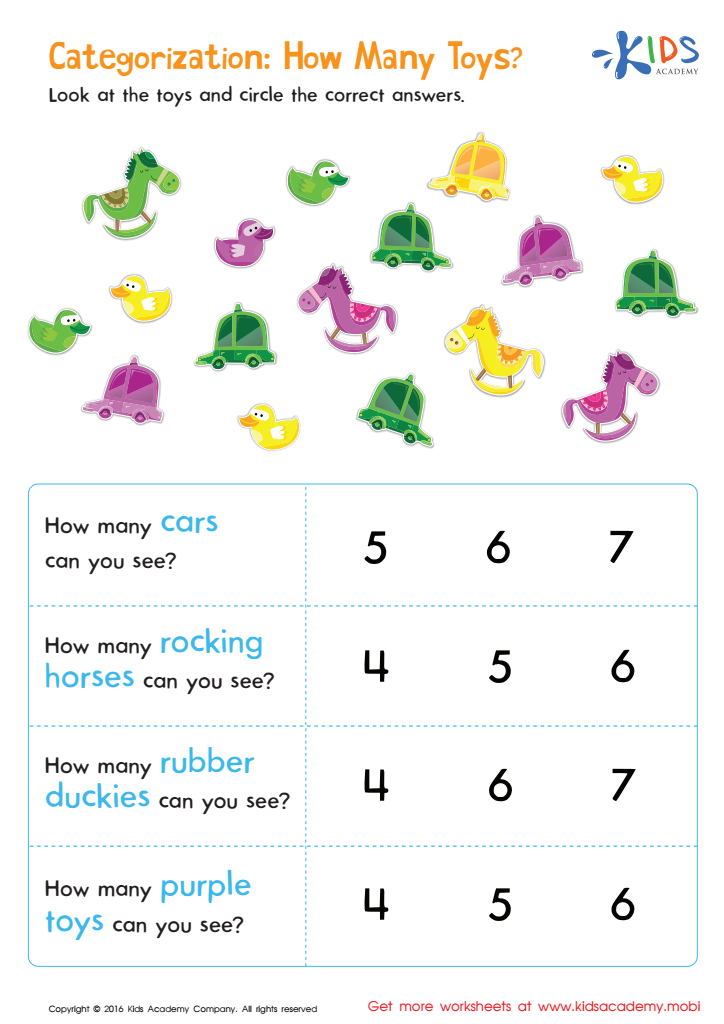
Classifying Toys by Type and Color Sorting Worksheet
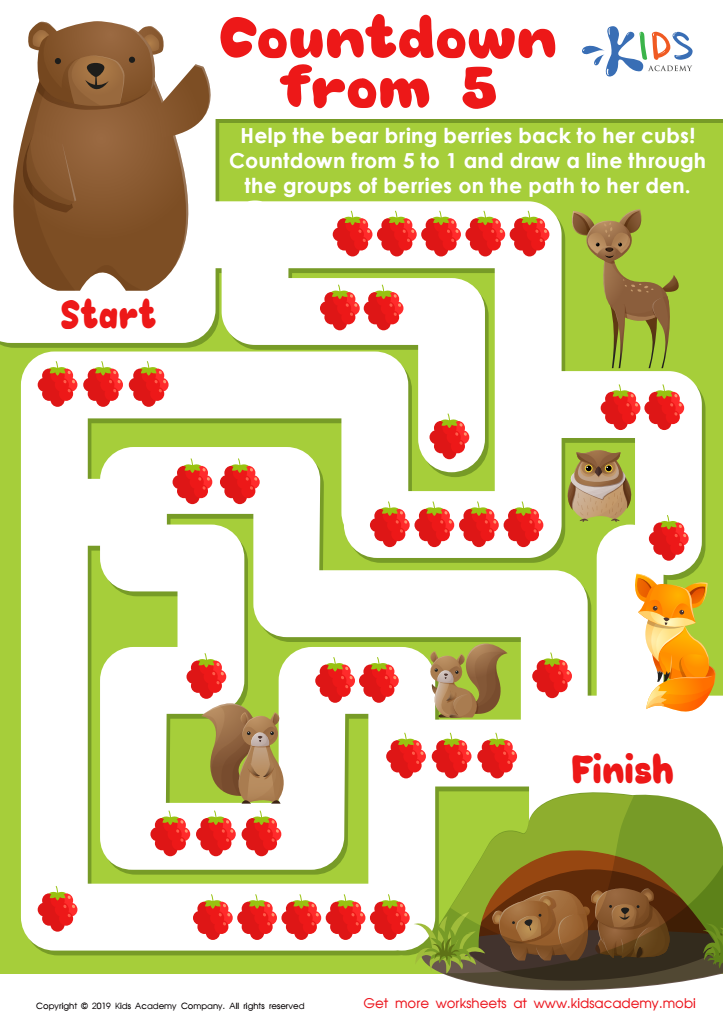
Countdown from 5 Worksheet
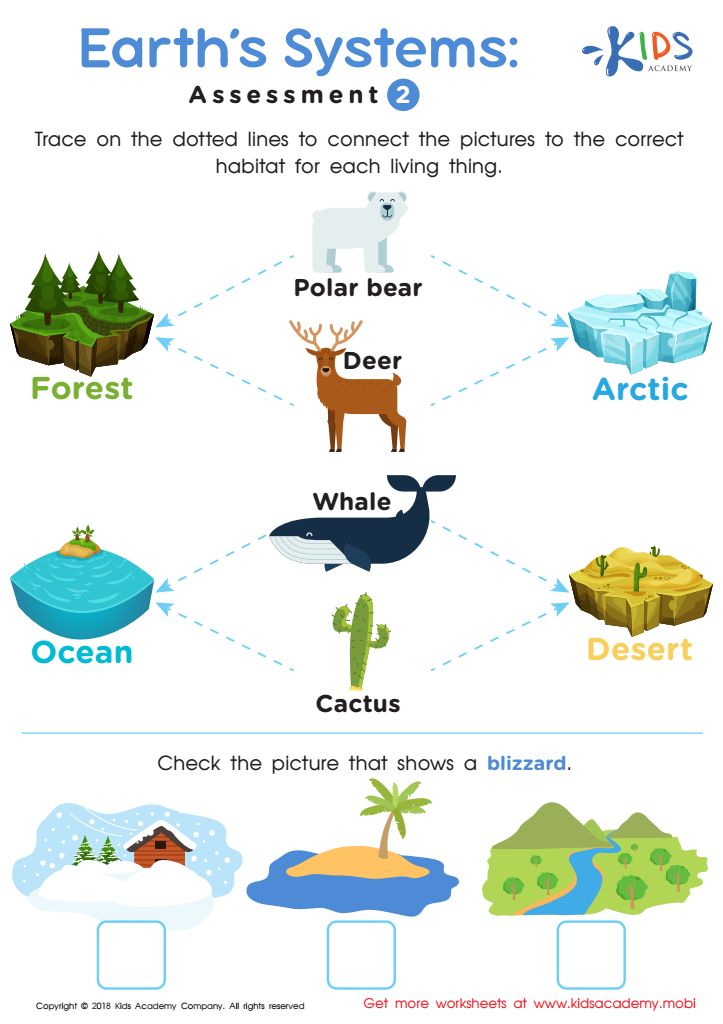
Earth's Systems: Assessment 2
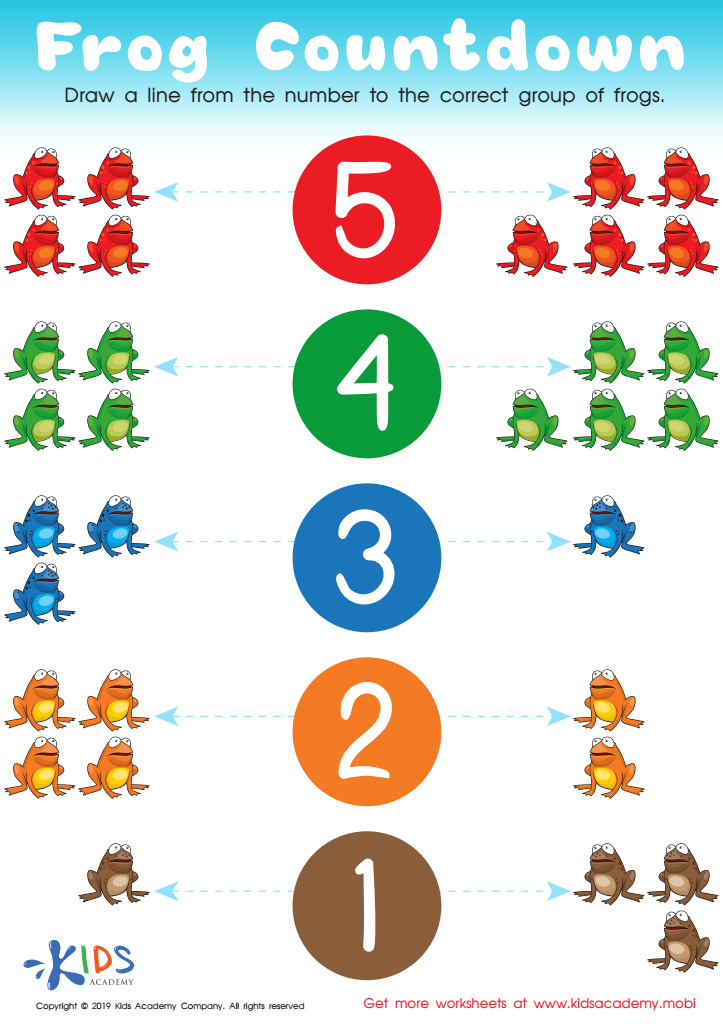
Frog Countdown Worksheet
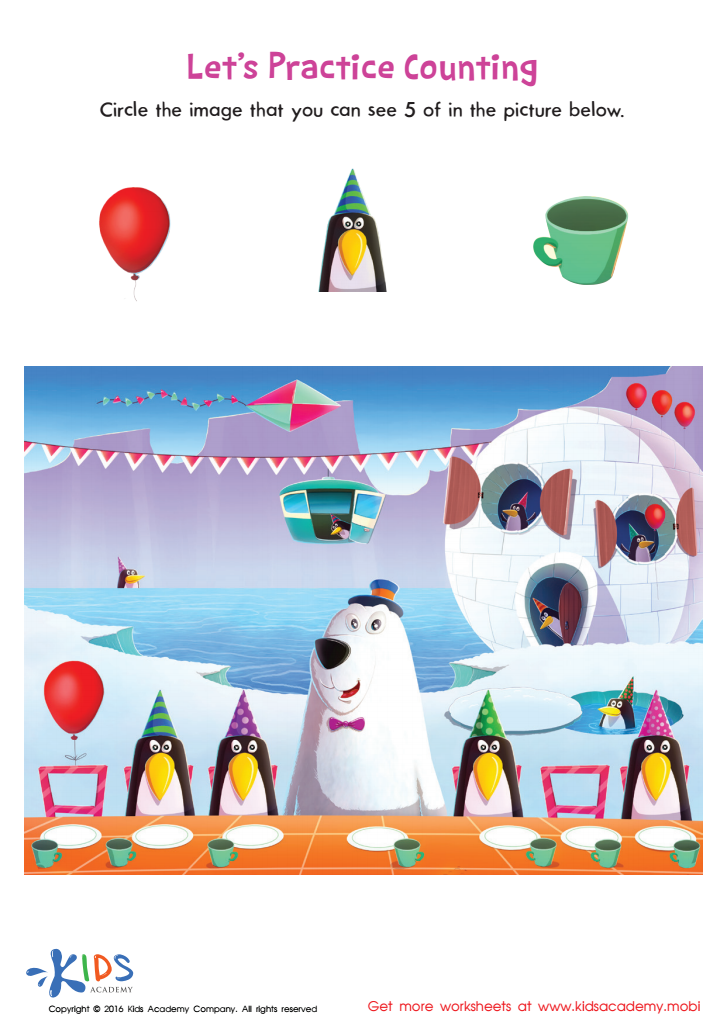
Counting Worksheet: Let's Practice Counting
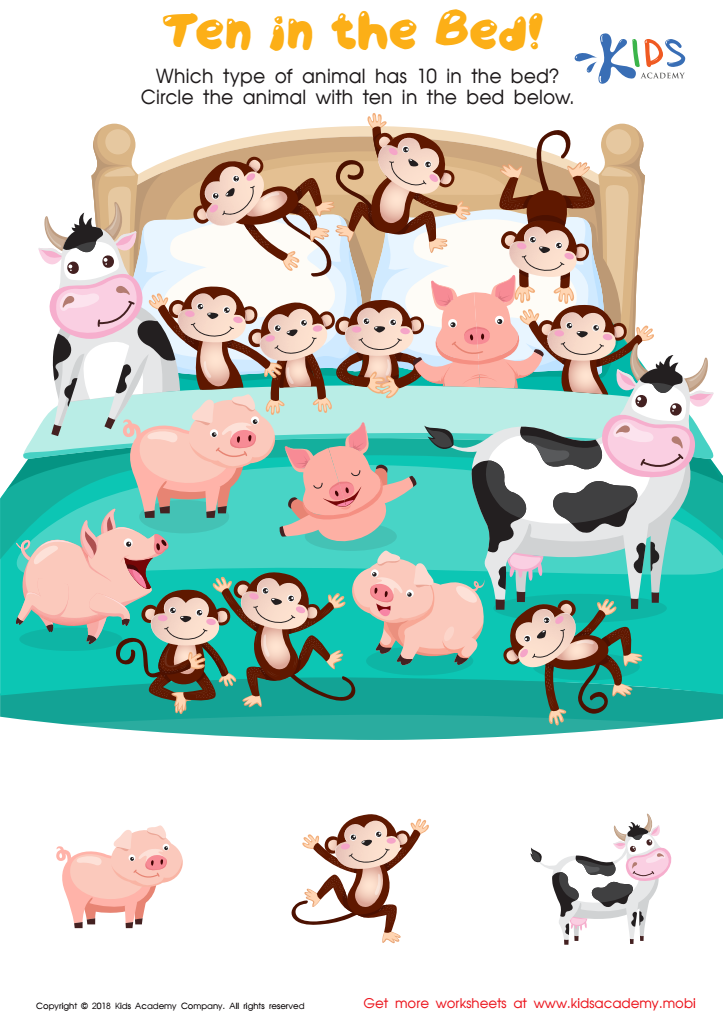
Ten in the Bed Worksheet
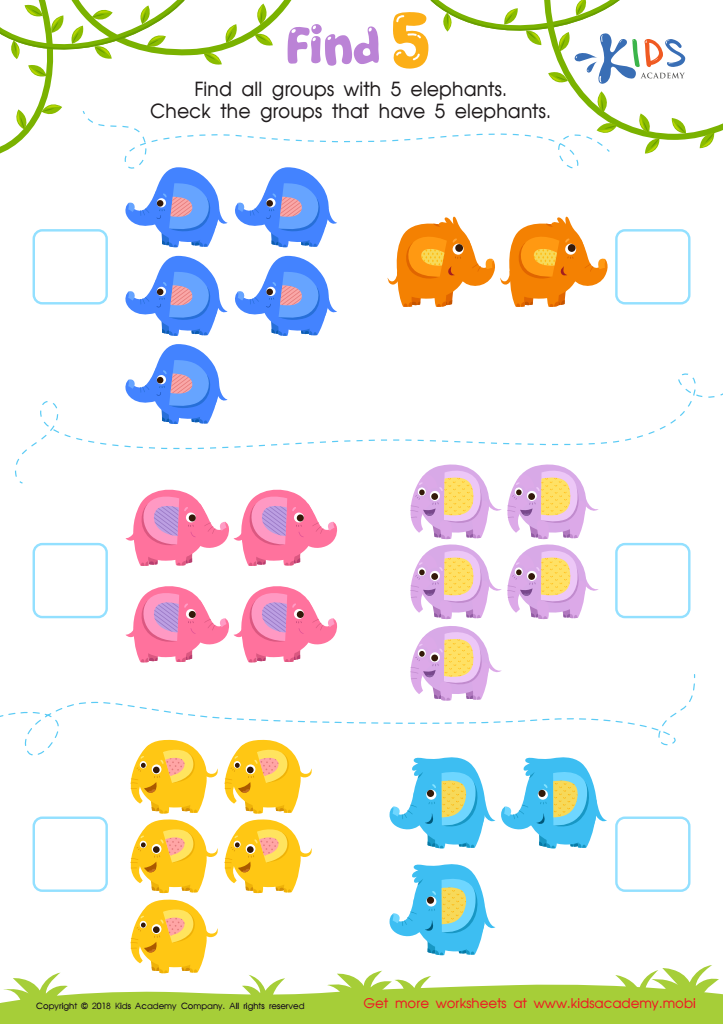
Find 5 Worksheet
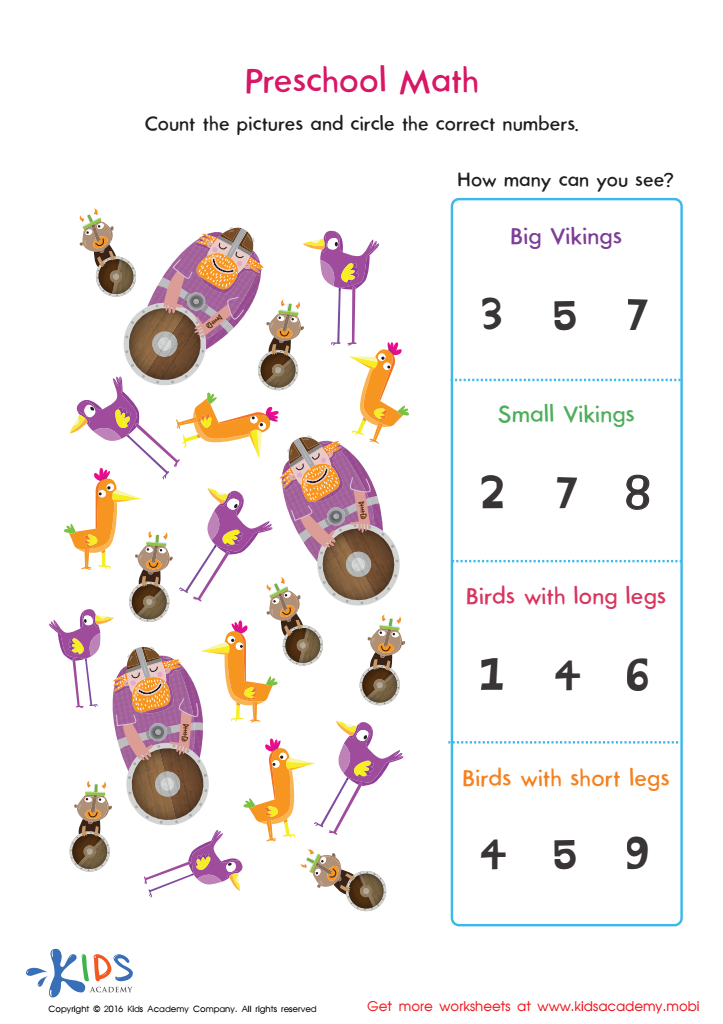




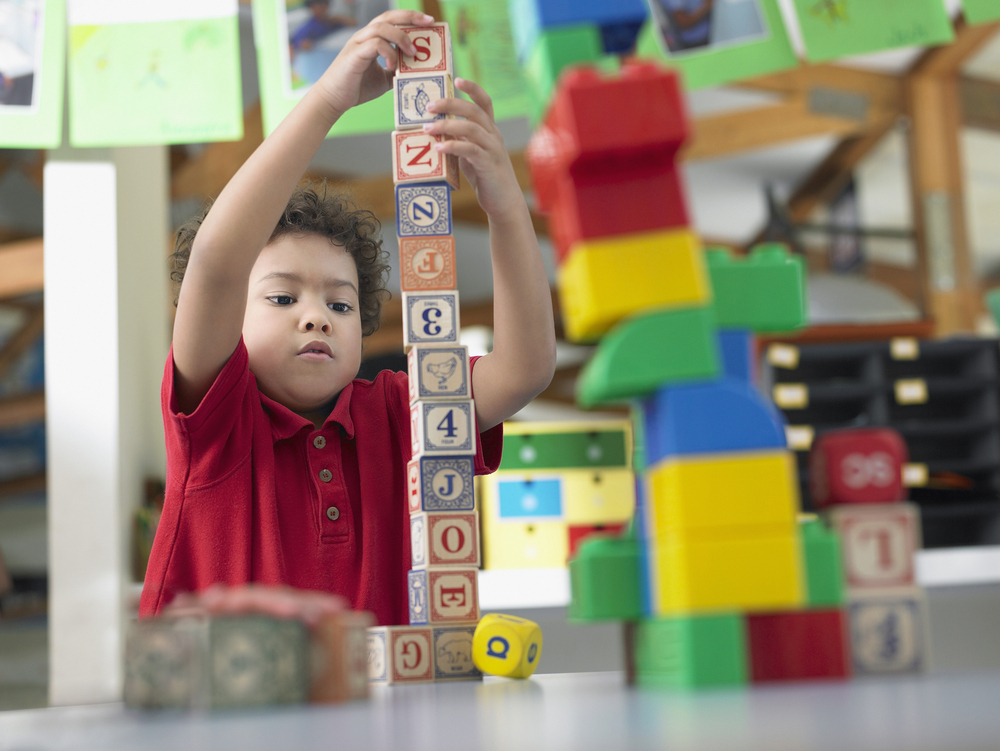



Counting skills and matching are fundamental cognitive abilities that play a critical role in early childhood development. For six-year-olds, the ability to count and match shapes, numbers, or objects lays the foundation for more complex mathematical concepts in later education. Parents and teachers should care about these skills for several reasons.
Firstly, counting helps young children develop number sense, which is essential for everyday math tasks, such as adding, subtracting, and understanding quantities. Mastering counting can boost their confidence in handling numbers and alleviate math-related anxiety in the future.
Secondly, matching activities enhance a child's cognitive skills by promoting pattern recognition and critical thinking. These exercises encourage children to make connections, improving their problem-solving abilities. Engaging in matching games also fosters fine motor skills, as children manipulate objects and develop hand-eye coordination.
Additionally, well-rounded counting and matching skills are closely tied to language development. Through discussions about numbers and matches, children expand their vocabulary and improve their communication abilities.
Investing time in nurturing these fundamental skills through playful and engaging activities at home or in the classroom not only enriches a child's intellectual growth but also cultivates a lifelong interest in learning.








