Problem-solving abilities Subtraction Worksheets for 6-Year-Olds
5 filtered results
-
From - To
Enhance your child’s problem-solving abilities with our subtraction worksheets designed for 6-year-olds. These engaging worksheets help young learners grasp the fundamentals of subtraction through fun and interactive exercises. Each activity encourages critical thinking, allowing kids to tackle word problems and develop strategies to find solutions. Perfect for reinforcing classroom learning or providing extra practice at home, our worksheets take a playful approach to math, ensuring that children enjoy their journey to mastering subtraction concepts. Download them today to encourage independence and confidence in problem-solving skills, setting a strong foundation for future math success!
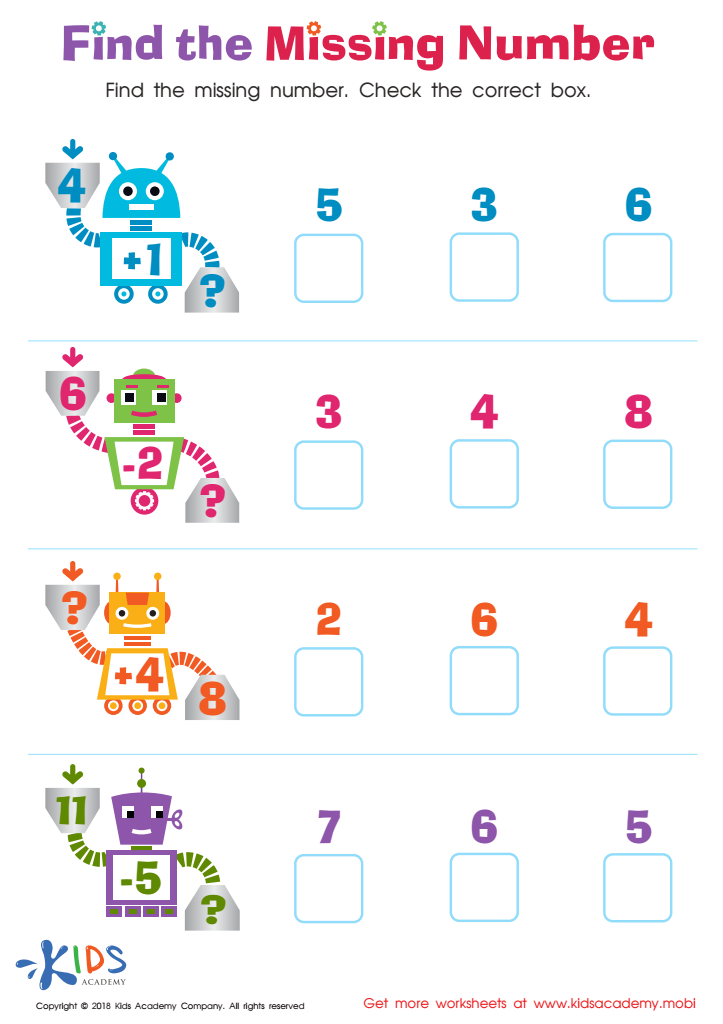
Find the Missing Number Worksheet
 Assign to My Students
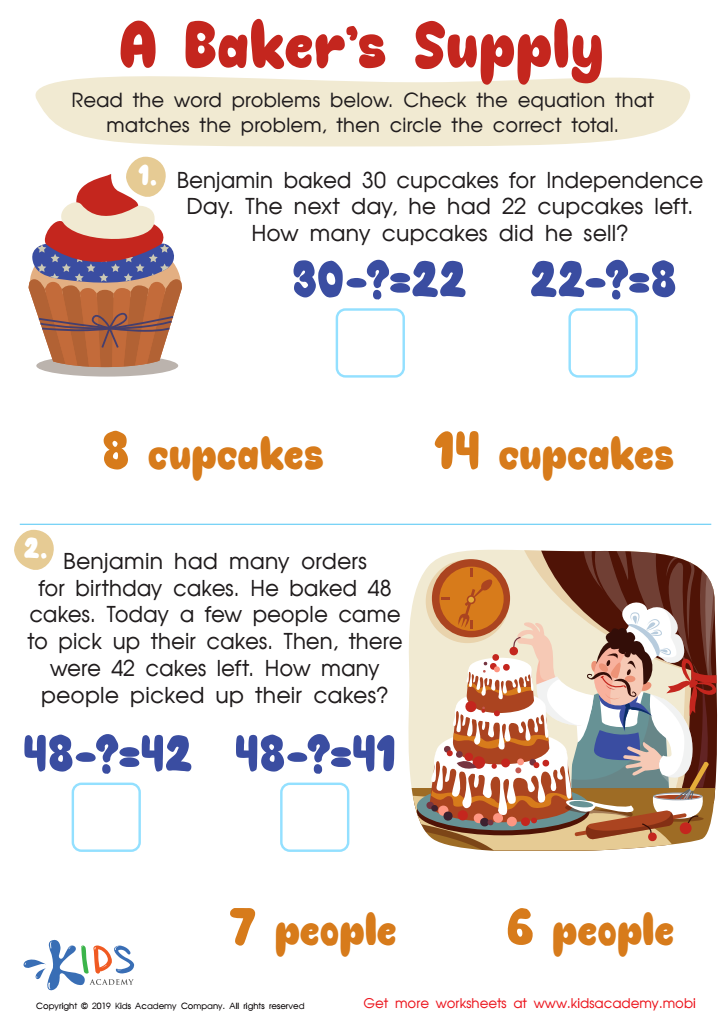
A Baker's Supply Worksheet
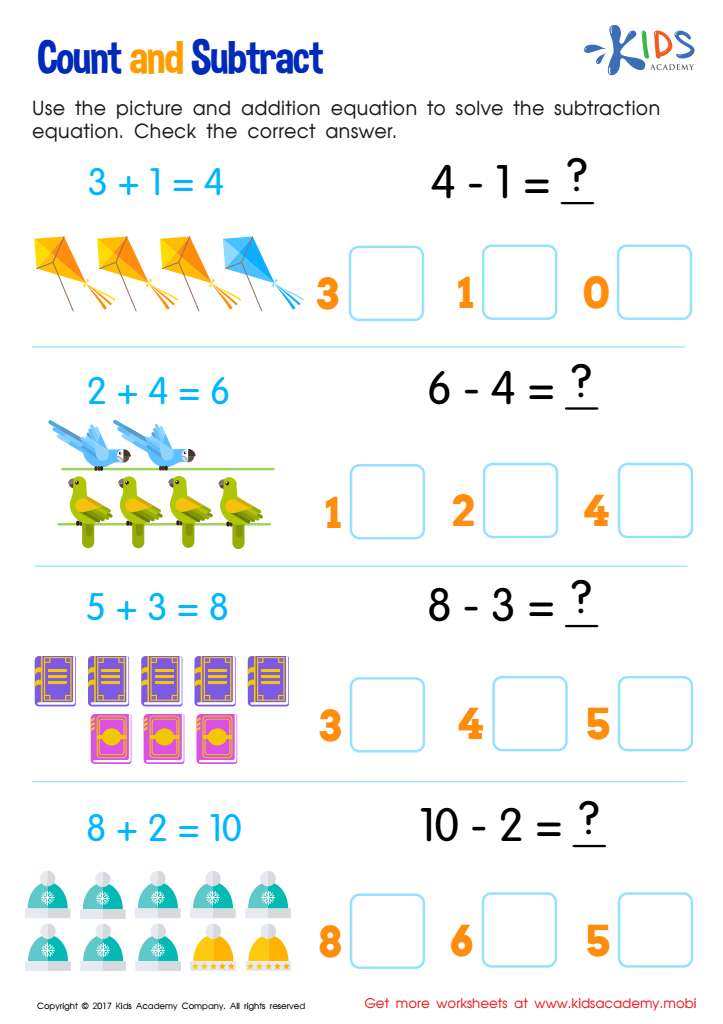
Count and Subtract Worksheet
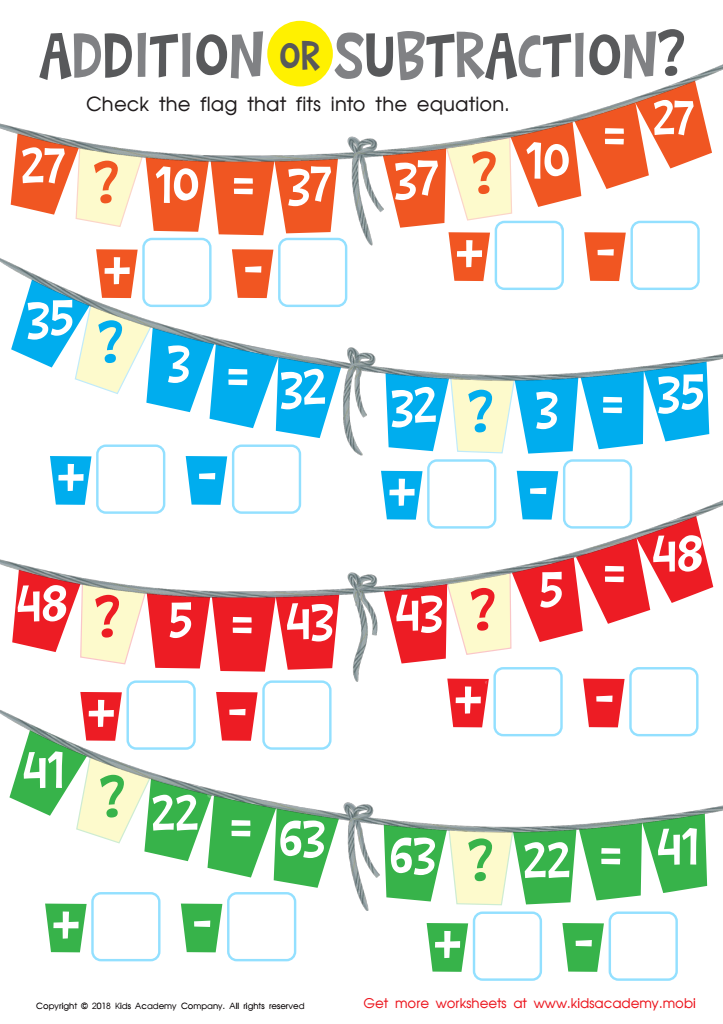
Addition or Subtraction? Worksheet
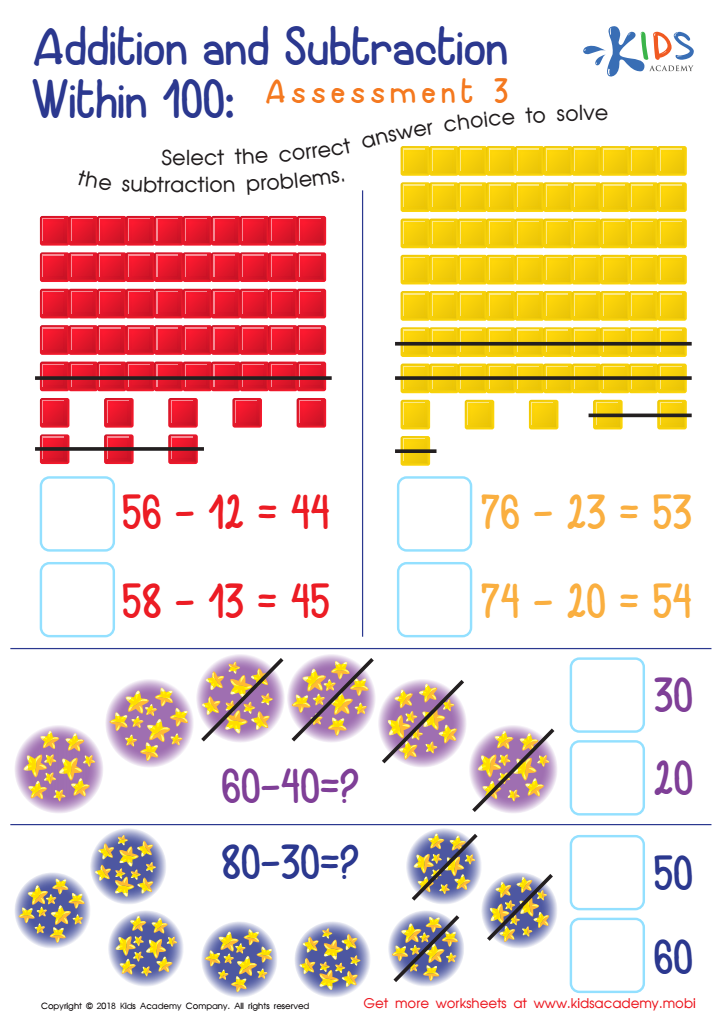
Addition and Subtraction Within 1: Assessment 3 Worksheet








Problem-solving abilities, particularly in subtraction, are crucial for 6-year-olds as they lay the foundation for mathematical understanding and critical thinking skills. At this early age, children are developing essential cognitive abilities, and mastering subtraction enhances their ability to analyze situations, think logically, and approach challenges methodically.
Subtraction is not merely about finding the difference between numbers; it serves as a metaphor for overcoming obstacles in life. Teaching children to solve subtraction problems encourages persistence, as they learn to tackle complex scenarios step-by-step, fostering resilience and self-confidence. Moreover, problem-solving in subtraction allows children to make connections between mathematics and everyday situations, such as sharing snacks or dividing toys, making learning more relevant and engaging.
Parents and teachers play a pivotal role in this development, as they can provide supportive environments allowing exploration and discovery. Encouraging children to verbalize their thought processes helps deepen their understanding and retention. Ultimately, strengthening problem-solving abilities through subtraction not only equips children with mathematical skills but also nurtures holistic cognitive development, preparing them for future academic challenges and life in a complex world. Hence, prioritizing this learning area is vital for long-term success.








