
Fraction simplification Building Vocabulary Worksheets for 6-Year-Olds
5 filtered results
Difficulty Level
Grade
Age
-
From - To
Subject
Activity
Standards
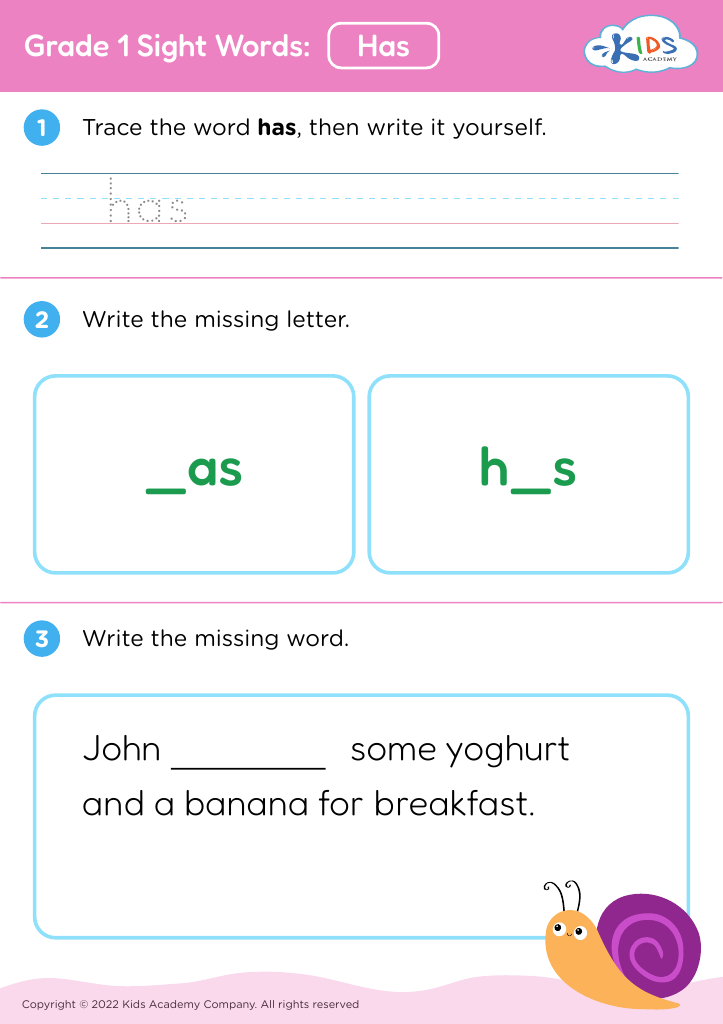
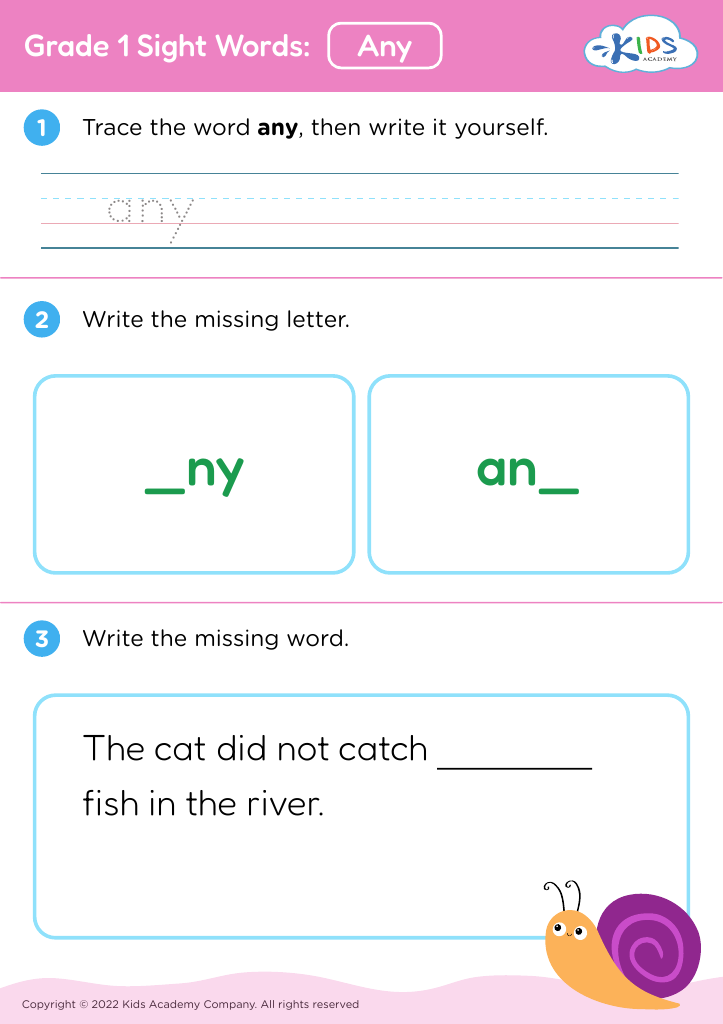
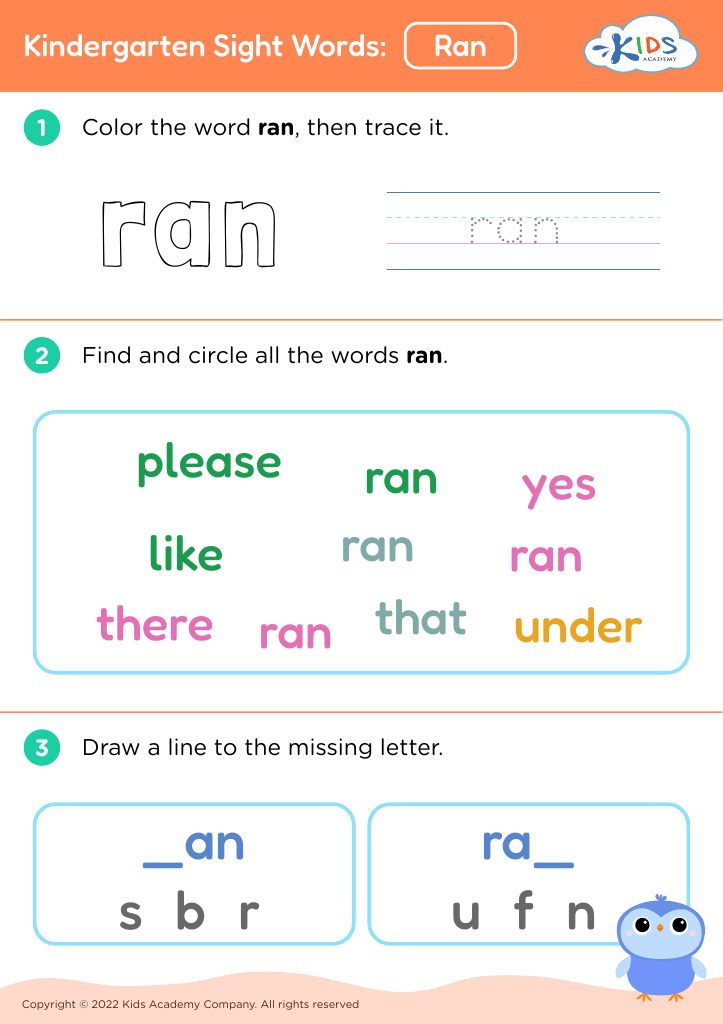
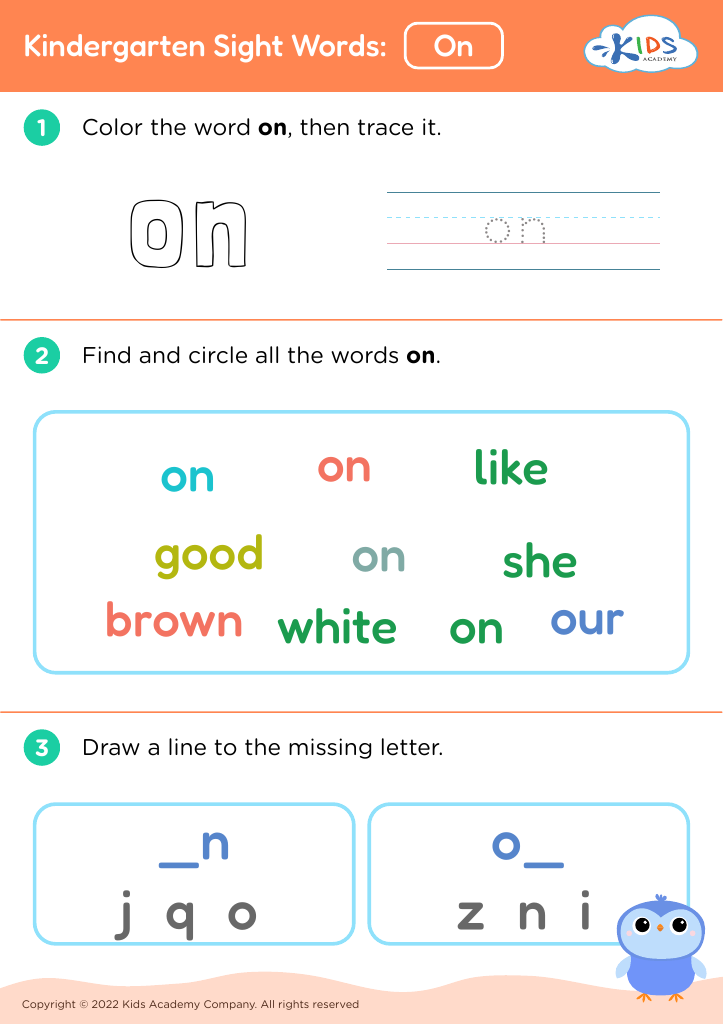
Introducing our Fraction Simplification Building Vocabulary Worksheets for 6-year-olds! These engaging resources are designed to help young learners master the concept of fractions while enhancing their vocabulary and comprehension skills. With fun and colorful activities, children will explore fraction simplification through relatable examples and interactive exercises. Our worksheets encourage critical thinking as students identify and reduce fractions to their simplest forms. Perfect for both classroom use and at-home learning, these resources aim to foster a love for math and language. Empower your child’s educational journey and watch them gain confidence in their abilities with our thoughtfully crafted worksheets!
Favorites
With answer key
Interactive











Join Kids Academy for Free
Who is primarily going to use this learning content?






.jpg)

Parents and teachers should prioritize fraction simplification and building vocabulary for 6-year-olds because these skills form the foundation for mathematical understanding and communication. At this age, children are naturally curious and eager to learn, making it an ideal time to introduce concepts like fractions in an accessible way. Simplifying fractions helps young learners grasp the basics of part-to-whole relationships, essential for diverse everyday situations, from cooking to sharing.
Building vocabulary related to fractions—such as "numerator," "denominator," and "equal parts"—equips children with the language they need to express mathematical ideas confidently. When children articulate their thoughts, it reinforces their understanding and helps them make connections between objects and their numerical representations.
Moreover, fostering a strong mathematical vocabulary empowers parents and teachers to support children's mathematical exploration more effectively and creates a collaborative learning environment. Engaging children with hands-on activities, such as using fraction circles or engaging in storytelling that incorporates fractions, reinforces these concepts while making learning enjoyable. Ultimately, focusing on fraction simplification and vocabulary at an early age nurtures not only academic skills but also critical thinking, problem-solving abilities, and lifelong confidence in mathematics.








