Numerical problem solving Building Vocabulary Worksheets for 6-Year-Olds
3 filtered results
-
From - To
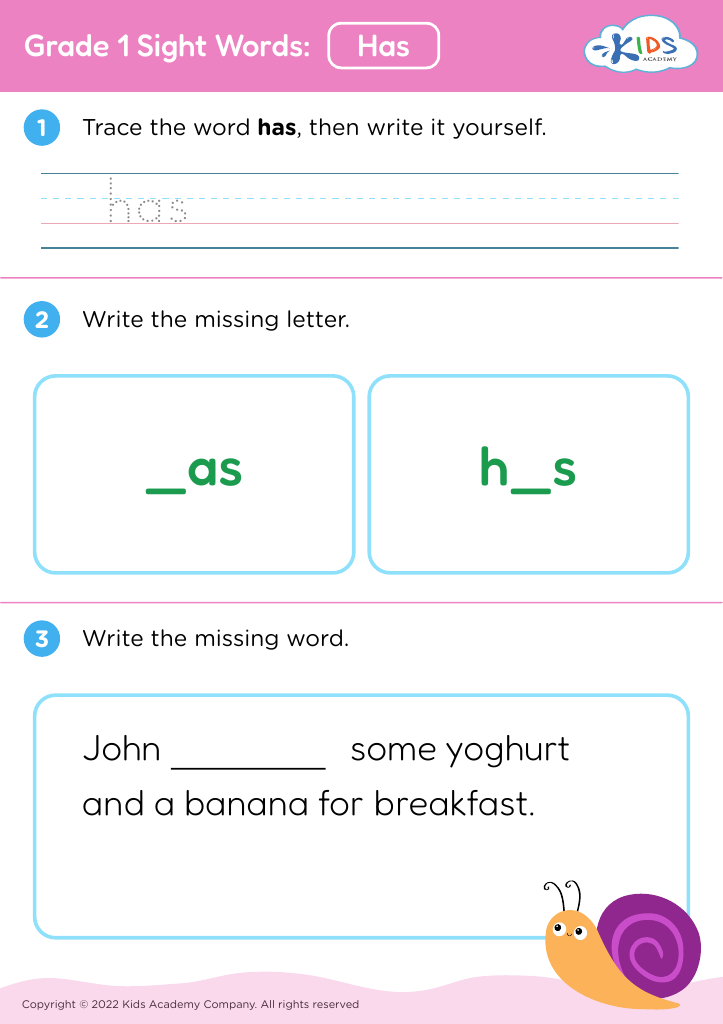
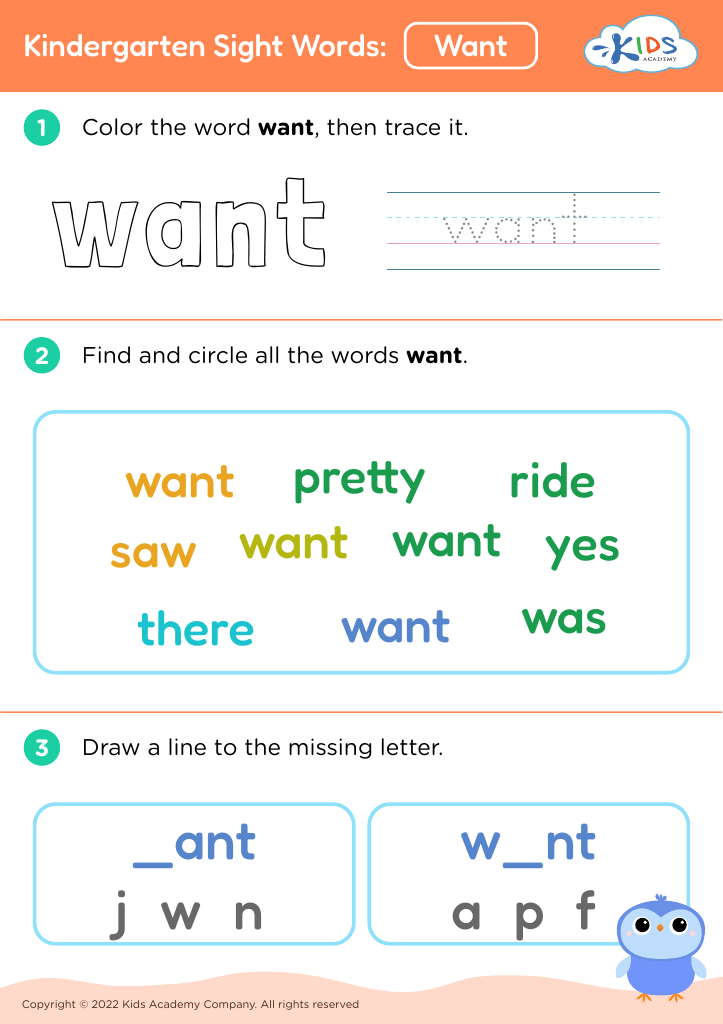
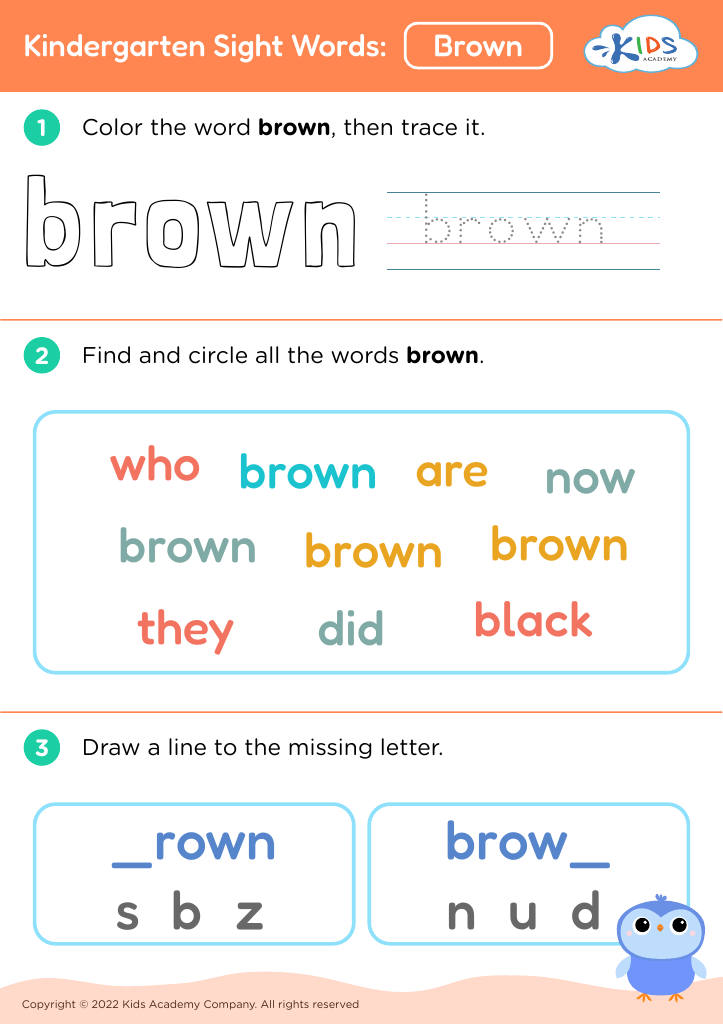
Enhance your 6-year-old’s learning experience with our Numerical Problem Solving Building Vocabulary Worksheets! These engaging worksheets are designed to help young learners master essential math skills while expanding their vocabulary. By integrating numerical challenges with vocabulary development, children will learn to recognize and use key terms in problem-solving contexts. Our fun and interactive activities make learning enjoyable, fostering critical thinking and a love for math. Perfect for reinforcing classroom concepts or as supplementary home practice, these worksheets aim to build confidence and competence in both language and math. Get your child started on a path to academic success today!

















.jpg)
Parents and teachers should prioritize numerical problem-solving and vocabulary building for 6-year-olds because these skills are foundational for a child's cognitive development and future academic success. Numerical problem-solving enhances a child's critical thinking abilities, allowing them to approach challenges logically and creatively. Early exposure to math concepts—like addition, subtraction, and pattern recognition—helps children develop a positive attitude towards mathematics, reducing anxiety and building confidence as they encounter more complex math later on.
Simultaneously, building vocabulary is crucial for language development and comprehension. A robust vocabulary enables children to express their thoughts clearly and understand instructions or problems presented to them. This literacy foundation supports reading skills and enhances learning in all subject areas.
When children can articulate their reasoning in problem-solving contexts, they enhance their ability to communicate effectively. Incorporating vocabulary development into numerical problem-solving activities, such as discussing the language of math ("sum," "difference," "more than") fosters a richer learning experience. Overall, nurturing these interconnected skills equips children with essential tools for lifelong learning, encouraging curiosity, resilience, and a love for exploration as they grow. By focusing on these areas, parents and teachers help build a stronger academic framework for their children's futures.








