Simplifying Fractions Building Vocabulary Worksheets for 6-Year-Olds
3 filtered results
-
From - To
Welcome to our "Simplifying Fractions Building Vocabulary Worksheets" designed for 6-year-olds! These engaging and interactive worksheets help young learners master the concept of simplifying fractions while enhancing their vocabulary skills. Each activity is crafted with age-appropriate language and colorful visuals to keep students motivated and excited about learning. As children practice simplifying fractions, they will also encounter related terms and definitions, promoting language development alongside mathematical understanding. Perfect for both classroom settings and at-home learning, these worksheets encourage critical thinking and help build a solid foundation for future math concepts. Empower your child to explore the joys of fractions through play!
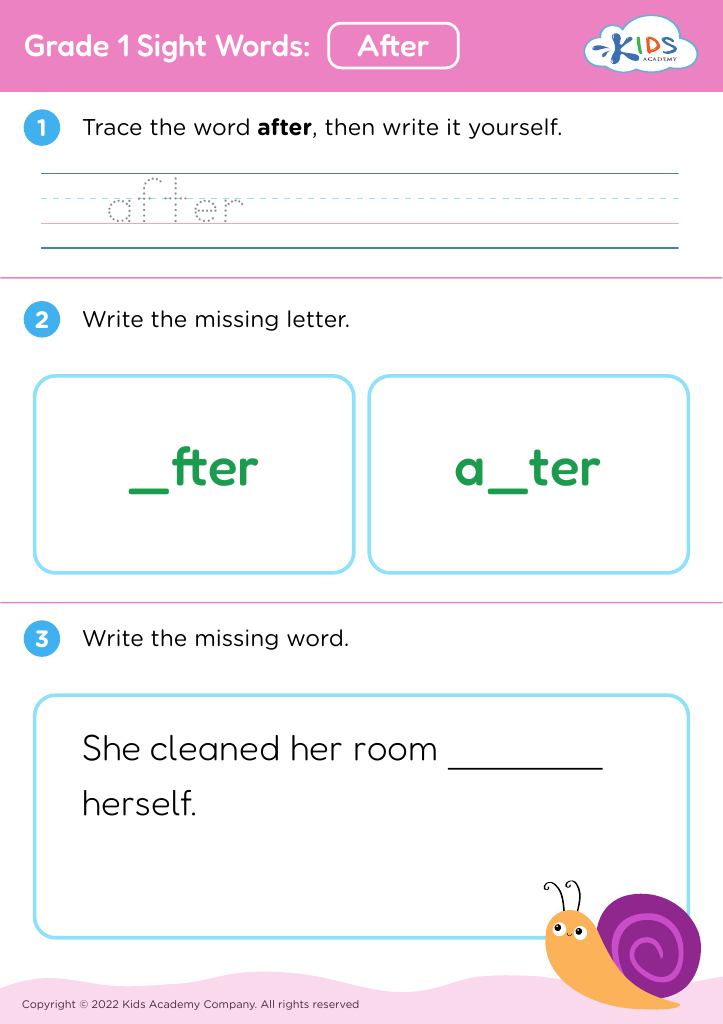











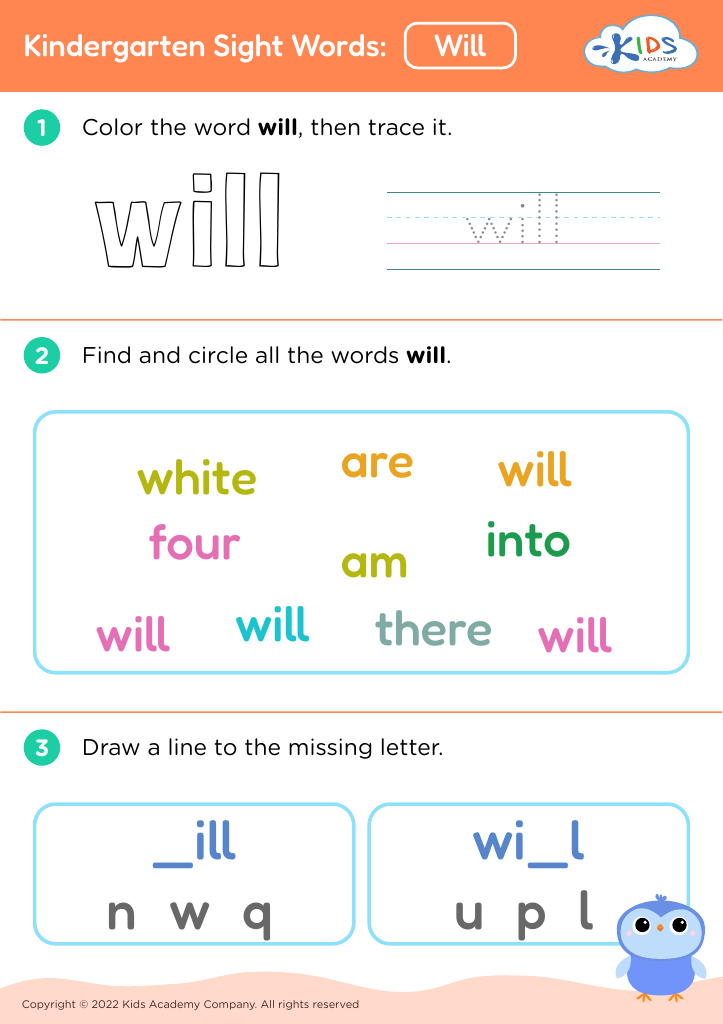
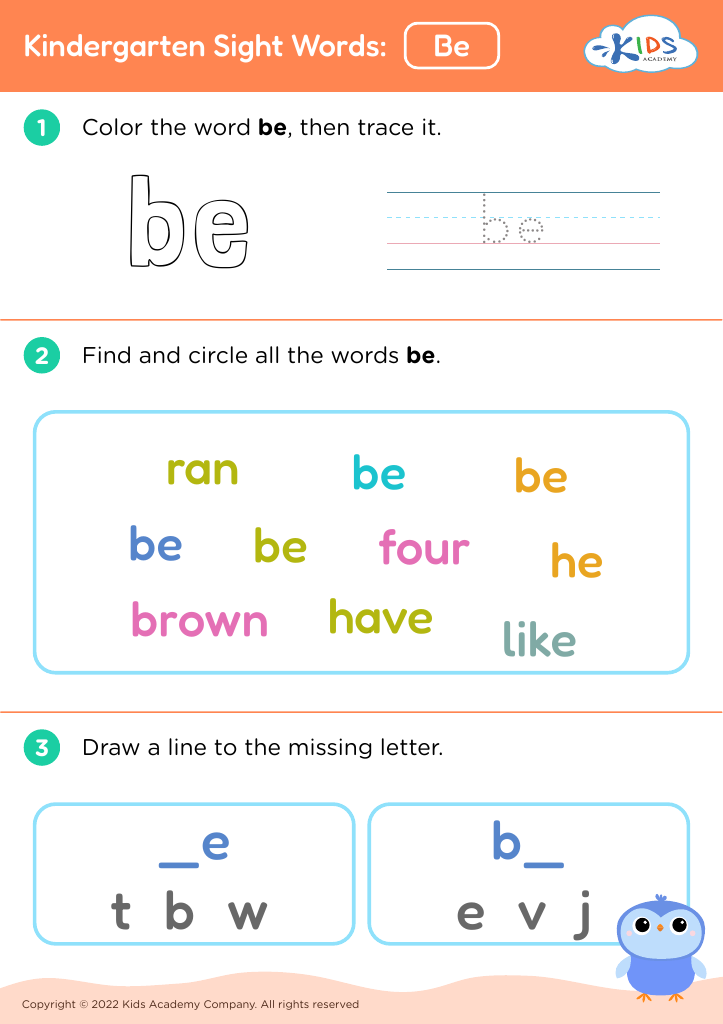








Simplifying fractions and building vocabulary are crucial skills for 6-year-olds, laying a solid foundation for their mathematical and linguistic development. At this young age, children are beginning to grasp basic concepts of numbers and relationships, and incorporating engaging, age-appropriate methods to simplify fractions makes learning more accessible. Simplifying fractions teaches children to recognize equivalent values, fostering critical thinking and problem-solving skills.
Vocabulary development plays a vital role in this process as well. Children need to understand the terms related to fractions, such as "numerator," "denominator," and "equal." By building a rich vocabulary around these concepts, kids can better articulate their thoughts, ask questions, and engage with their peers. When parents and teachers emphasize both tasks, they combine language growth with mathematical understanding, creating a more interconnected learning experience.
Moreover, strong foundational skills in fractions not only support future math learning but also promote confidence in tackling more complex topics in later grades. By nurturing a child's ability to simplify fractions and express themselves clearly, parents and teachers contribute to a lifetime of effective learning, encouraging curiosity and a love for knowledge. Investing time in these early skills leads to more successful academic journeys in years to come.








