Filters

7 filtered results

Clear all filters
Favorites
With answer key
Interactive

7 filtered results

Difficulty Level

Grade


Boost your child's language skills with our "Vocabulary Building Worksheets for 6-Year-Olds". Designed for young learners, these engaging, educational resources make the learning process fun and interactive. Each worksheet enhances vocabulary through creative exercises, helping kids effortlessly absorb new words. Ideal for both classroom settings and at-home practice, these worksheets cover a variety of themes and contexts. As children complete the activities, they'll develop a stronger command of the English language, improve reading comprehension, and gain confidence in their communication abilities. Give your 6-year-old a head start on language mastery with our expertly crafted worksheets!

Check out this FREE Trial Lesson on Building Vocabulary for age 6!

Answer Questions About Unknown Words in a Story

Favorites
With answer key
Interactive
  • 6
  • Vocabulary Building
  • Building Vocabulary
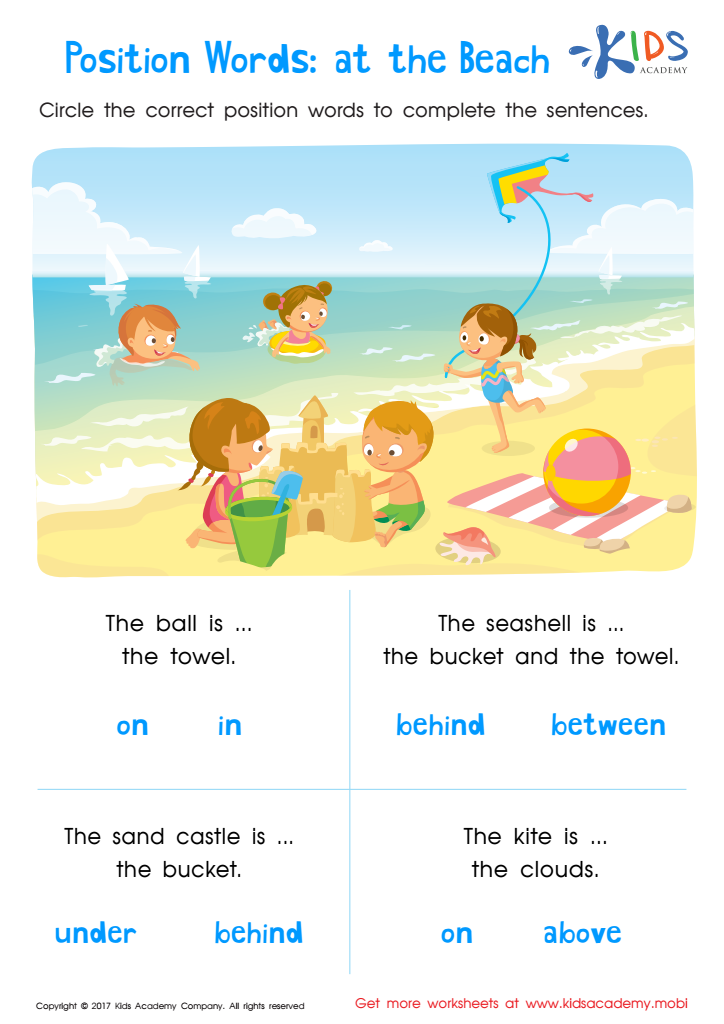
Positional Words Worksheet

At the Beach Printable Sight Words Worksheet

At the Beach Printable Sight Words Worksheet
Worksheet
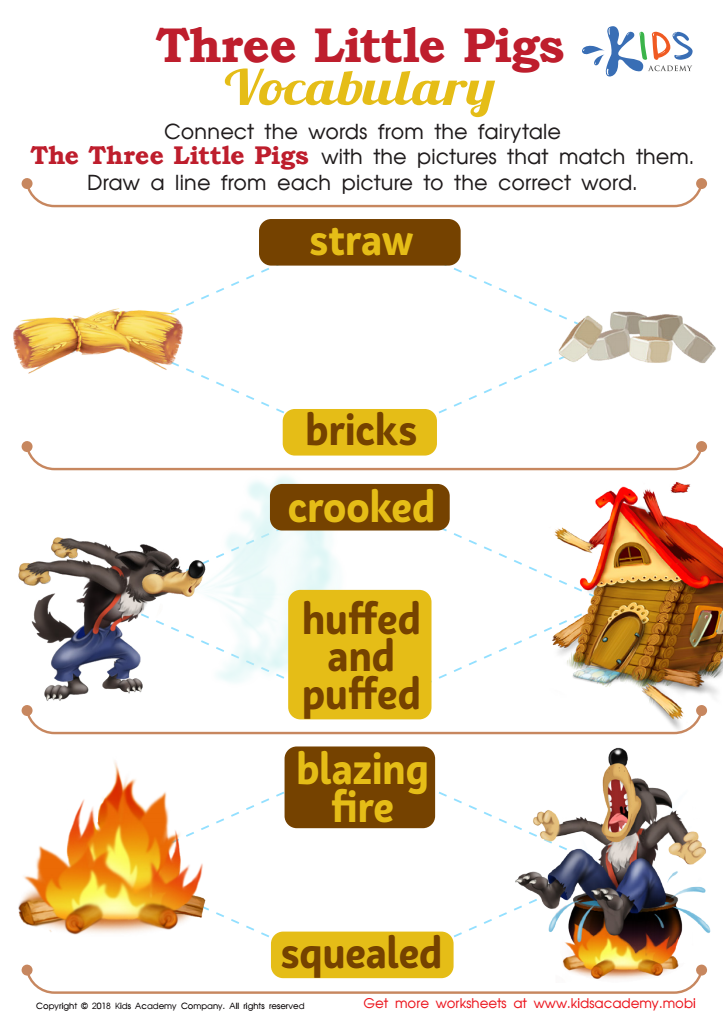
Three Little Pigs Vocabulary Worksheet

Three Little Pigs Vocabulary Worksheet

Read the Three Little Pigs to your children. Have them use the tracing sheet to connect the story words with the pictures. This is a fun and educational way to help them build their vocabulary.
Three Little Pigs Vocabulary Worksheet
Worksheet
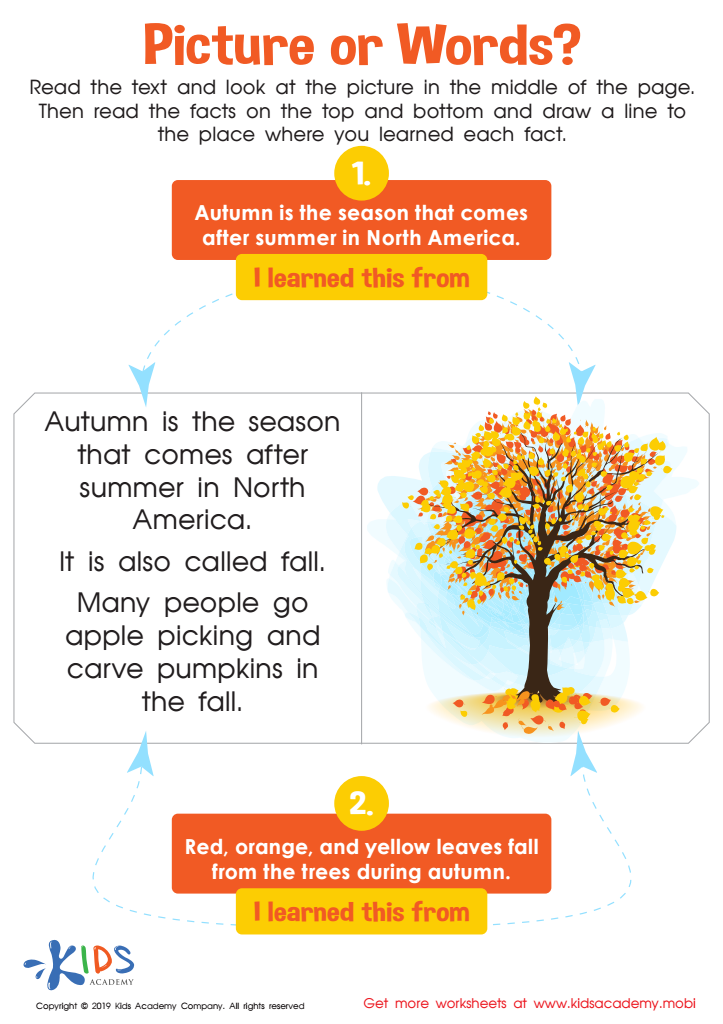
Picture Words Worksheet

Picture Words Worksheet

Pictures are key for early reading skills. Remind children to use all resources when reading passages to understand meaning. With the free PDF, kids can learn through pictures & words, then answer questions based on what they learned. This hits home that all info in text is valuable, pics included!
Picture Words Worksheet
Worksheet
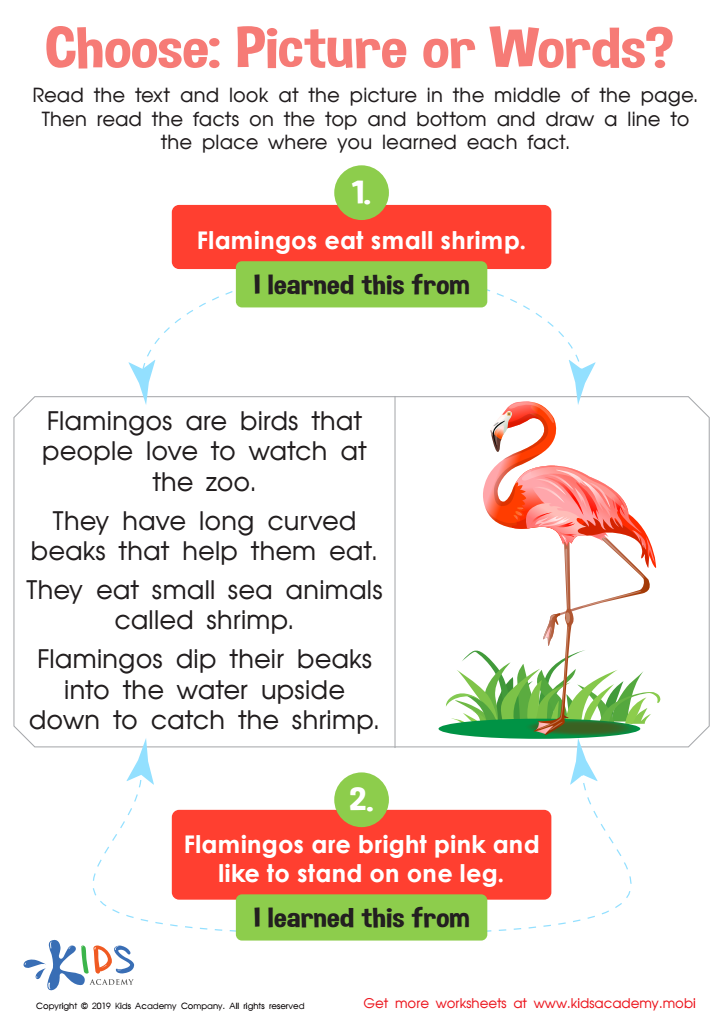
Choose Picture Words Worksheet

Choose Picture Words Worksheet

Pictures are powerful tools for children learning to read. Early readers apply their prior knowledge and pictures to create understanding. This PDF worksheet lets them understand the combined power of pictures and words, by having them choose one to answer how they learned the facts about flamingoes.
Choose Picture Words Worksheet
Worksheet
Feeling Words: The Boy Who Cried Wolf Worksheet

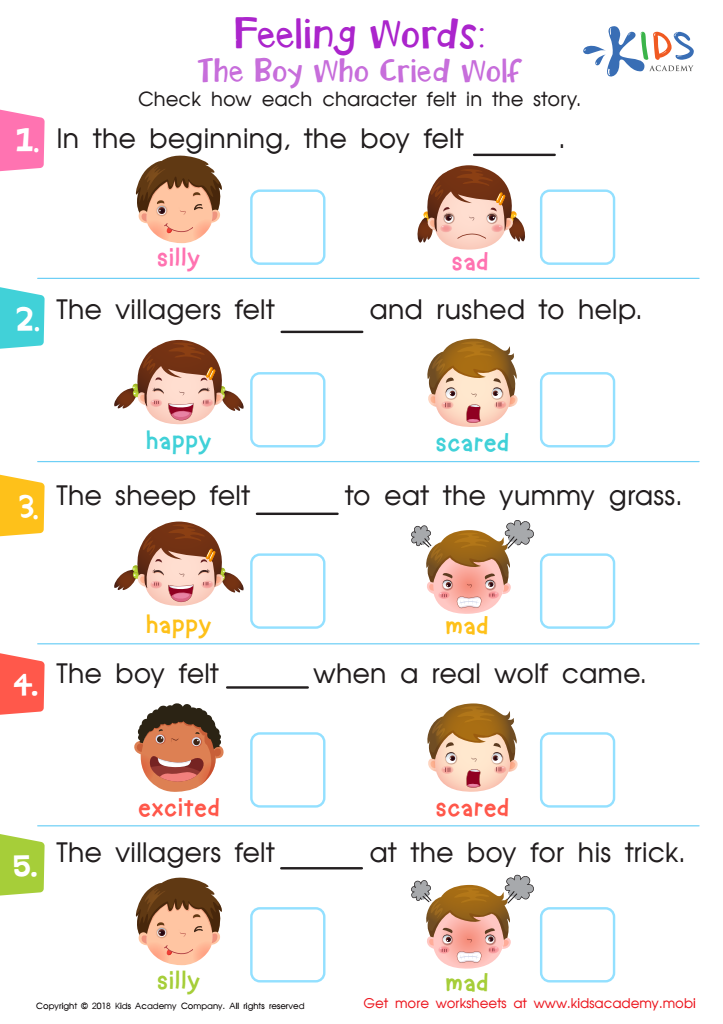
Feeling Words: The Boy Who Cried Wolf Worksheet

This worksheet helps students infer characters' traits and feelings by reading The Boy Who Cried Wolf. They choose the correct emotion for each character to improve their story comprehension. A great resource for the reading classroom, it teaches an essential comprehension skill.
Feeling Words: The Boy Who Cried Wolf Worksheet
Worksheet
Sight Words: A Day at the Park Worksheet

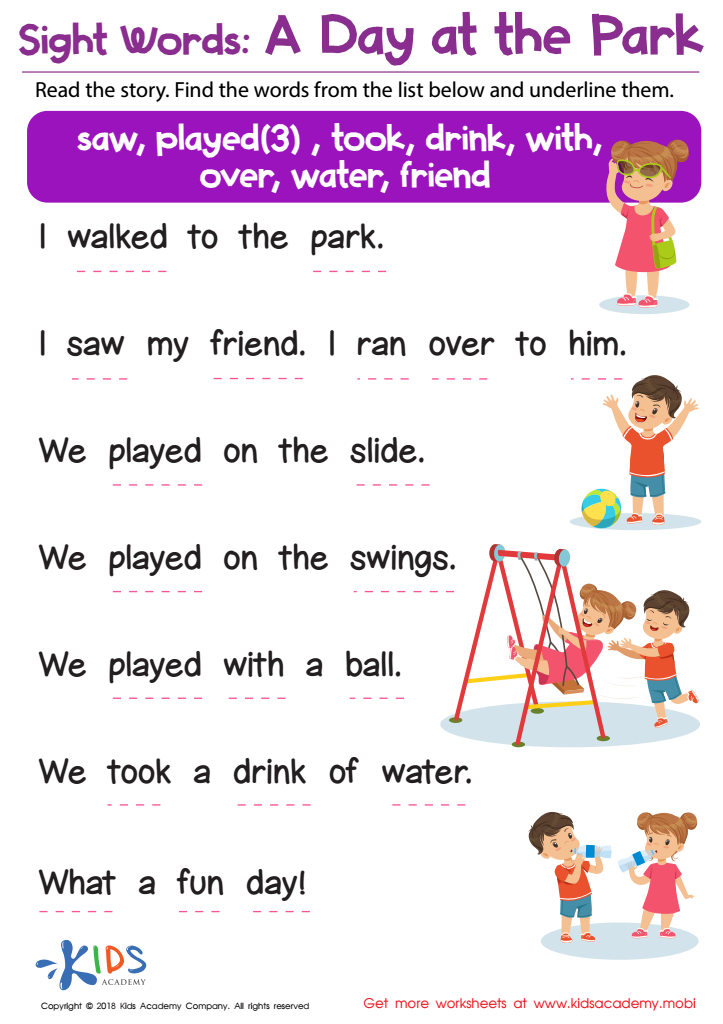
Sight Words: A Day at the Park Worksheet

This worksheet offers kids practice reading sight words in a story. With picture clues and repetitive wording, they'll work with words that can't be sounded out to reinforce their learning. This is an important step in the reading process that helps kids become more confident readers.
Sight Words: A Day at the Park Worksheet
Worksheet
Animal Word Search Worksheet


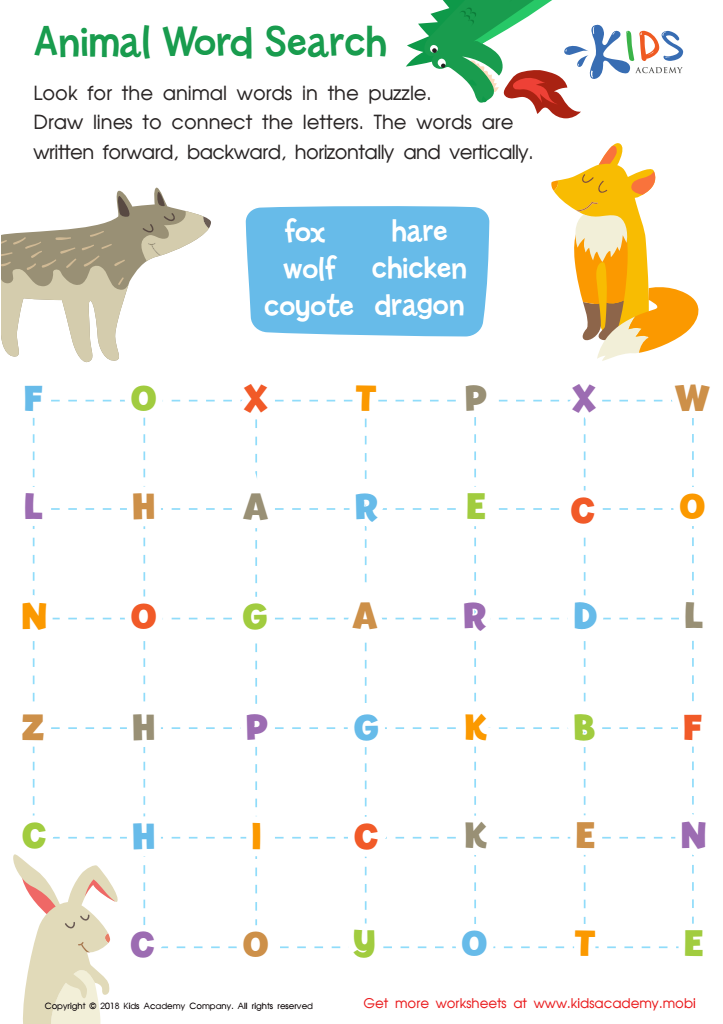
Animal Word Search Worksheet

Students can have fun and strengthen spelling and vocabulary skills with this word search worksheet. Search for animal words and circle the letters in the puzzle. Words can be found forwards, backwards, horizontally or vertically, providing a great challenge to foster critical thinking skills. An enriching activity for all ages!
Animal Word Search Worksheet
Worksheet


Developing a robust vocabulary at an early age is critical for overall academic and personal development. For 6-year-olds, who are in a pivotal stage of cognitive growth, parents and teachers should prioritize vocabulary building for several reasons.

First, having a wide vocabulary base significantly enhances reading comprehension. Children with a richer vocabulary can better decode new words, grasp storylines, and understand complex sentences. This leads to a more enjoyable reading experience and fosters a love for books and learning.

Second, a well-developed vocabulary allows children to express themselves more clearly and effectively. They can communicate their thoughts, needs, and emotions more articulately, which enhances their social interactions and self-esteem.

Third, vocabulary building is foundational to critical thinking skills. Knowing more words enables children to describe, categorize, and analyze the world around them in nuanced ways. This skill is crucial as they engage in more complex problem-solving and learn various subjects.

Lastly, early vocabulary building sets the stage for future academic success. Studies show that children with strong vocabulary skills perform better in school across all subjects, especially in reading and writing.

Therefore, parents and teachers should actively engage 6-year-olds in diverse and rich language experiences, through conversations, reading aloud, and interactive activities, to cultivate a lifelong love of learning and communication.